Selecting the ideal UV curing system can be challenging. Industry expert Dr. Emily Hart, a leader in UV technology, emphasizes, “Understanding your specific requirements is key to how to choose the right UV curing system.” This highlights the importance of assessing your unique needs before making a decision.
When exploring options, consider factors such as the material to be cured and the production speed required. Each UV curing system offers distinct features. Not all setups are suitable for every application. For example, a system optimized for flexible substrates may not perform well with rigid materials.
Navigating the choices can be overwhelming. Many companies rush into decisions without adequate research. This could lead to inefficiencies or costly mistakes. Therefore, it is crucial to evaluate various models thoroughly. Aim to consult with experts and conduct trials whenever possible. This knowledge can significantly aid in how to choose the right UV curing system for your needs.
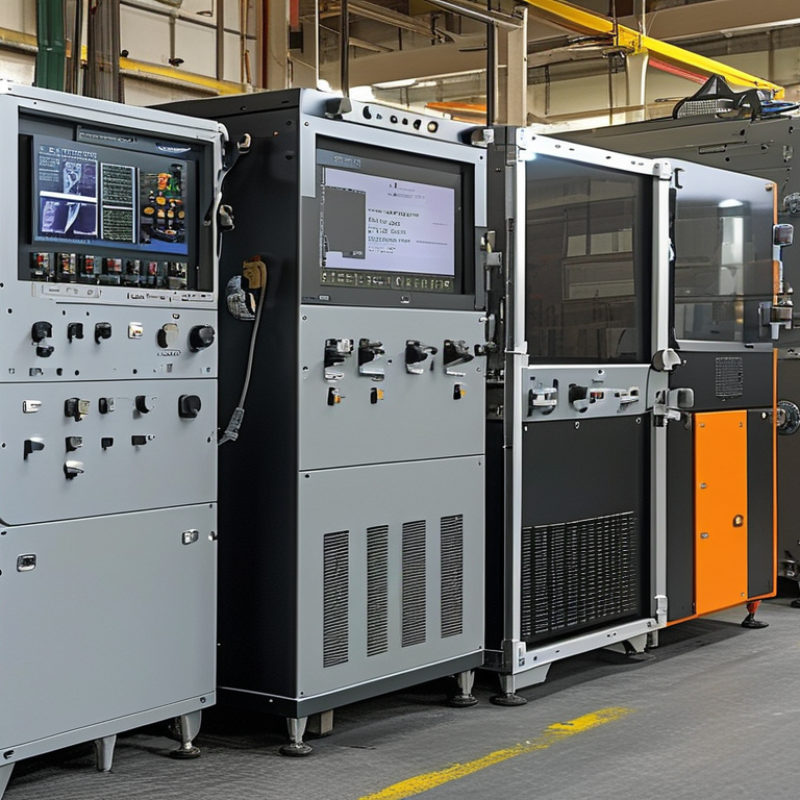
Understanding UV curing technology is essential for various industries. This technology uses ultraviolet light to rapidly cure or harden materials. It is common in printing, coatings, and adhesives. The process is efficient and can significantly enhance production speed. UV light initiates a chemical reaction in the coating or ink, causing it to dry almost instantly. This reduces the time needed for drying and increases throughput.
When selecting a UV curing system, consider the materials you'll be using. Different inks and coatings require specific wavelengths and intensities of UV light. It's vital to match the system to your application. Testing various curing times and distances can help refine your selection.
Tips: Always evaluate the compatibility of your substrates with UV curing. Some materials may react poorly to UV light. It’s also important to consult with experts or industry peers. Gathering feedback can help identify potential challenges early on. Ultimately, reflecting on the available options can lead to better decisions.
Choosing the right UV curing system starts with understanding your project needs. Analyze the materials you will use. Different substrates react differently to UV light. For instance, plastics and metals might require specific wavelengths for optimal curing. Knowing your substrate can guide your system choice.
Consider the production speed you need. Faster curing often means higher energy consumption and costs. Evaluate your workflow. A balance between curing speed and quality is crucial. Are there any environmental factors, like temperature or humidity, that could affect the curing process? These details can impact system performance.
Lastly, think about future projects. Will your needs change over time? Investing in a flexible system may save you costs down the line. Reflect on past projects too. What worked? What didn’t? These insights will inform your decision, leading to a more informed and effective selection process.
Selecting the right UV curing system involves understanding the various types available. Each system caters to specific requirements, and understanding these can greatly enhance operational efficiency. Broadly, there are three main types:
conventional UV, LED UV, and hybrid systems.
Conventional UV systems use mercury lamps to emit UV light, suitable for faster curing times. These systems are often less efficient and can generate heat.
In contrast, LED UV systems consume less energy and have a longer lifespan. However, they may not cure all materials effectively.
Comparing these systems requires considering your operational needs. For instance, if you work with heat-sensitive substrates, LED systems might be the best choice. Alternatively, for high-speed production, traditional UV systems can be more effective, despite their drawbacks. Each option carries unique maintenance needs and initial costs. A hybrid approach offers flexibility, combining both technologies. Nevertheless, it demands careful evaluation regarding resource allocation. Reflecting on these factors is vital for the decision-making process. Every choice comes with trade-offs that require careful consideration to minimize risks.
When evaluating the cost-effectiveness and efficiency of UV curing systems, consider various factors. First, think about your unique production needs. The initial investment might seem high. However, efficiency can often offset costs over time. A well-chosen system can reduce energy consumption significantly. This is crucial for businesses that operate at scale.
Next, assess the potential output speed of different systems. A faster curing time can enhance productivity. However, be cautious. If the speed compromises quality, it may not be worth the investment. Look for a balance between speed and durability of the cured products. Efficiency is not just about speed; it also involves managing waste and energy use.
Additionally, evaluate maintenance requirements. Some systems may require frequent upkeep, leading to increased long-term costs. Consider a system's lifespan too. Investing in higher-quality systems could pay off by reducing replacements. Use life-cycle analysis to guide your choice. Reflect on your findings to ensure they align with your production goals and budgets.
When selecting accessories for a UV curing system, it's crucial to consider the specific applications and materials involved. For instance, a study by the Adhesives and Sealants Council indicates that UV curing has grown by over 15% annually in the adhesives sector. This reveals the increasing demand for tailored accessories. Items such as UV filters and reflectors can significantly enhance efficiency. Choosing high-quality accessories can lead to faster curing times.
Specialized equipment, like temperature sensors, also plays a vital role. Maintaining optimal temperatures ensures consistent results across batches. Researchers recommend a temperature variance of less than 5°C for maximum adhesion. However, implementing such technology can be challenging. Not every facility has the means to integrate comprehensive monitoring systems.
Moreover, the choice of substrate can impact the efficacy of curing. Different materials may require unique wavelengths for proper curing. A survey by the International UV Association noted that improper matching of wavelengths could reduce curing efficiency by up to 30%. This complicates the decision-making process. Users must continually reflect on their accessory choices to avoid pitfalls in production.
| System Type | Wavelength (nm) | Curing Speed (m/min) | Power Consumption (kW) | Application |
|---|---|---|---|---|
| LED UV Curing | 365 | 10 | 1.5 | Coatings, Inks |
| Mercury UV Curing | 200-400 | 5 | 2.0 | Adhesives, Sealants |
| Hybrid UV Curing | 365-405 | 8 | 2.5 | Various Materials |
| Conventional UV Curing | 320-380 | 6 | 3.0 | Electronics, Printing |
: Analyze your project needs, materials, and substrates. Different materials react differently to UV light.
Faster curing requires more energy and can increase costs. Balance speed with quality for the best results.
Yes, temperature and humidity can significantly impact system performance and curing outcomes.
Needs may change over time. A flexible system can save costs for future requirements.
Items like UV filters, reflectors, and temperature sensors can improve efficiency and curing times.
Different materials need specific wavelengths. Mismatching can reduce efficiency by up to 30%.
A variance of less than 5°C ensures consistent results and maximum adhesion across batches.
Not all facilities have the resources or means to implement comprehensive monitoring technology.
Reflecting on what worked or didn't can guide your choices and improve your selection process.
Consider reviewing your process, equipment, and accessory choices to identify potential improvements.
When considering how to choose the right UV curing system for your needs, it is essential to understand the fundamentals of UV curing technology and its diverse applications. A thorough analysis of your project requirements and specifications will aid in identifying the most suitable system. It's also important to compare the various types of UV curing systems available in the market, weighing factors such as their functionality and versatility.
Furthermore, evaluating the cost-effectiveness and efficiency of different UV systems can ensure that you make a sound investment. Don't overlook the importance of selecting the right accessories and additional equipment that may enhance the capabilities of your UV curing process. By following these steps, you can confidently determine how to choose the right UV curing system that aligns with your specific needs and conditions.

LumiCure Light