High-irradiance water and air-cooled curing modules optimized for variable speed web presses, flatbeds, and custom industrial manufacturing lines.
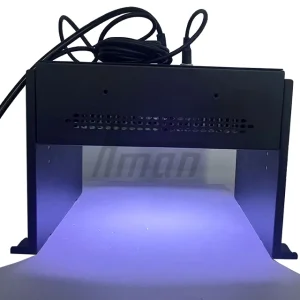
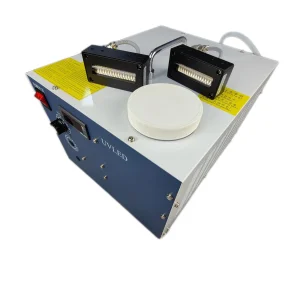
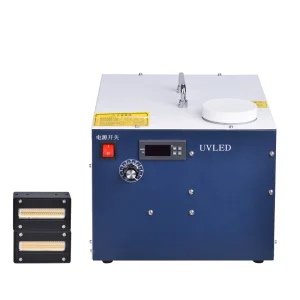
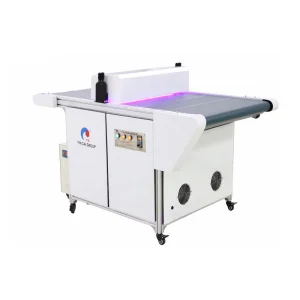
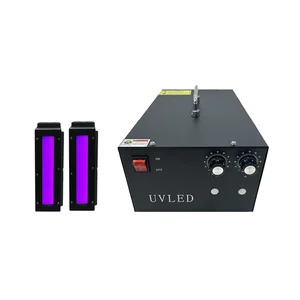
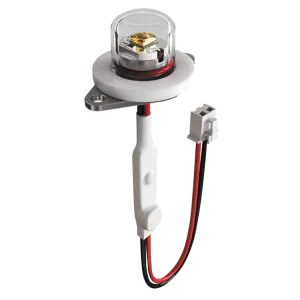
The industrial printing and curing sector is undergoing a profound paradigm shift. Conventional medium-pressure mercury arc lamps, long the workhorse of industrial curing lines, are rapidly being phased out globally. This shift is driven by strict environmental regulations—such as the United Nations Minamata Convention on Mercury—and a demanding corporate push for lower operational costs and enhanced thermal control.
Unlike traditional mercury-vapor systems that emit a broad spectrum of radiation (including substantial thermal infrared radiation), UV LED curing systems utilize semi-conductor Gallium Nitride (GaN) structures. These structures convert electricity directly into narrow-band ultraviolet light (typically centered at 365nm, 385nm, 395nm, or 405nm). By targeting specific photoinitiator absorption peaks, modern UV LED devices maximize photopolymerization efficiency while minimizing excess heat dissipation. This makes them ideal for thermally sensitive substrates like thin plastic films, foils, and specialty adhesives.
Five key trends are currently driving the evolution of UV LED industrial curing systems:
Understanding the technical and commercial variables that procurement managers evaluate when sourcing UV LED equipment globally.
Engineers evaluate peak spectral irradiance (W/cm²) and energy density (J/cm²) under real-world line speeds to ensure complete photopolymerization through the entire ink layer.
Total cost of ownership (TCO) assessments focus on MTBF (Mean Time Between Failures) metrics, diode degradation limits, and easy optical window maintenance.
Strict safety certifications including UV radiation containment designs, ozone-free operating declarations, and low electromagnetic interference (EMI) ratings.
Procuring UV LED curing hardware requires careful evaluation of chemistry compatibilities. For instance, UV ink formulations designed for water-slide paper decals, flexographic processes, or large-format digital printing react differently depending on the wavelength and optical intensity of the light source. Suppliers must offer custom configuration options (365nm, 385nm, 395nm, and 405nm combos) to guarantee a reliable cure across various ink brands and formulation depths.
SEO Technical Insight: The semantic search behavior of high-value B2B buyers is shifted towards long-tail queries like "custom high power SMD multi-wavelength UV LED light curing system" and "water cooled 395nm UV LED lamp curing equipment for offset press". An authoritative supplier must match this intent with highly detailed technical documentation, spectral charts, and exact thermal load calculations.
How our modern manufacturing hub in Dongguan combines lean production processes with deep supply chain integration to deliver high-quality curing systems.
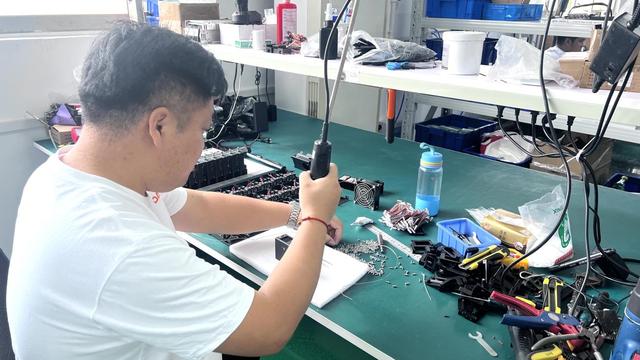
Dongguan LumiCure Light Co., Ltd. is positioned at the heart of Southern China's advanced manufacturing corridor. This strategic location enables us to leverage a highly integrated supply chain network. By sourcing high-quality GaN wafers, designing specialized driver boards, and assembling precision modules in-house, we control every step of the value chain. This tight control allows us to provide cost-effective solutions without compromising on product quality.
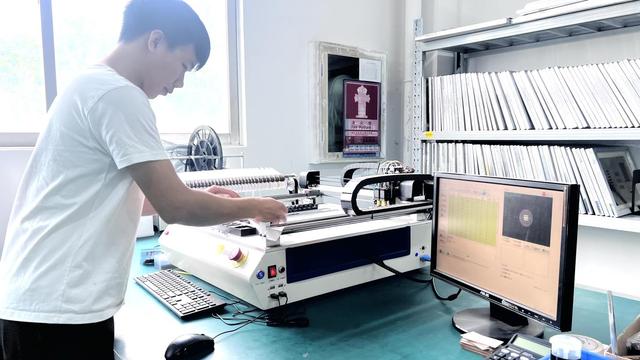
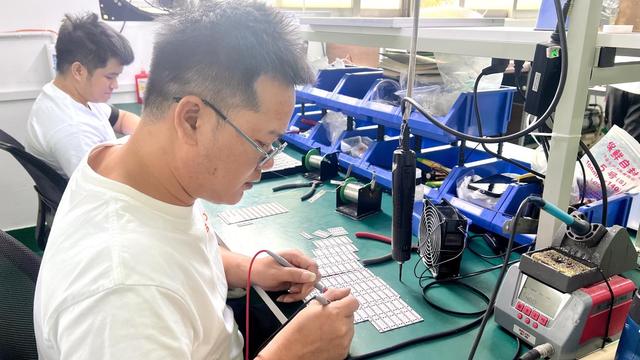
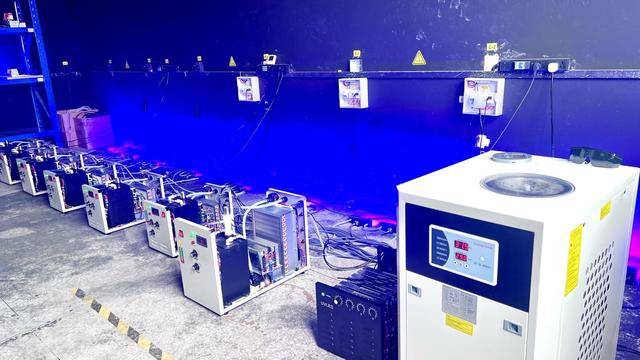
Our ISO 9001:2015 certified facilities feature high-precision SMD pick-and-place lines, cleanrooms for optical assembly, and automated burn-in testing chambers. Every single UV LED module we build undergoes a continuous 72-hour stress test under full load. During this test, we track optical output degradation and thermal stability with thermal imaging cameras. This rigorous quality control ensures that our equipment performs reliably in demanding industrial print shop environments.
From customized inkjet ink curing arrays to industrial waterproof UVC disinfection units, our systems are engineered for specialized commercial applications.
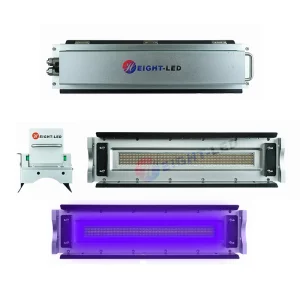
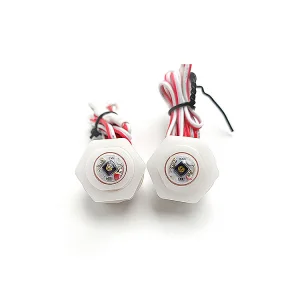
How distinct commercial sectors deploy customized ultraviolet led units to overcome specific design and process engineering challenges.
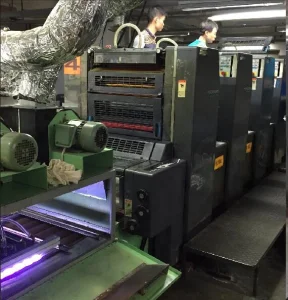
Commercial offset printing machines require instant ink drying to prevent smudging and support high post-press processing speeds. Retrofitting offset presses with water-cooled UV LED systems (like our 395nm/385nm hybrid modules) removes the need for anti-set-off powders. This improves print shop cleanliness, prevents color shifting, and allows operators to handle print media immediately.
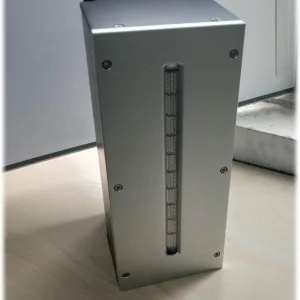
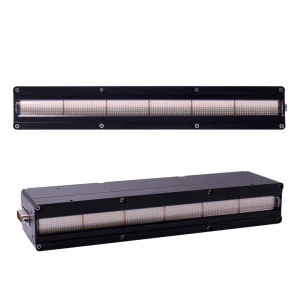
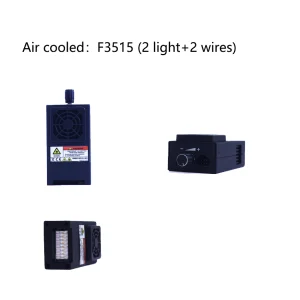
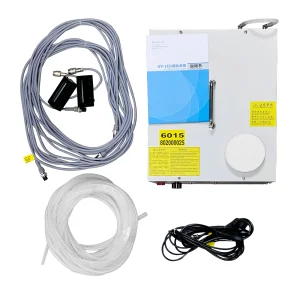
Digital wide-format systems require lightweight curing sources that move with the printhead carriage. LumiCure's air-cooled 6015 and 10020 UV LED modules are engineered for these configurations. Providing reliable curing power without adding excessive mass, these modules prevent carriage jitter, maintain precise dot placement, and protect thin plastic film substrates from heat damage.
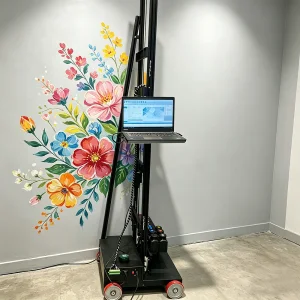
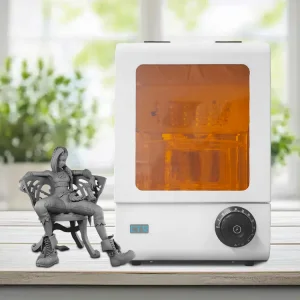
Water-transfer paper decals, outdoor murals, and UV wall printing require specialized, reliable curing systems. In stereolithography (SLA) and digital light processing (DLP) 3D printing post-processing, our 405nm desktop curing chambers supply the uniform irradiance needed to crosslink remaining resins. This ensures consistent mechanical properties in the finished parts.
A trusted manufacturing partner delivering high-quality, customized industrial UV curing systems.
Dongguan LumiCure Light Co., Ltd. is a professional China UV LED curing lamp manufacturer specializing in the research, development, production, and supply of industrial UV curing systems and customized UV LED solutions. With a strong focus on innovation, quality, and customer satisfaction, LumiCure has become a trusted partner for manufacturers worldwide seeking efficient and reliable curing technologies.
Our product range includes UV LED curing lamps, UV LED spot curing systems, flood curing lamps, conveyor UV curing machines, UV LED modules, printing curing systems, adhesive curing equipment, and customized industrial UV solutions. These products are widely applied in printing, electronics assembly, semiconductor packaging, optical bonding, automotive manufacturing, medical devices, 3D printing, and various precision industrial processes.
Backed by an experienced engineering team and advanced manufacturing facilities, LumiCure is committed to developing energy-saving and environmentally friendly UV curing technologies. Our products feature high curing efficiency, precise wavelength output, long service life, low maintenance requirements, and intelligent control capabilities, helping customers improve productivity while reducing operating costs.
Quality remains the foundation of our business. Every product undergoes rigorous testing and strict quality control procedures throughout the manufacturing process to ensure consistent performance and reliability. We also provide comprehensive OEM and ODM services, enabling customers to customize products according to their specific technical and application requirements.
Serving clients across Europe, North America, Asia, the Middle East, and other global markets, Dongguan LumiCure Light Co., Ltd. continues to deliver innovative UV LED curing solutions that support sustainable and efficient industrial manufacturing.
Detailed technical answers to common integration, engineering, and performance questions from our clients.
Shorter wavelengths like 365nm offer higher energy photons that work well for thin, surface-level curing and clear varnishes. Longer wavelengths like 395nm and 405nm penetrate deeper into pigmented inks and thick adhesives, but can be susceptible to oxygen inhibition at the immediate surface.
Water cooling is recommended for systems running above 12-16 W/cm² or in confined machine frames where airflow is restricted. Air cooling is suitable for lower-intensity portable systems or narrow-width printers where ease of installation is a priority.
We resolve oxygen inhibition by focusing high-irradiance arrays close to the surface to generate free radicals faster than oxygen can diffuse in. We also design optional nitrogen gas purging manifolds for highly sensitive applications.
Yes, our drivers support dimming from 10% to 100% using analog 0-10V, PWM signals, or digital industrial protocols like Modbus and RS485. This allows the system to adjust power output dynamically based on printing speeds.
Under normal operating conditions, our LED chips maintain over 70% of their initial output for up to 50,000 hours. The primary factor affecting lifetime is junction temperature, which is why we build our modules with high-thermal-conductivity copper substrates.
Yes. We build custom-dimension mechanical brackets and custom power supplies to replace old mercury lamp cassettes. This allows for direct integration with the existing press controls.
Our UVC modules utilize wavelengths between 260nm and 280nm, which target the DNA/RNA of microorganisms. We house these modules in specialized materials to protect surrounding plastic water tanks from UV degradation.
No. Ozone generation only occurs at wavelengths below 240nm. Because our systems emit narrow-band light centered at 365nm to 405nm, they run completely ozone-free and do not require exhaust ducting.
Peak irradiance represents the maximum light intensity at the substrate surface, while energy density (dose) is the total UV energy delivered over time. High peak irradiance is needed to start the curing process, while energy density ensures the cure is completed through the material.
Every custom project undergoes thermal modeling, optical simulation, and rigorous stress testing. This includes high-temperature chamber testing and continuous vibration tests to ensure long-term reliability.
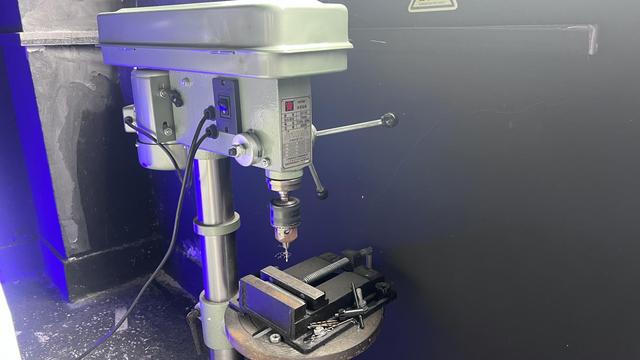
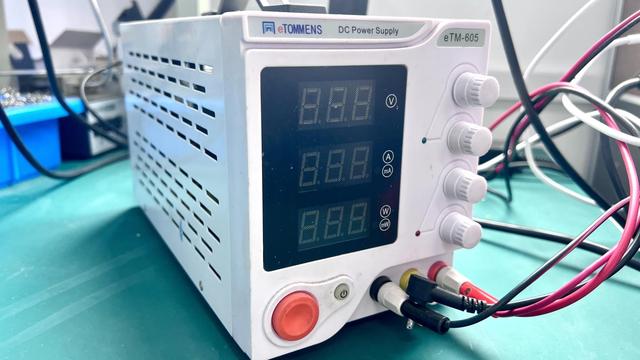
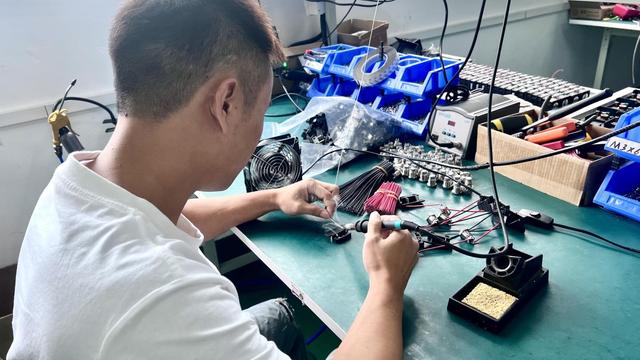
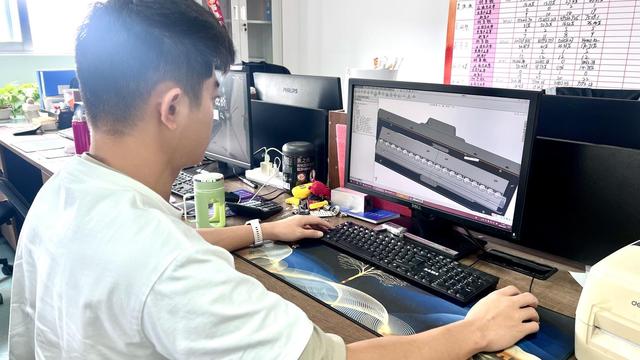
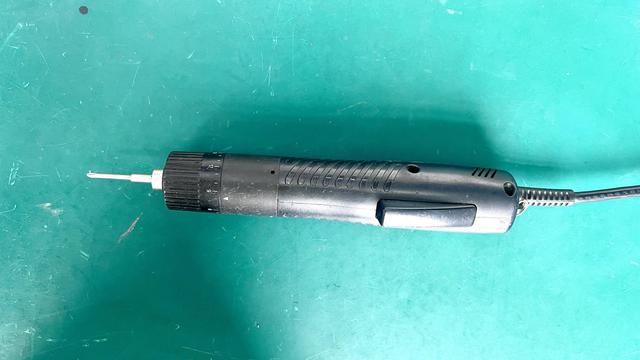
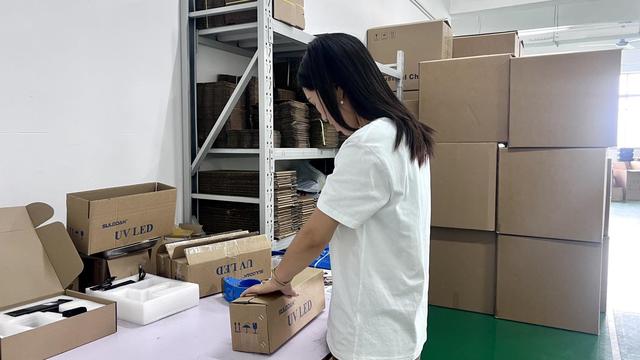
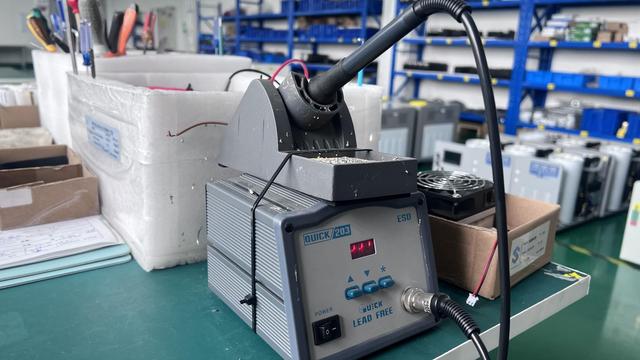
Inside Dongguan LumiCure Light Co., Ltd.'s modern manufacturing facility, showing our production lines, quality inspection areas, and testing equipment.
 LumiCure Light