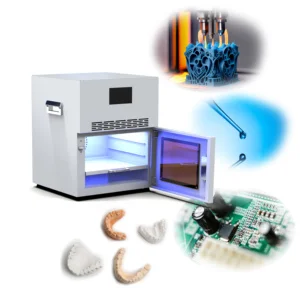
In the field of photopolymerization (including SLA, DLP, and LCD 3D printing), the selection of the electromagnetic wavelength determines the molecular cross-linking kinetics. Modern photopolymers utilize photoinitiators (such as TPO, BAPO, or Ivocerin) that exhibit highly specific absorption profiles.
As an industrial UV LED manufacturer, our R&D team works at the molecular level to align optical energy output with these absorption peaks. For instance, 365nm wavelength radiation features high energy per photon, making it ideal for deep cure penetration and surface tack reduction. However, because it has high absorption in standard resins, it can cause rapid surface curing, sometimes limiting the depth.
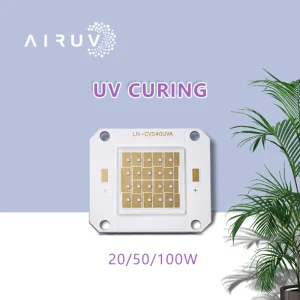
In contrast, 405nm UV LED engines are highly adopted in dental and desktop 3D printing due to the availability of compatible monomers and lower light dispersion, allowing for highly accurate structures.
| Wavelength (nm) | Energy per Photon (eV) | Primary Application Matrix | Key Photoinitiators Targeted |
|---|---|---|---|
| 365nm | 3.40 eV | Industrial Coatings, Silk Screen Printing, High-performance Electronics potting, Adhesives | Irgacure 184, Darocur 1173 |
| 385nm | 3.22 eV | Medical Dental Resins, Industrial SLA 3D Printing, High-precision Optical Bonding | TPO, BAPO |
| 395nm | 3.14 eV | Digital Inkjet Printing, Flexographic Web Curing, PCB Screen Printing | TPO, ITX |
| 405nm | 3.06 eV | DLP/LCD 3D Printers (Dental, Jewelry), Standard Photopolymer Post-Curing | Camphorquinone (CQ), TPO |
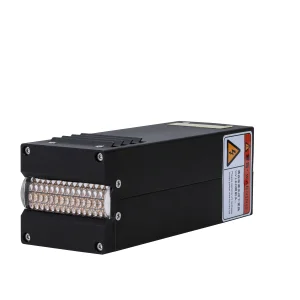
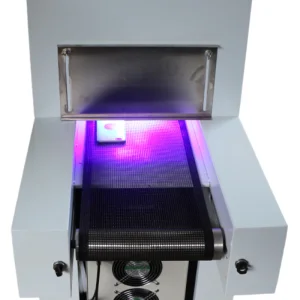
The integration of industrial UV LED 3D printing curing lamps goes beyond simple illumination. Diverse industrial ecosystems require customized solutions:
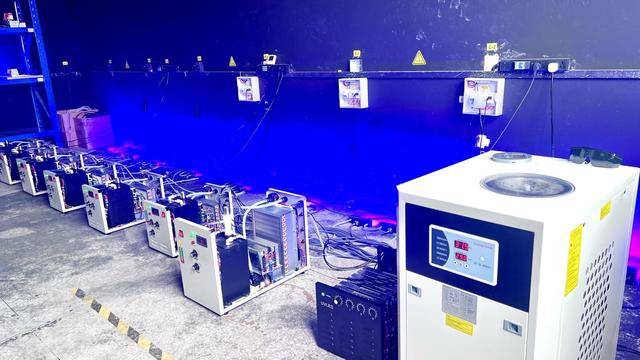
Technical Focus: A major challenge in high-power curing is thermal management. As the junction temperature ($T_j$) of the LED chip increases, the dominant wavelength shifts to longer wavelengths, and the radiant power decreases. Dongguan LumiCure employs custom copper-clad substrates (MCPCB) and micro-channel liquid-cooling technology to maintain $T_j$ below 65°C, ensuring optical stability.
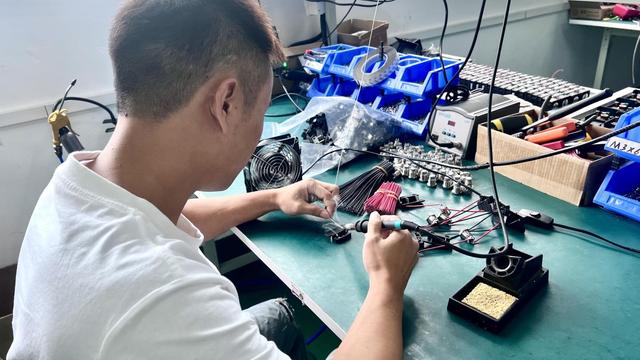
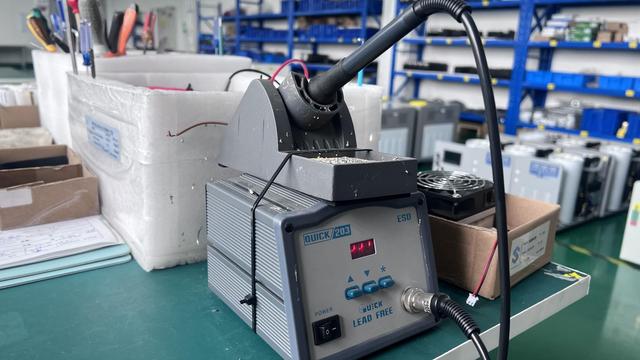
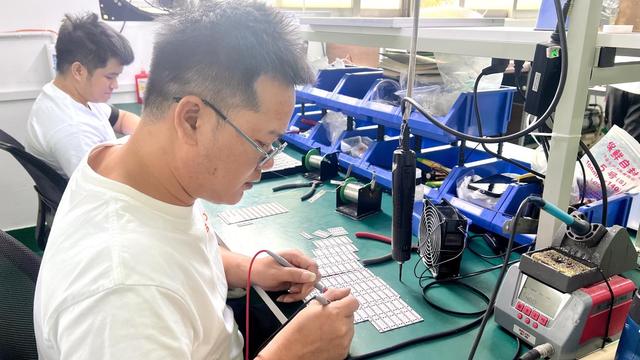
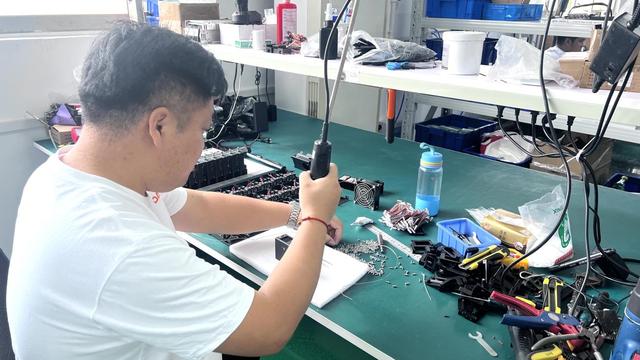
Located in Dongguan, the global electronics manufacturing hub, Dongguan LumiCure Light Co., Ltd. enjoys unparalleled supply chain advantages. We have vertical integration of core processes:
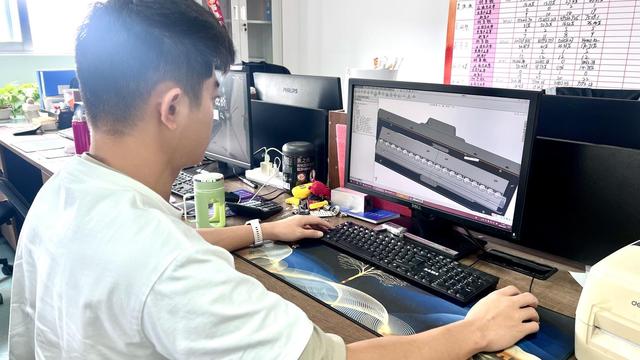
From the sourcing of raw materials like high-purity quartz glass and high-thermal-conductivity copper, to the state-of-the-art COB (Chip-on-Board) die bonding and advanced SMT (Surface Mount Technology) lines, every manufacturing step is optimized. This concentration of raw materials and fabrication facilities reduces the R&D and ODM iteration cycle from months to just 7 to 14 days, offering customers faster time-to-market.
The next step in the development of photopolymerization is the adoption of multi-wavelength curing systems. By combining 365nm and 405nm chips onto a single COB substrate, we enable users to cure compound resins that require different initiation energies at different layer depths. Furthermore, incorporating smart sensors and IoT communication protocols allows real-time monitoring of energy output ($mW/cm^2$) and thermal status, giving industrial operators the assurance of process repeatability.
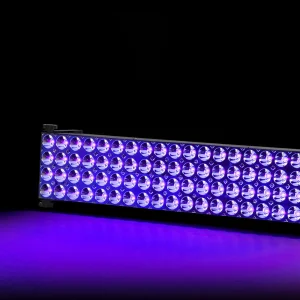
High-efficiency quartz micro-lenses concentrate light projection, optimizing irradiance and reducing energy leakage, which significantly cuts power usage.
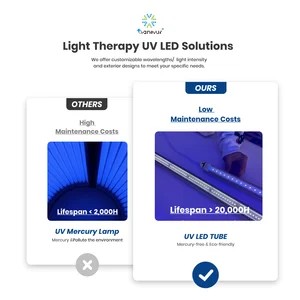
By upgrading from traditional mercury lamps to UV LED systems, energy consumption is reduced by up to 70%, with zero ozone production and minimal carbon emissions.
Constructed with durable aluminum housings and corrosion-resistant components, our systems are built to withstand demanding industrial environments.
Every photopolymer resin contains a specific photoinitiator that absorbs light at target wavelengths to trigger polymer cross-linking. If you use a curing lamp with a mismatched wavelength, the polymerization reaction will be incomplete. This leads to issues such as poor layer adhesion, dimensional inaccuracy, and uncured, sticky surfaces.
Peak Irradiance ($mW/cm^2$) is the maximum light intensity hitting the surface, which determines whether the curing reaction will start. Energy Density ($mJ/cm^2$), which is irradiance multiplied by time, determines if the cure has been fully completed throughout the thickness of the material. Both metrics must be optimized to achieve a proper cure.
Air-cooled systems are easier to install and more compact, making them suitable for small-scale operations. Water-cooled systems, on the other hand, provide superior thermal dissipation. This is necessary for high-power, continuous industrial applications where keeping the junction temperature stable is essential to maintain consistent wavelength output and prolong LED lifespan.
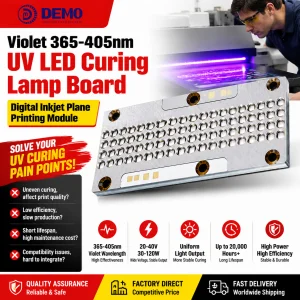
Yes, our modules support customizable input voltages (20V - 40V) and feature flexible design integrations. We offer comprehensive OEM/ODM engineering support to help you match mechanical dimensions, mounting configurations, and cooling lines to your printer system.
Dongguan LumiCure Light Co., Ltd. is a professional China UV LED curing lamp manufacturer specializing in the research, development, production, and supply of industrial UV curing systems and customized UV LED solutions. With a strong focus on innovation, quality, and customer satisfaction, LumiCure has become a trusted partner for manufacturers worldwide seeking efficient and reliable curing technologies.
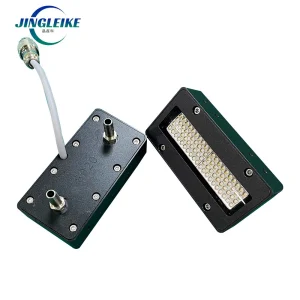
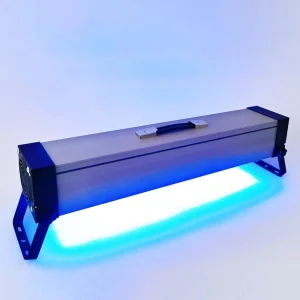
Our product range includes UV LED curing lamps, UV LED spot curing systems, flood curing lamps, conveyor UV curing machines, UV LED modules, printing curing systems, adhesive curing equipment, and customized industrial UV solutions. These products are widely applied in printing, electronics assembly, semiconductor packaging, optical bonding, automotive manufacturing, medical devices, 3D printing, and various precision industrial processes.
Backed by an experienced engineering team and advanced manufacturing facilities, LumiCure is committed to developing energy-saving and environmentally friendly UV curing technologies. Our products feature high curing efficiency, precise wavelength output, long service life, low maintenance requirements, and intelligent control capabilities, helping customers improve productivity while reducing operating costs.
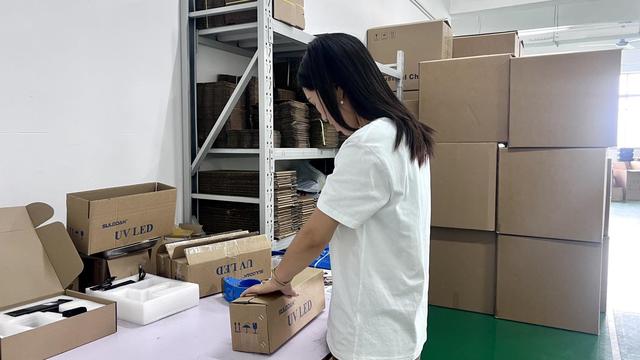
Quality remains the foundation of our business. Every product undergoes rigorous testing and strict quality control procedures throughout the manufacturing process to ensure consistent performance and reliability. We also provide comprehensive OEM and ODM services, enabling customers to customize products according to their specific technical and application requirements.
Serving clients across Europe, North America, Asia, the Middle East, and other global markets, Dongguan LumiCure Light Co., Ltd. continues to deliver innovative UV LED curing solutions that support sustainable and efficient industrial manufacturing.
 LumiCure Light