UV LED curing technology represents a significant advancement in energy efficiency within the industrial sector. Reports indicate that this technology can save up to 80% energy compared to traditional curing methods, leading to a reduction in operational costs and environmental impact. The question of how much energy does UV LED curing save? is frequently raised by industry professionals seeking sustainable solutions.
According to expert Dr. Michael Jennings, an authority in energy-efficient technologies, "The shift to UV LED curing can transform the manufacturing landscape." His statement underscores the importance of adopting efficient processes. Industry studies reveal that UV LED curing not only cuts energy usage but also accelerates production timelines, enhancing overall productivity.
Many companies are exploring this technology. However, some challenges remain. Transitioning to UV LED curing requires upfront investment and staff training. Businesses must evaluate their specific needs to comprehend the full benefits. Despite these hurdles, the potential energy savings and efficiency improvements make UV LED curing a vital consideration for modern manufacturers.
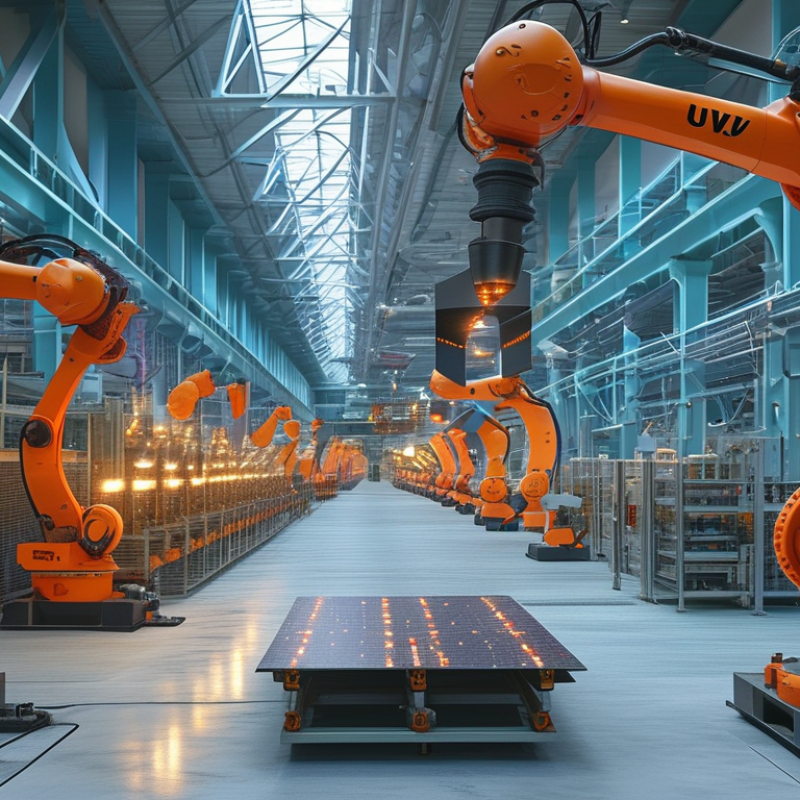
UV LED curing technology is transforming various industries, especially in printing, coatings, and adhesives. This technology uses ultraviolet light to produce a photochemical reaction, allowing materials to cure quickly. Unlike traditional curing methods, UV LED systems operate at lower temperatures, reducing energy consumption significantly. They also produce less heat, which can protect sensitive substrates.
The applications of UV LED curing are vast and growing. In the printing industry, it enhances speed and efficiency, allowing for faster production times. This technology supports increased environmental compliance by reducing volatile organic compounds (VOCs) compared to conventional methods. While the initial investment may be higher, the long-term energy savings and operational efficiencies can offset these costs.
However, the transition to UV LED technology is not without challenges. Not all materials respond well to UV curing. Manufacturers often face hurdles in selecting the right inks or coatings. The learning curve can be steep, and some processes require adjustments. Evaluating the full spectrum of advantages and drawbacks is essential for organizations considering this shift. Each application reveals unique considerations to ensure optimal performance and energy savings.
UV LED curing technology offers a significant advantage over traditional curing methods in terms of energy consumption. Traditional curing processes often rely on high-energy intensity sources, requiring substantial electricity and generating heat. This can lead to increased cooling costs and operational inefficiencies. In contrast, UV LED systems operate at lower power levels. They cure materials quickly while consuming significantly less energy, which can minimize overhead costs.
Research shows that UV LED curing can reduce energy usage by up to 80% compared to conventional methods. This reduction is not just beneficial for the budget but also for the environment. Companies that switch to UV LED find they can operate more sustainably. However, transitioning to this technology presents challenges, such as adapting existing equipment and training staff. Each facility must weigh the upfront costs against long-term savings and environmental benefits.
Additionally, while UV LED curing is more energy-efficient, some may question its effectiveness compared to traditional options. The curing speed and quality can vary based on materials used. Conducting thorough testing is essential before full implementation. Awareness of these factors is crucial for making an informed decision and ensuring the best possible outcome for energy savings and product quality.
UV LED curing technology offers significant energy savings in various industrial processes. However, several factors influence its efficiency and effectiveness. Understanding these elements is crucial for optimizing energy consumption.
One major factor is the formulation of the materials being cured. Different inks, coatings, and adhesives have varying absorption rates of UV light. These discrepancies can impact how effectively energy is utilized during the curing process. Using materials specifically engineered for UV LED curing can enhance energy efficiency.
Another critical aspect is the design of the curing systems. Light intensity, exposure time, and distance between the LED source and the material all play a role. Effective system design can lead to reductions in energy usage. However, some systems might require adjustments over time, which can introduce challenges. Monitoring performance regularly can reveal needed improvements. Emphasizing a balance between energy use and curing speed is essential in achieving optimal results.
UV LED curing technology has gained traction in various industries due to its significant energy savings. Case studies reveal that companies implementing this technology can achieve energy reductions of up to 80% compared to traditional curing methods. This level of efficiency not only decreases operational costs but also minimizes environmental impact.
In a recent industry report, it was noted that a leading packaging firm saved around 40,000 kWh annually after switching to UV LED curing. Another case highlighted a manufacturer of electronic components, reporting savings exceeding 25,000 kWh per year. These numbers are not merely abstract figures; they reflect tangible benefits that can fundamentally change business operations.
However, the transition is not without challenges. Some businesses faced initial setup costs and required workforce training. Moreover, the longevity of UV LED systems can vary, prompting ongoing evaluations of performance and upkeep. While the potential for energy savings is substantial, it is vital for companies to weigh these aspects carefully against their specific needs and constraints.
UV LED technology is making significant strides in energy efficiency. The industry reports indicate that UV LED curing systems can achieve up to 80% energy savings compared to traditional UV curing methods. This reduction comes from lower heat output and faster curing times. These factors also lead to decreased cooling requirements, resulting in additional energy savings.
Future trends in UV LED technology point towards even greater efficiencies. Reports suggest that advancements in chip technology can produce higher output levels with less energy. Emerging applications in various sectors—like printing and coatings—are also expected to drive adoption. However, challenges remain. Some manufacturers face high initial costs, which can deter investment. Additionally, the variability in performance across different systems adds complexity to decision-making.
Continued research and development are essential. If production costs decrease, broader adoption is likely. Yet, the industry must address concerns about long-term performance and reliability. As energy landscapes evolve, the potential for UV LED technology to lead in sustainability appears promising, but the journey is still unfolding.
: UV LED curing technology uses ultraviolet light to create a photochemical reaction, allowing materials to cure quickly.
It operates at lower temperatures, reducing energy consumption and producing less heat for sensitive substrates.
Industries like printing, coatings, and adhesives are experiencing significant transformations due to this technology.
Yes, UV LED curing provides considerable energy savings, but effectiveness depends on specific factors.
Material formulation, light intensity, exposure time, and distance from the light source significantly impact energy usage.
No, not all materials respond well; choosing appropriate inks or coatings is crucial for success.
Manufacturers may encounter a steep learning curve and need to adjust processes for optimal results.
Yes, it reduces volatile organic compounds (VOCs), supporting better environmental standards compared to conventional methods.
The upfront investment can be higher, but long-term energy savings can offset these costs.
Regular monitoring and system adjustments can enhance energy efficiency while balancing curing speed.
The article "How Much Energy Can UV LED Curing Technology Save?" explores the efficiency of UV LED curing technology compared to traditional curing methods. It begins with an overview of the technology and its wide-ranging applications across various industries. A critical component of the discussion is the energy consumption comparison, highlighting significant savings that UV LED technology offers. By analyzing the factors influencing energy savings, the article illustrates how much energy does UV LED curing save in practical terms.
Through case studies, real-world examples showcase the tangible benefits organizations have experienced after implementing UV LED curing processes, underlining the substantial energy efficiency gains. Additionally, the article looks ahead at future trends in UV LED technology, emphasizing its potential to enhance energy savings further. This comprehensive examination provides valuable insights into the optimization of energy use in curing processes, making a strong case for the adoption of UV LED technology.

LumiCure Light