What Factors Influence UV Curing Performance for Buyers?

Time:2026-07-21 Author:Mason
0%

When considering UV curing technologies, buyers often ponder what factors affect UV curing performance. This performance can significantly impact the end product's quality and durability. Choosing the right equipment involves understanding various elements influencing the curing process.

Key factors include the UV light source, material type, and curing environment. The intensity of UV light can vary greatly. Different materials will absorb UV light differently, impacting how effectively they cure. Additionally, environmental conditions such as temperature and humidity play critical roles. These elements are interconnected and can lead to varied results.

Buyers should also assess their specific application needs. A product may not perform as expected if these factors are overlooked. Reflect on past experiences with UV curing. Were there inconsistencies in product quality? Understanding these nuances can lead to better decision-making in selecting UV curing solutions.
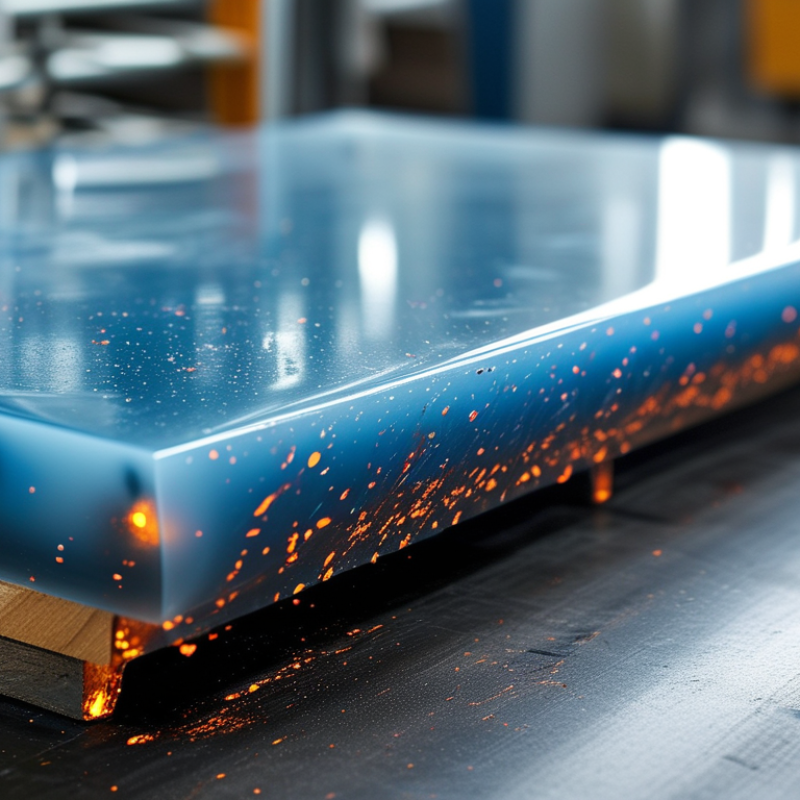
What Factors Influence UV Curing Performance for Buyers?

Factors Affecting the Efficiency of UV Curing Systems in Industrial Applications

When considering UV curing systems in industrial applications, several factors impact their efficiency. The design and configuration of the curing chamber play a vital role. A well-optimized chamber ensures even exposure to UV light. This minimizes the chances of inconsistency in curing. An improperly designed chamber may lead to uneven finishing and wastage of materials.

The type of UV lamp used also affects performance. Different wavelengths produce varying intensity levels. Selecting the appropriate lamp for the specific application can boost curing speed and enhance material adhesion. However, some users find it challenging to match lamp choices with their product needs. This can result in subpar results and increased costs.

Another critical aspect is the ink or coating formulation. Different materials react uniquely under UV light. Compatibility between inks and substrates is essential for effective curing. Many buyers overlook this detail, leading to disappointing outcomes. Proper testing and adjustments may be necessary. This could mean experimenting with various combinations to achieve optimal results. Users must reflect on their processes to ensure peak performance in their curing systems.

Factors Influencing UV Curing Performance

Understanding the Role of UV Light Intensity on Curing Performance

The intensity of UV light plays a critical role in curing performance. Studies reveal that higher light intensity can significantly improve curing speed and depth. For instance, a recent industry report indicated that an increase in UV intensity from 200 mW/cm² to 400 mW/cm² can accelerate the curing process by nearly 50%. However, this isn't always a straightforward benefit.

Excessive UV light intensity can cause overheating of materials, leading to defects. A balance must be struck between intensity and the type of substrate used. Some materials may degrade under high UV exposure. This reflects the complex nature of UV curing technology. It's essential for buyers to understand the interplay of light intensity and material characteristics.

Furthermore, the spectral output of the UV source is crucial in achieving optimal results. Different materials absorb UV light at various wavelengths. An extensive study found that not all materials respond equally; some required specific wavelengths to initiate the curing process effectively. Therefore, buyers must consider these factors carefully. Choosing the right setup for their unique applications is vital to ensure strong adhesion and durability, avoiding pitfalls that could arise from inadequate UV curing processes.

Impact of Substrate Material on UV Curing Results

The choice of substrate material significantly affects UV curing performance. Different materials absorb UV light at varying rates. For instance, metal substrates reflect UV light, impeding the curing process. Conversely, plastics and glass often allow for more thorough curing due to their higher transparency. Understanding these properties is vital for achieving optimal results.

Moreover, surface texture plays a role. A smooth surface may result in better adhesion of the cured material. Rough surfaces can trap air bubbles and create inconsistencies. The surface energy of the substrate also impacts adhesion. Low-energy surfaces may require pre-treatment for effective curing. This complexity adds layers to the decision-making process.

Buyers must weigh these factors carefully. Experimentation may sometimes be necessary to find the ideal combination of substrate and curing conditions. Not every solution will fit all applications. Being aware of these nuances can prevent potential pitfalls in the curing process. Observing real-world applications helps guide these choices.

The Importance of UV Curing Resin Chemical Composition

The chemical composition of UV curing resins plays a crucial role in their performance. Buyers should consider the types of acrylates and additives used. Different formulations can influence viscosity, adhesion, and curing speed. A resin that works well for one application may not be suitable for another. Understanding these nuances is essential for optimal performance.

Moreover, factors like photoinitiator type can greatly impact curing efficiency. Selecting the right photoinitiator ensures proper activation under UV light. It affects the depth of cure and overall durability. Not all resins are created equal. Some may cure too quickly or not at all in certain conditions, which can lead to issues down the line.

Investing time in researching resin components is vital. Collaborating with chemists can provide deeper insights. Buyers might encounter challenges with unexpected results during testing. Ensuring that the chosen resin aligns with specific application needs will minimize errors. This careful consideration can lead to significant improvements in final product quality.

Temperature and Environmental Conditions in UV Curing Processes

Temperature and environmental conditions play a crucial role in the UV curing process. According to a report by the American Coatings Association, UV curing is highly sensitive to temperature variations. Ideally, a stable temperature between 20°C and 30°C yields optimal results. Deviations can lead to incomplete curing, impacting the final product quality. The viscosity of the resin can also change with temperature, affecting the flow and, ultimately, the curing efficiency.

Humidity is another critical factor. High humidity levels can result in surface defects due to moisture absorption. A study by the UV Curing Technology Group revealed that relative humidity above 60% negatively affects adhesion. Furthermore, dust and particulate matter in the air can interfere with the curing process, leading to a compromised finish. These elements highlight the need for a controlled environment during UV curing.

Even minor fluctuations in temperature or humidity can disrupt production. Many manufacturers overlook environmental conditions, which can lead to increased waste and costs. Continuous monitoring and adjustments are necessary to maintain the ideal curing environment. A well-maintained setting enhances curing performance, ensuring consistency and reliability in product outcomes, which is vital for long-term success in the industry.

FAQS

: What factors influence the efficiency of UV curing systems?

: The design of the curing chamber and the type of UV lamp are key factors.

How does the chamber design affect curing?

A well-optimized chamber ensures even UV exposure, preventing inconsistent finishes.

Why is lamp selection important in UV curing?

Different lamps produce various wavelengths. The right choice enhances curing speed and adhesion.

What issues can arise from poor lamp matching?

Mismatched lamps may result in subpar curing and higher costs.

How do ink formulations affect UV curing?

Compatibility between inks and substrates is crucial. Many overlook this and face disappointing results.

What environmental conditions are critical for UV curing?

Temperature stability and controlled humidity are essential for optimal curing performance.

What temperature range is ideal for UV curing?

The best results occur between 20°C and 30°C. Deviations can lead to incomplete curing.

How does humidity impact the curing process?

High humidity can cause surface defects and negatively affect adhesion.

What happens if environmental conditions are not monitored?

Overlooking these conditions can lead to increased waste and higher production costs.

Why is continuous monitoring necessary during UV curing?

It helps maintain an ideal environment, enhancing product consistency and reliability.

Conclusion

The performance of UV curing systems in industrial applications is influenced by several key factors. Firstly, understanding what factors affect UV curing performance begins with the intensity of UV light, which plays a critical role in ensuring proper curing of materials. The effectiveness of the curing process can also vary depending on the substrate material; different surfaces may require adjusted curing parameters for optimal results.

Furthermore, the chemical composition of UV curing resins has a significant impact on the overall performance. Resins tailored to specific applications can enhance adhesion, durability, and finish quality. Lastly, temperature and environmental conditions, such as humidity and air circulation, must be carefully controlled during the curing process to achieve the desired properties of the final product. By considering these factors, manufacturers can optimize their UV curing processes for improved efficiency and effectiveness.

Mason

Mason

Mason is a seasoned marketing professional with a deep expertise in the company's offerings and a passion for driving brand awareness. With a strong background in digital marketing strategies, he has an innate ability to connect with diverse audiences and effectively communicate product benefits.......