Increase Production Speed with UV Curing in 2026 Best Ways?

Time:2026-08-15 Author:Mason
0%

In today's fast-paced manufacturing landscape, finding ways to increase efficiency is critical. "How to increase production speed with UV curing" is a vital question for many industries. According to Dr. Maya Johnson, a leading expert in UV technologies, "The key lies in optimizing the curing process to enhance throughput."

UV curing technology offers distinct benefits, such as instant drying and minimal energy consumption. However, not every process is straightforward. Implementing UV curing can require significant changes in equipment and workflow. Companies may face initial challenges in training staff and adjusting techniques to fit this technology. It's essential to balance innovation with practicality to avoid potential pitfalls.

Exploring UV curing's role in production speed is not just about adopting new tools. It involves a deep understanding of material compatibility and operational capacity. Manufacturers must carefully assess their specific needs. Reflecting on past implementations can provide insights. Improvement is always possible, but it demands diligence and an open mindset. Exploring how to increase production speed with UV curing could be the future of efficient manufacturing.
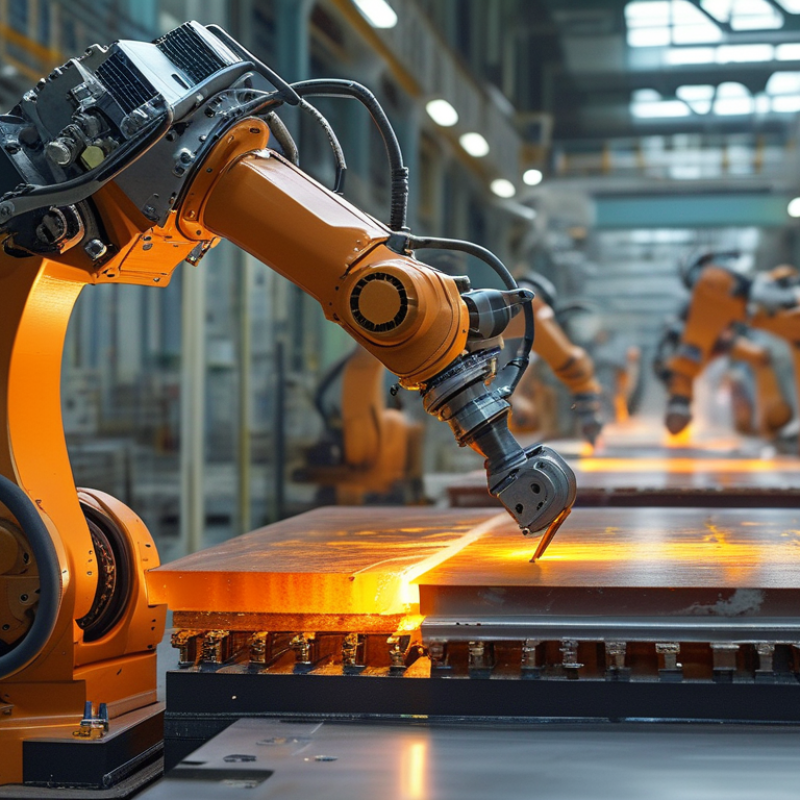
Increase Production Speed with UV Curing in 2026 Best Ways?

Understanding UV Curing Technology and Its Benefits for Production

UV curing technology offers significant advantages for production processes. This method uses ultraviolet light to instantly cure or dry materials. It's faster than traditional methods, reducing lead times. Manufacturers can achieve better efficiency in their workflows, increasing overall productivity.

The benefits of UV curing extend beyond speed. It provides stronger adhesion and higher gloss levels. The process is also more environmentally friendly, generating less waste. However, implementing this technology requires careful consideration. Not every material is suitable for UV curing, and equipment costs can be high. Many manufacturers are still figuring out these challenges.

Training staff to handle UV curing equipment is essential. Successful integration depends on understanding the technology's nuances. Some facilities might rush into implementation without proper planning, leading to setbacks. Ultimately, UV curing can transform production speed, but it demands thorough evaluation and a willingness to adapt.

Increase Production Speed with UV Curing in 2026 Best Ways? - Understanding UV Curing Technology and Its Benefits for Production

Feature Benefit Application Expected Results
Fast Curing Times Increased throughput 3D Printing, Manufacturing Up to 40% faster production
Low Energy Consumption Cost savings Coatings, Inks Reduction in energy costs by 30%
Durability Long-lasting finishes Wood, Plastics, Metals Increased product lifespan
Versatility Multiple applications Various substrates Expands production capabilities
Eco-friendly Options Reduced VOC emissions Adhesives, Coatings Compliance with environmental regulations

Key Factors to Consider When Implementing UV Curing in 2026

UV curing technology has seen significant advancements in recent years, especially as industries seek to enhance production efficiency. According to a report by Smithers Pira, the UV printing market is expected to grow by over 20% annually. This growth underscores the importance of evaluating key factors when adopting UV curing processes in 2026.

One critical aspect to consider is equipment compatibility. Not all printing systems can seamlessly integrate UV curing units. Research shows that 30% of operations face significant downtime due to improper equipment pairing. Thorough assessments of existing machinery are essential before implementation. Furthermore, operator training plays a crucial role. A recent industry survey revealed that 45% of operators feel unprepared to handle UV technologies, increasing the likelihood of errors.

Another factor is material selection. Not every substrate is suitable for UV curing. A 2022 study indicated that 25% of materials tested failed to yield optimal results. This not only affects production speed but also impacts product quality. Companies must invest time in testing various substrates to identify the right fit. While UV curing offers promising speed benefits, these challenges must be addressed for a successful implementation.

Strategies for Optimizing UV Curing Processes for Faster Production

The efficiency of UV curing processes can significantly influence production speed. Recent data indicates that optimizing UV curing can lead to a 30% reduction in overall production time. This is critical in competitive manufacturing environments. Improved curing times can lead to higher output and increased profitability.

One effective strategy involves fine-tuning the UV light intensity and exposure duration. Operators often overlook these parameters, which results in inconsistent curing. A slight adjustment in exposure time can enhance adhesion and finish quality. However, determining the perfect balance requires careful testing and monitoring. Each material type has unique properties that affect its curing response.

Another avenue for enhancement is ensuring proper equipment maintenance. Regular inspection of UV systems can prevent issues that lead to delays. Research shows that equipment downtime due to maintenance-related failures can increase production time by up to 15%. Investing in training for staff can further optimize processes. Knowledgeable employees can quickly identify and rectify issues, keeping production lines running smoothly. Addressing these areas can yield significant benefits while acknowledging that continuous improvement is necessary for sustained success.

Evaluating Equipment and Materials for Effective UV Curing Solutions

When considering UV curing solutions, equipment selection is crucial. High-intensity UV lights are common for curing but vary in effectiveness. A system that provides consistent output ensures even curing across surfaces. It’s wise to assess the energy consumption of these machines. Efficient models reduce operational costs but may lack some advanced features.

Material compatibility also plays a significant role in the curing process. Different substrates react uniquely to UV light. Proper testing can reveal how a specific material interacts with the curing process. For example, some inks may not adhere well to certain surfaces when cured. Implementing trial runs will help identify these issues before full-scale production.

Finally, maintaining equipment is vital. Regular checks can prevent breakdowns that disrupt production. Consider potential repair costs against new equipment purchases. Finding a balance is key. Reflecting on these aspects will lead to better decision-making. Continuous evaluation ensures adaptability in a fast-evolving industry.

Increase Production Speed with UV Curing: Equipment and Materials Evaluation

Future Trends in UV Curing Technology and Their Impact on Production Speed

In 2026, UV curing technology is expected to revolutionize production processes. This innovative approach enhances speed and efficiency across various industries. As businesses seek faster turnaround times, adopting UV curing becomes essential. UV systems cure materials rapidly, enabling quick production cycles.

One significant trend is the integration of automation with UV curing. Automated systems ensure consistent quality and reduce human error. Less downtime means increased output. Still, it's critical to assess equipment compatibility with existing systems. Integration may take time and training, but the rewards can be substantial.

Tips: When implementing UV curing, start with a pilot project. Monitor results and gather feedback from staff. This helps identify potential challenges early. Experimenting with different materials could also reveal unexpected advantages. Embrace the learning curve. Adaptation is key for success in a fast-paced production environment.

FAQS

: What is the benefit of optimizing UV curing processes?

: Optimizing UV curing can reduce production time by 30%, enhancing efficiency and profitability.

How can operators improve curing consistency?

Adjusting UV light intensity and exposure duration can improve curing consistency. Regular testing is crucial to find the right settings.

Why is equipment maintenance important?

Proper equipment maintenance prevents downtime, which can increase production time by 15%. Regular inspections are essential.

How does staff training affect UV curing?

Well-trained staff can quickly identify issues, keeping production running smoothly. Investing in training yields long-term benefits.

What role does equipment selection play in UV curing?

Choosing the right equipment ensures even curing across surfaces. High-intensity UV lights vary in effectiveness.

Why is material compatibility important in UV curing?

Different materials react uniquely to UV light. Testing material compatibility helps avoid adhesion issues during production.

What should be considered when maintaining equipment?

Regular checks prevent breakdowns. Balance repair costs and new purchases for optimal decisions.

How can trial runs benefit the UV curing process?

Conducting trial runs identifies potential issues early. It ensures smooth production before full-scale operations begin.

What is the challenge in finding ideal exposure times?

Finding the perfect exposure time requires careful testing and monitoring. Each material may respond differently.

Why is continuous evaluation necessary in the industry?

The industry evolves quickly. Continuous evaluation ensures adaptability to new challenges and technologies.

Conclusion

In the quest to understand how to increase production speed with UV curing, it's essential to first grasp the technology and its benefits for enhancing production efficiency. UV curing is increasingly recognized for its rapid drying and curing capabilities, which allow manufacturers to streamline processes and reduce cycle times. When implementing UV curing in 2026, key factors such as equipment selection, material compatibility, and processing conditions must be carefully considered to maximize its effectiveness.

To optimize UV curing processes for faster production, businesses should adopt strategies that include adjusting curing parameters, ensuring proper equipment calibration, and using high-quality materials that respond well to UV light. Additionally, staying informed about future trends in UV curing technology can provide insights into advancements that further elevate production speeds. Ultimately, embracing these strategies and understanding the nuances of UV curing will empower organizations to significantly enhance their production capabilities in the coming years.

Mason

Mason

Mason is a seasoned marketing professional with a deep expertise in the company's offerings and a passion for driving brand awareness. With a strong background in digital marketing strategies, he has an innate ability to connect with diverse audiences and effectively communicate product benefits.......