In today's competitive manufacturing landscape, understanding how to reduce operating costs in UV curing is vital for success. According to a recent study by TechNavio, the UV curing market is projected to grow by over 15% annually due to its efficiency and environmental benefits. Still, many companies struggle to optimize their processes and minimize expenses.
Expert John Smith, a leading figure in UV technology, emphasizes, "Reducing costs doesn't diminish quality; it enhances operational efficiency." This perspective reflects a crucial industry insight. Many organizations overlook basic adjustments that can yield significant savings. Simple modifications to curing parameters, for instance, can lead to energy cost reductions while maintaining product integrity.
Moreover, investing in the latest technologies can seem daunting. However, manufacturers can often find ways to integrate these innovations at a lower cost than previously expected. Every dollar counted in operating costs can enhance overall profitability, making this topic essential for manufacturers seeking to thrive in a fast-paced market.
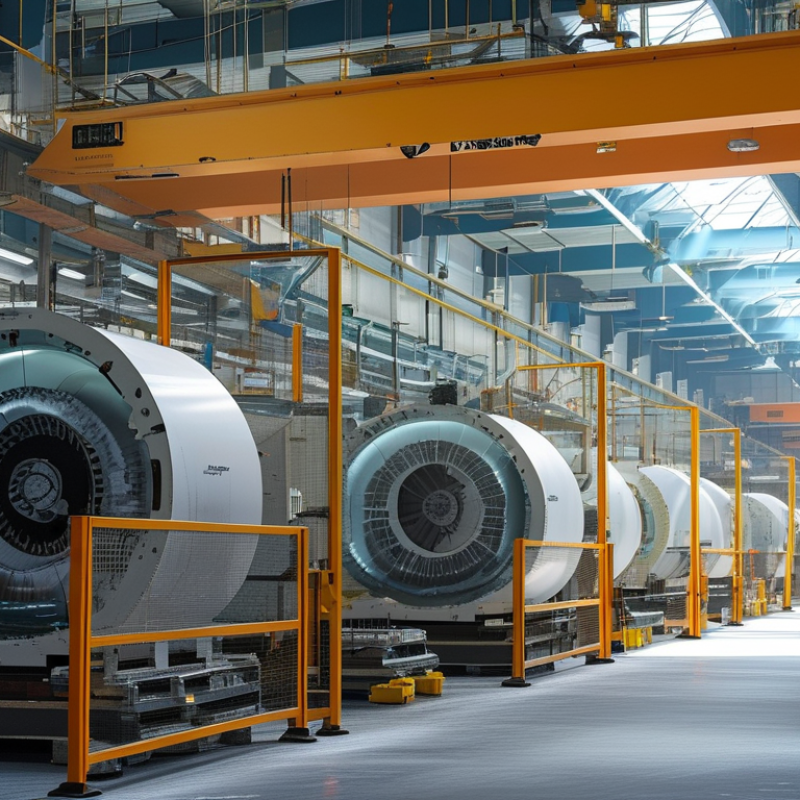
Identifying Key Components of Operating Costs in UV Curing Systems
Operating costs in UV curing systems can be significant. A major factor includes energy consumption, which typically accounts for about 30% of total operating costs. According to industry reports, optimizing energy efficiency can lead to substantial savings. The latest technologies offer advanced controls that help operators monitor and manage energy usage effectively. This could reduce costs by up to 15% annually.
Another critical component is maintenance. Regular upkeep of UV curing equipment can prevent costly downtimes. Studies indicate that firms using preventive maintenance strategies see a 20% decrease in unexpected failures. However, many businesses still overlook the importance of systematic maintenance schedules. Some might hesitate, thinking it's an added cost, but in reality, it can save both time and money in the long run.
Material waste is also a concern. UV curing generally produces less waste compared to traditional methods. Yet, improper setup can lead to unnecessary excess, raising costs. According to recent findings, companies can cut material losses by about 10% with proper training and awareness. It highlights the need for ongoing education for operators to maximize the efficiency of their UV curing systems.
Analyzing Energy Efficiency Improvements for UV Curing Processes
Energy efficiency is crucial in UV curing processes. According to a report by the U.S. Department of Energy, optimizing energy use can lead to a 30% reduction in costs. Most facilities overlook basic energy audits, which could reveal significant savings. Investing in energy-efficient equipment is essential. The upfront costs are offset by long-term savings.
Evaluating the curing process is vital. Adjusting the UV dose can reduce energy use while maintaining quality. Many companies emit excess energy, causing unnecessary waste. Adopting a closed-loop feedback system can help monitor energy consumption more effectively. This change improves overall efficiency and reduces costs over time.
Reducing maintenance downtime is another key factor. Consistent check-ups can ensure machines run smoothly. Regular maintenance can save around 15% in operational costs. Encourage staff to follow best practices. They play an essential role in identifying issues before they escalate. Engaging employees leads to a more efficient workplace, ultimately lowering expenses.
Utilizing Advanced Materials to Lower Material Costs in UV Curing
Utilizing advanced materials in UV curing can significantly lower material costs while enhancing the overall efficiency of processes. According to a recent industry report, up to 30% of expenses in UV curing can be attributed to raw materials. By adopting innovative formulations, manufacturers can reduce waste and enhance the effectiveness of curing agents. For instance, using high-performance, low-viscosity resins can improve flow and coverage, leading to reduced consumption per unit produced.
Incorporating eco-friendly materials is another crucial strategy. A study highlighted that formulations using bio-based components could decrease material costs by approximately 20%. Companies adopting these materials not only cut costs but also position themselves competitively in a market that increasingly values sustainability. However, the transition to these materials can pose challenges. It often requires adjustments in production processes and staff training.
Increasing reliance on digital solutions can further facilitate material savings. Technologies like real-time monitoring and artificial intelligence can optimize material usage and detect inefficiencies. Yet, these solutions require an initial investment and a shift in mindset. The potential for cost reduction is significant, but companies must also weigh the risks of transitioning to advanced systems.
Implementing Regular Maintenance to Extend Equipment Lifespan
Regular maintenance is pivotal for extending the lifespan of UV curing equipment. A study by the National Institute of Standards and Technology found that effective maintenance can improve equipment longevity by up to 30%. This translates to lower replacement costs and more efficient operations. Simple tasks, like cleaning optics and checking for wear, can make a significant difference. Equipment running at optimal performance saves energy and reduces waste.
Another report from the International UV Association highlights the necessity of a structured maintenance schedule. The data suggest that manufacturers who perform routine checks face fewer breakdowns. An unexpected failure can lead to downtime costs exceeding thousands of dollars per day. Consequently, implementing a structured approach helps mitigate risks associated with repairs and downtimes significantly.
While it seems efficient to delay maintenance, the benefits of regular checks are undeniable. Many businesses overlook this aspect, often leading to increased long-term costs. Investing in a preventive maintenance program might feel burdensome initially, but the overall savings on operational costs are crucial. Without proper care, the equipment might not perform at peak efficiency, impacting production and profits.
Optimizing Production Workflow to Enhance Overall Efficiency
Optimizing the production workflow in UV curing can significantly reduce operating costs. A streamlined process minimizes waste and maximizes efficiency. Start by assessing each step of the workflow. Identify bottlenecks that slow down production. Perhaps there are redundant tasks or machinery that are not performing optimally. Engaging with your team can uncover insights you might overlook.
Incorporate regular maintenance schedules for your UV curing equipment. This not only enhances performance but also extends the lifespan of your machines. Real-time monitoring can help detect issues before they escalate. Shift your focus to training staff on best practices. Skilled workers make fewer errors and operate machinery more effectively. Their expertise can lead to innovative solutions that improve overall efficiency.
However, it’s essential to remain critical of your own methods. Are you overly reliant on technology? Sometimes, simple manual adjustments can provide relief from complex issues. Foster an environment of continuous improvement. Encourage staff to suggest changes based on their daily experiences. This creates a culture of collaboration that ultimately enhances workflow efficiency.
Top 10 Ways to Reduce Operating Costs in UV Curing
Conclusion
Reducing operating costs in UV curing processes can be achieved through several strategic approaches. First, it is essential to identify the key components that contribute to these costs, such as energy consumption, material expenses, and equipment maintenance. Improving energy efficiency through upgraded technologies can significantly reduce energy bills, while utilizing advanced materials can help lower material costs without compromising quality.
Regular maintenance of UV curing equipment is also crucial, as it extends the lifespan of the machinery and minimizes costly breakdowns. Furthermore, optimizing the production workflow enhances overall efficiency, allowing for smoother operations and reduced waste. By implementing these strategies, businesses can effectively learn how to reduce operating costs in UV curing and improve their bottom line.

 LumiCure Light