UV LED technology has transformed the way materials are cured in various industries. From printing to coatings, this innovative technology provides faster and more efficient curing processes. Buyers are keenly interested in what materials can be cured with UV LED technology. Various materials stand out due to their unique properties and applications.
Understanding which materials can benefit from UV LED curing is essential for making informed purchasing decisions. Materials like adhesives, inks, and coatings have shown remarkable compatibility with this technology. Additionally, plastic and films are increasingly being cured with UV LEDs, enhancing durability and performance.
However, it is crucial to recognize that not all materials are suitable for UV LED curing. Some may require specific wavelengths or additional formulations to achieve desired results. This highlights the need for careful consideration and exploration when choosing materials for UV LED applications. As the market continues to evolve, being informed about the best options will empower buyers to make effective and reliable choices.
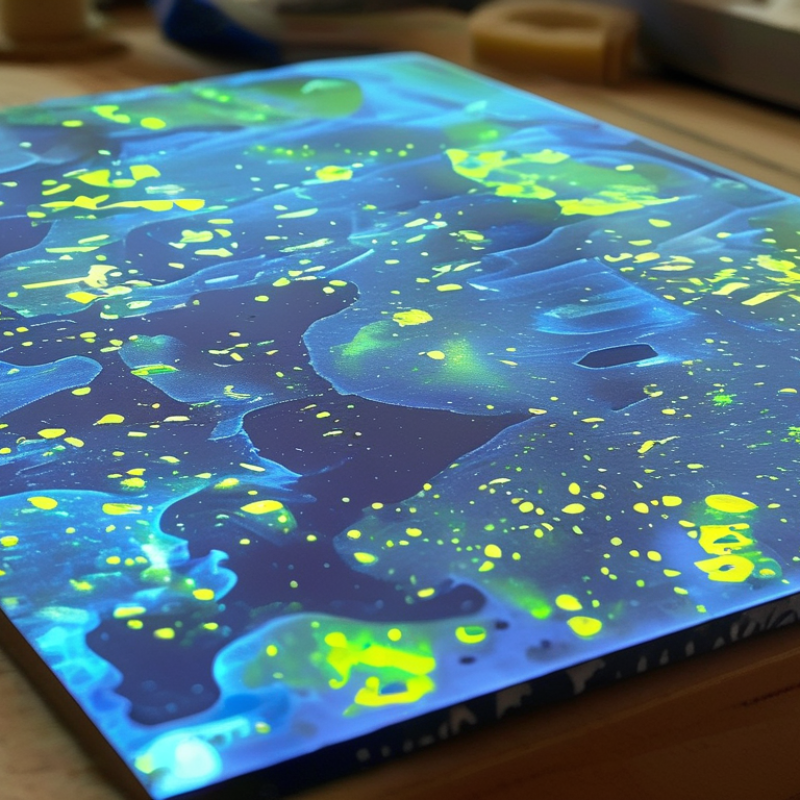
UV LED technology has become a game-changer in material curing. This method utilizes ultraviolet light to initiate chemical reactions in various materials, providing rapid and efficient curing. According to a recent industry report, the global market for UV curing technology is expected to reach $3.7 billion by 2025, showcasing its growing importance across multiple sectors.
The process involves exposing a material to UV light, leading to an immediate hardening reaction. This results in a faster production time compared to traditional methods. Reports indicate that businesses using UV LED curing can reduce processing times by over 50%. Moreover, UV LED technology offers reduced energy consumption, which aligns with today's sustainability goals. Recent studies reveal that companies can cut energy use by nearly 40% when transitioning from conventional curing methods to UV LED systems.
However, challenges do exist. One key concern is the initial investment costs for setting up UV LED curing systems. While they offer long-term savings, some companies hesitate due to upfront expenses. Another consideration is the need for specialized training. Employees must understand how to operate these systems effectively. Overall, while UV LED technology offers significant advantages, companies must weigh the initial hurdles against the long-term benefits.
| Material Type | Cure Time | Applications | Advantages |
|---|---|---|---|
| Epoxy Resins | 30-60 seconds | Coatings, Adhesives | High strength, Durability |
| Acrylates | 15-30 seconds | Inks, Sealants | Fast curing, Versatile |
| Silicone Materials | 10-20 seconds | Mold making, Pottings | Flexibility, Heat resistance |
| Polyurethane | 20-40 seconds | Coatings, Adhesives | High flexibility, Chemical resistance |
| Photochromic Materials | 5-15 seconds | Eyewear, Coatings | UV responsive, Dynamic properties |
| Filler Materials | 30-60 seconds | Composite materials | Enhanced mechanical properties |
| Thermoplastic Resins | 20-40 seconds | 3D printing, Molding | Recyclable, Lightweight |
| Bonding Agents | 30-60 seconds | Assembly, Repairs | Strong adhesion, Quick set |
| Decorative Coatings | 10-20 seconds | Interior design, Furniture | Aesthetically pleasing, Durable |
| Orthopedic Materials | 15-30 seconds | Medical applications | Biocompatibility, Precision |
: UV LED technology is primarily used for curing materials quickly and efficiently through ultraviolet light.
UV LED curing can reduce processing times by over 50%, making production much faster.
Benefits include reduced energy consumption, faster curing, and lower VOC emissions in certain materials.
Yes, initial investment costs and the need for specialized training can be significant challenges for companies.
Common materials include epoxy resin, acrylate, and polyurethane, each with unique advantages and challenges.
Higher viscosity materials may need specialized equipment for optimal curing, affecting the overall quality of the finish.
UV LED curing is most effective between 365 nm and 405 nm, influencing adhesion and cure speed.
Incompatibility can result in bonding failures, leading to costly delays and poor end products.
Yes, acrylates can have odor issues and allergenic potential, posing challenges in some applications.
Companies should weigh the initial costs, training needs, and long-term benefits of UV LED systems carefully.
UV LED technology is revolutionizing the curing process across various materials due to its efficiency and effectiveness. This technology offers distinct advantages over traditional curing methods, such as faster curing times and reduced energy consumption. When exploring what materials can be cured with UV LED technology, several options stand out, including various types of inks, coatings, adhesives, and plastics, which are particularly suited for this modern curing approach.
In addition to identifying the top materials ideal for UV LED applications, it's important to consider factors such as material compatibility, the specific application requirements, and the environmental benefits associated with UV LED curing. As the industry evolves, future trends indicate a growing spectrum of materials that can be effectively cured using UV LED technology, paving the way for innovative applications and enhanced product offerings in numerous sectors.

 LumiCure Light