How Safe Is UV LED Curing Technology?

Time:2026-09-14 Author:Aria
0%

How safe is uv led curing technology? The answer depends on exposure, equipment design, workplace habits, and the material being cured. UV LED systems can offer focused, efficient curing with less heat than many conventional lamps. However, lower heat does not mean zero risk. UV-A radiation can harm eyes and skin during repeated or unprotected exposure. The curing process may also release odors or leave reactive material on a surface.

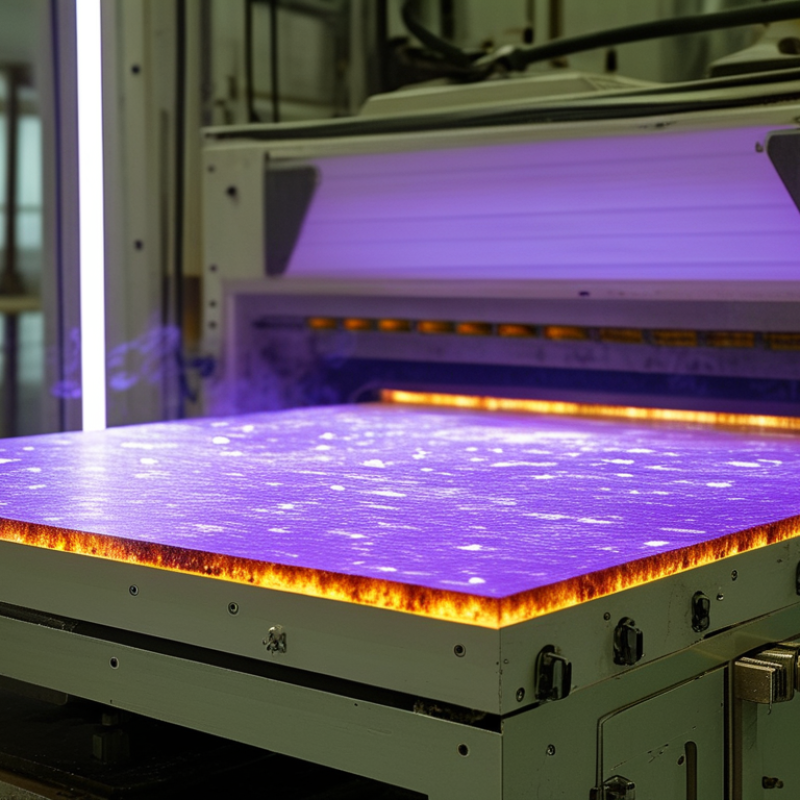
A safe assessment begins with real operating conditions. Consider a technician standing beside an open curing chamber, checking a small resin part under bright violet light. If shielding is missing, even brief exposure may become a preventable concern. Enclosed units, interlocks, protective eyewear, gloves, and clear operating procedures reduce that risk. Ventilation also matters when coatings, inks, adhesives, or resins produce vapors. Manufacturer instructions and tested exposure data should guide decisions, not appearance alone.

Evidence suggests that UV LED curing can be managed safely when controls are designed and used correctly. Yet the answer is not perfectly simple. LED intensity, wavelength, distance, curing time, maintenance, and user behavior all change the exposure profile. A damaged shield or aging lens can quietly weaken protection. That detail is easy to overlook. Reliable evaluation should combine manufacturer specifications, workplace measurements, and advice from qualified safety professionals. This article examines the technology carefully, including its practical advantages, possible hazards, and limitations. It also questions common assumptions, because “cooler” does not automatically mean “safer.”
How Safe Is UV LED Curing Technology?

What UV LED Curing Technology Is and How It Works

UV LED curing technology uses ultraviolet light to harden inks, coatings, adhesives, and resins. A semiconductor diode emits UV energy at a selected wavelength. This energy activates photoinitiators inside the material. The curing reaction then changes the liquid surface into a solid film.

Unlike thermal curing, UV LED curing transfers energy through light rather than heat. It can reduce surface heating and shorten production cycles. However, the process depends on careful calibration. Wavelength, intensity, exposure time, and working distance all affect the result. A coating may feel dry but remain soft beneath the surface. That detail is easy to miss.

How safe is it? The main risks involve ultraviolet exposure, reflected light, and uncured chemicals. Direct viewing can injure the eyes. Skin exposure also matters. The light is invisible. Shields matter. Enclosed curing chambers, interlocks, protective eyewear, and suitable gloves reduce avoidable exposure. A radiometer can verify output instead of relying on appearance. Ventilation may be needed when materials release vapors during curing. A practical weakness appears when operators trust factory settings without checking lamp aging or surface reflections. Metal tools can redirect UV light unexpectedly. Safer operation requires written procedures, equipment inspections, and training that reflects the actual workspace.

The Main Safety Risks Associated With UV LED Curing

How Safe Is UV LED Curing Technology?

The Main Safety Risks Associated With UV LED Curing

UV LED curing is generally controlled when equipment is designed and used correctly. The main hazard is ultraviolet radiation, especially from UVA wavelengths around 365 to 405 nanometres. Direct exposure can irritate skin and damage eyes over time. Reflected light also matters. Shiny metal surfaces, glass, and pale worktops can redirect radiation toward nearby operators.

Eye exposure may happen during setup, maintenance, or when a cover is removed. It can be brief but intense. Never rely on discomfort as a warning. UV exposure may not feel painful immediately. Enclosed curing chambers, interlocked doors, opaque shields, and suitable UV-rated eye protection provide stronger control. A simple visual inspection is not enough; measuring stray radiation with a calibrated UV meter gives more reliable evidence.

Chemical contact creates another practical risk. Uncured coatings, resins, and cleaning liquids may irritate skin or trigger sensitisation. Gloves should match the chemical safety data, not just the task’s appearance. Good ventilation helps control vapours, while local extraction is preferable near open curing areas. Heat, electrical faults, and poorly maintained cables also deserve attention. These risks are easy to overlook.

Small gaps matter.

A clear guard may look protective while transmitting UV. Operators can also remove shielding to speed production, creating an unsafe routine. Regular training, maintenance records, exposure checks, and honest reporting of near misses help reveal these weak points before they become injuries.

How Safe Is UV LED Curing Technology? - The Main Safety Risks Associated With UV LED Curing
Safety Dimension Relevant Facts Potential Harm Typical Risk Level Recommended Controls
UV-A and near-visible emissions Many UV LED curing systems operate mainly in the UV-A range of approximately 315–400 nm. Some curing LEDs emit around 405 nm, which is violet visible light rather than ultraviolet radiation. Unprotected exposure can affect the eyes and skin. UV-A can contribute to eye injury and long-term skin damage, even when the light does not feel hot. High during direct exposure Use opaque shielding, interlocked access panels, warning labels, and UV-rated eye and skin protection. Never look directly at operating LEDs.
Eye exposure The cornea and lens can absorb ultraviolet radiation. Short-term overexposure may cause photokeratitis or photoconjunctivitis, while repeated exposure can contribute to cumulative ocular damage. Eye pain, redness, tearing, light sensitivity, blurred vision, or a gritty sensation may occur several hours after exposure. High Enclose the curing zone, prevent line-of-sight access, use engineering interlocks, and provide safety eyewear selected for the emitted wavelength and irradiance.
Skin exposure UV radiation can produce erythema, commonly known as sunburn. Repeated ultraviolet exposure can accelerate photoaging and increase the risk of skin cancer. Redness, burning, delayed sunburn-like reactions, pigmentation changes, and cumulative skin damage. High during prolonged or repeated exposure Keep hands and arms outside the exposure area, wear tightly woven protective clothing and suitable gloves, and use shielding rather than relying only on personal protective equipment.
Direct viewing and reflected UV UV radiation may be reflected by polished metal, glass, glossy coatings, and some work surfaces. A worker does not need to stand directly in front of the LED to receive exposure. Unexpected eye or skin exposure outside the immediate curing zone. High if the work area is open Use matte, non-reflective interior surfaces where practical, install barriers around the curing area, and assess reflected paths during commissioning and maintenance.
Ozone generation Ozone is mainly generated when sufficiently energetic ultraviolet radiation below approximately 240 nm interacts with oxygen. Most UV-A LED curing systems do not normally produce significant ozone, but the actual spectrum must be verified. Ozone can irritate the eyes and respiratory system and may cause coughing, throat irritation, or breathing discomfort. Generally low for UV-A systems Check the LED emission spectrum, provide ventilation where required, and investigate any odor or respiratory symptoms instead of assuming that all UV LED systems are ozone-free.
Photobiological exposure limits Permissible exposure depends on wavelength, irradiance, exposure duration, and whether the source is viewed directly or indirectly. A single universal safe distance cannot be assigned to every curing unit. Exceeding applicable exposure limits can cause acute eye or skin injury and increase cumulative risk. Requires measurement or validated assessment Measure spectral irradiance or obtain validated manufacturer safety data. Compare results with applicable occupational photobiological exposure limits and document the assessment.
Heat and thermal contact UV LEDs are more energy-efficient than many traditional UV sources, but LED modules, heat sinks, substrates, and cured parts can still become hot during continuous operation. Contact burns, heat stress near poorly ventilated equipment, or damage to heat-sensitive materials. Medium Provide thermal management, ventilation, guarded hot surfaces, temperature monitoring where necessary, and a cool-down period before maintenance or handling.
Electrical and maintenance hazards UV LED curing equipment may contain mains voltage, high-current LED drivers, capacitors, cooling fans, and interlock circuits. Hazardous energy can remain after shutdown. Electric shock, arc flash, unexpected start-up, or injury during servicing. High during service Use qualified personnel, lockout/tagout procedures, electrical guarding, emergency-stop controls, and verification that stored energy has been discharged before opening equipment.
Photoinitiators and uncured materials UV curing systems may use resins, inks, adhesives, or coatings containing photoinitiators and other reactive chemicals. The curing light does not remove all chemical hazards automatically. Skin sensitization, dermatitis, eye irritation, inhalation exposure, or chemical burns from uncured materials. Medium to high, depending on the formulation Review the product safety data sheet, use chemical-resistant gloves and eye protection, provide ventilation, prevent skin contact, and verify adequate cure before handling finished parts.
Interlock and enclosure failure Interlocks, shields, curtains, and access doors can be bypassed, damaged, incorrectly adjusted, or defeated during troubleshooting. Unexpected direct exposure to high-intensity UV radiation. High if safeguards are defeated Test interlocks on a defined schedule, prevent unauthorized bypassing, label service modes clearly, and use a documented permit or controlled procedure for maintenance.
Worker training and procedural control Risk increases when operators misunderstand that UV radiation can be hazardous without visible brightness, heat, or immediate pain. Unintentional exposure, improper PPE selection, and unsafe troubleshooting practices. Medium Train workers on UV hazards, exposure symptoms, emergency reporting, PPE limitations, interlock operation, and safe setup and maintenance procedures.
Emergency response Eye symptoms from ultraviolet exposure may be delayed. Chemical exposure from uncured resin may occur at the same time as a UV incident. Delayed medical attention can worsen discomfort and complicate assessment of eye or skin injury. Medium Stop the source, move away from exposure, flush chemical contamination with water according to the safety data sheet, report the incident promptly, and seek medical evaluation for persistent eye or skin symptoms.
Overall safety conclusion UV LED curing can be safely used when the emission spectrum, irradiance, exposure time, equipment design, and chemical process are properly assessed and controlled. Safety depends on system design and work practices rather than on the “LED” designation alone. Manageable with controls Prioritize enclosure and interlocks, verify exposure levels, control chemicals and heat, maintain equipment, and train all operators and service personnel.
Important: Risk levels in this table are qualitative. Actual safety performance depends on the specific wavelength, optical power, irradiance, exposure duration, distance, beam geometry, enclosure design, and chemical formulation. A competent safety professional should verify the installation against applicable local regulations and occupational exposure standards.

How UV LED Exposure Can Affect Skin and Eyes

How Safe Is UV LED Curing Technology?

How UV LED Exposure Can Affect Skin and Eyes

UV LED curing systems usually emit UVA wavelengths between 315 and 400 nanometres. Some devices also operate near 405 nanometres, which is visible violet light rather than ultraviolet radiation. The distinction matters, but neither wavelength should be viewed directly. The International Commission on Non-Ionizing Radiation Protection sets an effective ultraviolet exposure limit of 30 J/m² over eight hours, weighted for biological harm. This limit is not a personal safety guarantee. It depends on distance, exposure time, reflection, and wavelength.

Skin exposure may cause redness, dryness, or long-term photoaging. Repeated occupational exposure deserves attention, even when each curing cycle feels brief. The International Agency for Research on Cancer classifies ultraviolet radiation as carcinogenic to humans, although this classification does not prove that every UV LED process creates the same risk as sunlight. Hands placed close to an open curing area can receive concentrated light, especially through glossy metal surfaces.

Eyes are less forgiving. The ACGIH Threshold Limit Values and the IEC 62471 photobiological safety standard assess ultraviolet and visible optical radiation by measured dose, not by appearance. A bright source can be hazardous without feeling hot. Short, intense exposure may irritate the cornea, while repeated UVA exposure raises concern about chronic eye damage. Do not rely on tinted glasses alone. Use enclosed equipment, interlocks, shielding, and verified protective eyewear rated for the device’s wavelength. “Low heat” is not a safety assessment. Small gaps and reflections are easy to overlook.

Safety Standards, Protective Measures, and Workplace Controls

UV LED curing is controlled exposure, not automatically harmless exposure. The main concerns are ultraviolet radiation reaching unprotected eyes and skin, especially during setup, testing, or maintenance.

IEC 62471 classifies photobiological risk by measured spectral irradiance and exposure duration. Its framework does not permit a simple “safe” label. The ICNIRP Guidelines on Limits of Exposure to Ultraviolet Radiation use wavelength-weighted limits, so a 365 nm source needs different assessment from a visible violet source. Measurements should be taken at the operator’s actual eye and hand positions. A 2023 report from the U.S. National Institute for Occupational Safety and Health also emphasizes engineering controls before relying on personal protective equipment.

Effective controls begin with a closed curing chamber, opaque shielding, and interlocked access doors. Interlocks should stop emission when a panel opens. They should also be tested during scheduled maintenance. Warning signs must remain visible near access points.

UV-rated face protection, gloves, long sleeves, and task-specific eyewear add another barrier. Ordinary clear safety glasses may not provide adequate UV protection.

Training should cover reflected radiation, damaged shields, and unusual exposure paths. Workers need written inspection records and clear reporting procedures. A calibrated radiometer can reveal aging LEDs or unexpected leakage. Standards are helpful, but they do not replace judgment. In practice, rushed maintenance creates the largest weakness. A checklist can be signed while the real hazard remains unmeasured. Organizations should review controls after every equipment change, near miss, or process adjustment.

Factors That Determine the Overall Safety of UV LED Curing

How Safe Is UV LED Curing Technology?

UV LED curing can be safe when its exposure risks are controlled. The main factors include wavelength, irradiance, exposure time, and working distance. Many systems emit UVA between 365 and 405 nanometers. This radiation can harm eyes and skin, even when the light appears weak. A brief glance may feel harmless. It is not a reliable safety test.

Effective shielding should block direct and reflected UV light. Enclosures need secure panels, viewing windows, and interlocks that stop emission when opened. Operators should wear UV-rated eye protection and cover exposed skin. Ventilation also matters because some curing materials release vapors during processing. Read the current safety data sheet, not an old copy. Materials, lamps, and production speeds can change.

Temperature and electrical hazards deserve attention too. Measure irradiance with a calibrated radiometer at the operator’s position. Check it again after maintenance. Dust, damaged seals, or a shifted lamp can alter exposure levels. In practical inspections, a clean enclosure can still hide a failed interlock. That mistake is easy to miss. Training should include emergency shutdowns, inspection records, and clear access limits. A qualified safety professional should review unusual installations or repeated exposure concerns. Even careful teams sometimes rely on habit instead of measurements, which is where safety controls begin to weaken.

FAQS

What is UV LED curing technology?

It uses ultraviolet light to harden inks, coatings, adhesives, and resins. A semiconductor diode activates photoinitiators inside the material.

How does UV LED curing differ from thermal curing?

UV LED curing transfers energy through light instead of heat. It can reduce surface heating and shorten production cycles.

Why might a cured surface remain soft?

The surface may feel dry while the lower layer remains soft. Wavelength, intensity, exposure time, and distance may need adjustment.

What are the main safety risks?

The main risks include ultraviolet exposure, reflected light, uncured chemicals, vapors, heat, and electrical hazards. Brightness is not a safety test.

How can workers protect their eyes and skin?

Use enclosed equipment, interlocks, shielding, UV-rated eyewear, and suitable gloves. Cover exposed skin. Do not look directly at the light.

Can reflected UV light cause problems?

Yes. Glossy metal tools can redirect UV light toward workers. Small gaps and shiny surfaces are easy to overlook.

How should UV LED equipment be checked?

Measure irradiance with a calibrated radiometer at the operator’s position. Inspect shields, seals, lamp alignment, and interlocks regularly.

Is ventilation necessary during curing?

Ventilation may be needed when materials release vapors. Check the current safety data sheet before changing production conditions.

Can factory settings guarantee safe operation?

No. Lamp aging, dust, reflections, and changed working distances can alter exposure. Factory settings are only a starting point.

What should training include?

Training should cover emergency shutdowns, inspection records, access limits, protective equipment, and real workplace conditions. Habits can hide weaknesses.

Conclusion

UV LED curing technology uses ultraviolet light from LED sources to rapidly harden inks, coatings, adhesives, and other materials. Its efficiency, low heat generation, and precise curing make it useful in many industrial and professional settings. However, the question “how safe is uv led curing technology” depends on how the equipment is designed, installed, operated, and maintained. The main risks involve direct or reflected UV exposure, especially to the eyes and skin, as well as possible hazards from uncured chemicals, electrical components, and poor ventilation.

Repeated or intense UV exposure may cause eye irritation, temporary vision problems, skin redness, or longer-term damage. Safety can be improved through shielding, interlocks, warning signs, controlled access, protective eyewear, gloves, suitable clothing, ventilation, and regular equipment inspections. Workplace procedures should also include training, exposure assessment, maintenance, and emergency guidance. Overall, UV LED curing can be safe when risks are evaluated carefully and protective controls are consistently followed.

Aria

Aria

Aria is a dedicated marketing professional with a deep passion for innovative strategies and a keen understanding of our company's product offerings. With a wealth of experience in the industry, Aria excels at crafting engaging content that highlights the unique features and benefits of our......