Engineered for extreme reliability, energy-saving configurations, and optimized peak irradiance profiles.
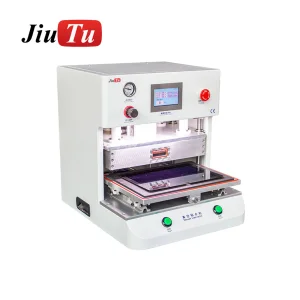
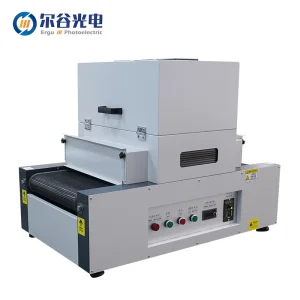
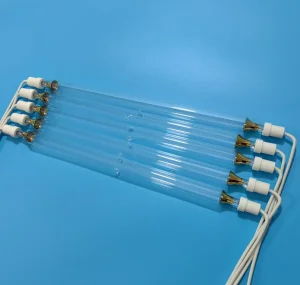
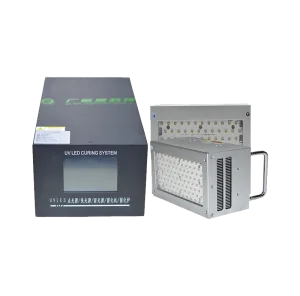
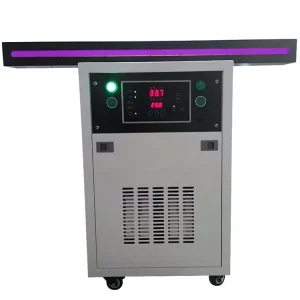
The global manufacturing ecosystem is undergoing an unprecedented shift toward automation, decarbonization, and precision engineering. At the core of this revolution is UV LED curing technology, which has rapidly replaced traditional medium-pressure mercury lamps. The transition from legacy mercury-vapor curing solutions to semiconductor-based LED systems represents a massive leap in processing efficiency, environmental compliance, and optical reliability.
Traditional curing platforms rely on broad-spectrum mercury lamps that emit significant infrared (IR) heat and hazardous ozone. This broad-spectrum discharge makes it difficult to cure heat-sensitive substrates like thin films, plastics, and precision electronic components without warping or degradation. Conversely, UV LED systems emit a narrow, targeted bandwidth (e.g., 365nm, 385nm, 395nm, or 405nm), ensuring the energy is strictly focused on triggering photoinitiators in adhesives, coatings, and inks. By eliminating thermal excess and mercury hazard, UV LED technology enables clean, precise, and fast cross-linking without compromising substrate structural integrity.
Understanding the chemistry of photoinitiators is central to optimizing UV LED curing research. When an adhesive formulation is exposed to ultraviolet light, photoinitiators absorb specific photon wavelengths, transitioning to an excited state and generating free radicals or cations. These active centers initiate rapid polymerization, converting liquid monomers and oligomers into a solid cross-linked polymer network within fractions of a second.
Because UV LEDs present monochromatic emission profiles, manufacturers must align the absorption spectra of the formulation's photoinitiators with the exact emission peak of the curing system. For instance, a formulation optimized for 395nm light might cure incompletely if exposed to a 365nm source, and vice versa. China's top research manufacturers, such as Dongguan LumiCure Light Co., Ltd., have invested heavily in testing custom wavelength configurations—including mixed-wavelength chips (e.g., 365nm + 395nm in a single array)—to overcome cure-depth and surface-tack challenges in highly pigmented or thick-film industrial coatings.
Dongguan LumiCure Light Co., Ltd. is a professional China UV LED curing lamp manufacturer specializing in the research, development, production, and supply of industrial UV curing systems and customized UV LED solutions. With a strong focus on innovation, quality, and customer satisfaction, LumiCure has become a trusted partner for manufacturers worldwide seeking efficient and reliable curing technologies.
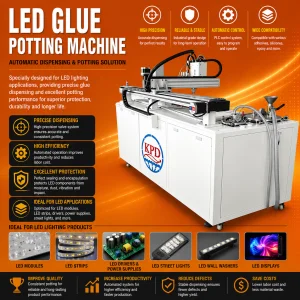
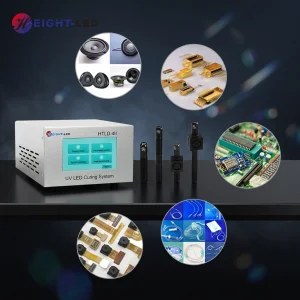
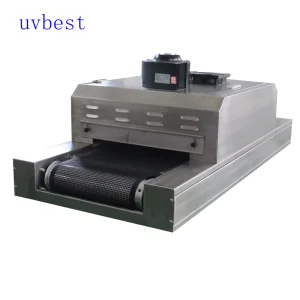
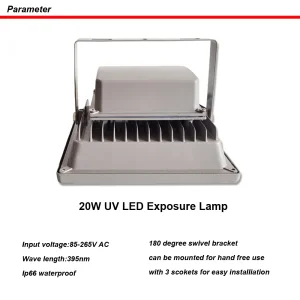
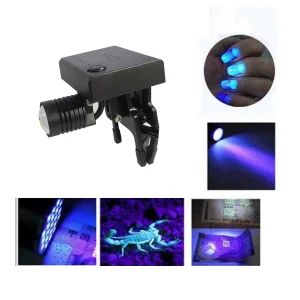
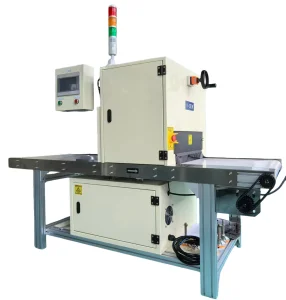
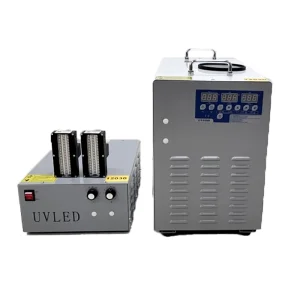
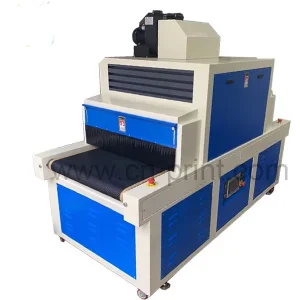
Our comprehensive product range includes UV LED curing lamps, UV LED spot curing systems, flood curing lamps, conveyor UV curing machines, UV LED modules, printing curing systems, adhesive curing equipment, and customized industrial UV solutions. These products are widely applied in printing, electronics assembly, semiconductor packaging, optical bonding, automotive manufacturing, medical devices, 3D printing, and various precision industrial processes.
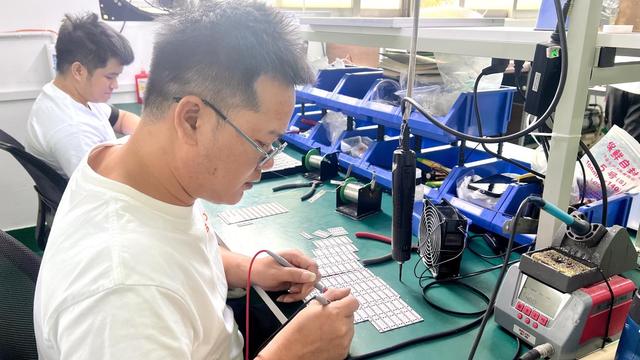
Backed by an experienced engineering team and advanced manufacturing facilities, LumiCure is committed to developing energy-saving and environmentally friendly UV curing technologies. Our products feature high curing efficiency, precise wavelength output, long service life, low maintenance requirements, and intelligent control capabilities, helping customers improve productivity while reducing operating costs.
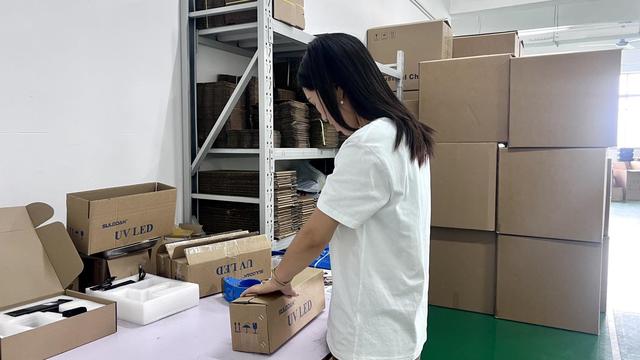
Quality remains the foundation of our business. Every product undergoes rigorous testing and strict quality control procedures throughout the manufacturing process to ensure consistent performance and reliability. We also provide comprehensive OEM and ODM services, enabling customers to customize products according to their specific technical and application requirements.
Serving clients across Europe, North America, Asia, the Middle East, and other global markets, Dongguan LumiCure Light Co., Ltd. continues to deliver innovative UV LED curing solutions that support sustainable and efficient industrial manufacturing.
Bespoke optical design, thermal simulation, and wavelength pairing to meet complex substrate requirements.
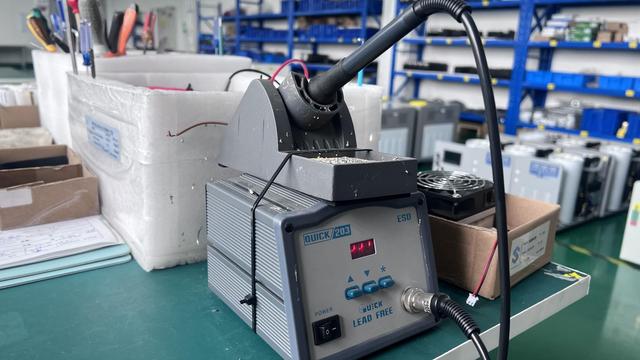
Multi-stage testing including radiometric mapping, thermal cycling, and high-temperature burn-in trials.
Seamless export logistics, localized technical support, and strict compliance with CE, FCC, and RoHS standards.
The manufacturing supremacy of China's UV LED sector, particularly within the Pearl River Delta (Dongguan and Shenzhen), is built upon robust vertical integration. Unlike fragmented supply systems elsewhere, Dongguan offers an end-to-end ecosystem that drastically reduces development lead times and unit production costs.
Our factory clusters provide direct access to raw optoelectronic components, advanced high-thermal-conductivity metal-core PCBs (MCPCBs), and specialized quartz optics. This tight spatial proximity allows companies like LumiCure to transition from a customer’s raw CAD file to a functional high-power UV curing prototype in less than two weeks. Key components of this ecosystem include:
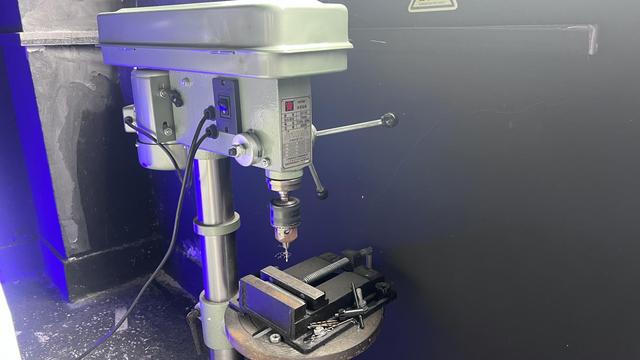
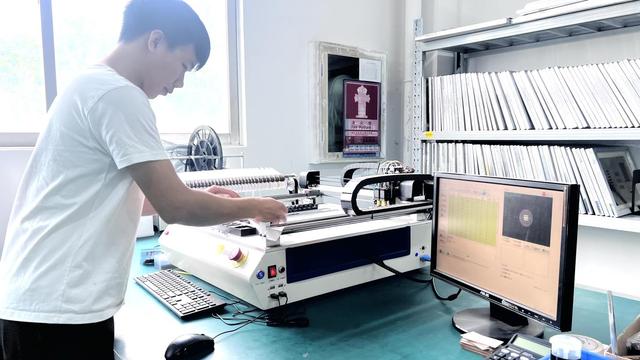
Selecting the optimal wavelength is crucial to successful UV LED implementation. Different wavelengths exhibit unique absorption and penetration characteristics, making them suitable for specific applications:
| Wavelength | Typical Penetration Depth | Primary Industrial Use Case | Critical Engineering Metric |
|---|---|---|---|
| 365 nm | Shallow (High Surface Energy) | Optical bonding, clear acrylics, medical catheters, micro-electronics | Requires quartz optics to prevent glass-attenuation; highly sensitive to outgassing. |
| 385 nm | Medium-Deep | Lamination adhesives, PCB conformal coatings, 3D printing resins | Excellent balance of surface cure and depth; optimized for standard photoinitiators. |
| 395 nm | Deep (High Penetration) | Industrial inkjet printing, flexo inks, thick wood coatings | High tolerance for pigments; mitigates shielding effects in heavy ink layers. |
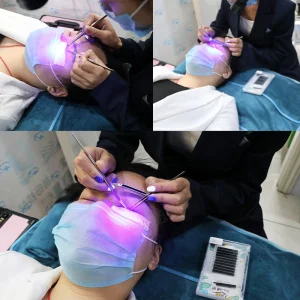
| 405 nm | Maximum Depth | Deep casting, structural metal bonding, dual-cure systems | Safe for cosmetic eyelash bonding and localized assemblies; minimal stray light hazards. |
Global procurement teams face strict regulatory landscapes when introducing industrial equipment. Ensuring compliance with CE, FCC, RoHS, and REACH is not merely a formality; it is critical for operational safety and legal verification.
LumiCure products undergo rigorous compliance evaluations. We integrate high-speed digital controllers that interface seamlessly with parent PLC systems via Modbus, EtherNet/IP, or Profinet. This connectivity allows for real-time monitoring of current, temperature, and optical output, ensuring process traceablity for automotive, aerospace, and medical device manufacturing.
Furthermore, we address the risk of global logistics disruption through our international distribution partnerships. We provide critical replacement parts, optical modules, and emergency repair kits on a next-day basis across major industrial hubs in North America and Western Europe, guaranteeing uninterrupted production schedules.
Essential insights for optoelectronic system engineers and production procurement managers.
Advanced modules, high-power systems, and lab-scale testing equipment built to international specifications.
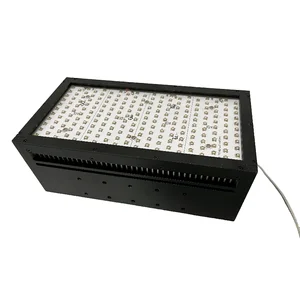
Looking ahead, the integration of intelligent diagnostics will define the next generation of UV LED curing systems. Future factories will rely on predictive maintenance models that monitor individual diode degradation and thermal efficiency in real time. This proactive approach prevents production bottlenecks and guarantees consistent curing quality in high-throughput sectors like flexible packaging, semiconductor packaging, and automotive display bonding.
As regulatory frameworks globally continue to restrict mercury usage under the Minamata Convention, migrating to energy-efficient, ozone-free UV LED solutions is essential for forward-looking enterprises. Dongguan LumiCure Light Co., Ltd. continues to drive this transition, supplying robust, highly integrated systems that combine high efficiency with outstanding reliability for demanding production environments.
 LumiCure Light