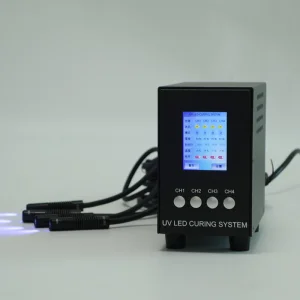
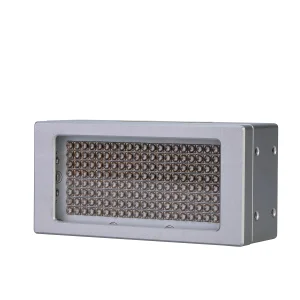
Engineered for high-intensity, stability, and extreme optical durability. Explore our standard system configurations.
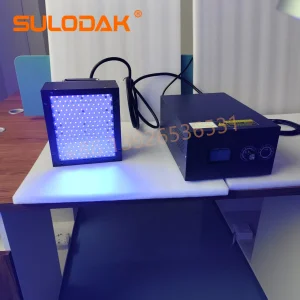
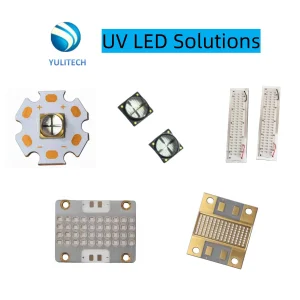
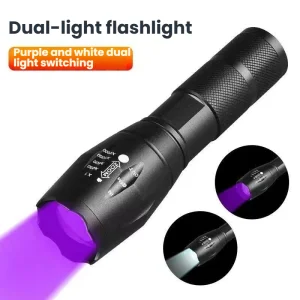
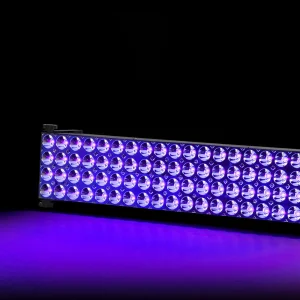
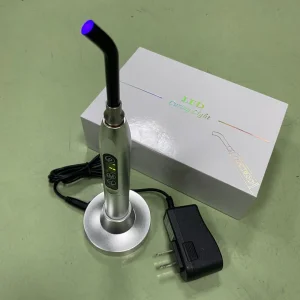
Addressing the complex technical landscape of modern UV industrial applications and thermal requirements.
Under the global Minamata Convention on Mercury, traditional gas-discharge mercury vapor lamps are being phased out in industrial workflows. Modern facilities require reliable solid-state UV LED setups that drastically reduce carbon footprints, minimize ozone output, and consume up to 70% less power. As a premier partner, Dongguan LumiCure Light Co., Ltd. addresses these demands by engineering systems that eliminate the warmup cycles and thermal distortion associated with old mercury systems.
For B2B procurement managers, the primary focus is not just purchasing a UV lamp, but investing in Quality Assurance (QA) metrics. Industrial curing demands tight tolerance bands: if optical irradiance dips by even 5% over a thousand hours, adhesives, varnishes, and screen-printing inks may fail to cross-link properly, causing product failure in downstream assembly.
When sourcing OEM or ODM UV LED equipment, performance metrics define your yield rate. Below is the technical performance paradigm used by Dongguan LumiCure's R&D department to ensure zero-defect integration.
UV photochemistry depends on matching the absorption spectrum of photoinitiators in the target resin or ink. We manufacture discrete wavelength arrays (365nm, 385nm, 395nm, and 405nm) with a spectral tolerance of ±3nm. By maintaining strict control over wavelength drift, we prevent under-curing or excessive substrate heating.
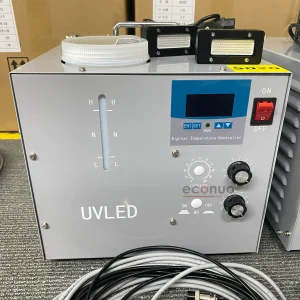
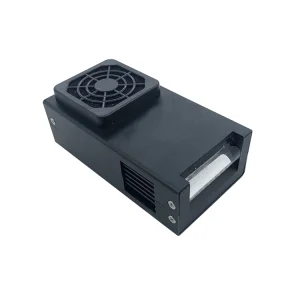
Excess heat reduces LED lifetime and induces wavelength shift. Our air-cooled systems employ high-velocity fans with copper-core heat sinks, while our water-cooled models (capable of handling up to 60KW) feature internal micro-channels with dedicated pump systems to maintain chip junction temperature ($T_j$) below 65°C.
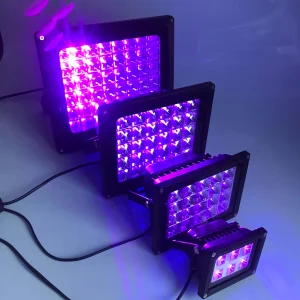
For wide-format printing and screen-printing applications, consistency across the curing window is crucial. Our custom-designed optical lenses distribute light uniformly, achieving up to 95% homogeneity across the curing path. This prevents uneven curing, banding, and structural weaknesses.
| Wavelength (nm) | Typical Irradiance (W/cm²) | Cooling Type Options | Primary Industrial Applications |
|---|---|---|---|
| 365nm | 12 - 24 W/cm² | Water-cooled / Air-cooled | OCA optical bonding, semiconductor wafer processing, medical catheter bonding. |
| 385nm | 16 - 20 W/cm² | Water-cooled / Fan-cooled | PCB solder mask drying, 3D printing resins, automotive components. |
| 395nm | 16 - 22 W/cm² | Water-cooled / High-velocity air | Flexo & inkjet label printing, wood varnishing, LCD module sealing. |
| 405nm | 10 - 18 W/cm² | Fan-cooled | Photosensitive adhesives, handwork DIY curing, localized repair coatings. |
From initial optoelectronic simulation to mass production validation under strict QA testing.
At Dongguan LumiCure Light Co., Ltd., we understand that standard off-the-shelf products cannot meet every custom industrial requirement. We offer complete OEM and ODM customization services backed by professional optical, thermal, electrical, and mechanical design teams. Whether you need a specific wavelength mix, complex physical footprints, or tight PLC automation integration, we deliver custom curing solutions.
We simulate ray tracing, optical output profiles, and irradiance levels based on your cure target using professional opto-simulation software.
We execute CFD (Computational Fluid Dynamics) modeling to design water jackets or forced-air heatsinks to prevent thermal degradation of the UV LEDs.
We build working prototypes and run them through high-temperature chambers, vibration racks, and spectroradiometric verification loops.
Once validated, we ramp up production in our ISO 9001-certified factory, ensuring compliance with global certifications (CE, FCC, RoHS).
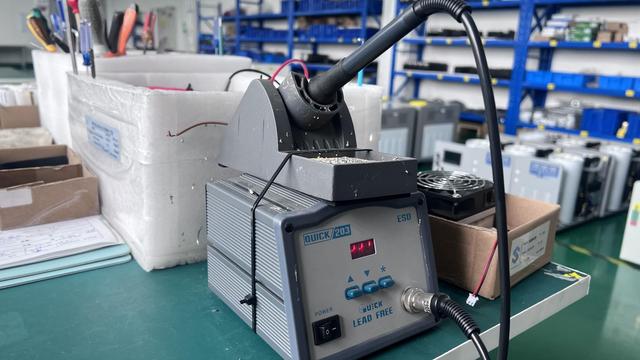
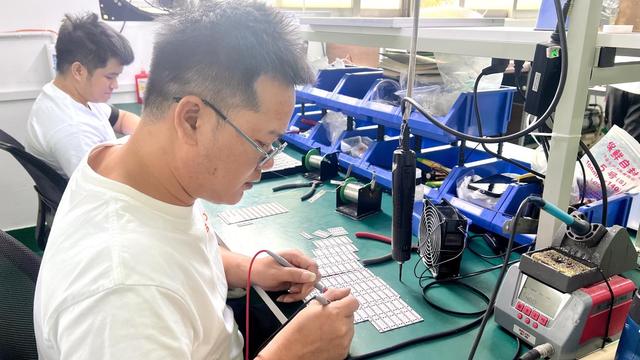
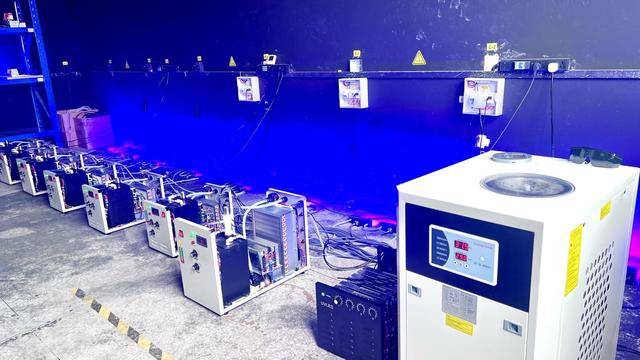
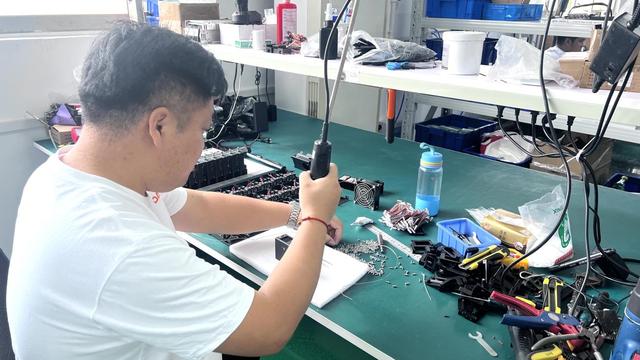
A visual walkthrough of our professional R&D, assembly lines, and high-intensity quality check units.
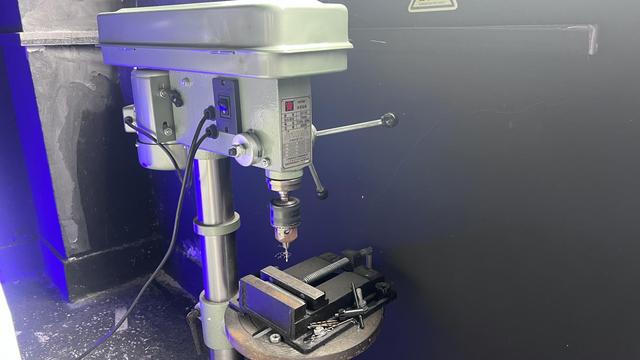
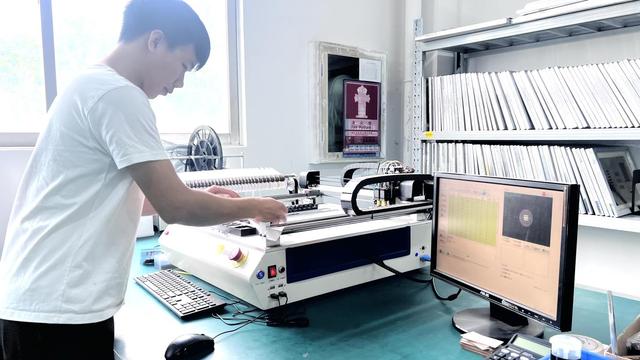
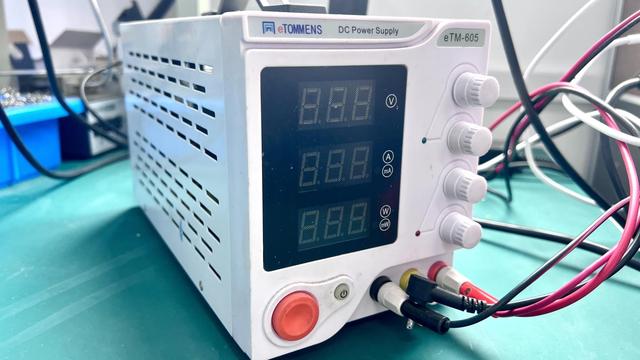
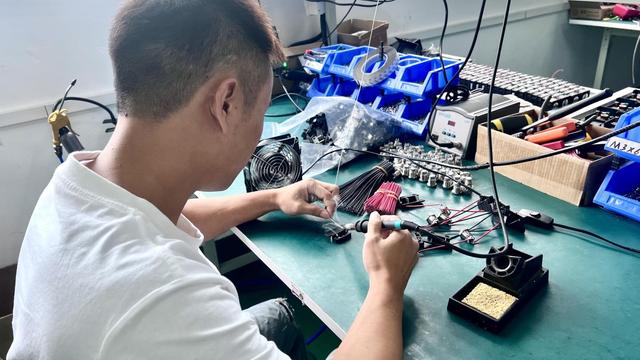
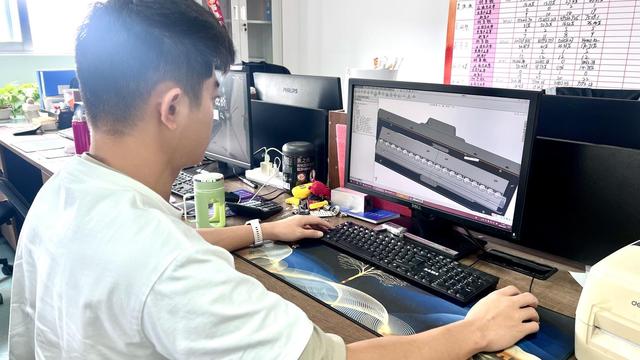
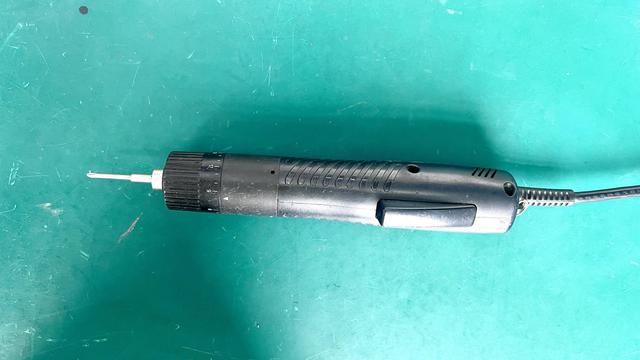
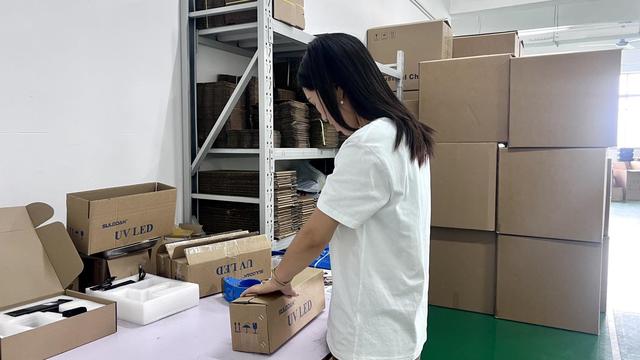
Ensuring compliance, fast delivery, and on-site alignment for international enterprises.
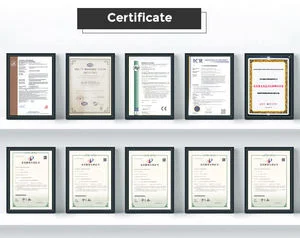
Operating from our base in Dongguan, the hardware capital of China, Dongguan LumiCure Light Co., Ltd. has established robust logistical pipelines serving Europe, North America, Southeast Asia, and the Middle East. We ensure that our systems meet global standards including CE, RoHS, FCC, and strict electromagnetic interference (EMI) restrictions to integrate into high-precision cleanrooms and printing facilities without causing sensor errors.
We provide localized engineering support through remote consultation, 3D CAD step-file exchanges, and field troubleshooting documentation. Our technical teams assist your engineers with mounting brackets, control protocols (Modbus, analog 0-10V, RS485), and safety interlocks to prevent unauthorized optical exposure, keeping operators safe in compliance with international guidelines.
Technical answers to common questions about industrial UV LED systems.
Explore our targeted OEM/ODM lineup for heavy industrial assembly, optical bonding, and sanitization.
 LumiCure Light