Pioneering standard and custom-engineered ultraviolet light systems optimized for advanced curing, printing, and sanitization applications.
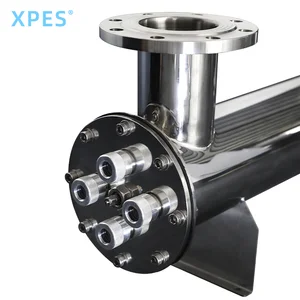
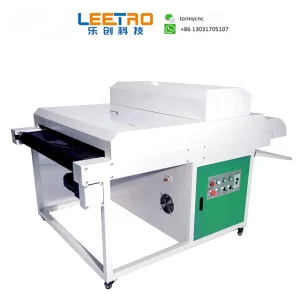
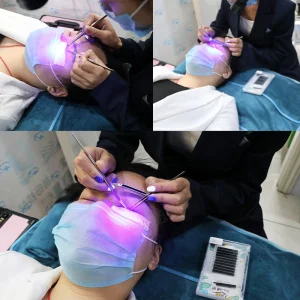
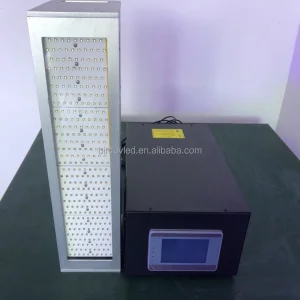
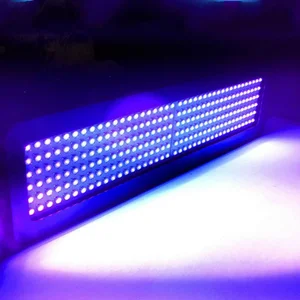
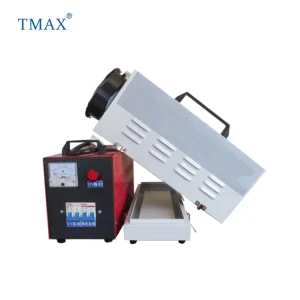
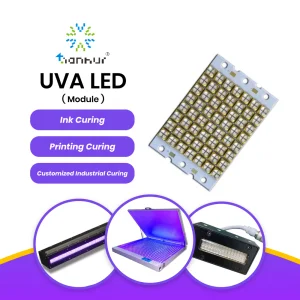
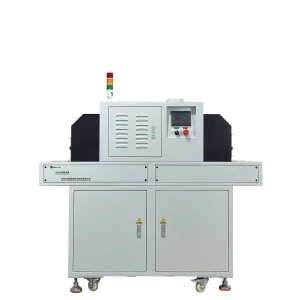
An executive-level overview of the rapid transition from traditional mercury vapor lamps to advanced solid-state UV LED systems across global manufacturing corridors.
Industrial UV curing is experiencing a paradigm shift. For decades, manufacturers relied on broad-spectrum gas discharge lamps. However, strict environmental mandates (such as the Minamata Convention on Mercury), rising electricity costs, and the need for precision thermal control have established UV LED as the default technology choice. By concentrating optical power within narrow bandwidths (typically ±5nm), UV LED modules transfer optical energy directly into the photoinitiator absorption bands of inks, adhesives, and coatings. This targeted energy transfer minimizes waste heat, prevents thermal distortion of sensitive substrates (like plastics or thin films), and significantly drives down operational overhead.
Many procurement managers make the mistake of comparing machines solely based on electrical wattage (e.g., 320W vs. 1400W). Real technical authority relies on measuring spectral irradiance at the substrate surface (expressed in W/cm²) and cumulative energy density (J/cm²). Top-tier manufacturers utilize precision-engineered optical lenses and thermal management systems to ensure that peak irradiance remains stable across the entire lifetime of the LED chip array.
Mapping out the evolution of semiconductor technologies from long-wave UVA down to deep ultraviolet UVC sterilization wavelengths.
High optical irradiance arrays integrated with micro-lens arrays. Primarily used for high-speed flexographic printing, automotive structural bonding, and semiconductor packaging tape release.
Advancements in AlGaN (Aluminum Gallium Nitride) semiconductor material growth, optimizing photon extraction efficiency for targeted biomedical devices and horticultural light recipes.
Direct substitution of mercury lamps in high-flow municipal water treatment and medical-grade air disinfection. Focus on increasing Wall-Plug Efficiency (WPE) from 5% to over 15% through nanostructured substrate designs.
Key operational capabilities, quality control matrices, and technical benchmarks utilized by global procurement engineers to qualify reliable suppliers.
Leading factories ensure rigorous chip sorting (binning) processes to maintain uniformity in peak wavelength output and forward voltage variations across the array. This prevents localized curing failure.
Over 75% of input electrical energy in UV LEDs is converted to thermal energy. Factories must utilize high thermal conductivity copper core PCBs (MCPCBs) or liquid-cooling mechanisms to guarantee structural integrity.
In-house Chip-on-Board (COB) packaging minimizes thermal resistance between the junction and the heat sink. Factories offering COB customization can tailor the irradiation width and length to match specific lines.
Dongguan LumiCure Light Co., Ltd. is a professional China UV LED curing lamp manufacturer specializing in the research, development, production, and supply of industrial UV curing systems and customized UV LED solutions. With a strong focus on innovation, quality, and customer satisfaction, LumiCure has become a trusted partner for manufacturers worldwide seeking efficient and reliable curing technologies.
Backed by an experienced engineering team and advanced manufacturing facilities, LumiCure is committed to developing energy-saving and environmentally friendly UV curing technologies. Our products feature high curing efficiency, precise wavelength output, long service life, low maintenance requirements, and intelligent control capabilities, helping customers improve productivity while reducing operating costs.
Quality remains the foundation of our business. Every product undergoes rigorous testing and strict quality control procedures throughout the manufacturing process to ensure consistent performance and reliability. We also provide comprehensive OEM and ODM services, enabling customers to customize products according to their specific technical and application requirements.
Serving clients across Europe, North America, Asia, the Middle East, and other global markets, Dongguan LumiCure Light Co., Ltd. continues to deliver innovative UV LED curing solutions that support sustainable and efficient industrial manufacturing.
Deploying precision ultraviolet irradiation systems across highly demanding, automated industrial sectors.
High-power UV light exposure systems for photoresist patterning, dry-film lamination, and PCB conformal coating curing. Precise wavelength stability protects sensitive silicon architectures from thermal damage.
Integration with offset, flexographic, and digital inkjet printers. High-irradiance water-cooled UV lamp systems provide instantaneous polymerization of UV inks at production speeds exceeding 300 meters per minute.
Shadow-free curing of UV adhesives between glass, plastic, and liquid crystal layers in touchscreen displays, smartphone lens assemblies, and medical diagnostic instruments.
Mitigating risk through adherence to international electrical, mechanical, and safety certifications.
Sourcing UV LED industrial equipment from Chinese factories requires careful attention to compliance certifications. Systems must align with the target market's legal frameworks. In the United States, UL/CSA safety standards are vital for occupational safety and health (OSHA) compliance. In the European Union, CE marking—specifically covering the Low Voltage Directive (LVD) 2014/35/EU and the Electromagnetic Compatibility (EMC) Directive 2014/30/EU—is mandatory. Furthermore, factories must provide documentation confirming adherence to RoHS and REACH limits, preventing toxic substances from entering the supply chain.
Because high-output UV radiation can present eye and skin hazards, professional industrial systems must be classified under IEC 62471 (Photobiological Safety of Lamps and Lamp Systems). The standard establishes strict exposure limit values. Qualified factories should provide detailed warning labels, safety interlock mechanisms, and shielding design guidelines to protect equipment operators.
Answers to complex engineering questions regarding UV LED systems integration, maintenance, and process optimization.
Engineered for precise process automation, laboratory validation, and manual benchtop integration.
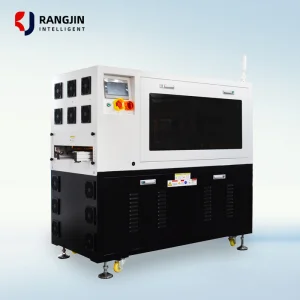
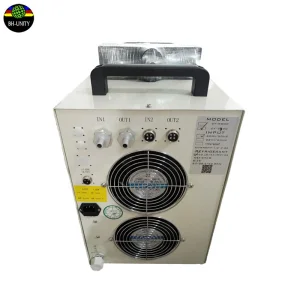
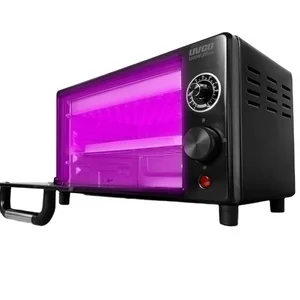
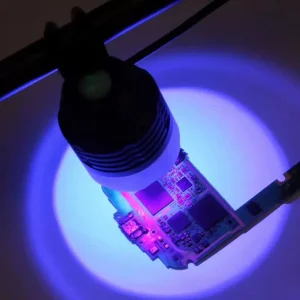
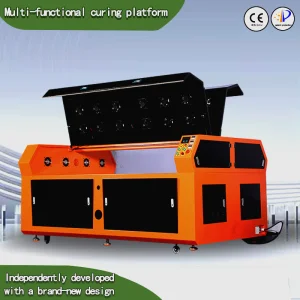
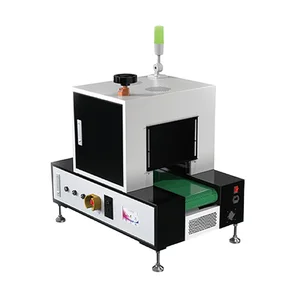
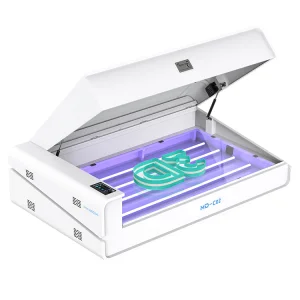
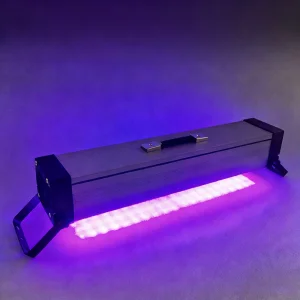
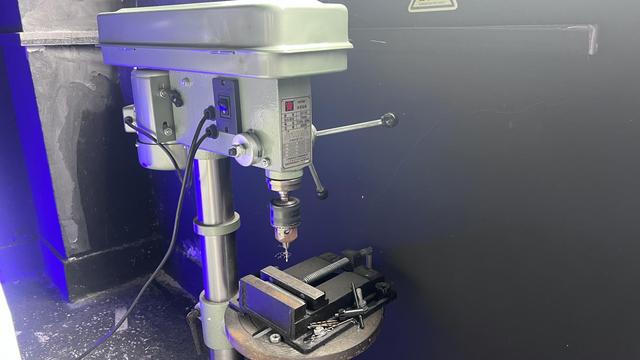
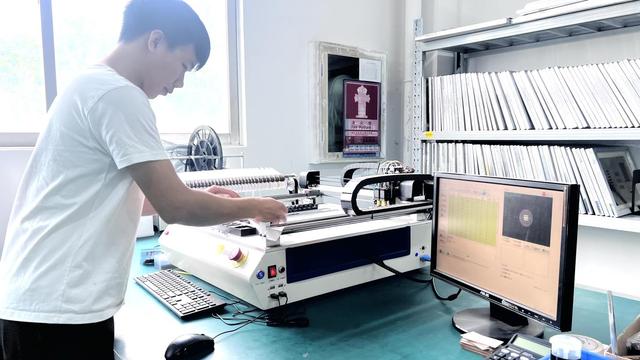
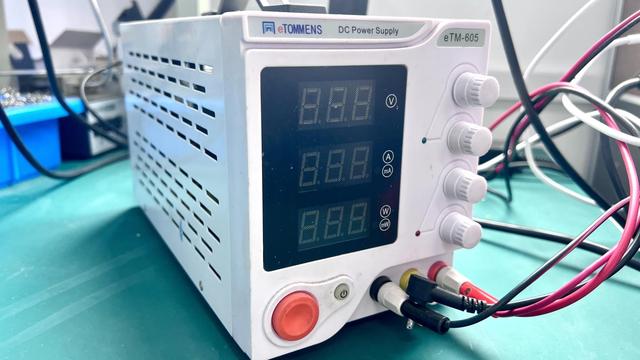
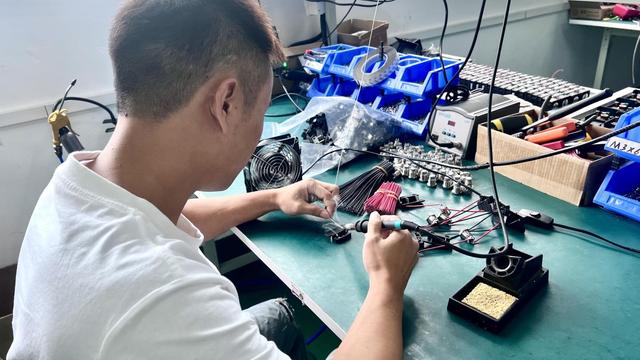
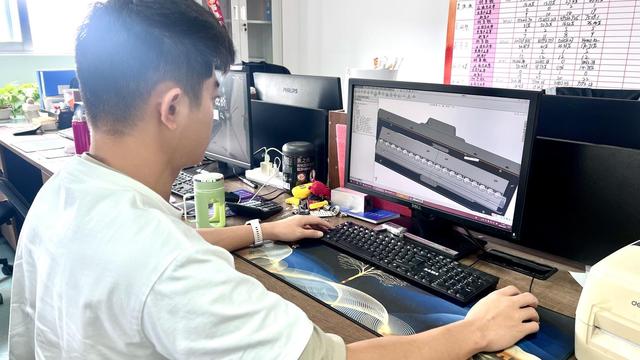
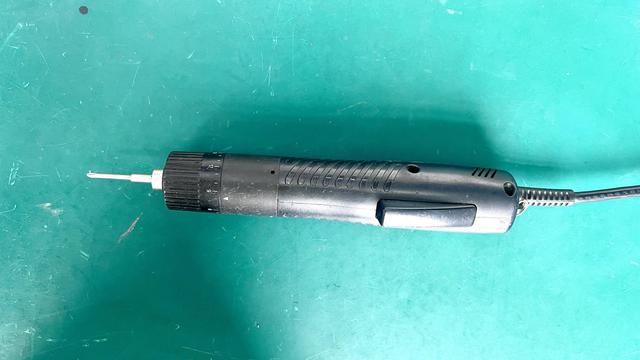
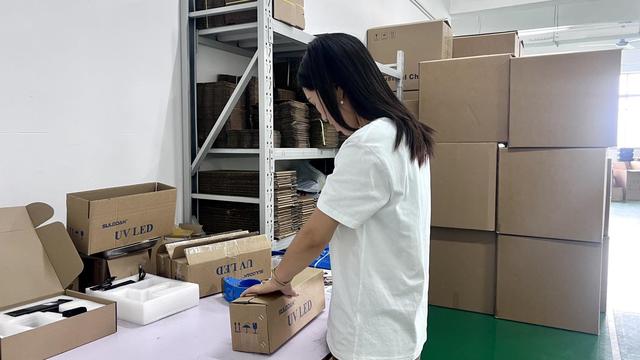
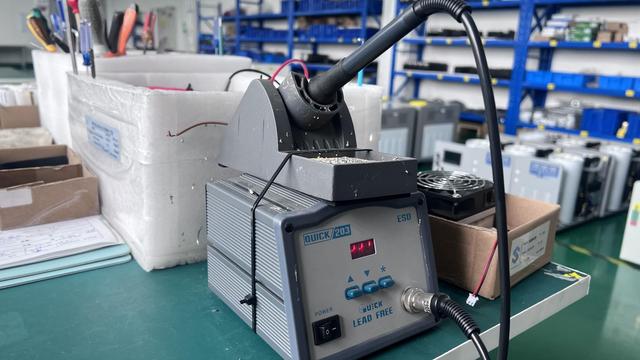
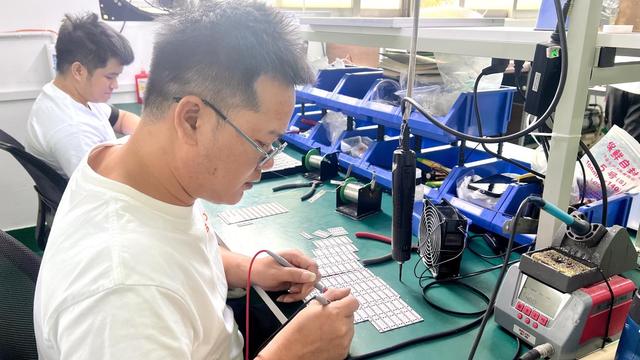
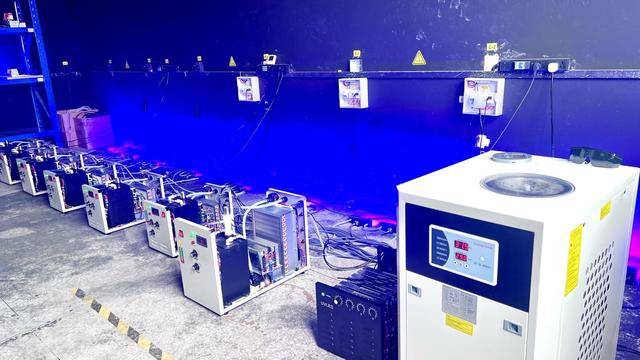
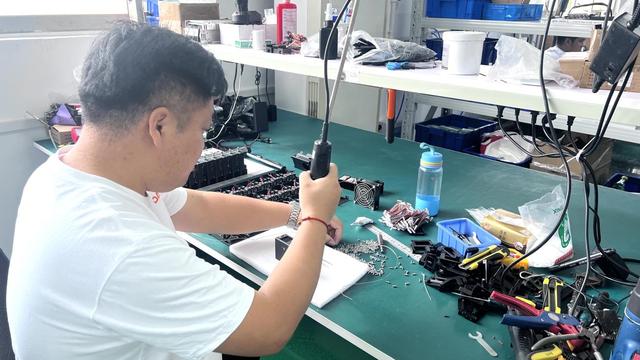
A visual overview of our industrial manufacturing setup, cleanroom facilities, assembly lines, and high-precision diagnostic devices.
 LumiCure Light