Top 10 UV LED Product Innovation Suppliers & Exporter

Driving Industrial Assembly, Precision Optoelectronics, and Digital Printing with Advanced Wavelength Engineering & Eco-Efficient Solid-State Curing Solutions.

The Paradigm Shift to High-Efficiency Industrial UV LED Curing

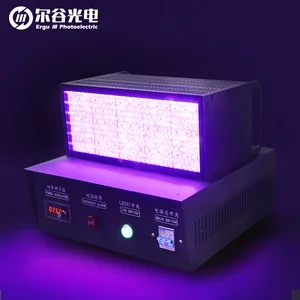
The global manufacturing landscape is undergoing a critical transition. Legacy medium-pressure mercury arc lamps, long the baseline for photochemical curing, are rapidly being phased out due to environmental mandates (Minamata Convention on Mercury), high power costs, and thermal limitations. Dongguan LumiCure Light Co., Ltd. stands at the forefront of this industrial revolution. As a pioneering China UV LED curing lamp manufacturer, we specialize in high-power, narrow-band, solid-state UV LED systems designed to replace outdated technology.

Unlike mercury vapor sources that emit a broad, uncontrolled spectrum accompanied by massive infrared (heat) output, modern UV LED systems focus radiation into targeted peak wavelengths—primarily 365nm, 385nm, 395nm, and 405nm. This precise output limits substrate heating, eliminates the generation of toxic ozone, reduces power consumption by up to 75%, and extends active service lifetimes from a mere 1,000 hours to upwards of 20,000+ hours.
20,000+
Service Lifetime (Hours)
Up to 75%
Energy Reduction
0%
Ozone / Mercury Output
Industrial UV LED Application

Global Commercial & Industrial Landscape of UV LED Curing

A detailed comparison between old-school gas discharge lamps and cutting-edge solid-state UV LED emission profiles.

Performance Indicator Legacy Mercury Vapor Lamps Innovative UV LED Systems (LumiCure) Industrial Benefit
Spectral Output Broadband (200nm - 450nm + IR) Monochromatic (Narrow Band, e.g., 395nm ± 5nm) No thermal damage to plastic/films
Energy Conversion 15% UV, 85% heat/visible light 40% to 55% direct UV electro-optical conversion Substantial utility and HVAC savings
Startup & Cycling 5–10 min warm-up / cool-down required Instant ON/OFF; Millisecond response control Increased assembly line throughput
System Lifetime 1,000 to 2,000 Hours 20,000 to 30,000 Hours (L70 lifetime) Virtually zero maintenance downtime
Environmental Safety Contains liquid Hg; creates dangerous ozone gas RoHS compliant, mercury-free, zero ozone emission Meets strict ISO 14001, OSHA guidelines
"Modern optoelectronic polymers (adhesives, encapsulants, inks) are engineered to absorb peak energy at narrow spectrum bands. Broad-spectrum light wastes over 80% of its energy as thermal radiation, often causing micro-fracturing and yellowing in sensitive electronic substrates." — LumiCure Engineering Division

UV LED Product Innovation & Design Trends

How advanced chip manufacturing, cooling mechanics, and optics shape the future of high-speed manufacturing.

1. High-Density COB Packaging
Chip-On-Board (COB) technology packs vertical-cavity UV LED chips directly onto copper/ceramic substrates, minimizing thermal resistance. This achieves optical power densities (irradiance) up to 20 W/cm² to 30 W/cm², crucial for high-speed conveyor systems.
2. Specialized Optical Lenses
Standard epoxy yellowing is a major failure point under high UV exposure. LumiCure utilizes premium Quartz Glass optical windows and micro-lens arrays. This prevents aging, optimizes collimation angles, and minimizes light leakage to achieve uniform curing.
3. Dynamic Thermal Management
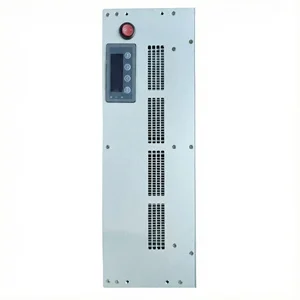
Overheating causes spectral shifting and chip degradation. Our systems utilize dual air-cooled or closed-loop water-cooling paths. Automated thermal sensors modulate power, maintaining junction temperature ($T_j$) below 65°C for continuous operation.

China Factory 4.0: Supply Chain Resilience & Manufacturing Edge

How Dongguan LumiCure Light Co., Ltd. blends highly localized manufacturing, custom engineering, and rigorous QC to support global demand.

Unmatched Component Sourcing & Scalability

Based in Dongguan, China—the global center of advanced electronics manufacturing—LumiCure leverages a world-class supply chain. We maintain direct, strategic partnerships with tier-1 LED chip and driver components suppliers. This localized ecosystem allows us to bypass international component bottlenecks, secure raw materials, and scale up assembly on demand.

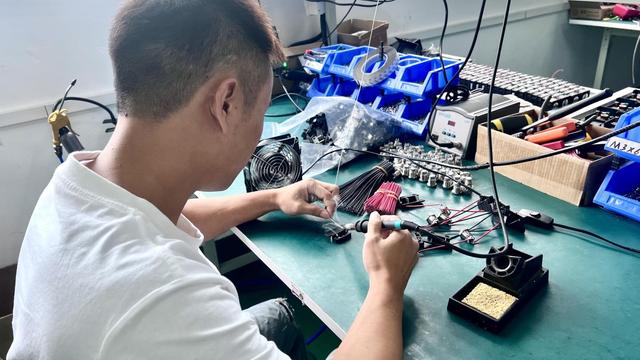
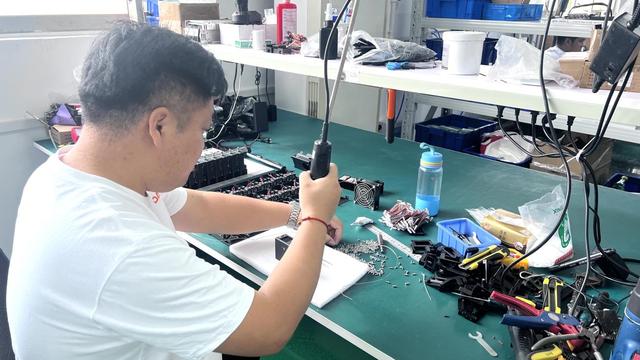
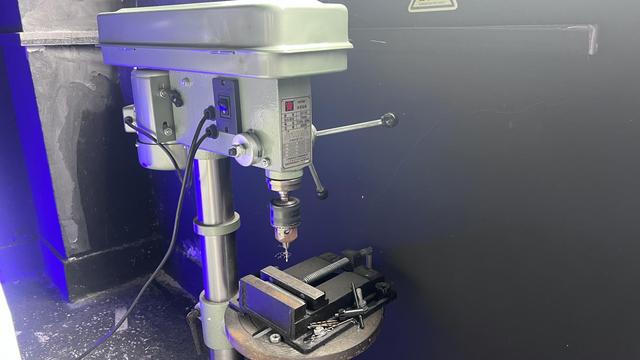
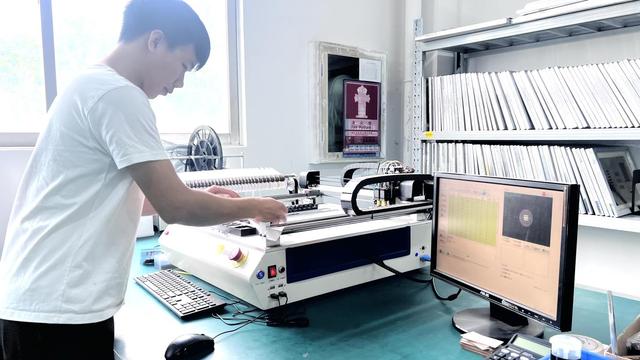
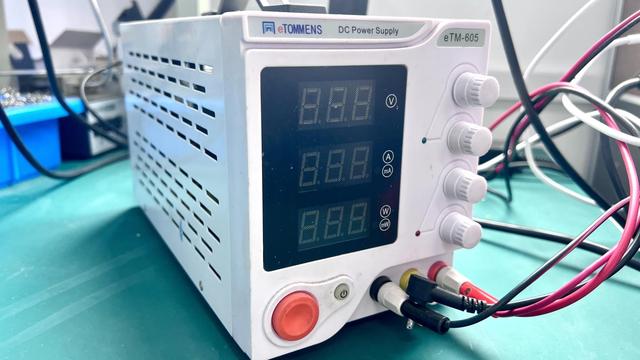
Our facility integrates advanced pick-and-place surface mount lines, CNC machining, automated testing stations, and darkrooms designed for accurate optical power profiling. This streamlined operation allows us to pass structural cost savings directly to global distributors and OEMs.

Engineered OEM & ODM Customization

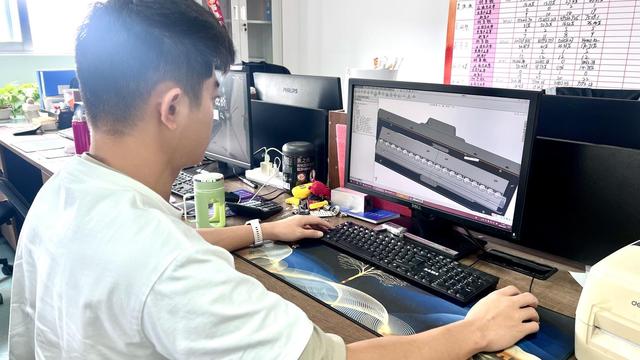
Industrial curing is rarely one-size-fits-all. Wavelength ratios, output irradiance, light emission areas, and control protocols must align with your production machinery. Our specialized engineering team works directly with clients to develop custom solutions—from specific mechanical brackets to specialized industrial PLC integration (analog, RS485, Modbus).

Every single system is run through a mandatory 72-hour continuous thermal and optical stability test. This process ensures perfect spectral profiles and guarantees that every industrial machine operates exactly to specification upon arrival.

Localized Application Scenarios

From optical micro-bonding to heavy industrial printing, our UV LED systems are built for specific manufacturing environments.

Medical Device Bonding

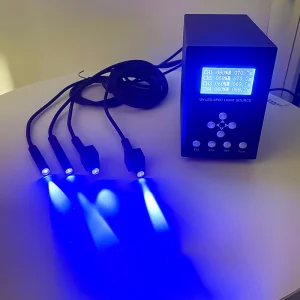
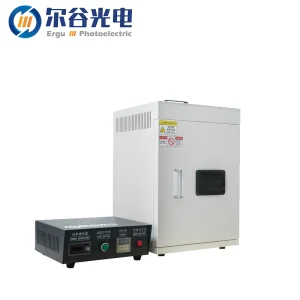
Bonding glass, plastics, and metals in catheters, syringes, and endoscopes requires low thermal emission to avoid melting delicate parts. Our air-cooled 365nm spot UV lights quickly cure medical-grade adhesives, providing secure, reliable bonds.

Optoelectronic Assembly & OCA

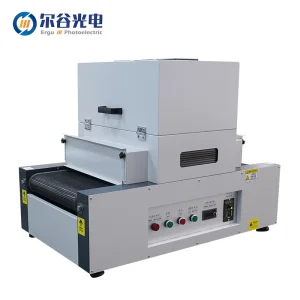
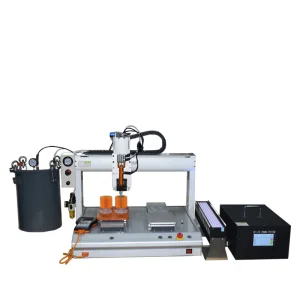
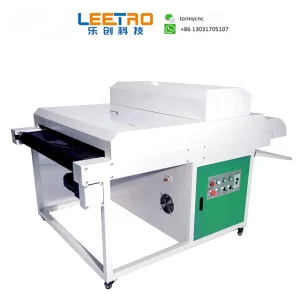
Mobile display touchscreens and optical lenses rely on OCA (Optically Clear Adhesives). Our conveyor UV systems utilize 365/385nm cold light sources, preventing bubble formation, yellowing, and optical distortion.

High-Speed Industrial Printing

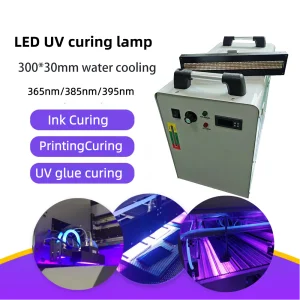
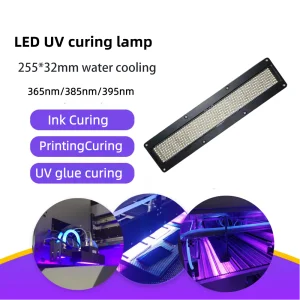
Digital inkjet, flexo, and label printing require instant curing at speeds exceeding 150 meters per minute. High-power, water-cooled 395nm UV arrays provide the energy needed to polymerize highly pigmented inks instantly.

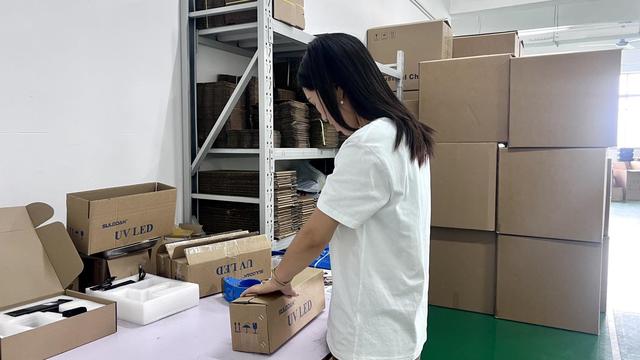
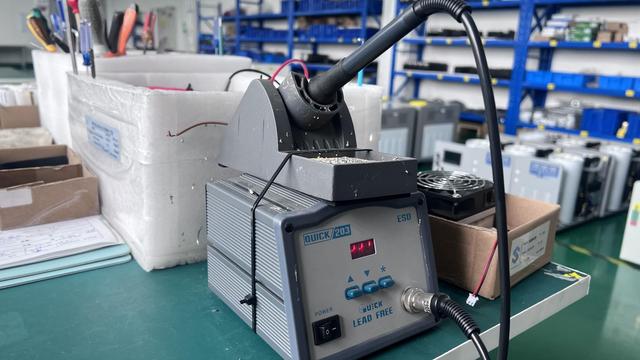
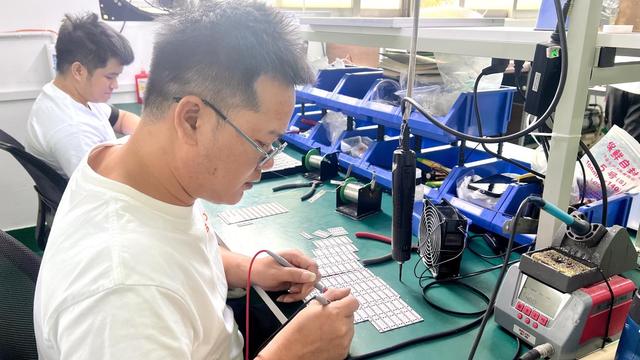
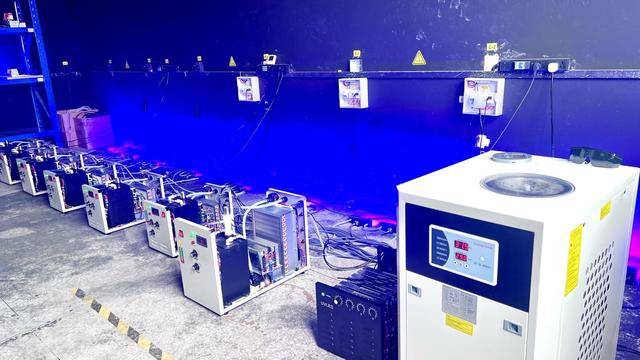
LumiCure Production & Application Gallery

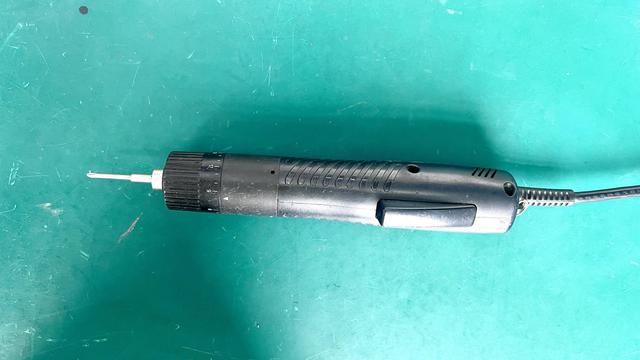
A look inside our ISO 9001:2015 certified manufacturing facility in Dongguan, highlighting our quality testing and production processes.
Industrial UV LED Curing FAQ

Detailed answers to technical questions about implementing, measuring, and optimizing UV LED curing systems.

Q1: What are the main benefits of switching from mercury lamps to UV LED curing?
The switch offers three main benefits:
  1. Zero Heat Radiation: Traditional mercury lamps emit infrared energy that can warp or melt plastic films, thin papers, or medical tubing. UV LEDs emit a narrow wavelength without infrared heat, keeping substrates cool.
  2. Energy Efficiency: UV LEDs can be turned on and off instantly, eliminating the energy-wasting idle time of mercury lamps. This can reduce total electricity consumption by up to 75%.
  3. Low Maintenance: UV LEDs operate for 20,000+ hours with stable output, avoiding the frequent replacement costs and downtime associated with mercury bulbs, which typically last only 1,000 to 2,000 hours.
Q2: How do I choose between 365nm, 385nm, 395nm, and 405nm wavelengths?
The choice depends on your chemistry's photoinitiators and application requirements:
  • 365nm: High photon energy, ideal for surface curing, optical bonding, clear coatings, and medical device adhesives.
  • 385nm: Offers a balance of surface and depth penetration, often used in clear potting compounds and electronic encapsulants.
  • 395nm: Excellent depth penetration, making it the standard for curing pigmented inks in digital inkjet, screen, and flexographic printing.
  • 405nm: Highly compatible with standard photoinitiators used in SLA/DLP 3D printers, dental resins, and jewelry modeling.
Q3: What is the difference between peak irradiance (W/cm²) and energy dose (J/cm²)?
Understanding the distinction between these two terms is crucial for consistent curing performance:
  • Peak Irradiance (W/cm²): Represents the maximum light intensity hitting the surface of the substrate. High peak irradiance is necessary to initiate the polymerization reaction and overcome oxygen inhibition.
  • Energy Dose (J/cm²): The total amount of light energy delivered over a specific period (Irradiance × Time). A sufficient dose is required to ensure the chemical reaction reaches complete depth conversion, preventing uncured residue underneath the surface.
Q4: When should I choose water cooling over air cooling for a UV LED system?
The choice is based on heat load, space, and target irradiance:
  • Air Cooling: Ideal for compact systems, spot curing, and lower irradiance applications (typically under 8-10 W/cm²). It requires less hardware, is easier to install, and reduces system footprints.
  • Water Cooling: Necessary for high-power, continuous curing setups (exceeding 12 W/cm²), such as high-speed wide-format printers and high-speed packaging lines. Water cooling efficiently transfers heat away from dense COB LED arrays, ensuring consistent light output and longer chip life.
Q5: Does oxygen inhibition affect UV LED curing, and how can it be addressed?
Yes. Oxygen inhibition occurs when atmospheric oxygen reacts with free radicals, slowing down or preventing the curing reaction at the very surface of the ink or adhesive. This can leave a tacky layer.

It can be resolved by:
  1. Increasing the peak irradiance at the surface to quickly generate free radicals, consuming the oxygen faster than it can diffuse.
  2. Selecting formulations with chemical additives designed to resist oxygen inhibition.
  3. Using a nitrogen inerting system (flushing the cure zone with nitrogen gas) to displace oxygen during high-speed printing or coating processes.