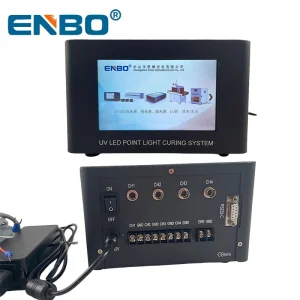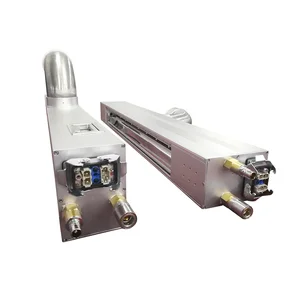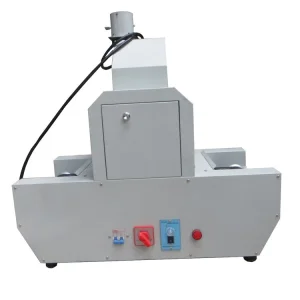
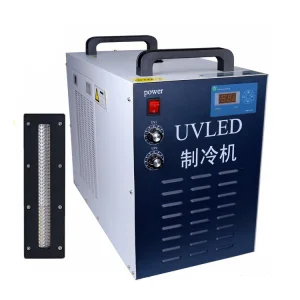
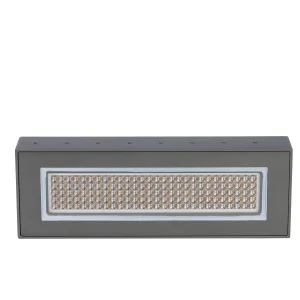
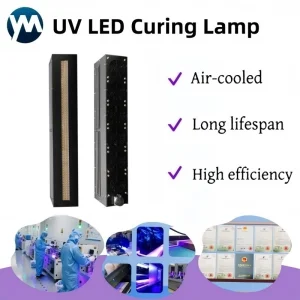
The global industrial curing sector is undergoing a profound paradigm shift. Traditional medium-pressure mercury arc lamps, long the baseline for coating and adhesive solidification, are being systematically phased out. Regulatory actions such as the Minamata Convention on Mercury, coupled with corporate sustainability mandates, have catalyzed the adoption of Solid-State UV LED technology.
Unlike gas-discharge bulbs that emit broad-spectrum infrared heat and require lengthy warm-up phases, UV LED curing systems emit monochromatic light centered at specific wavelengths (typically 365nm, 385nm, 395nm, or 405nm). This localized delivery of optical energy initiates polymer cross-linking instantly while preventing thermal deformation of heat-sensitive substrates.
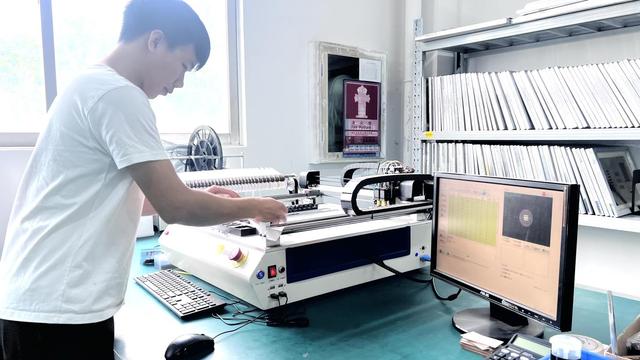
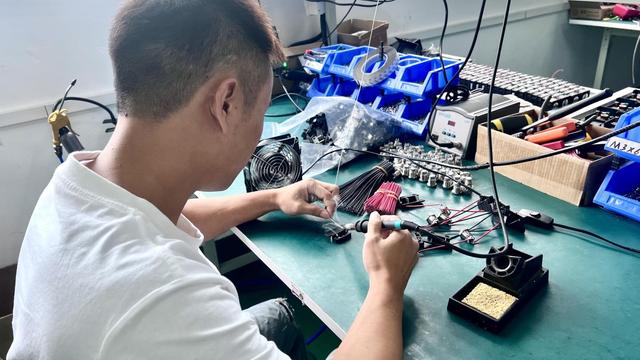
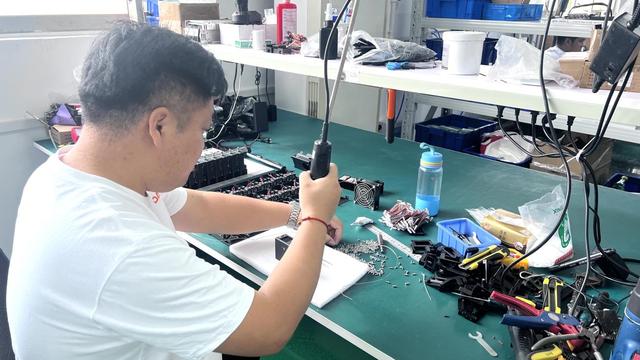
Southern China's manufacturing clusters locate LED chip packaging, metalcore PCB design, precision optical lens casting, and smart control board assembly within a 2-hour logistics radius, drastically shortening new product development cycles.
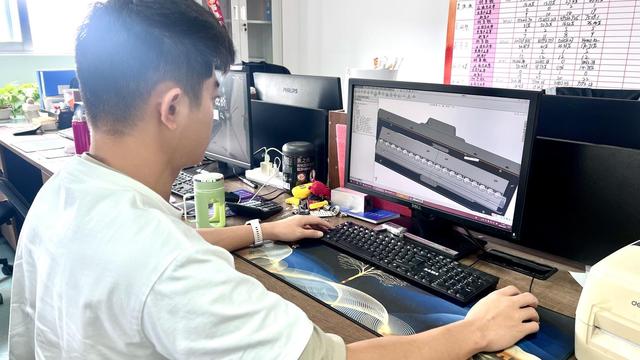
Custom water-cooled configurations or bespoke multi-wavelength arrays (e.g., mixing 365nm and 395nm) transition from CAD simulation to physically tested prototypes within 10 to 15 business days.
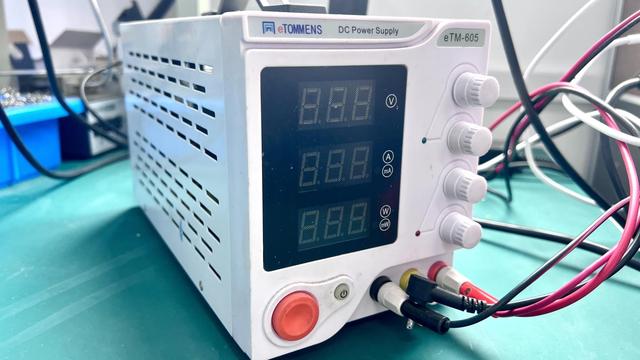
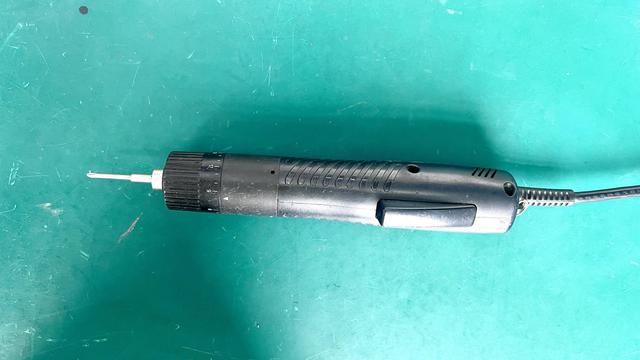
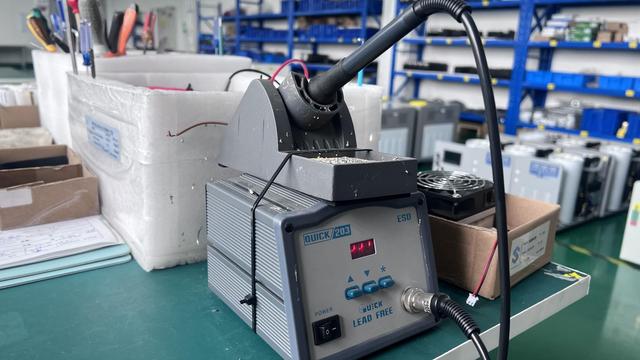
Equipped with advanced spectroradiometers and thermal imaging chambers, top tier Chinese factories perform 72-hour continuous burn-in testing under full load to guarantee optical stability and thermal dissipation efficiency.
| Evaluation Parameter | Tier 1 Chinese Manufacturers | European & American Brands | Low-cost Assembly Shops |
|---|---|---|---|
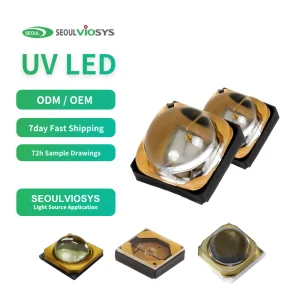
| COB Chip Packaging | Custom Japanese/US raw dies processed locally | Premium proprietary chips | Standard commercial grade chips |
| Thermal Interface Material | High thermal conductivity silver paste (≥15 W/m·K) | Premium phase-change materials | Standard silicone thermal grease |
| Irradiance Uniformity | ≥92% across exposure area | ≥95% across exposure area | <75% with high hot-spot variation |
| Average Lead Time | 3 - 4 weeks for custom orders | 8 - 12 weeks | 2 - 3 weeks (non-customized) |
Dongguan LumiCure Light Co., Ltd. is a professional China UV LED curing lamp manufacturer specializing in the research, development, production, and supply of industrial UV curing systems and customized UV LED solutions. With a strong focus on innovation, quality, and customer satisfaction, LumiCure has become a trusted partner for manufacturers worldwide seeking efficient and reliable curing technologies.
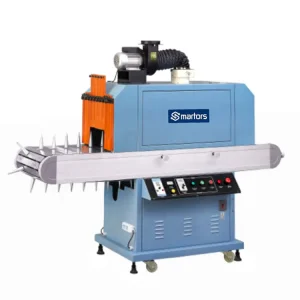
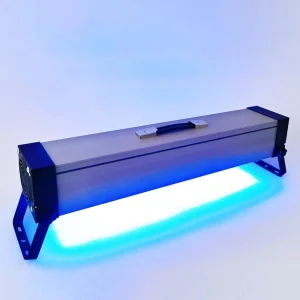
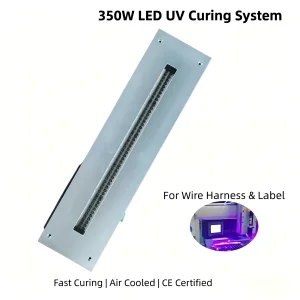
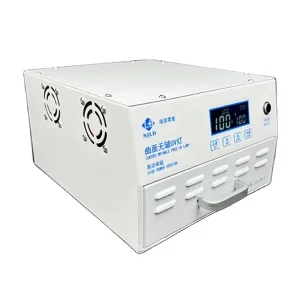
Our product range includes UV LED curing lamps, UV LED spot curing systems, flood curing lamps, conveyor UV curing machines, UV LED modules, printing curing systems, adhesive curing equipment, and customized industrial UV solutions. These products are widely applied in printing, electronics assembly, semiconductor packaging, optical bonding, automotive manufacturing, medical devices, 3D printing, and various precision industrial processes.
Backed by an experienced engineering team and advanced manufacturing facilities, LumiCure is committed to developing energy-saving and environmentally friendly UV curing technologies. Our products feature high curing efficiency, precise wavelength output, long service life, low maintenance requirements, and intelligent control capabilities, helping customers improve productivity while reducing operating costs.
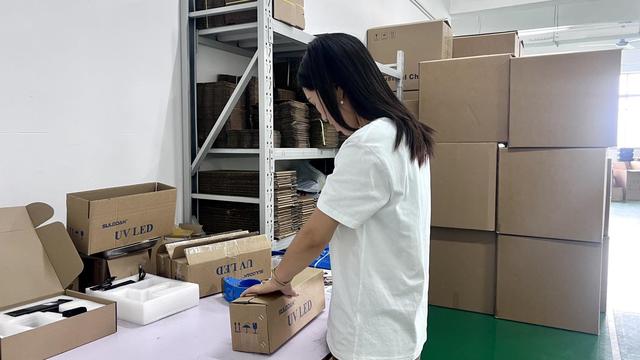
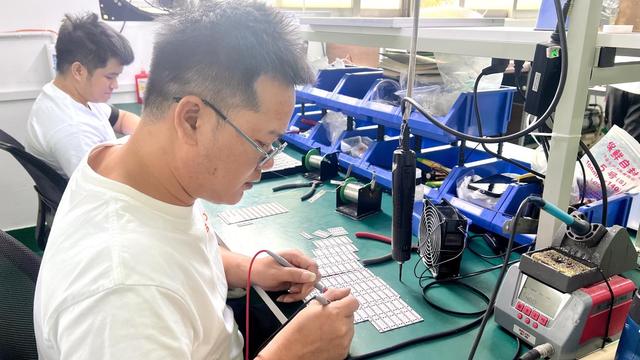
Quality remains the foundation of our business. Every product undergoes rigorous testing and strict quality control procedures throughout the manufacturing process to ensure consistent performance and reliability. We also provide comprehensive OEM and ODM services, enabling customers to customize products according to their specific technical and application requirements.
Serving clients across Europe, North America, Asia, the Middle East, and other global markets, Dongguan LumiCure Light Co., Ltd. continues to deliver innovative UV LED curing solutions that support sustainable and efficient industrial manufacturing.
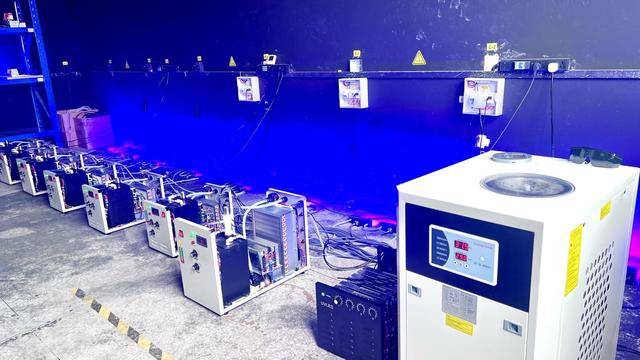
When sourcing UV LED curing equipment at an enterprise level, optical specifications must align precisely with your chemical resin supplier's recommendations. Failure to match peak irradiance and radiant energy density (dose) results in under-cured cores, tacky surfaces, and structural joint failure.
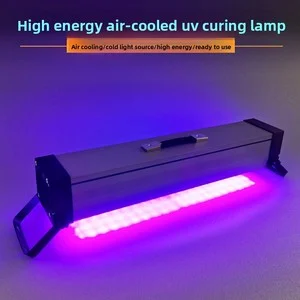
Top OEMs evaluate four key parameters: peak wavelength distribution, peak irradiance (measured in W/cm²), total energy density (J/cm²), and cooling system efficiency. Large-scale flatbed printers or fast-moving narrow-web label presses require water-cooled systems to preserve diode life and maintain stable optical output over continuous 24/7 production shifts.
By integrating different diode types (e.g. 365nm + 395nm) onto a single Chip-on-Board (COB) package, modern systems cure thick coatings and thin surface laminations simultaneously, eliminating oxygen inhibition issues.
High-end setups feature embedded UV optical sensors that continuously monitor irradiance degradation. The driver board automatically adjusts current output to maintain a constant UV dosage over thousands of operating hours.
Advanced optical collimation systems route UV rays directly onto the substrate. This minimizes stray light scatter, improves workplace safety, and concentrates irradiance for high-speed curing applications.
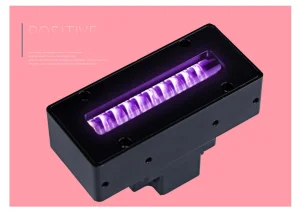
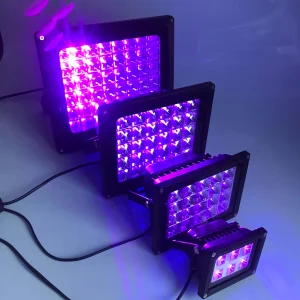
365nm is shorter and delivers higher photon energy, making it highly effective for surface curing where oxygen inhibition needs to be overcome. 395nm wavelength penetrates deeper into thick, pigmented resin coatings or composite materials but may leave a tacky surface layer if not formulated with surface-active photoinitiators. Frequently, manufacturers employ hybrid arrays to address both conditions.
Water cooling is necessary for high-intensity curing systems (>12 W/cm²) or environments with continuous high-volume output where fan vibration or noise must be prevented (e.g. flatbed scanning printers). Air cooling is more compact and easier to integrate into systems where peak power requirements are lower (<8 W/cm²), and production runs are intermittent.
The encapsulation material protects the diode from atmospheric moisture and outgassed volatiles from the resin. Quartz glass lenses offer superior transmission rates at 365nm and do not yellow or degrade under intense UV radiation, unlike cheaper optical silicones, ensuring a longer operational lifespan.
A drop-in swap is rarely possible without adjusting the chemical formulation of the resin or ink. Mercury lamps emit a broad spectrum (UVA, UVB, UVC), whereas UV LEDs only emit a narrow band (typically UVA). To ensure a complete cure, your inks or adhesives must contain photoinitiators matching the specific peak emission wavelength of your new UV LED system.
Ensure the facility uses dust-free cleanrooms for COB die mounting. Verify they have optical profiling equipment (e.g. goniophotometers) to generate beam distribution profiles. Finally, review their standard operating procedures (SOPs) for thermal management testing and current regulation calibration to avoid prematurely degraded diodes.
 LumiCure Light