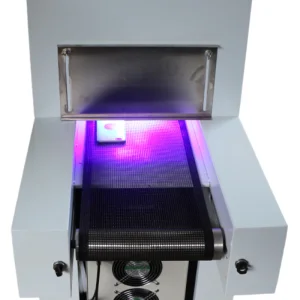
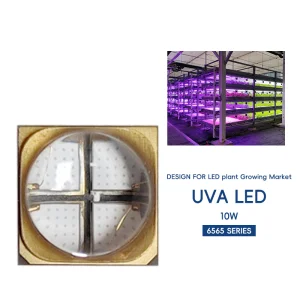
Pioneering mercury-free, high-radiance UV LED curing technologies aligned with Danish climate objectives and precision quality standards.
As Denmark cements its leadership in green industrial practices under the Climate Act (Klimaloven), Danish manufacturers are rapidly shifting away from conventional mercury vapor lamps toward eco-efficient solid-state solutions. Dongguan LumiCure Light Co., Ltd. stands at the forefront of this technological shift, providing specialized industrial-grade UV LED 3D printing curing lamps and systems that deliver unmatched efficiency, process control, and compliance for Danish innovators.
From Denmark's world-renowned hearing-aid manufacturing clusters (such as Oticon, GN Resound, and Widex) using advanced SLA/DLP 3D printing for micro-molding, to Copenhagen's emerging biotech and design centers, our engineering platforms ensure perfect resin cross-linking. By combining wavelength precision (365nm, 385nm, 395nm, to 405nm) with advanced air-cooled and liquid-cooled thermal management, LumiCure solutions achieve optimal depth of cure (DoC) and minimal thermal stress on sensitive substrates.
Engineered for high-throughput production lines and specialized industrial processes.
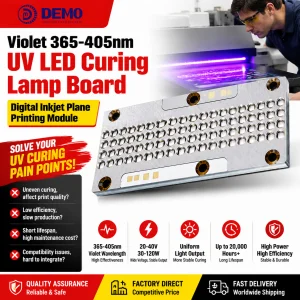
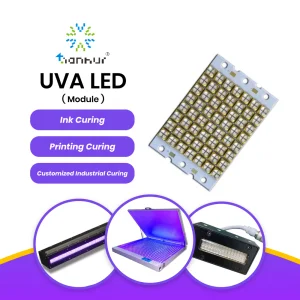
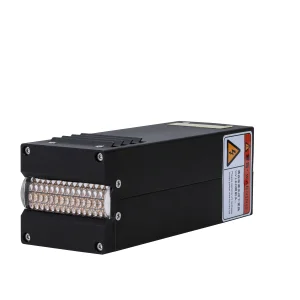
A deep dive into how LumiCure lamps maximize conversions in engineering-grade resins.
In SLA (Stereolithography), DLP (Digital Light Processing), and LCD-based additive manufacturing, post-curing is critical to ensure that printed components reach their maximum theoretical tensile strength, glass transition temperature (Tg), and dimensional stability. Green-state models typically contain unreacted monomers and photoinitiators. Our specialized lamps provide precise, narrow-spectrum light to initiate and complete this cross-linking process.
For Danish high-tech applications, our technology roadmap emphasizes optimizing spectral distribution. By utilizing multi-wavelength systems (mixing 365nm and 405nm), we address the dual requirement of surface curing and deep polymer penetration. The 365nm wavelength targets rapid surface curing, mitigating oxygen inhibition, while the 405nm wavelength penetrates deeper into filled resins, especially dental composites and micro-structured optics.
Enables customization of the spectral output to perfectly match the absorption profile of photopolymers like Formlabs, BASF, and Henkel Loctite resins widely used in Danish prototyping labs.
Delivers high irradiance density (up to 20W/cm²) with minimal spatial drop-off. The dense array layout prevents localized under-curing, which can lead to part deformation or structural failure.
Employs customized quartz lens arrays to focus or diffuse output, ensuring a highly uniform light distribution across large curing envelopes, preventing edge curing falloffs.
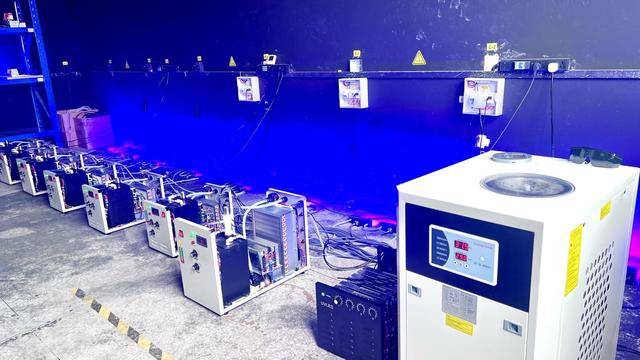
Integrated temperature feedback sensors coupled with copper core PCBs and automated PWM fan speed regulation prevent thermal damage to delicate acrylic or epoxy models.
| Wavelength (nm) | Primary Curing Application | Penetration Depth | Oxygen Inhibition Resistance | Ideal Resin Compatibility |
|---|---|---|---|---|
| 365 nm | Conformal Coatings, Surface Curing, Optical Adhesives | Low (< 1.5mm) | Very High | Clear Acrylics, Epoxy-based Resins, Standard Adhesives |
| 385 nm | Precision Dental Molds, Hearing Aid Earmolds | Medium (1.5mm - 3.0mm) | High | Biocompatible Resins, Precision DLP Polymers |
| 395 nm | High-Speed Screen Printing, PCB Photoresist Curing | High (3.0mm - 5.0mm) | Medium | Industrial Varnishes, Conductive Solder Masks |
| 405 nm | Desktop SLA/LCD 3D Printing Post-Curing, Jewelry Casting | Very High (> 5.0mm) | Low (Requires longer exposure) | Standard SLA resins, highly pigments polymers, dental modeling |
Custom UV curing modules designed to integrate with Denmark’s core high-value export industries.
Our UV LED systems are customized for several key Danish industry workflows:
Danish acoustics companies are global leaders. Our customized 385nm and 405nm UV LED ovens cure medical-grade biocompatible photopolymers, ensuring smooth surfaces and precise fit tolerances for customized hearing-aid shells.
Medical IndustryDanish dental clinics rely on 3D scanners and printers. Our compact, high-intensity 405nm curing boxes provide rapid, uniform curing for dental arches, surgical guides, and crowns, dramatically reducing processing times.
Dental LabsDanish green energy pioneers require ruggedized electronics. Our 365nm spot UV curing systems allow precision micro-bonding and encapsulation of strain gauges, wind speed sensors, and robust outdoor telematics.
Clean Energy TechHow our vertical integration in Dongguan, China delivers reliability and speed to Denmark.
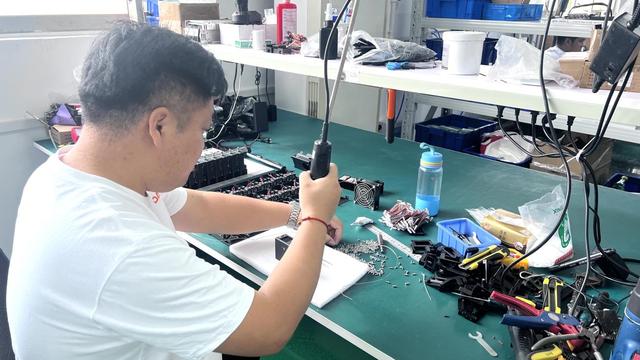
Operating out of Dongguan, the global heart of electronics manufacturing, Dongguan LumiCure Light Co., Ltd. utilizes a highly integrated supply chain. We maintain direct partnerships with leading LED chip producers, optical glass fabricators, and advanced CNC thermal plate manufacturers. This allows us to source materials quickly, build prototypes in as little as 5 to 7 days, and offer cost advantages compared to European assemblers.
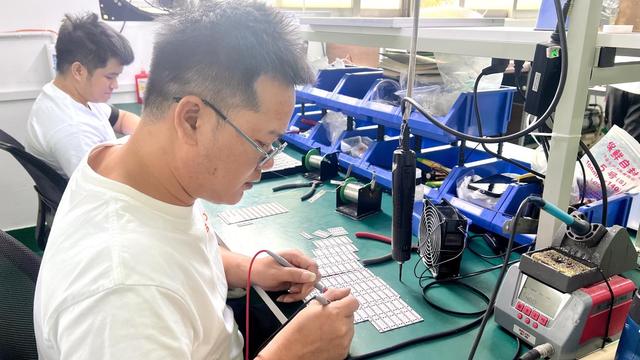
We combine this regional manufacturing efficiency with strict quality control. Every UV curing board and conveyor system undergoes rigorous optical testing (radiometric testing for absolute peak wavelength and power density), continuous burn-in tests under load, and comprehensive electrical isolation checks before packing. For Danish companies, this means receiving premium industrial-grade equipment at highly competitive prices, shipped directly to logistics hubs in Copenhagen, Aarhus, or Billund with short lead times.
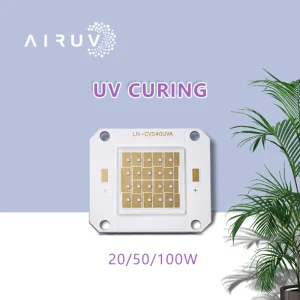
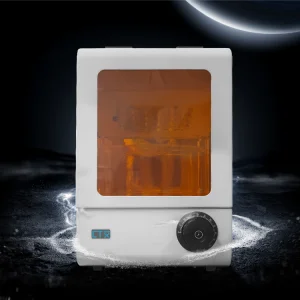
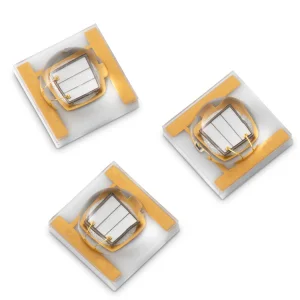
A comprehensive selection of replacements, subsystems, and specialized curing accessories.
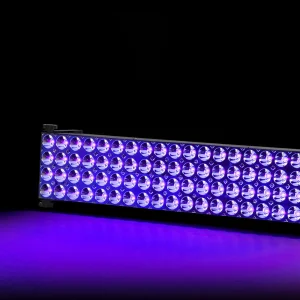
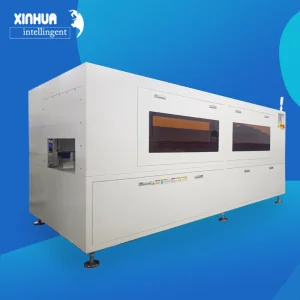
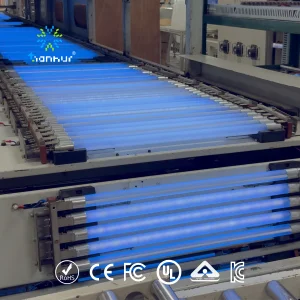
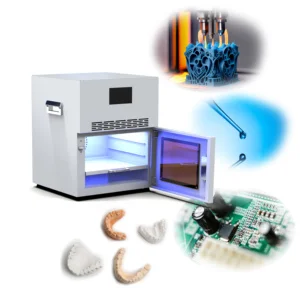
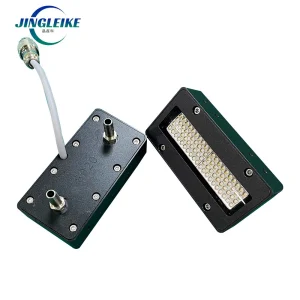
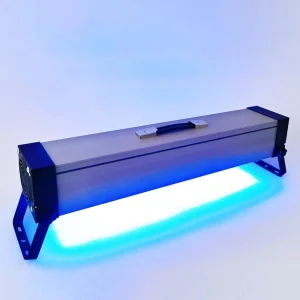
Meeting European environmental legislation and global productivity demands.
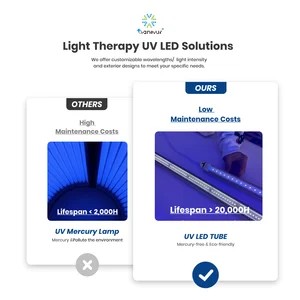
Globally, the industrial curing sector is phasing out high-pressure mercury arc lights. Mercury lamps generate ozone (requiring complex ducting and ventilation setups), produce intense heat that can warp thin plastics, and lose up to 50% of their output power within the first 1,000 hours of use. In contrast, our UV LED 3D printing curing systems maintain stable radiant output over a 30,000-hour operational life. This stability ensures predictable polymerization rates for every print run, minimizing waste and scrap in highly regulated environments like European medical and aerospace manufacturing.
For Danish businesses importing machinery, compliance with EU directives is non-negotiable. Dongguan LumiCure Light Co., Ltd. builds and tests all systems to comply with the European Union's CE, RoHS, and WEEE directives. We eliminate hazardous lead and mercury components, ensuring that your manufacturing facility reduces its environmental footprint while complying with local Danish environmental audits.
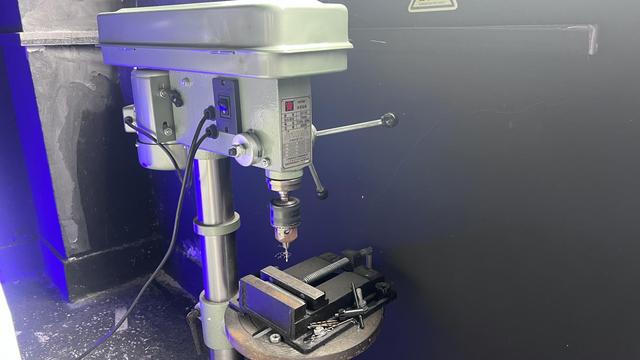
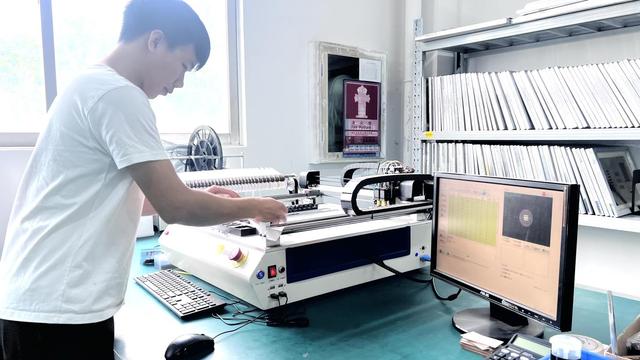
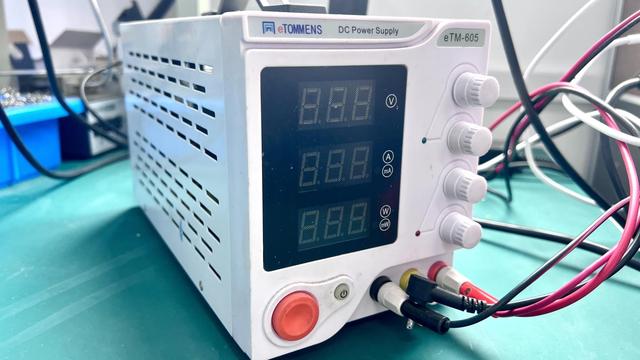
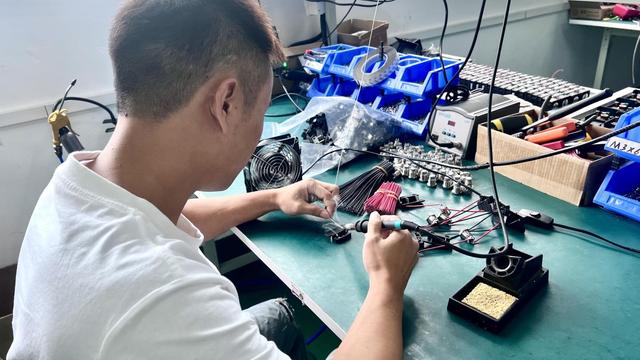
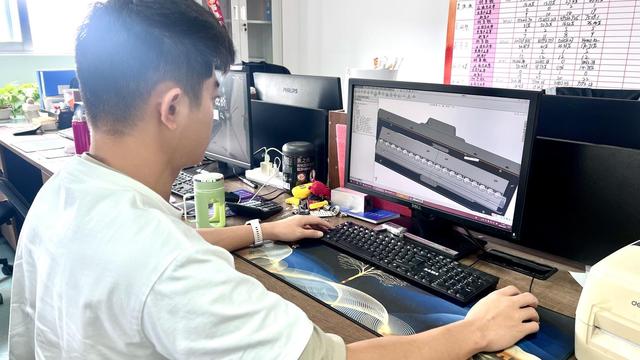
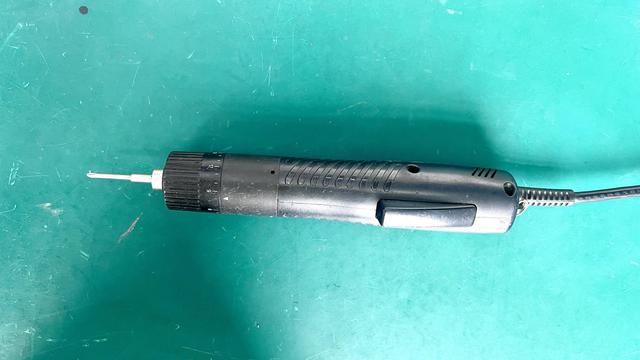
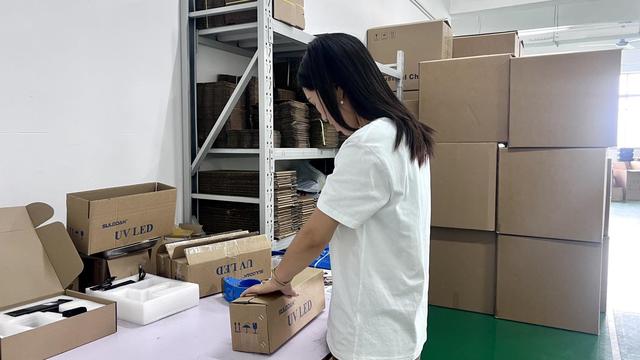
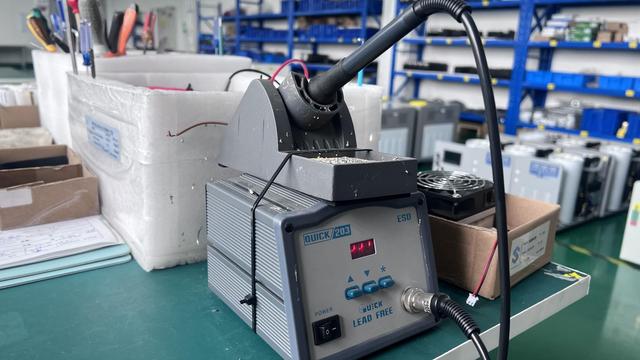
Real-world facilities documenting our manufacturing capability, quality checkpoints, and optical testing procedures.
Direct, data-backed answers to critical integration, shipping, and processing questions.
 LumiCure Light