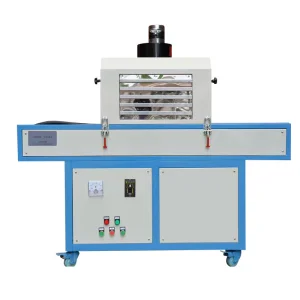
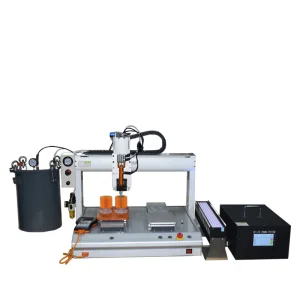
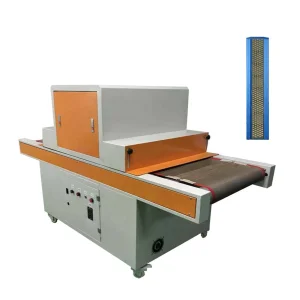
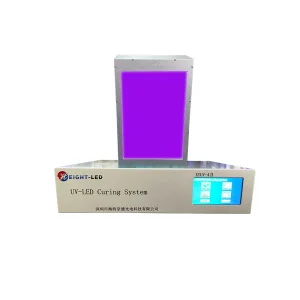
UV LED Adhesive Curing System Manufacturer & Factories serving Bangladesh

High-Irradiance, Energy-Efficient Optoelectronic Systems Configured for High-Humidity Industrial Environments & Electronics/Printing Assembly Lines in Bangladesh.

Get Technical Consultation

Bangladesh's Industrial Transition: Embracing Cold UV LED Polymerization

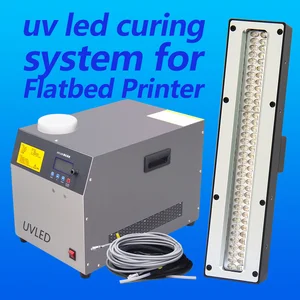
As Bangladesh expands its manufacturing envelope—transitioning from apparel dominant export lines to consumer electronics assembly, local semiconductor packaging, and high-performance flexographic printing—the need for reliable adhesive curing is at an all-time high.

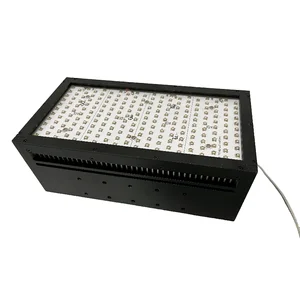
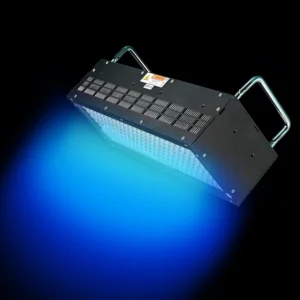
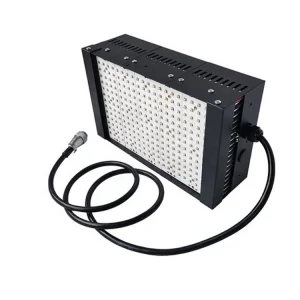
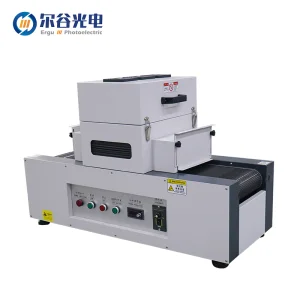
Traditional medium-pressure mercury vapor lamps struggle in the sub-continental climate due to heat emission, massive energy draws, and startup delays. The installation of LumiCure UV LED Curing Systems provides local factories in Dhaka, Gazipur, and Chittagong with instantaneous, cold-curing technology.

"By removing heat from the equation, manufacturers can bond heat-sensitive polymer materials without structural deformation or optical clouding, resolving key QC issues on local electronics production floors."

Combating Power Grid Instability

UV LEDs require no warmup period. If localized brownouts or generator transitions occur, our systems recover instantly with zero cooling phases, securing throughput continuity.

Up to 80% Reduction in Utility Overhead

Unlike thermal drying or mercury gas systems that draw continuous power, LumiCure's high-efficiency chips activate only when material is in the path of the light engine.

20,000+ Hours Extended Diode Lifespan

Encapsulated with premium quartz optics and high-purity thermal substrates, ensuring operation in relative humidity up to 90% in tropical monsoon cycles.

Wavelength Science & Matching for Industrial Adhesives

Selecting the exact spectral signature is critical for adhesive penetration and cross-linking density.

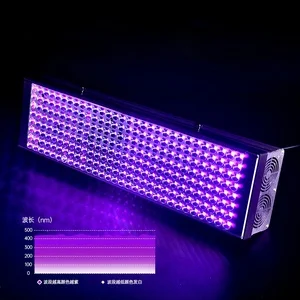
The success of UV adhesive curing depends entirely on coordinating the spectral absorption profile of the formulation's photoinitiators with the output wavelength of the UV LED light head. Dongguan LumiCure manufactures systems targeting four key narrow-band wavelengths:

  • 365nm Wavelength: Optimized for shallow surface cures and high-clarity optical adhesives where minimal yellowing is demanded. Preferred in optical bonding and medical device seals.
  • 385nm Wavelength: Deep-penetration spectral output. Excellent for curing thick adhesive sections, structural bonding components, and highly filled resin matrices.
  • 395nm Wavelength: The industrial benchmark. Ideal for high-speed printing, label varnishing, and structural laminates, providing high-speed crosslinking.
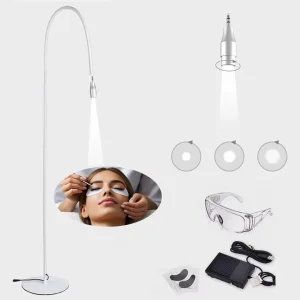
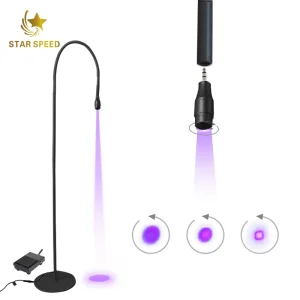
  • 405nm Wavelength: Tailored for deep-volume shadowing correction and sensitive consumer cosmetic adhesive curing (e.g., eyelash and beauty salon systems).
Wavelength Target Application (Bangladesh Focus) Irradiance Range
365nm Sensors, Smart Meters, Optical Assembly 12 - 16 W/cm²
385nm Automotive wiring harnesses, PCB potting 14 - 18 W/cm²
395nm High-speed flexible packaging labels, cartons 16 - 22 W/cm²
405nm Salon eyelash extensions, domestic repairs 4 - 10 W/cm²

Global Technology Roadmap: Curing Evolution 2025-2030

Transitioning from simple curing fixtures to smart, sensor-driven industrial nodes.

95%
Energy Efficiency Realization vs Mercury Lamps
0.3s
Fast Curing Cycle for Assembly Adhesives
0%
Mercury emissions - 100% Eco-Compliant
24/7
Continuous-Duty Cycle Thermal Mitigation

The global industrial footprint is moving rapidly toward intelligent curing systems. By integrating thermal sensors directly onto the LED module base plate, LumiCure prevents localized overheating—a critical failure point in high ambient temperature locations like Bangladesh. Our future tech roadmap focuses on multi-spectral arrays, where a single curing module dynamically switches between 365nm and 395nm to resolve surface and deep curing stages concurrently within microseconds.

China Factory 4.0: Supply Chain Resiliency & Production Efficiency

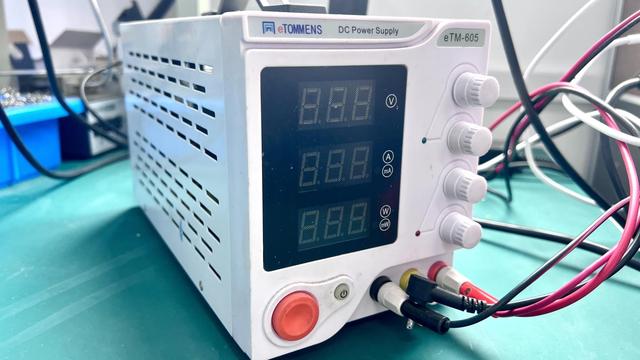
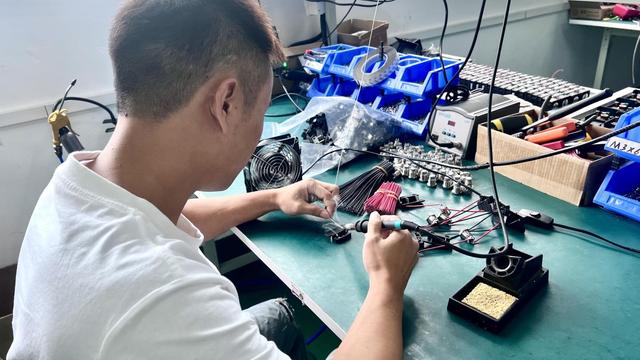
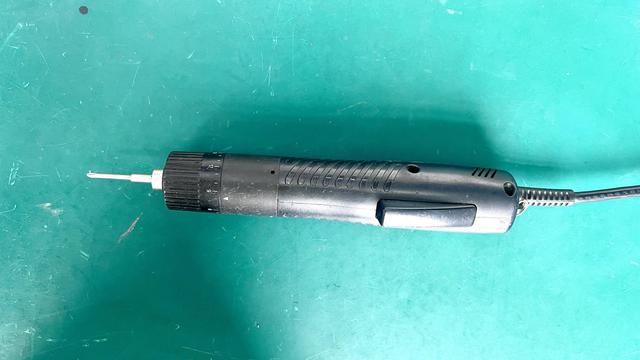
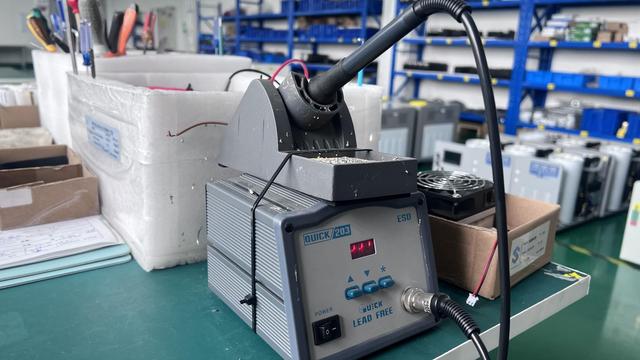
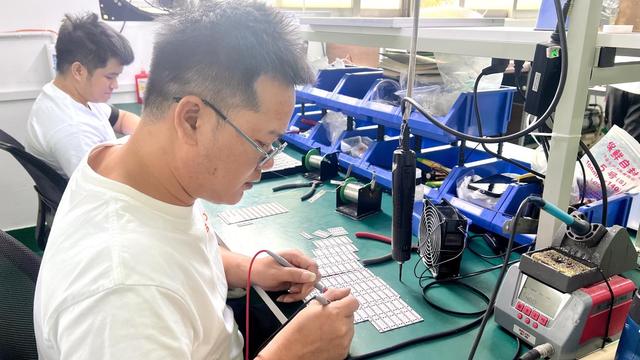
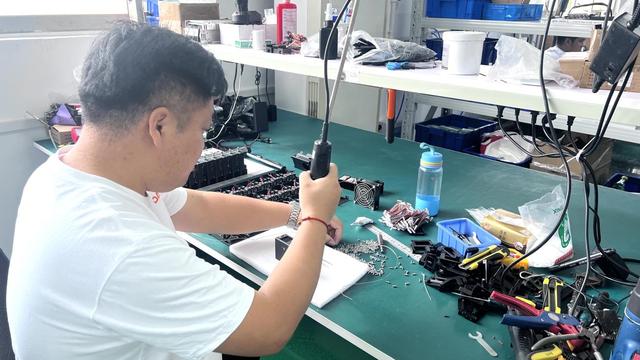
Dongguan LumiCure Light Co., Ltd. sits in the heart of Dongguan's advanced hardware manufacturing hub. Our facility implements rigorous quality controls, leveraging modern automated surface mount technology (SMT) to place UV LED chips directly onto copper core PCBs, maximizing heat dissipation and output longevity.

Through vertical integration, we source raw quartz, solid-state chips, and machined aluminum structures locally. This allows us to keep lead times to Bangladesh within 10-15 business days, bypassing typical delays that disrupt critical manufacturing projects.
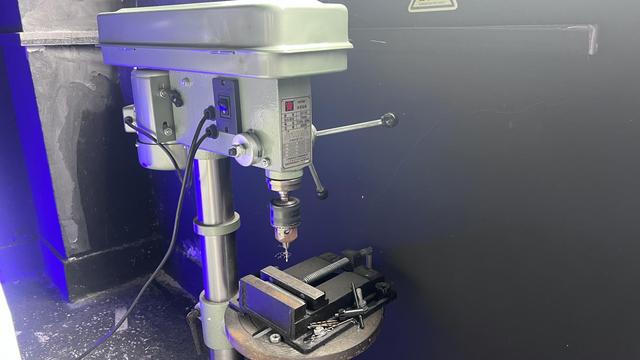
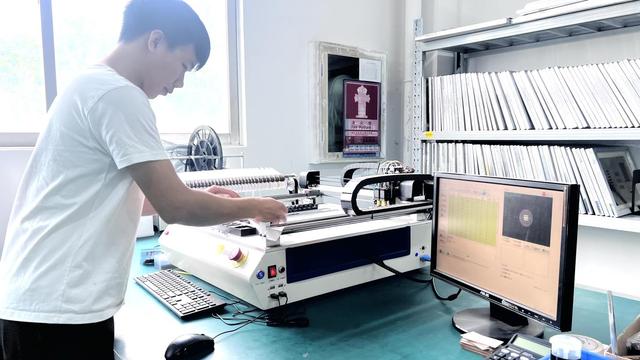
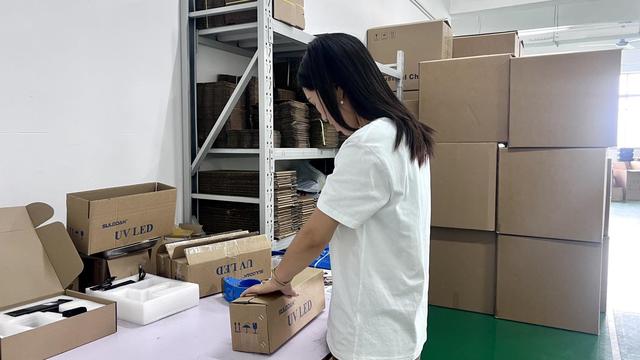
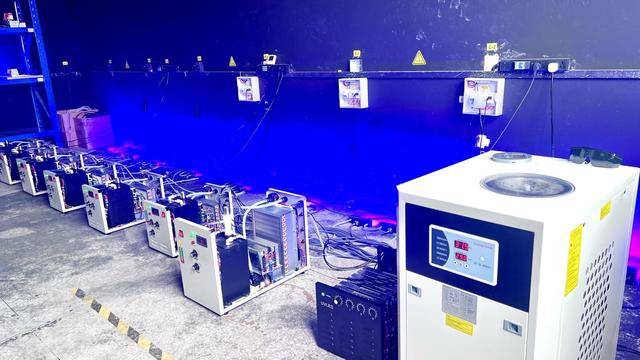
Dongguan LumiCure Advanced UV LED Manufacturing Line

Compliance, Duty Advantages & Bangladesh Customs Integration

We understand the intricacies of importing manufacturing capital machinery into Bangladesh. By providing full HS Code classification paperwork (under electrical equipment and industrial machinery categories), we help your local clearing agents secure lower duty structures.

Our products meet CE, RoHS, and REACH criteria, ensuring that final goods assembled with our UV LED systems comply with European and North American retail export standards. We offer complete electrical certifications (AC110V/220V/380V configurations with customized power plugs suitable for Bangladeshi industrial grids).

LumiCure Export Checklist for Bangladesh:

  • HS Code Support: Fast custom clearance documents.
  • Voltage Adapters: Built-in surge protection against grid spikes.
  • Packaging: Sealed moisture-proof shipping cases for marine air protection.
  • Warranty: Industry-leading 2-year warranty support on all critical components.

Technical FAQ: UV LED Adhesive Curing

Direct, engineering-focused answers to facilitate system matching, installation, and preventative maintenance.

How does relative humidity (RH) in Bangladesh affect UV LED curing adhesives?
High relative humidity (frequently 80% to 90% in Bangladesh) does not inhibit the photochemistry of acrylic or epoxy UV resins directly. However, it can lead to condensation on cool water-chiller plates or optical quartz lenses, scattering the UV rays. LumiCure designs modules with moisture-barrier seals and nitrogen-purge readiness to prevent optical condensation and guarantee stable irradiance.
Can a 365nm UV LED cure an adhesive formulated for a 395nm system?
Generally, no. Curing performance relies on spectral matching. If an adhesive photoinitiator is designed to absorb light around 395nm, using a 365nm lamp will result in under-curing or slow curing cycles. Always consult with your adhesive manufacturer to align with the proper wavelength of your LumiCure system.
What are the key cooling solutions available, and which is better for South Asia?
We provide air-cooled systems (simpler, lower cost) and water-cooled systems (high power density, precise temperature control). For industrial plants in South Asian climates, water-cooled systems coupled with industrial chillers are recommended for high-load operations (above 12W/cm²). This configuration isolates the LED modules from hot factory ambient air, extending diode lifespan.
What is the typical lifespan of a LumiCure UV LED module under 24/7 manufacturing?
With proper heat dissipation, our high-grade diodes maintain over 80% of their original irradiance output beyond 20,000 operational hours. This compares to traditional mercury arc lamps, which decay and require replacement every 1,000 to 2,000 hours.
How do you handle voltage fluctuations on the Bangladesh electrical grid?
LumiCure power supply enclosures feature wide-input voltage tolerance (AC 180V-264V) and integrated over-current, over-voltage, and short-circuit protection circuits. We recommend installing an external AVR (Automatic Voltage Regulator) for locations prone to persistent voltage surges.
Is optical shielding required for employees on the assembly line?
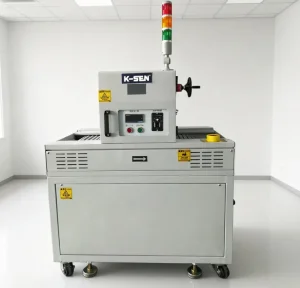
Yes. Direct and reflected UV radiation causes skin irritation and eye damage. We recommend incorporating custom UV-shielding curtains (such as acrylic shields) around the curing zone and providing operators with UV-rated safety goggles.
Do your UV eyelash extension lamps comply with health standards?
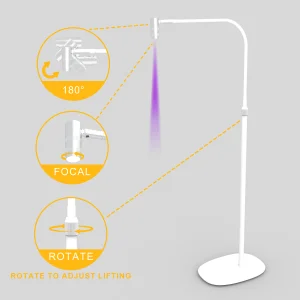
Yes, our beauty and eyelash curing lamps operate in the safe, low-power range (typically 405nm wavelength, 5W to 10W output) and carry full CE, RoHS, and REACH safety certifications. They feature pedal activation to minimize beam exposure time to safe micro-burst intervals.
Can LumiCure design custom optical footprints for non-standard conveyor systems?
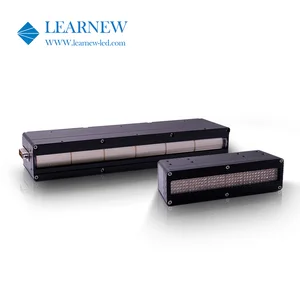
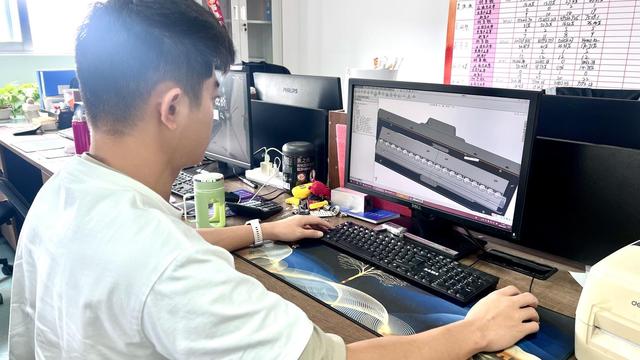
Yes. Our Dongguan-based OEM/ODM engineering group can design custom emission lengths (up to 3000mm in single module runs), custom array designs, and mechanical bracket interfaces to retrofit legacy lines in Gazipur or Chittagong.

Need Custom UV LED Integration in Bangladesh?

Consult with our engineering team directly to receive custom system designs and factory-direct pricing quotes.

Send Inquiry Now