High-efficiency, low-power photo-curing hardware engineered specifically to withstand Pakistan's grid fluctuation cycles while providing high spectral output.
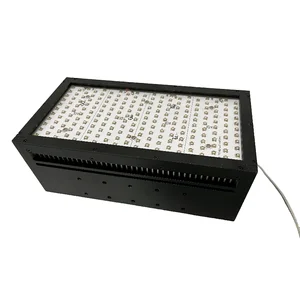
An in-depth analysis of energy constraints, transition pathways, and implementation dynamics of high-efficiency photopolymerization systems.
Across Pakistan's rapidly evolving manufacturing landscape—spanning the export-driven industrial corridors of Sialkot, Karachi, Lahore, and Faisalabad—manufacturers are encountering a severe double-squeeze: soaring grid electricity tariffs and strict international environmental compliance mandates. Historically, Pakistani processing plants relied heavily on thermal gas ovens or high-pressure mercury vapor lamps to dry adhesives, varnishes, and inks. However, mercury systems require immense power inputs, produce intense heat that warps substrates, and release ozone and toxic mercury waste. This conflicts directly with international export standards such as CE, RoHS, and REACH.
As a response to these structural challenges, UV LED adhesive curing systems have transitioned from a specialized technology to a core infrastructure upgrade. Solid-state UV LEDs produce monochromatic light (typically at target peaks of 365nm, 385nm, 395nm, or 405nm), directing 100% of their energy toward the photoinitiator absorption range of the adhesive. The process is completely cold and instant, achieving structural cure in milliseconds without the warmup times of conventional mercury ovens. This enables Pakistani manufacturers to slash their energy consumption by up to 80%, bypass grid limits, and significantly scale up their production capacities.
Sialkot is the global capital for hand-crafted surgical instruments and thermo-bonded sports balls. Standard medical devices require micro-precision adhesive bonding of needles, tubes, and handles. Utilizing high-intensity 365nm UV LED spot curing lamps ensures bio-compatible adhesives cure fully without transferring heat to sensitive plastic components. Similarly, premium soccer balls use localized UV adhesives to achieve air-tight seal parameters in seconds.
Karachi's massive consumer goods and pharmaceutical packaging clusters operate high-speed printing presses. Converting these systems to energy-saving 395nm or 405nm LED UV curing modules helps printing plants achieve immediate ink curing on plastic and foil substrates, eliminating offset drying marks, removing ozone exhausts, and increasing production output by up to 50%.
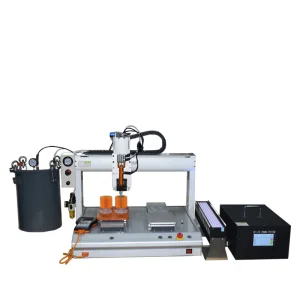
For home appliances, smart meters, and automotive dashboard displays manufactured around Lahore, UV-curable adhesives provide moisture barriers and structural integrity. Desktop automated adhesive dispensers and conveyor-dryer integrations speed up precision potting, seal gasket curing, and touchscreen optical bonding.
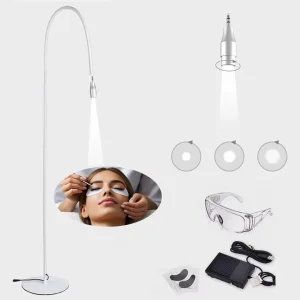
Across urban beauty hubs in Islamabad, Karachi, and Lahore, premium salon chains are replacing traditional evaporative eyelash glues with high-safety 405nm UV Lash Curing Systems. These systems reduce curing time to 0.3 seconds, eliminate irritating chemical fumes, and provide clients with waterproof eyelash extensions that can be exposed to moisture immediately.
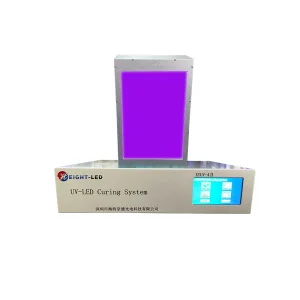
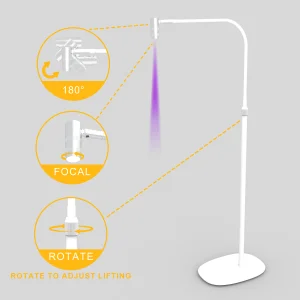
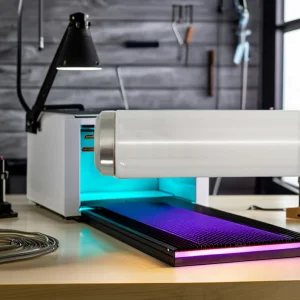
Versatile UV systems optimized for lab testing, localized repair, custom manufacturing assemblies, and salon environments.
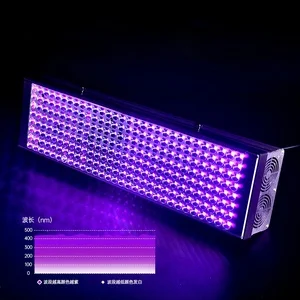
Choosing the correct spectrum determines the degree of chemical cross-linking and structural adhesion performance.
A critical consideration for Pakistani engineering teams adopting UV curing systems is matching the system's wavelength and optical density output to the specific polymer formulation. Photoinitiators require targeted spectral irradiance to initiate free radical or cationic polymerization:
Modern UV LED chips require advanced thermal management. Heat dissipation is critical; if the junction temperature of the LED chip climbs too high, its emission efficiency and working lifespan degrade. Dongguan LumiCure Light Co., Ltd. incorporates heavy copper PCBs, micro-channel liquid-to-air cooling systems, and specialized air-circulation fans to keep chip operating temperatures below 65°C. This extends the system's operational life past 20,000 continuous hours—a massive leap compared to the 1,000-hour replacement cycles of traditional mercury lamps.
Our complete system production line operates under ISO 9001:2015 quality protocols. Every curing source, controller, and conveyor machine undergoes rigorous high-voltage safety tests, spectral irradiance audits, and long-term aging simulations before dispatch. We hold comprehensive CE, RoHS, and REACH certifications, ensuring our Pakistani clients can export their finished goods to Europe, North America, and other highly regulated international markets without compliance obstacles.
Professional China UV LED Curing Factory & Global Supplier
Dongguan LumiCure Light Co., Ltd. is a professional China UV LED curing lamp manufacturer specializing in the research, development, production, and supply of industrial UV curing systems and customized UV LED solutions. With a strong focus on innovation, quality, and customer satisfaction, LumiCure has become a trusted partner for manufacturers worldwide seeking efficient and reliable curing technologies.
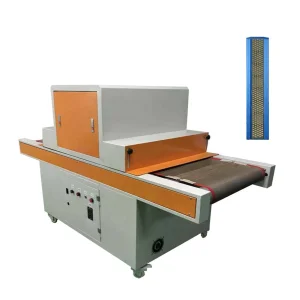
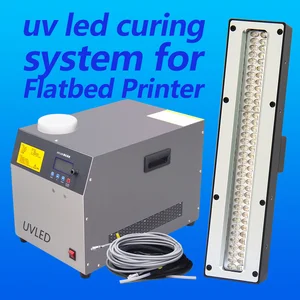
Our product range includes UV LED curing lamps, UV LED spot curing systems, flood curing lamps, conveyor UV curing machines, UV LED modules, printing curing systems, adhesive curing equipment, and customized industrial UV solutions. These products are widely applied in printing, electronics assembly, semiconductor packaging, optical bonding, automotive manufacturing, medical devices, 3D printing, and various precision industrial processes.
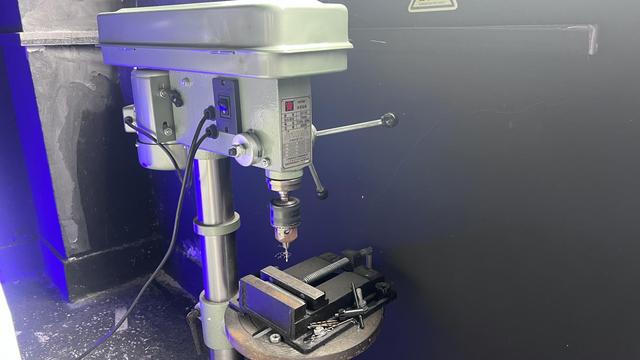
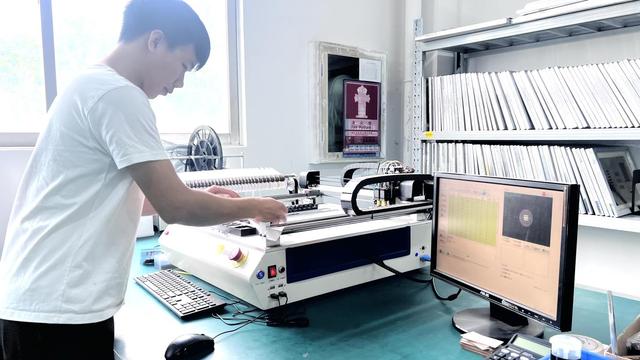
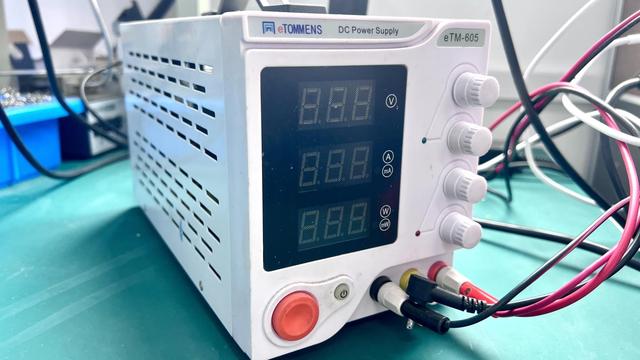
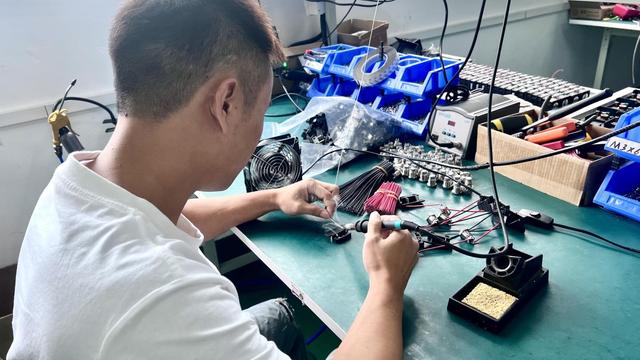
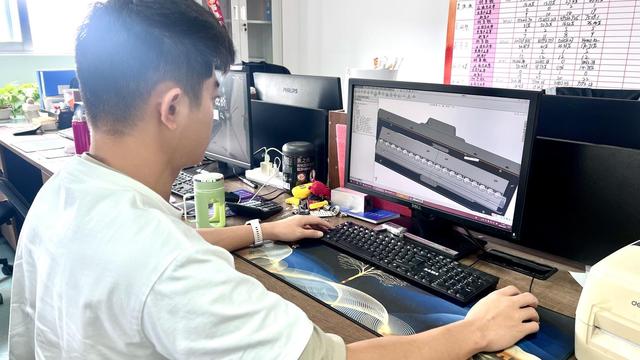

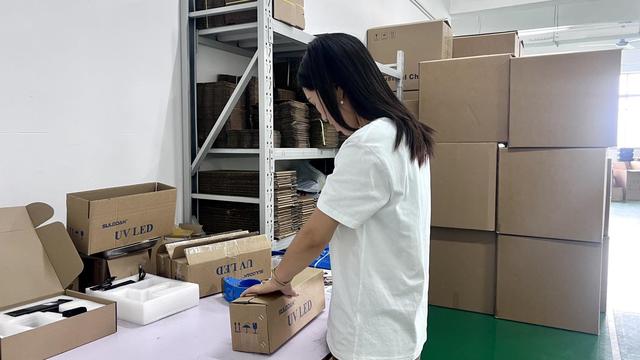
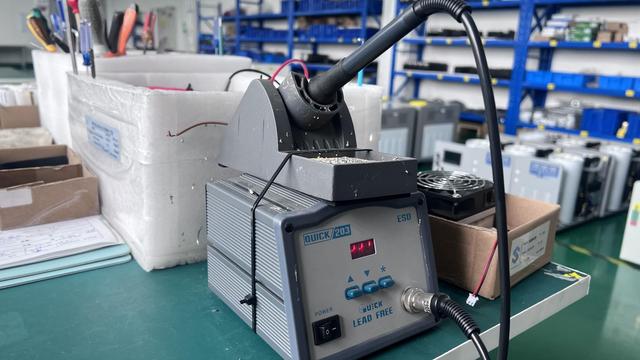
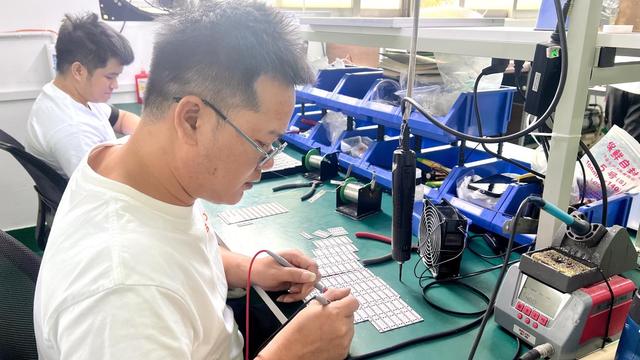
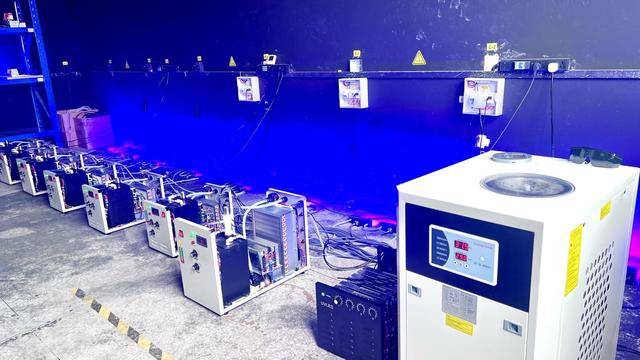
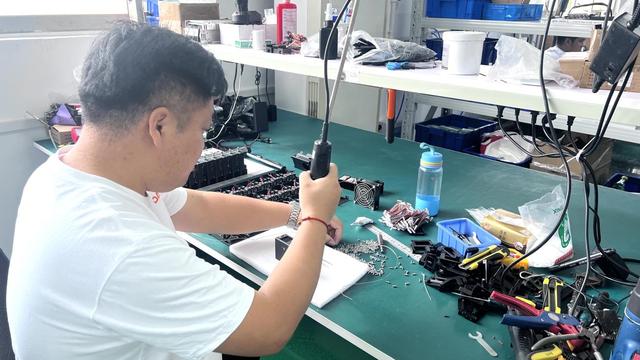
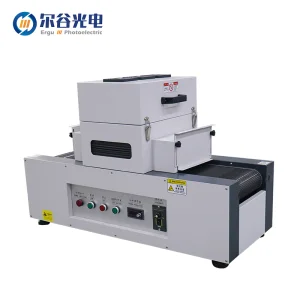
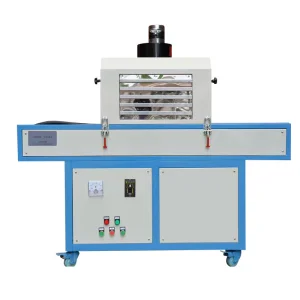
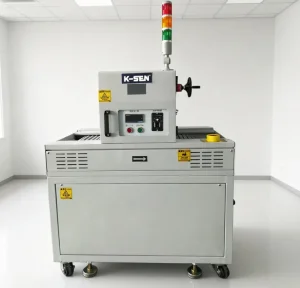
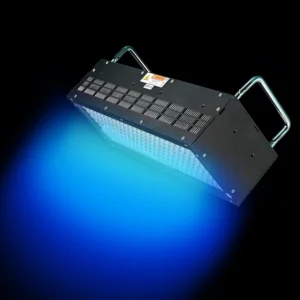
Heavy-duty curing arrays, custom ovens, and high-wattage lamps engineered for industrial throughput.
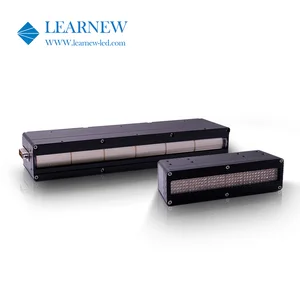
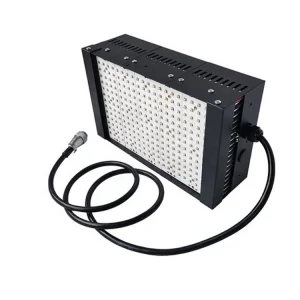
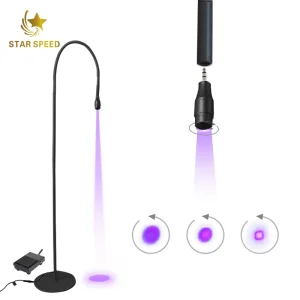
Crucial industrial insights and deployment metrics for decision-makers looking to transition from mercury lamps to UV LED systems.
Traditional mercury systems consume high power, generate significant infrared heat (requiring auxiliary chiller systems), and need continuous idling power because they cannot be turned on and off instantly. In contrast, UV LED systems feature an instant on/off design, consuming power only when active. This slashes direct electrical consumption by up to 80%, decreases cooling loads on assembly line environments, and eliminates the replacement cost of mercury bulbs, which must be swapped every 800–1,200 operating hours.
Yes. Our industrial UV LED power control units are engineered with robust, wide-input voltage modules (180V–264V AC, 50/60Hz). These systems are equipped with internal over-current, over-voltage, and thermal overload protection circuits. For areas prone to severe voltage drops, we recommend pairing our high-power arrays with standard industrial voltage stabilizers to maintain consistent optical output.
For medical devices, structural integrity and bio-compatibility are key parameters. Most medical-grade UV adhesives (such as Loctite, Dymax, or Panacol formulations) are designed to react at 365nm to ensure deep curing through UV-stabilized plastics (such as polycarbonate or acrylic). If your adhesive contains photoinitiators for surface curing, or if you are curing through a glass component, 365nm is typically required. Our technical team can review your adhesive datasheet to match the spectrum exactly.
Yes. Our salon-grade 405nm UV LED systems operate at narrow, low-energy wavelengths that fall outside the harmful UV-B and UV-C spectrums. When paired with our foot pedal trigger controllers, the lamp is only active for 0.3 to 1.5 seconds per attachment. This targeted exposure cures the lash adhesive instantly while minimizing exposure to the client’s skin, presenting a safer and more efficient alternative to conventional air-drying glues.
For customized configurations (such as variable-speed conveyor systems with adjustable heights and air-cooled arrays), the fabrication and quality inspection process in our Dongguan plant takes 10 to 15 working days. Shipping via sea freight from Shenzhen to Karachi Port takes approximately 18 to 22 days. For urgent requirements (such as replacement UV LED heads), air express via DHL or FedEx to major airports (LHE, KHI, ISB) delivers components within 4 to 6 days.
Consult with our engineers in Dongguan today. Get custom wavelength designs, conveyor integrations, and direct factory-price quotes.
Send Inquiry Now LumiCure Light