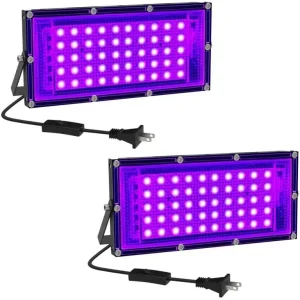
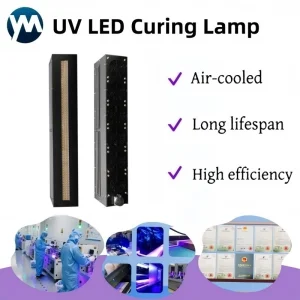
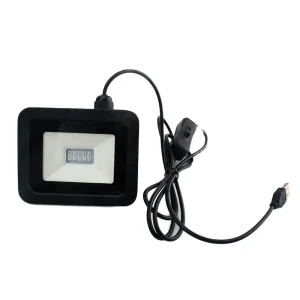
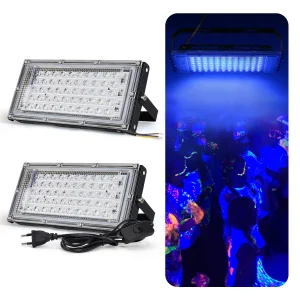
Engineered for maximum peak irradiance, spectral consistency, and durable performance under extreme Nordic operational conditions.
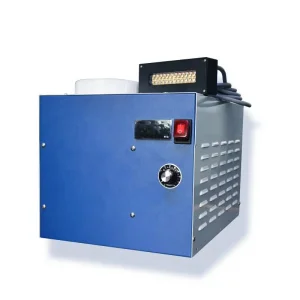
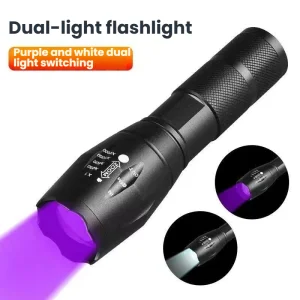
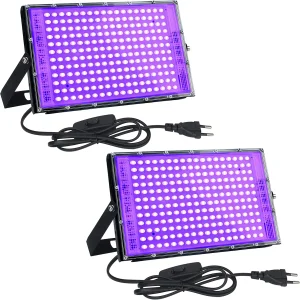
An authoritative analysis of photopolymerization shifts, green regulations, and high-performance equipment procurement in Northern Europe.
Finland, a global leader in environmental sustainability and high-technology engineering, is rapidly phasing out traditional mercury-vapor curing methods. Powered by strict EU RoHS and REACH regulations, Finnish industries across Espoo, Oulu, Tampere, and Vantaa are transitioning to modern solid-state UV LED flood curing solutions. Traditional mercury lamps present severe ecological hazards—namely mercury contamination and high ozone emissions—and consume unsustainable quantities of energy. Conversely, UV LED flood systems deliver instant power cycling, eliminate thermal stress on sensitive substrates, and drop electricity consumption by up to 75%.
For Finnish woodworking, electronics assembly, and specialty packaging enterprises, adopting UV LED technology is no longer just a technological improvement; it is a critical mandate to align with Finland’s ambitious carbon-neutrality targets by 2035.
The application envelope for industrial UV LED curing in the Baltic region is expanding into highly specialized markets:
Engineered with heavy-duty aluminum housings and optimized optical paths for consistent flux density.
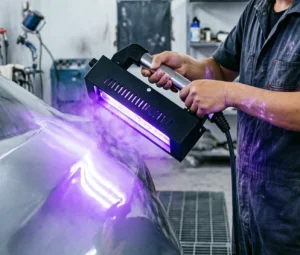
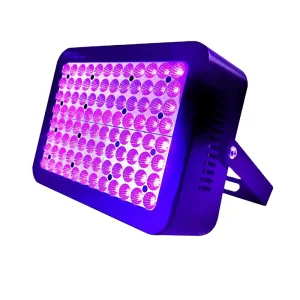
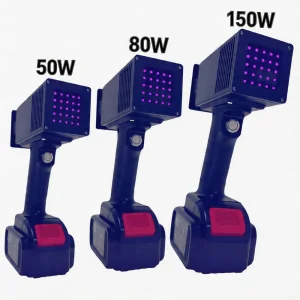
How LumiCure integrates top-tier global component procurement with China's rapid manufacturing efficiency to benefit Finnish enterprises.
Finnish procurement specialists face distinct challenges when source-contracting UV curing machinery: high local system integrator markups, rigid off-the-shelf configurations, and delayed lead times. Dongguan LumiCure Light Co., Ltd. resolves these operational bottlenecks by serving as a vertically integrated Chinese OEM/ODM factory partner that delivers state-of-the-art UV LED technology directly to European ports.
Operating out of Dongguan, China’s preeminent advanced manufacturing hub, LumiCure controls the entire production cycle. From chip packaging, heat sink thermo-simulations, and driver board assembly, to final high-humidity, low-temperature environmental testing, our products are engineered to exceed CE, PSE, and RoHS certification standards. This robust supply chain guarantees a 40-50% cost-efficiency advantage over traditional European distribution structures while providing tailored wavelength matrices, custom-engineered optical lenses, and direct engineering access for seamless PLC integration.
| Performance Metrics | LumiCure UV LED Flood Arrays | Traditional Arc Systems (Mercury/Gallium) | Finnish Market Significance |
|---|---|---|---|
| Warm-up & Re-strike Time | Instant (0.1 milliseconds) | 10 - 15 Minutes | Crucial for robotic stop-and-go assembly lines. |
| Heat Dissipation to Substrate | Ultra-Low (Cold cure UV light) | High Infrared (thermal stress) | Protects delicate wood veneers & polymer micro-parts. |
| Optical Spectrum Integrity | Monochromatic (Narrow 365/395nm bands) | Broadband (unfocused spectrum) | Maximizes chemical photo-initiator reaction speeds. |
| Operational Lifespan | 20,000+ continuous hours | 800 - 1,500 hours | Minimizes high-cost technical maintenance in remote plants. |
Available for rapid configuration and dispatch to Helsinki, Espoo, Tampere, and beyond.
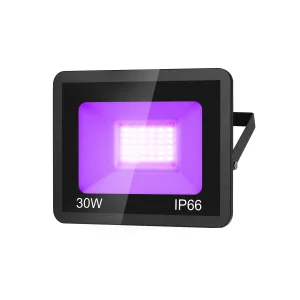
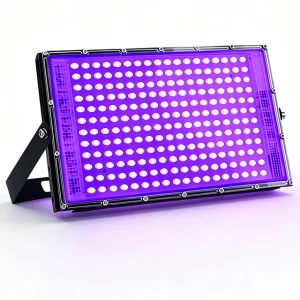
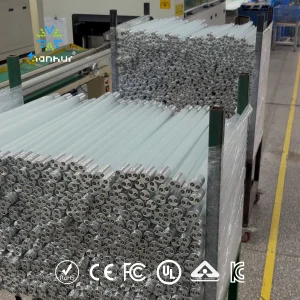
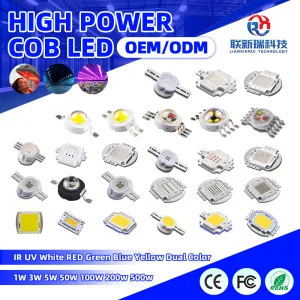
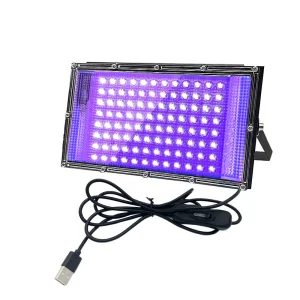
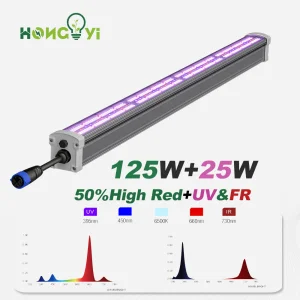
A transparent look inside our state-of-the-art production facilities, precision testing bays, and automated pick-and-place packaging lines.
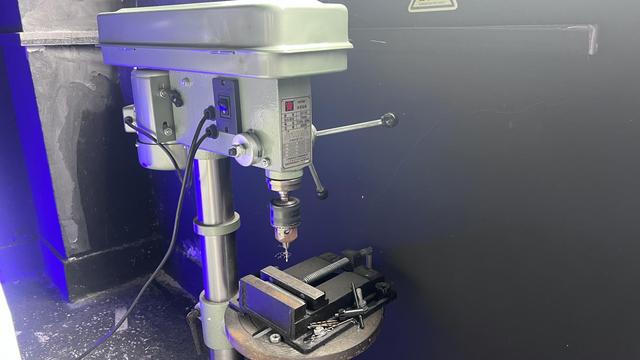
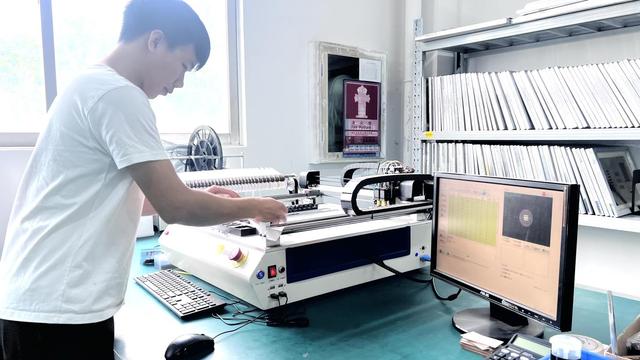
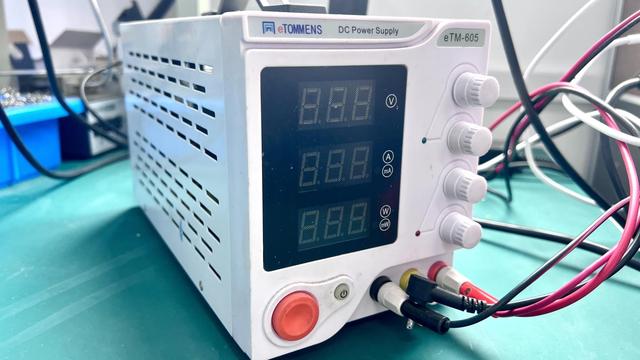
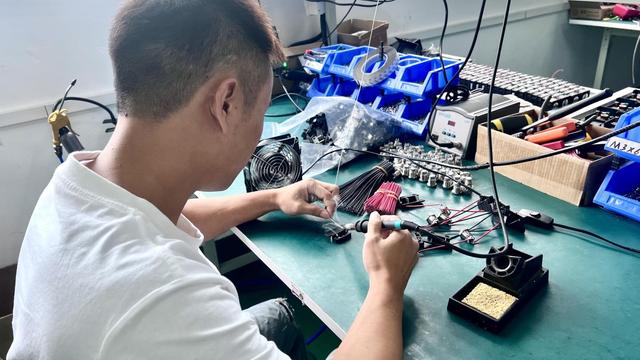
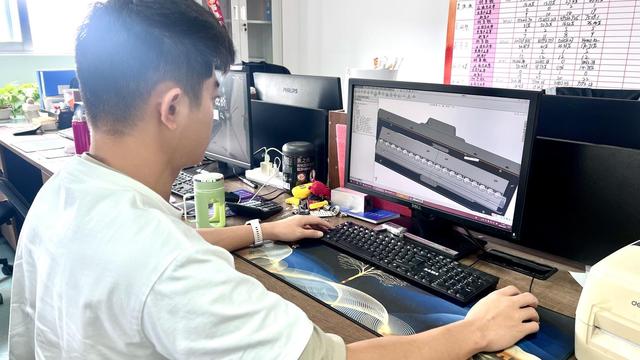
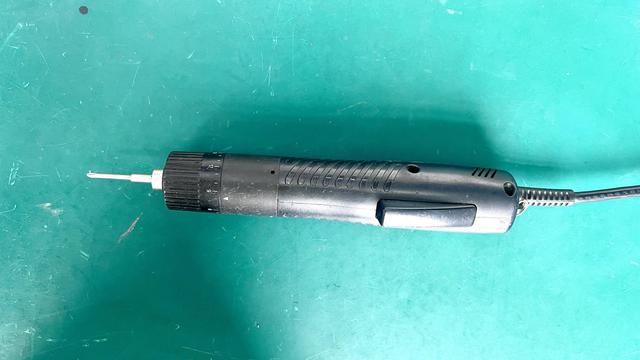
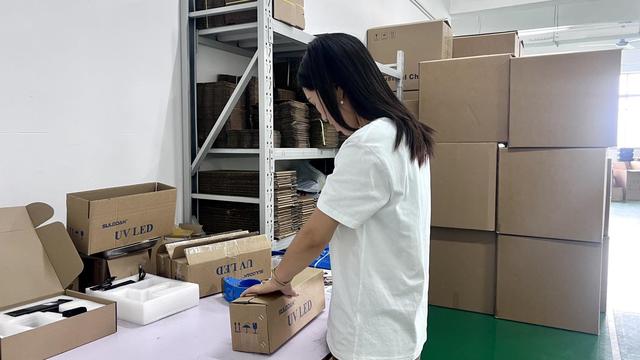
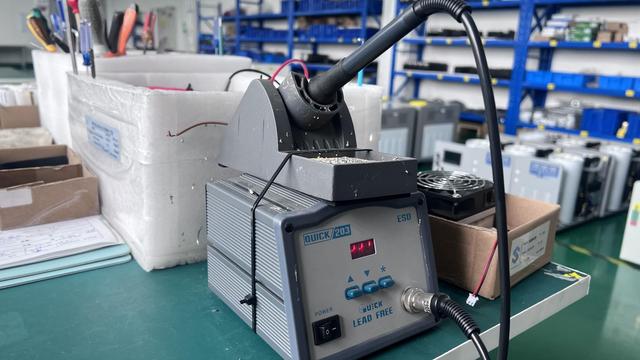
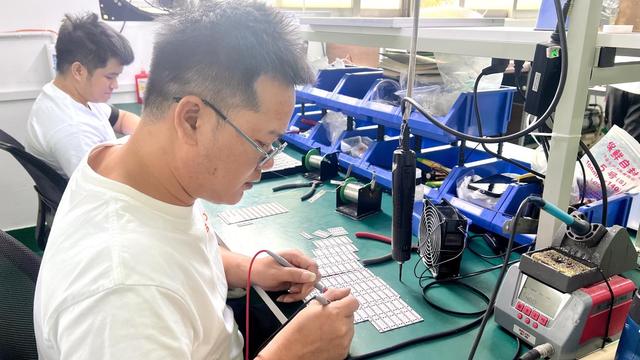
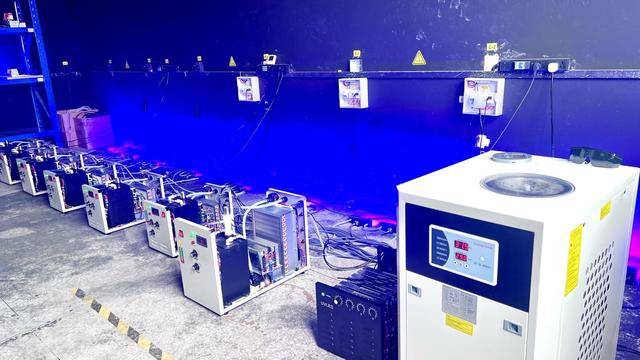
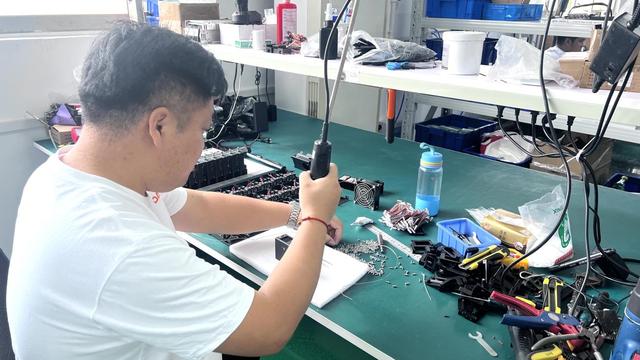
Our industrial production facilities are optimized to deliver scalable volume while holding zero tolerance for spectral drift. Every UV LED Flood Curing System produced at LumiCure undergoes a rigorous 72-hour continuous burn-in and aging process. This ensures that the peak irradiance (ranging from 1 W/cm² up to 25 W/cm²) and the spectral output shape remain perfectly flat throughout the lifespan of the fixture. Whether you require a single standalone table-top unit for prototyping in Espoo, or a multi-lamp synchronized production setup for a conveyor-integrated assembly line in Tampere, our plant is fully equipped to meet your custom engineering drawings.
Essential technical criteria for process engineers selecting photopolymerization parameters.
The success of UV LED curing relies on matching the emission spectrum of the LED array with the absorption spectrum of the chemistry's photoinitiators. In Finnish wood coating factories, 395nm systems are often favored due to their deeper penetration through thick lacquer layers and safety benefits. Conversely, medical electronics manufacturing in Finland frequently requires a strict 365nm wavelength to prevent degradation of plastics while generating high-strength surface cures in optical epoxies.
Although UV LED lamps are classified as cold-curing systems because they do not emit heat-inducing IR radiation, the LED junctions themselves generate significant heat. In highly controlled Nordic manufacturing environments where ambient temperatures are kept constant, fan-cooled units provide a cost-effective solution. However, for cleanroom integration or high-intensity industrial processes with space constraints, liquid-cooled (water-jacketed) UV LED heads are mandatory. Liquid-cooled systems eliminate cooling fans that could otherwise generate turbulent air and disperse particulates onto uncured surfaces.
Modern Finnish factories are highly automated. Standard equipment must support direct Modbus, RS485, or analog 0-10V control signals. LumiCure's advanced systems feature built-in smart microcontrollers that report operating status, temperature profiles, and chip status back to the main control room, preventing unexpected production stops and maximizing equipment runtime.
Detailed technical answers addressing the real concerns of Finnish procurement teams and process integration engineers.
We partner with premier global cargo networks (including DHL, FedEx, and sea freight carriers) to provide fast, reliable door-to-door delivery across Finland, covering major hubs like Helsinki, Tampere, Turku, and Oulu. Standard air freight delivers within 7 to 10 working days, while customized OEM/ODM industrial configurations are typically manufactured, calibrated, and shipped within 3 to 4 weeks.
Yes, our industrial UV LED flood lamps are designed for seamless integration into automated factory environments. Our control boxes feature standardized dry contact signals, analog input for dimming/intensity adjustments (0-10V or 4-20mA), and RS485 Modbus communications, making them fully compatible with Siemens, Beckhoff, Omron, and other leading industrial PLC networks used by Finnish system integrators.
Every production batch undergoes mapping using precision radiometers and optical spectrometers. We measure irradiance at multiple grid points across the designated curing area to ensure a uniformity index of over 90%. We provide full testing reports and calibration certificates with each shipment to guarantee performance matches your technical requirements.
Most factories retrofitting to our UV LED systems achieve a full return on investment in 10 to 18 months. This rapid ROI is driven by three main factors: direct power savings of up to 75%, eliminating the costs associated with regular mercury bulb replacements, and significantly lower rejection rates due to the thermal stability and wavelength uniformity of the LED source.
Connect directly with our engineering team to design custom wavelength profiles, request technical drawings, or secure direct factory-direct wholesale pricing for the Finnish market.
Get Custom Engineering Proposal & Quote LumiCure Light