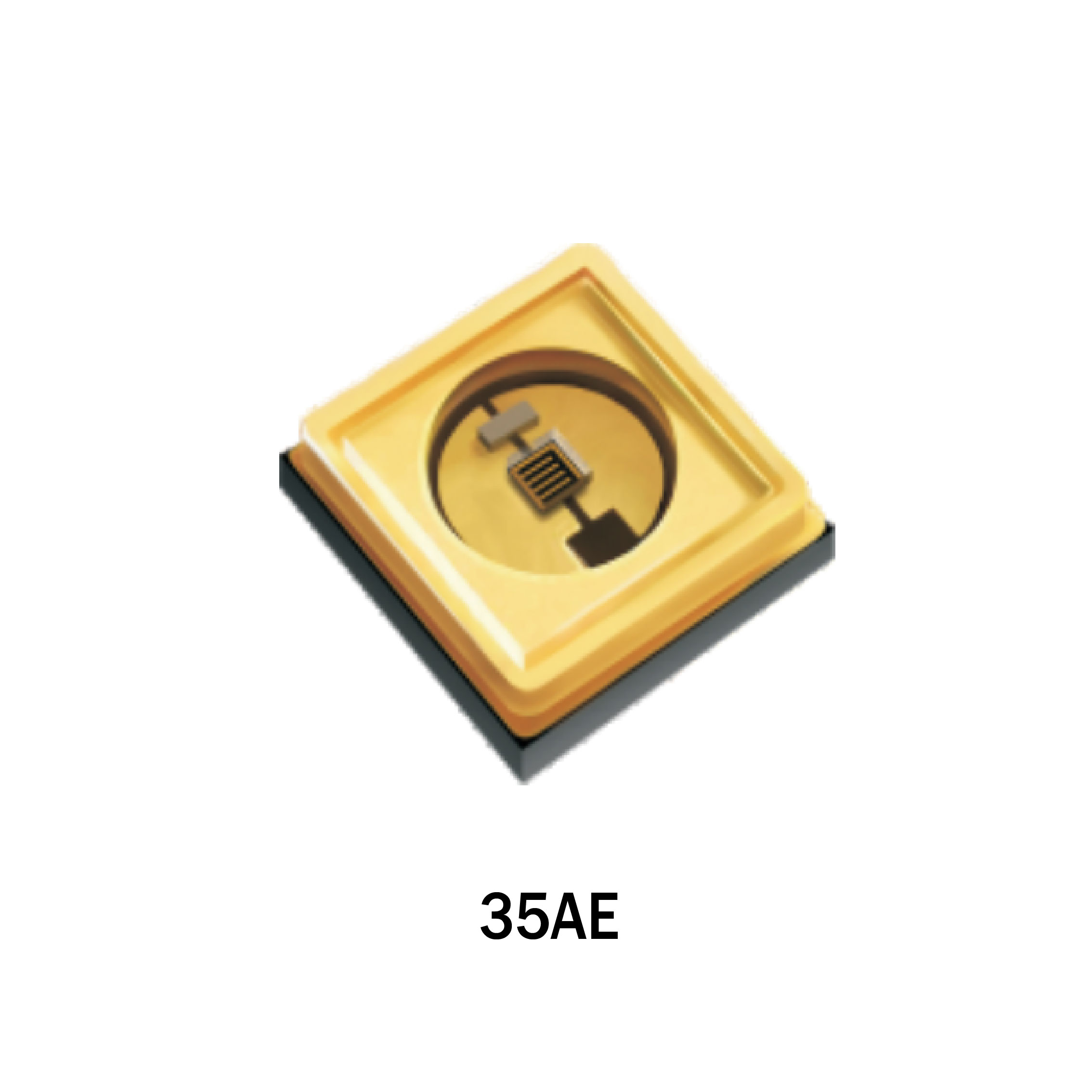
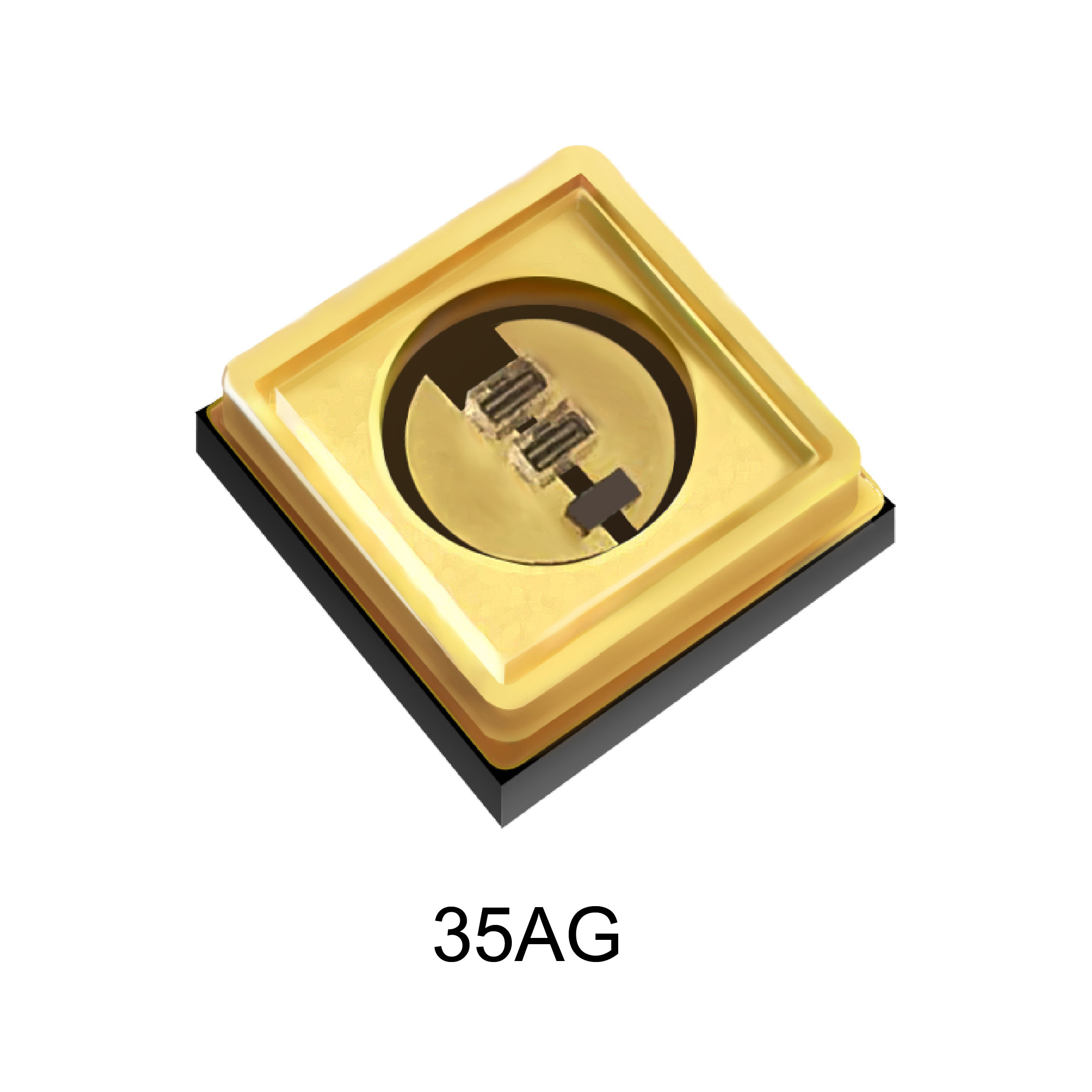
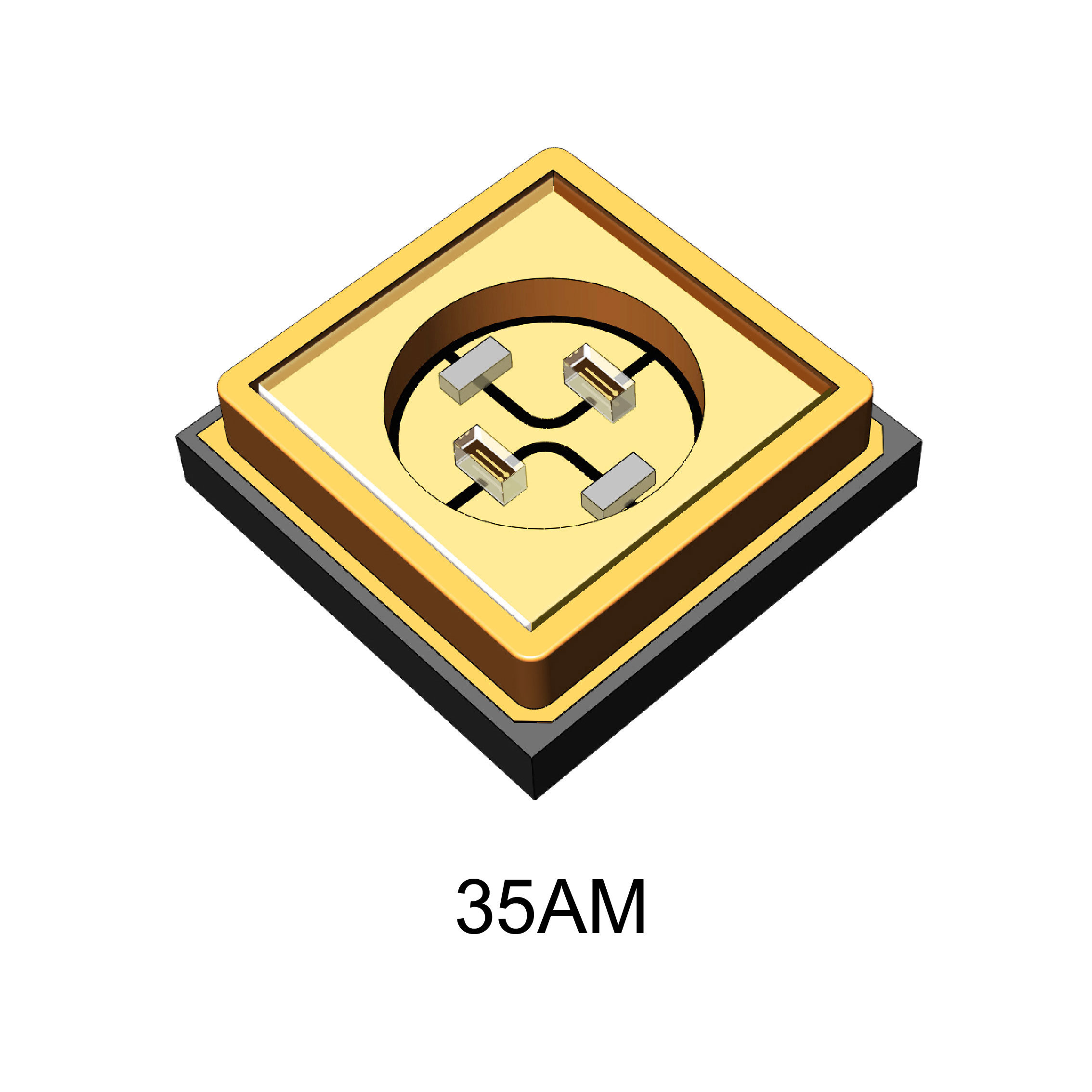
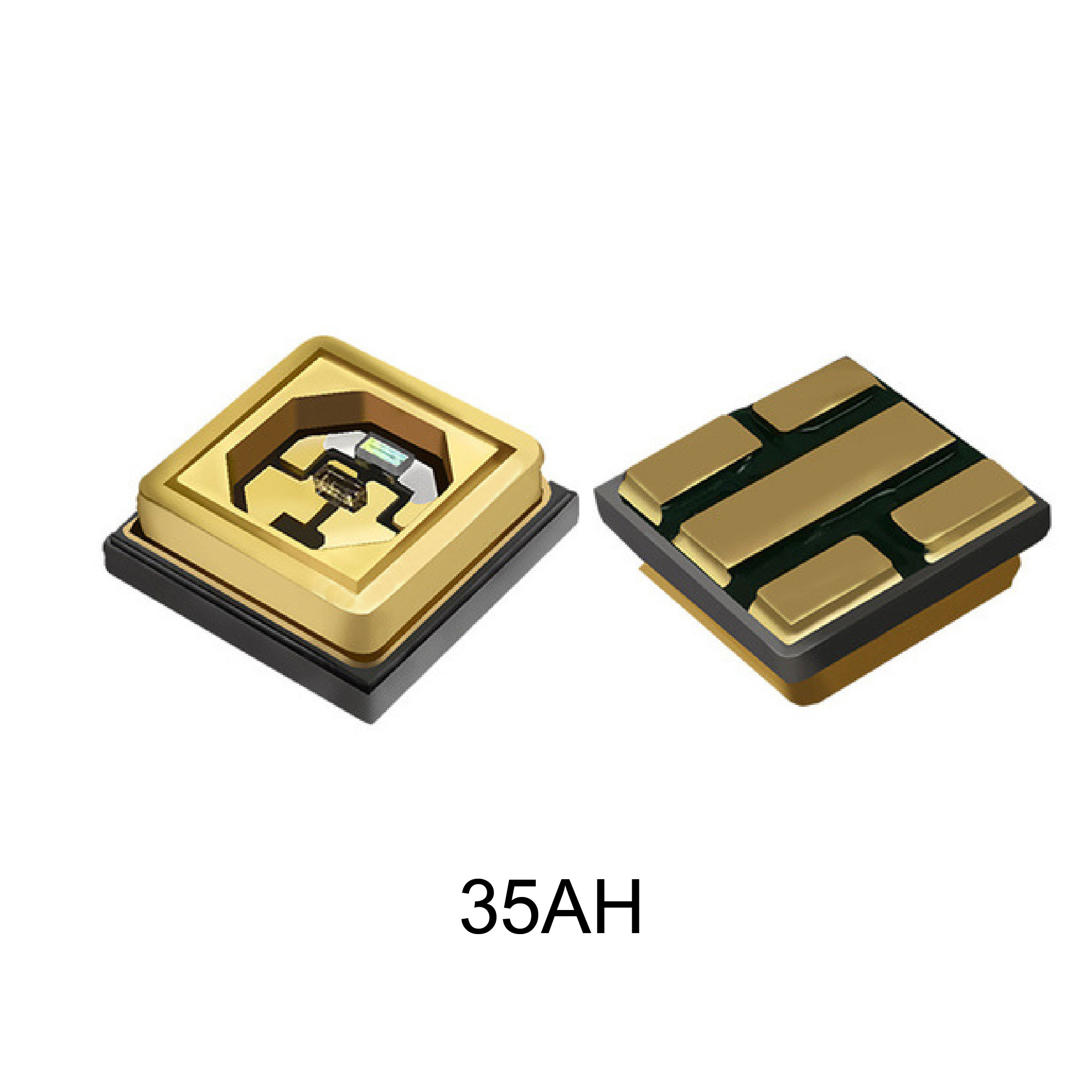
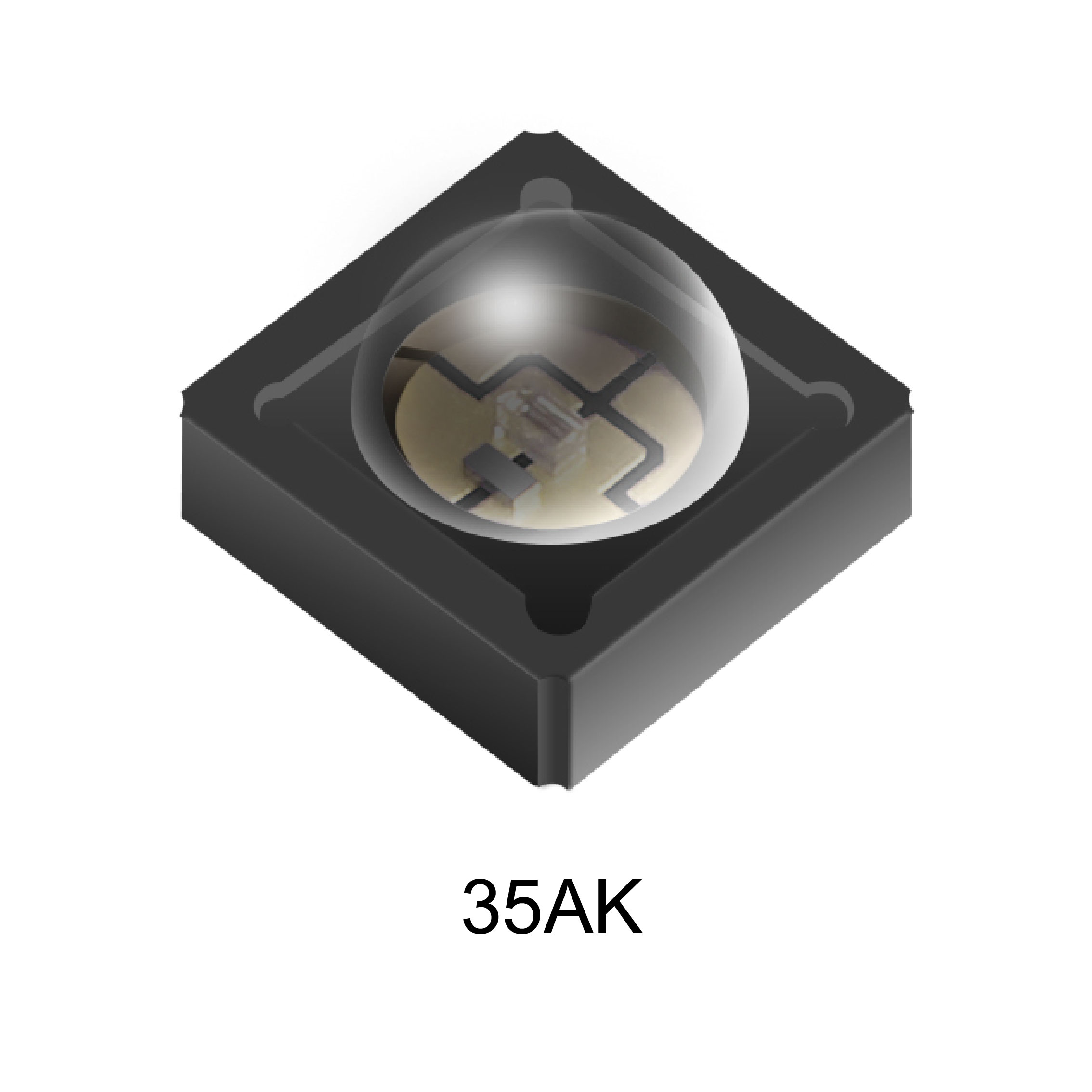
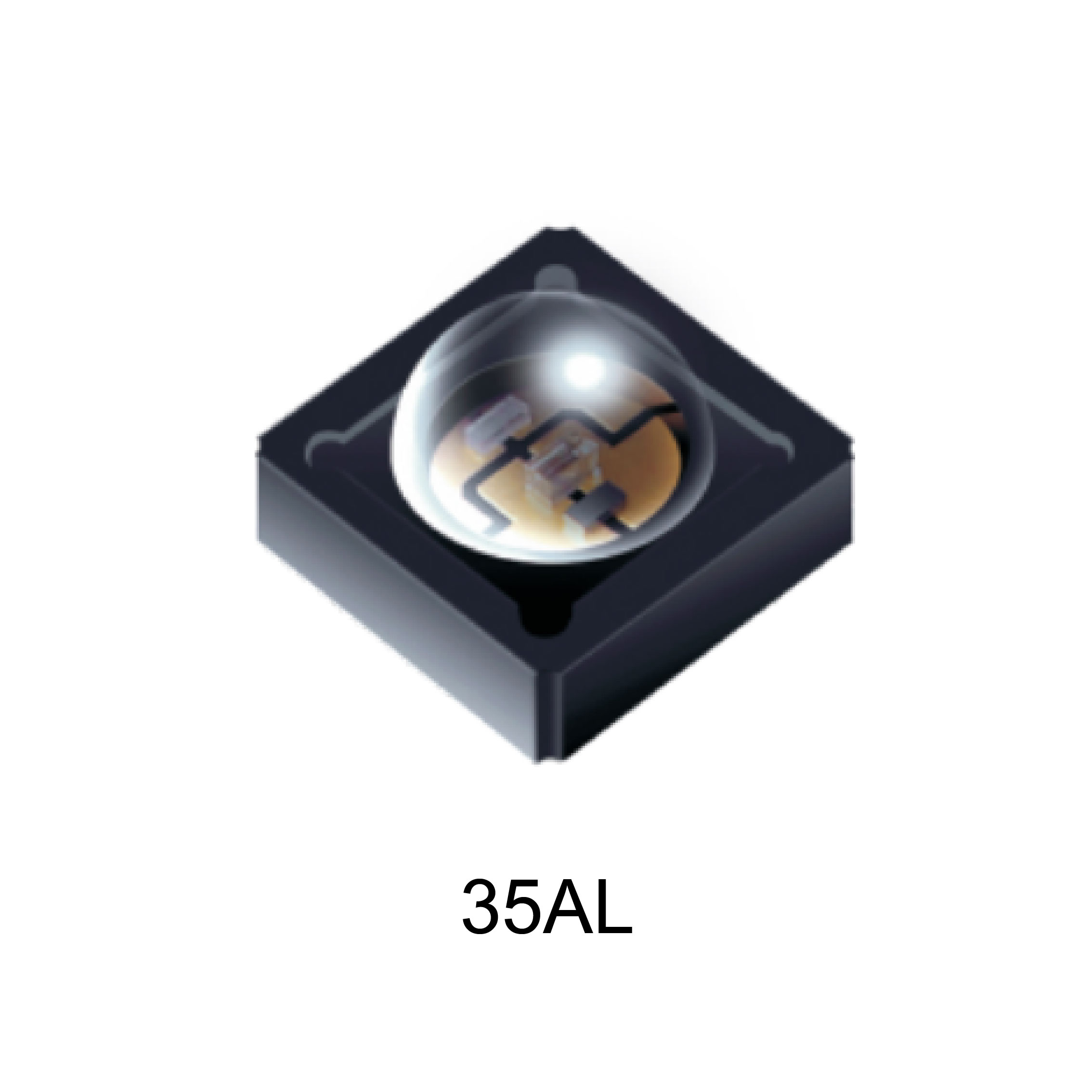
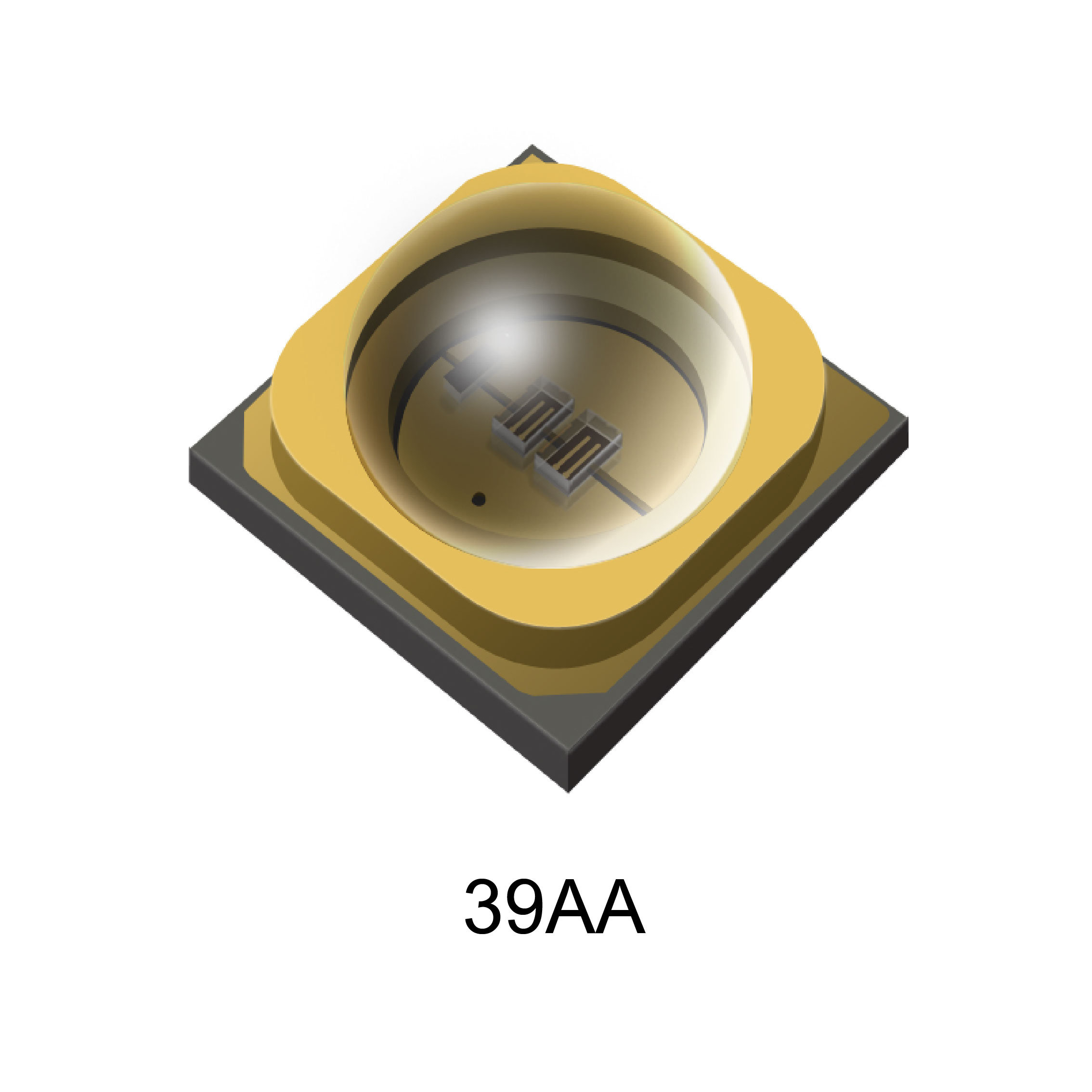
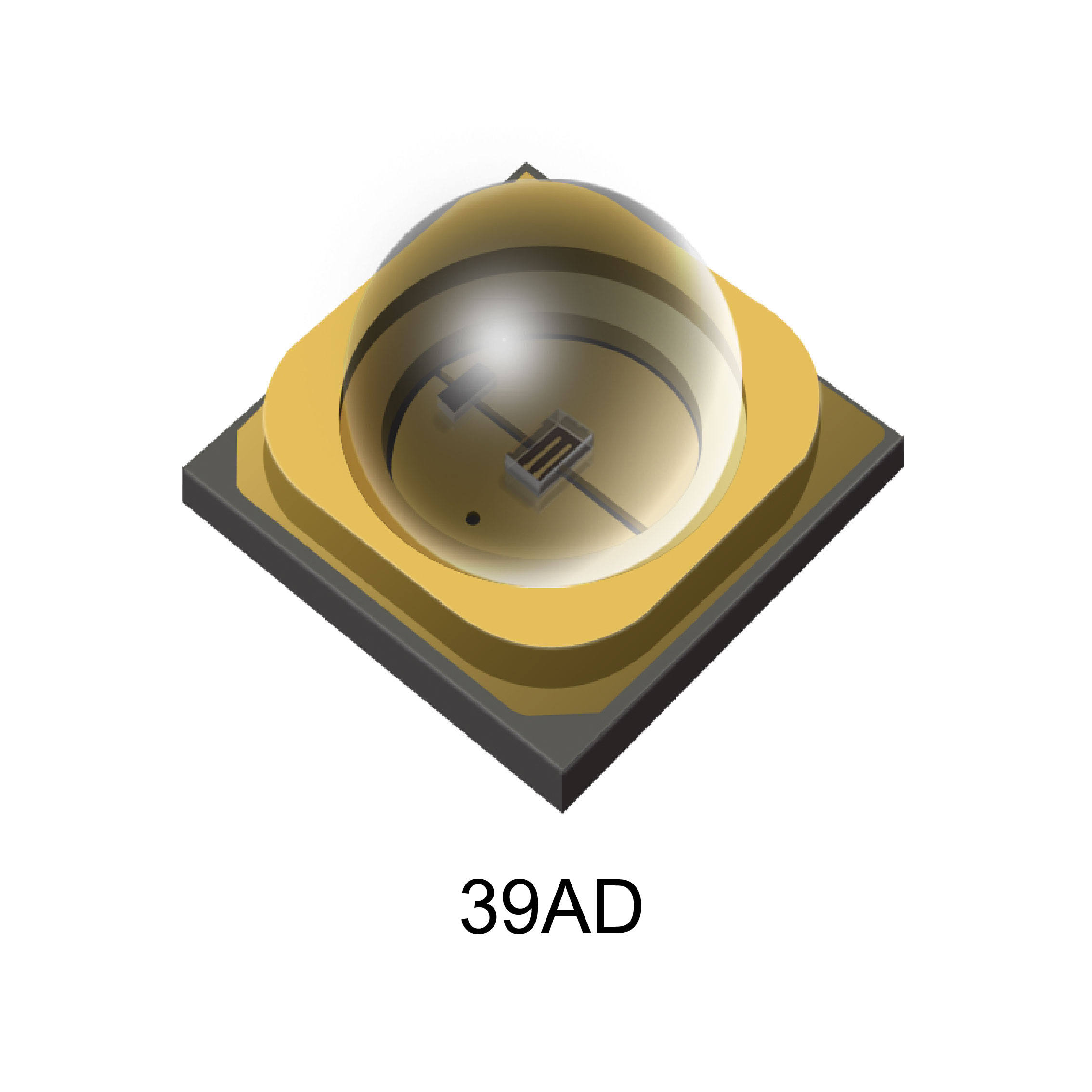
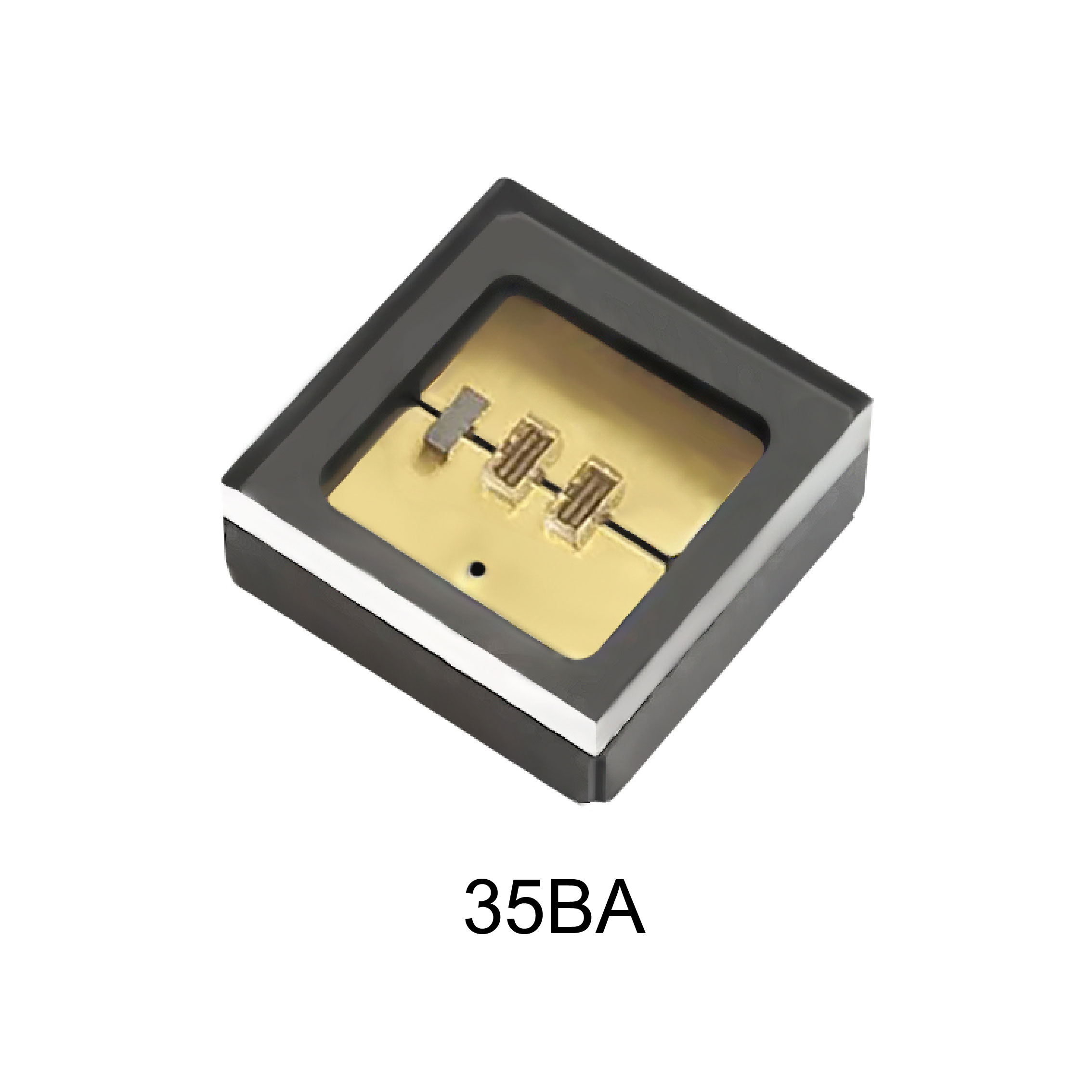
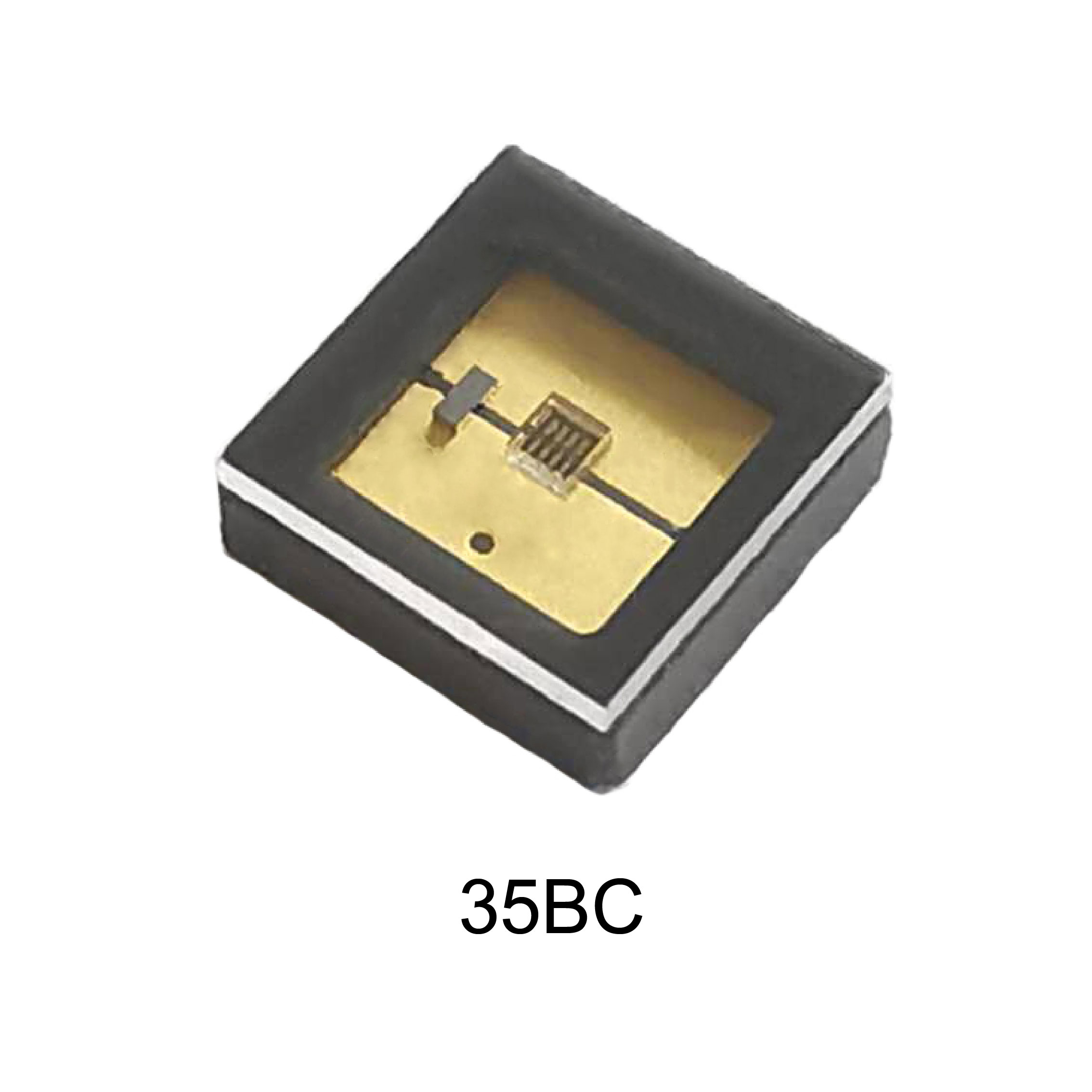
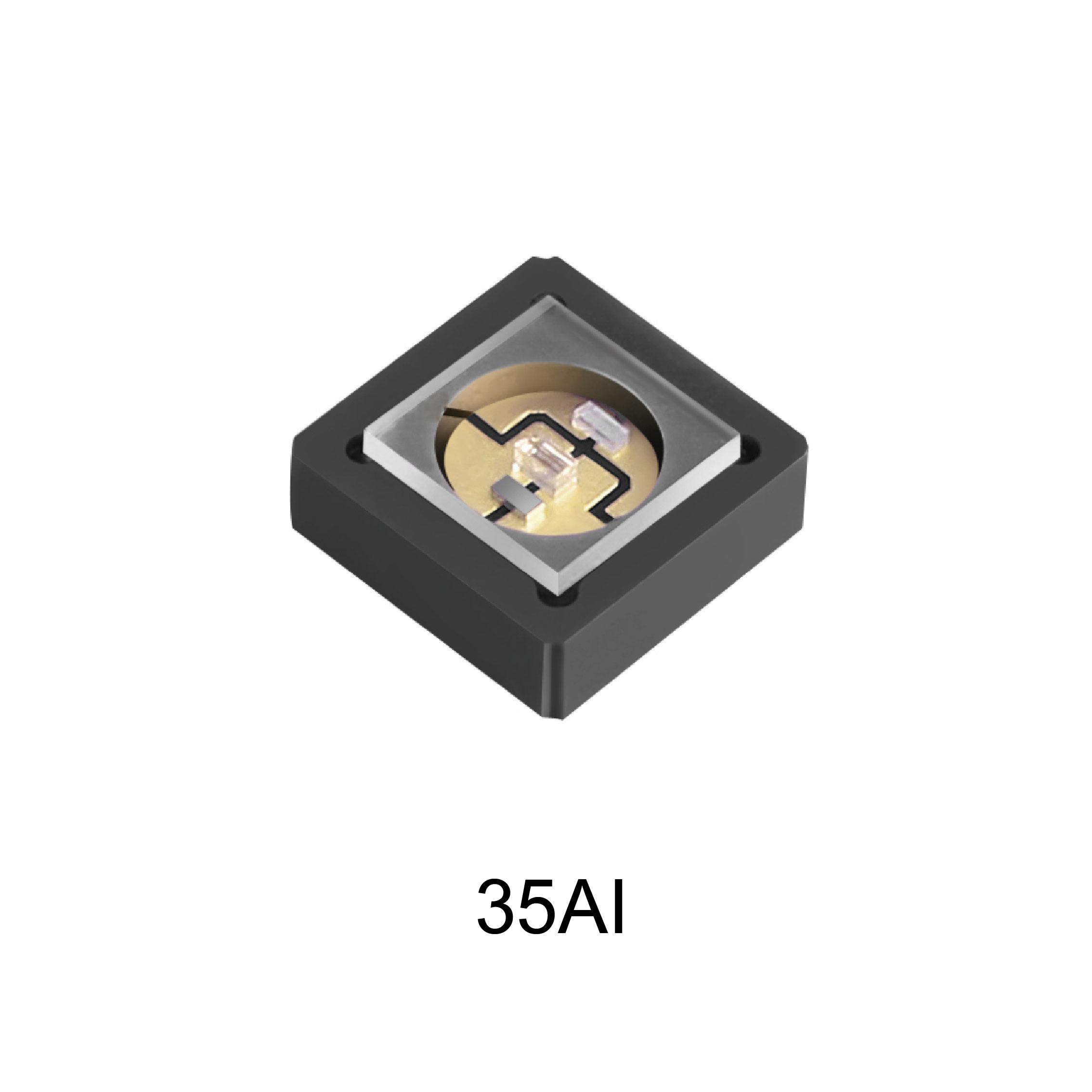
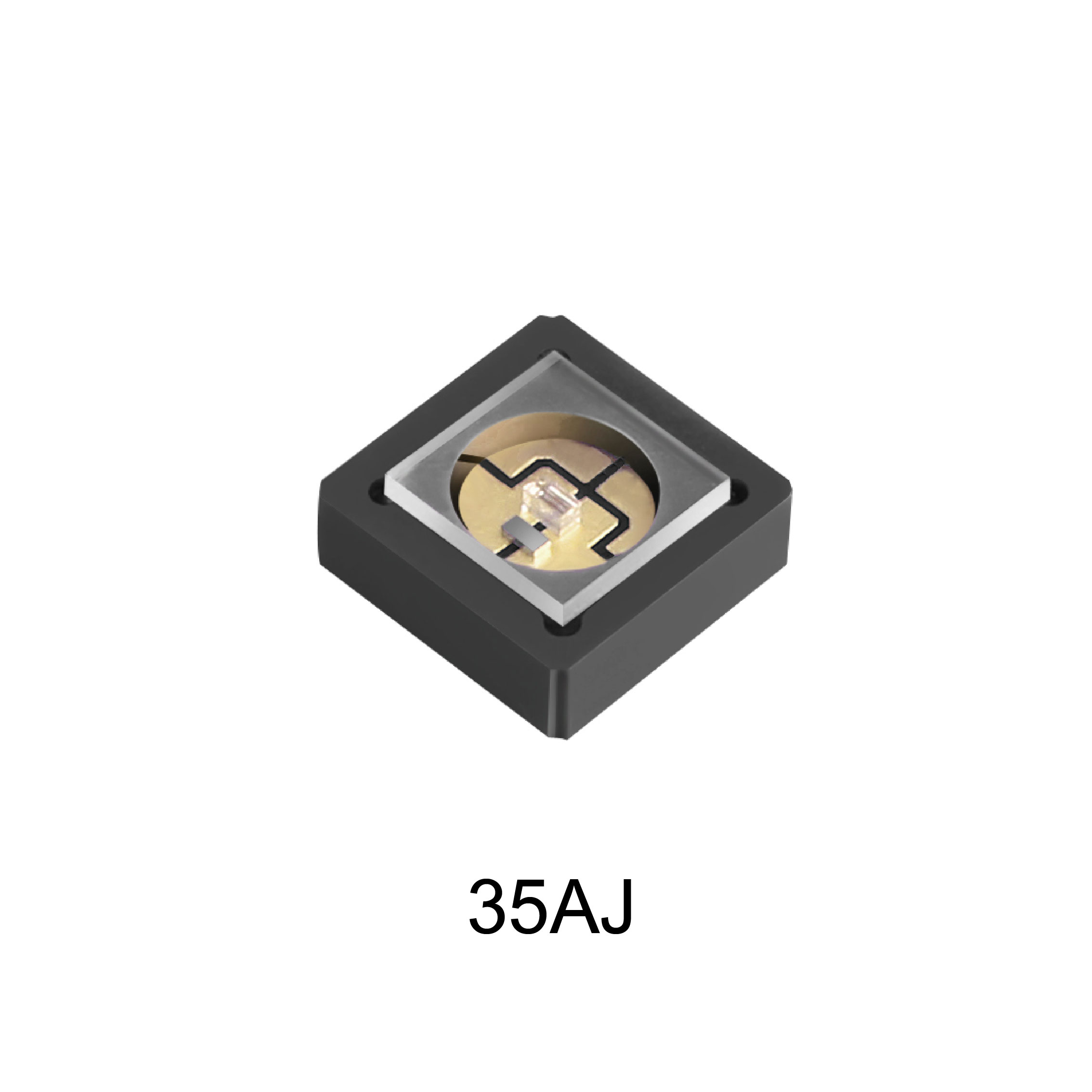
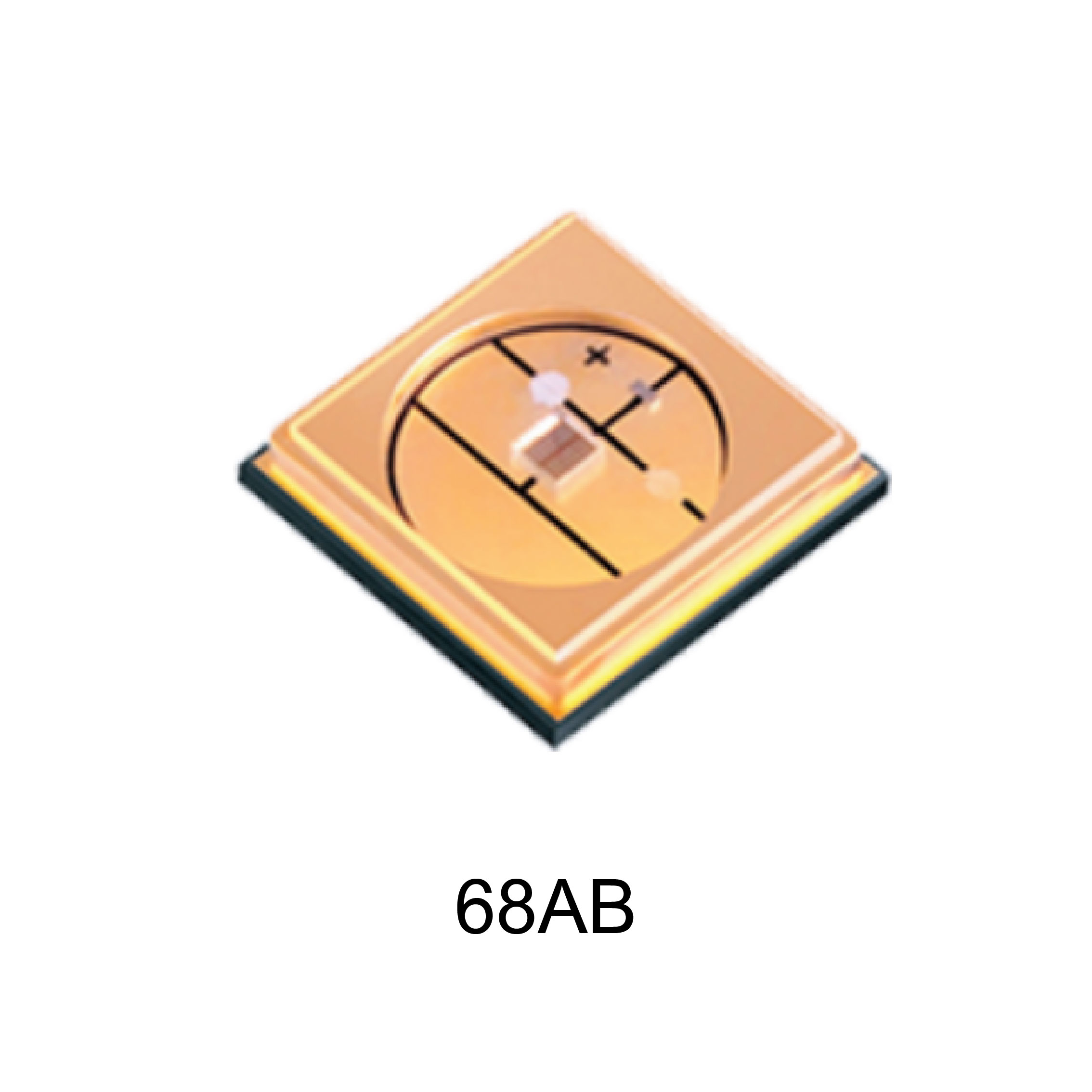
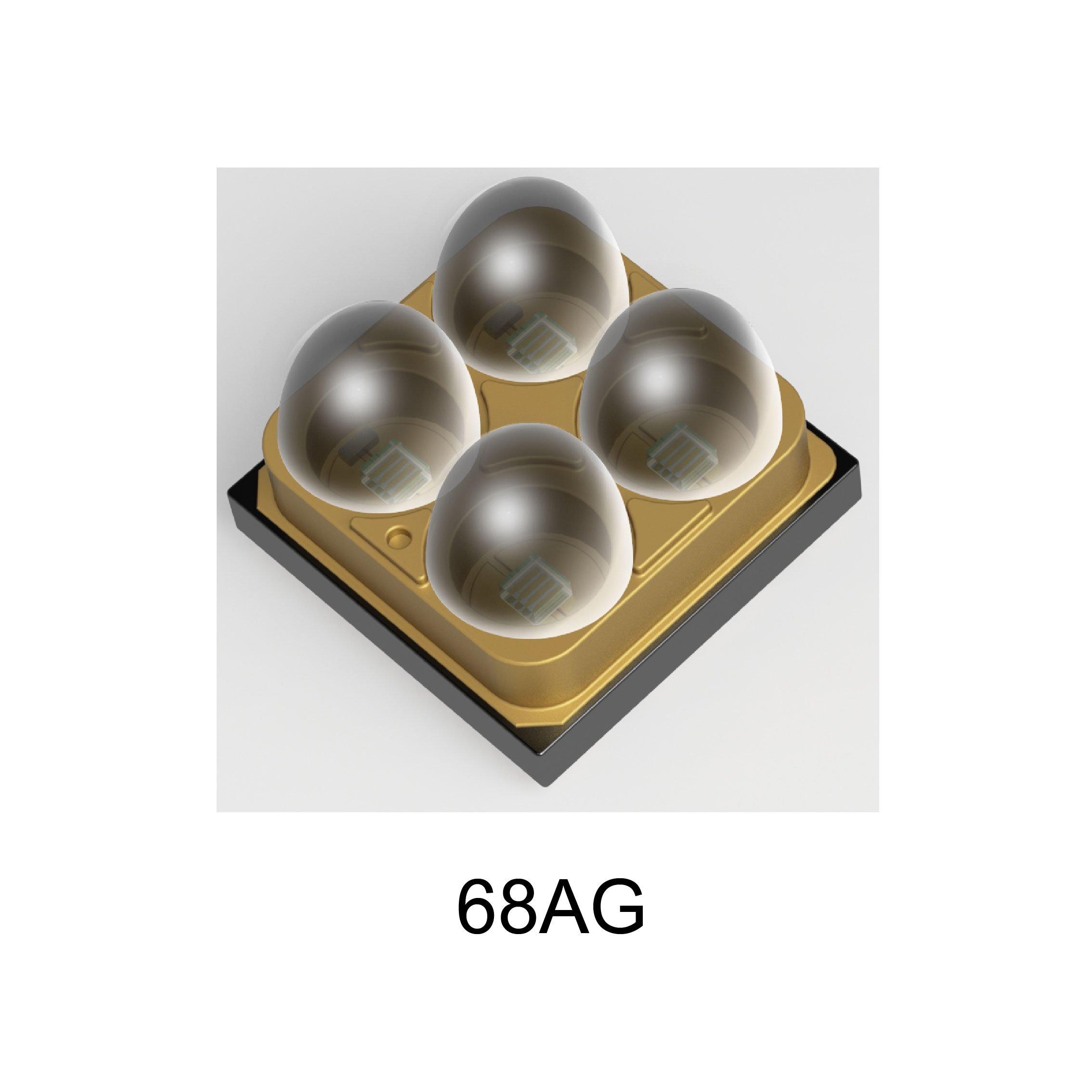
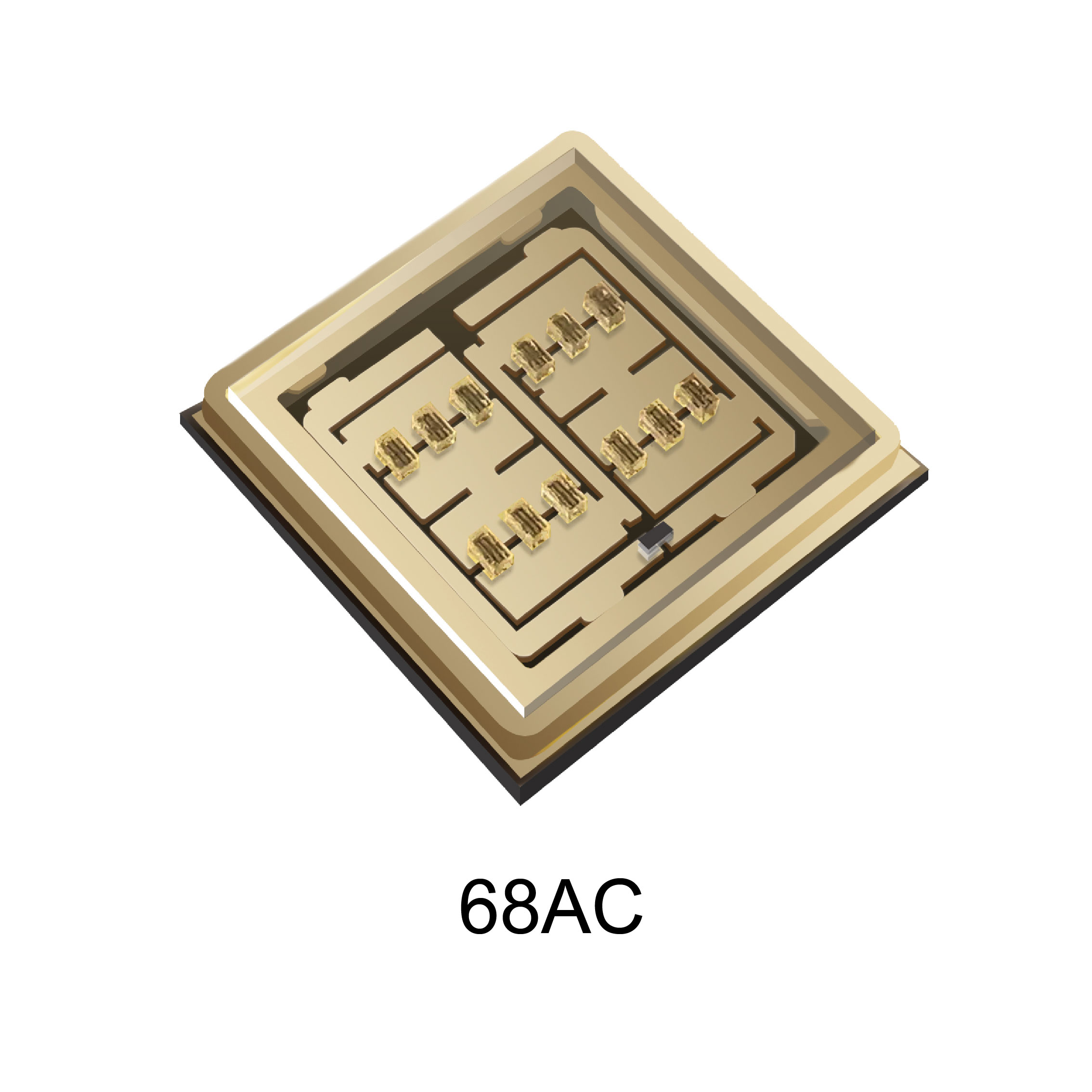
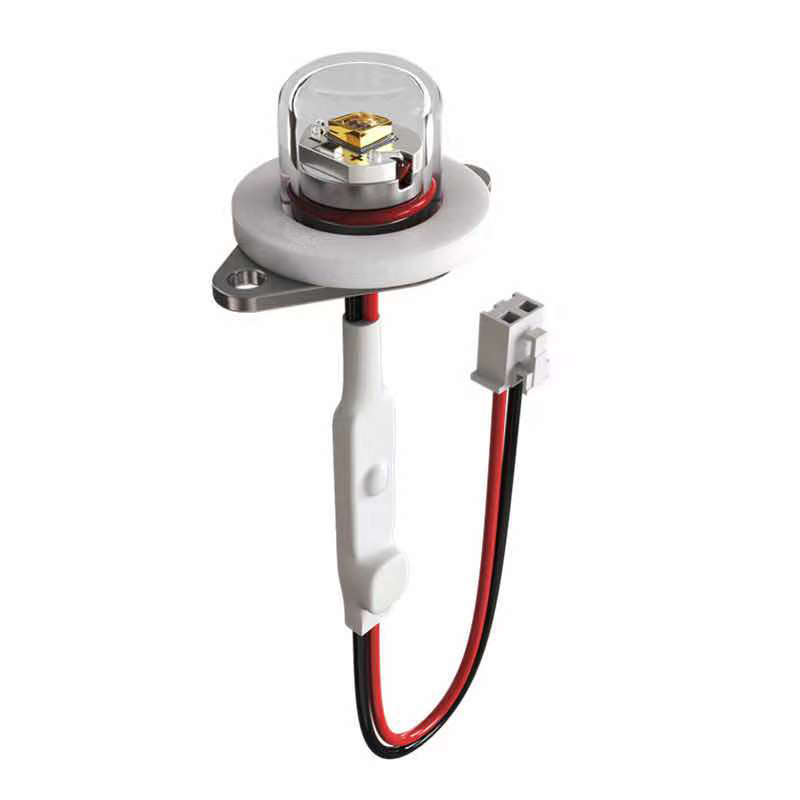
What are the primary applications for the 311nm and 310nm UVB LEDs?
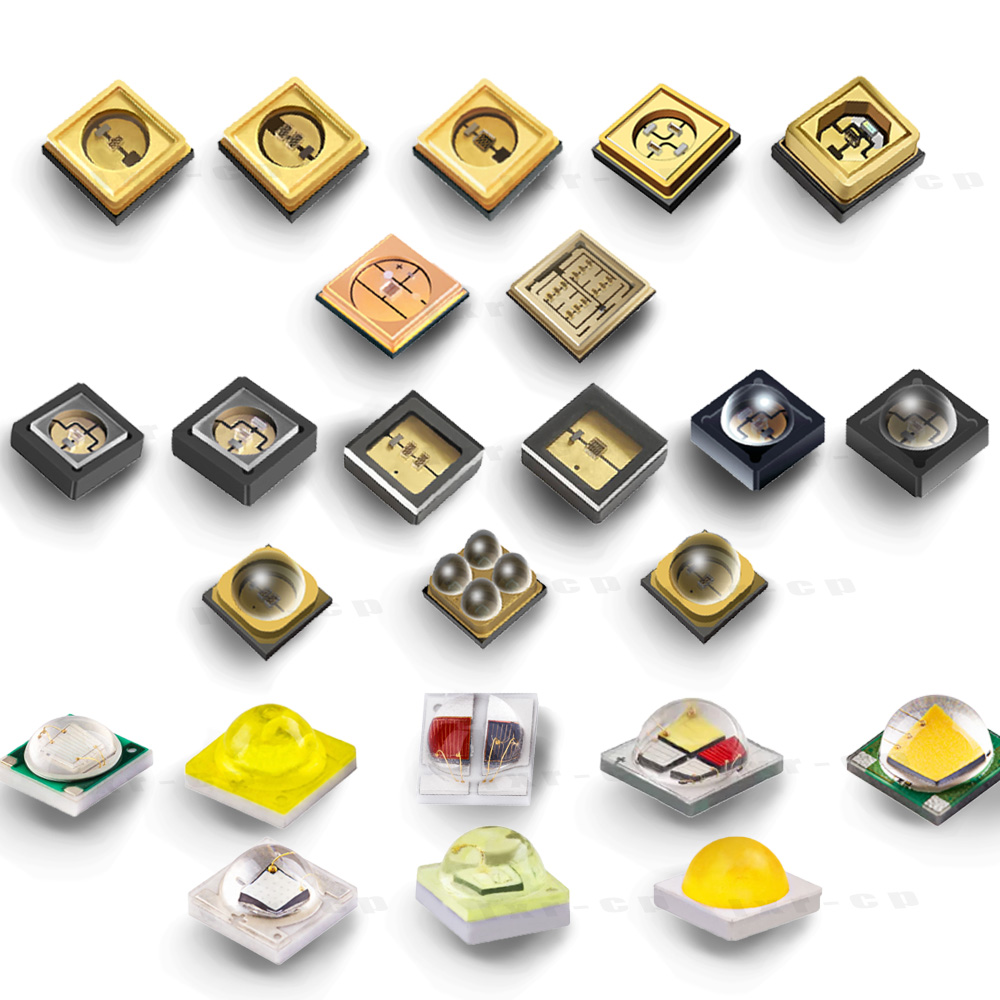
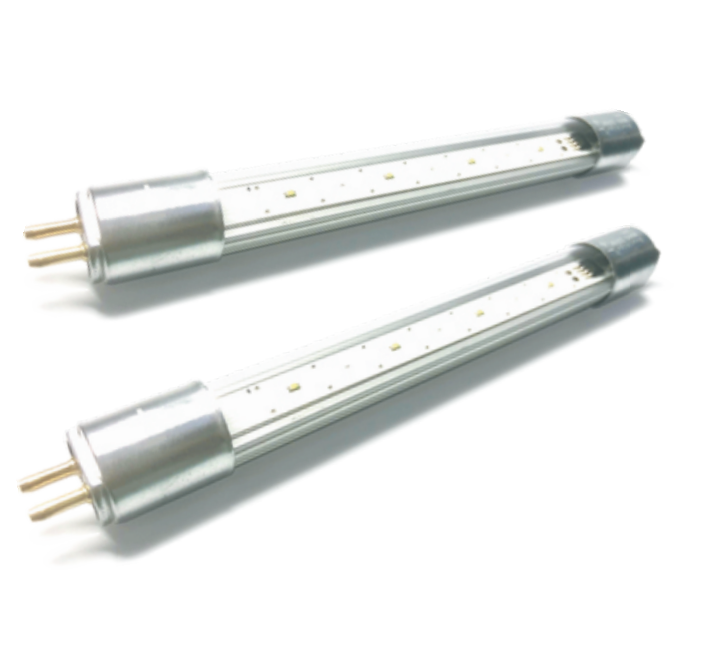
The 311nm and 310nm UVB LEDs are primarily developed for medical skin treatments, such as phototherapy for vitiligo, psoriasis, and eczema. Their specific wavelengths target affected skin cells precisely without damaging the surrounding healthy tissue.
How does the sterilization rate of your UVC water treatment modules compare to conventional methods?
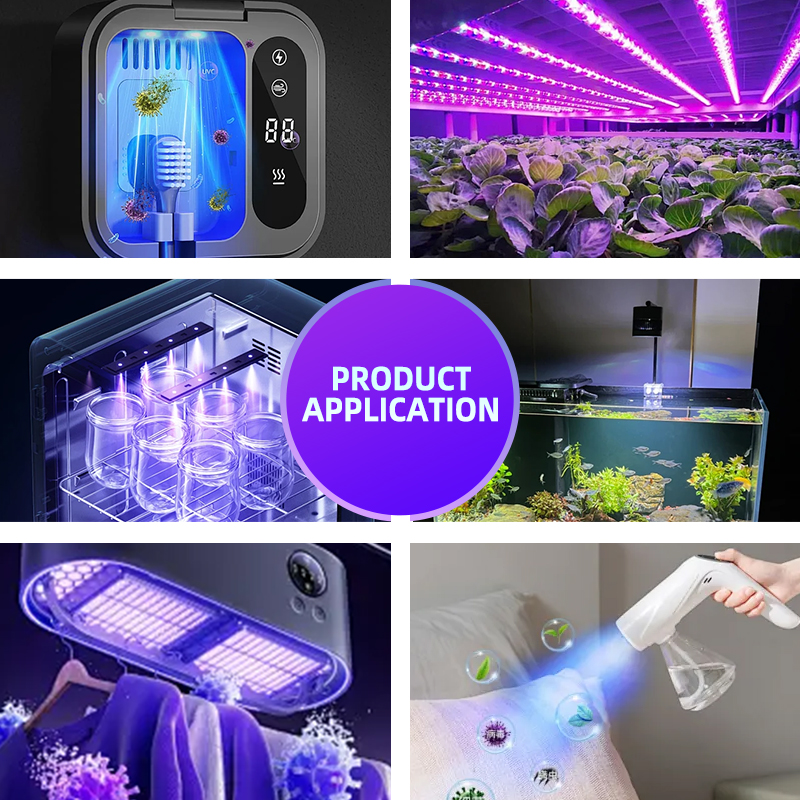
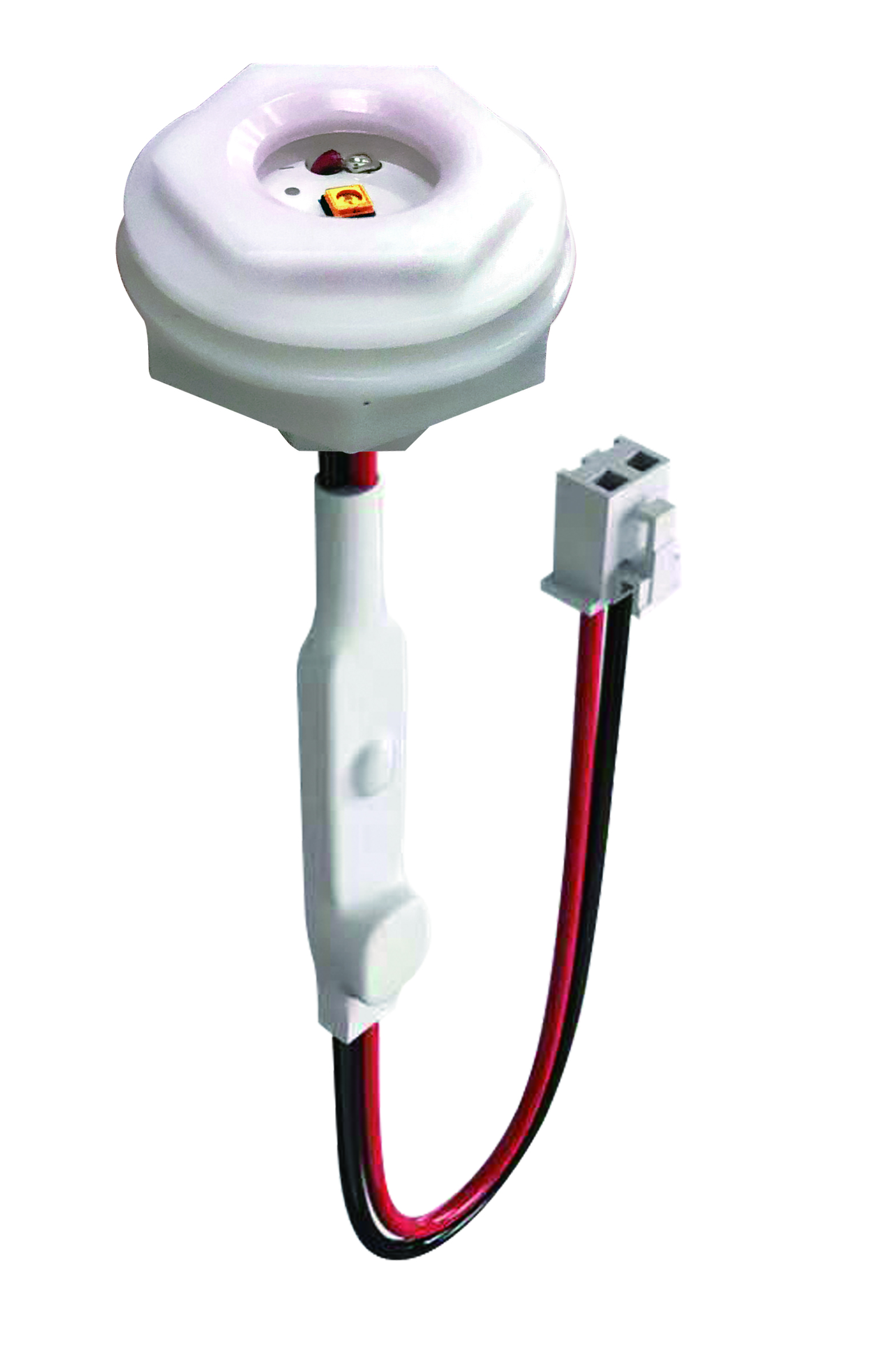
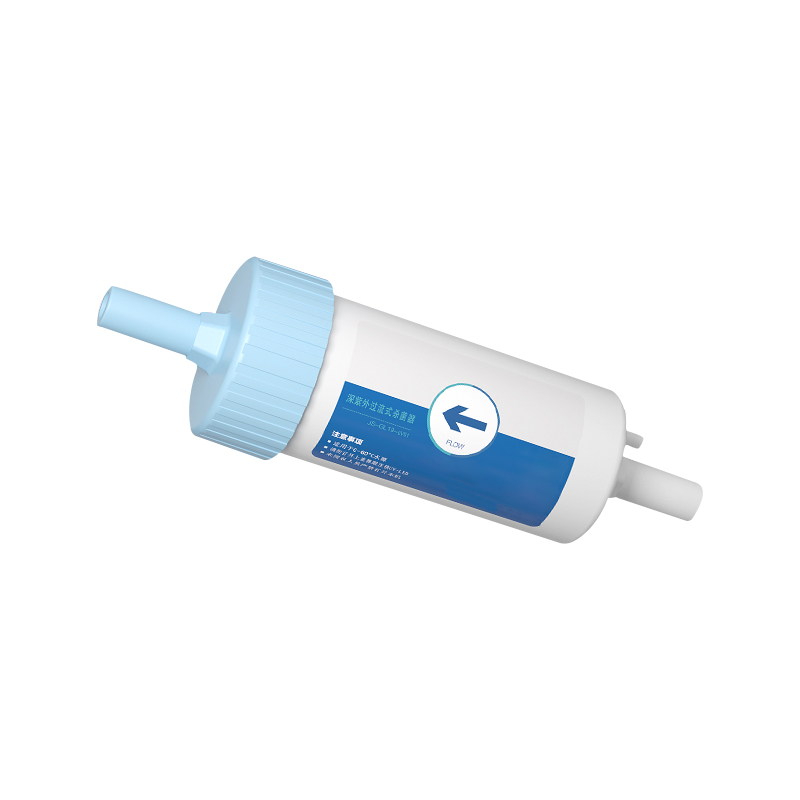
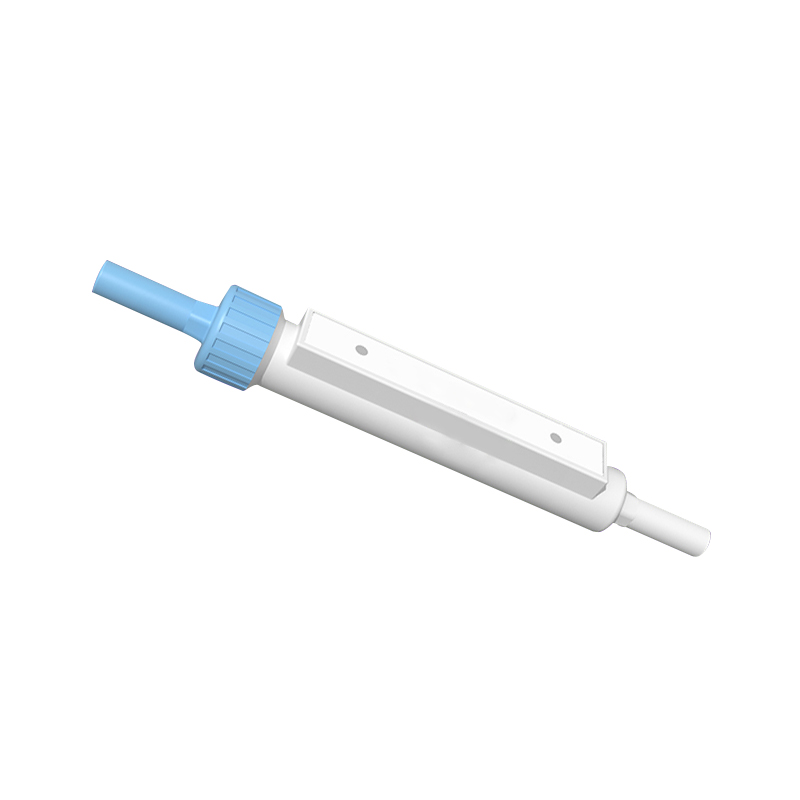
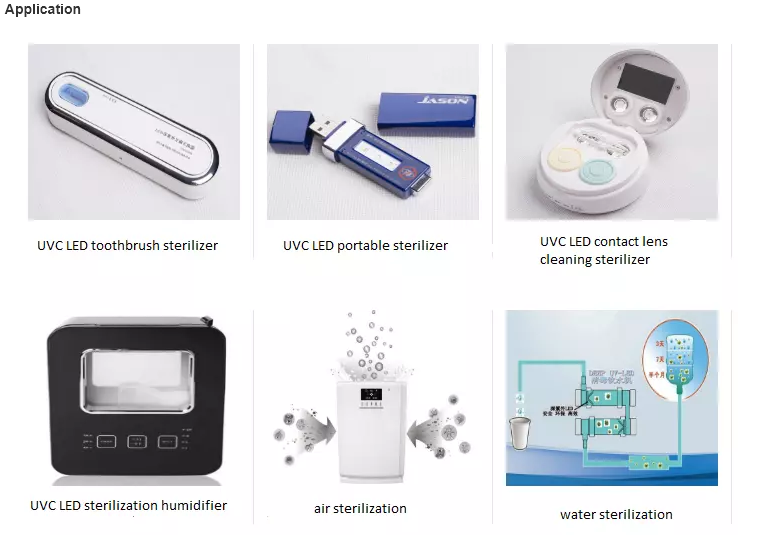
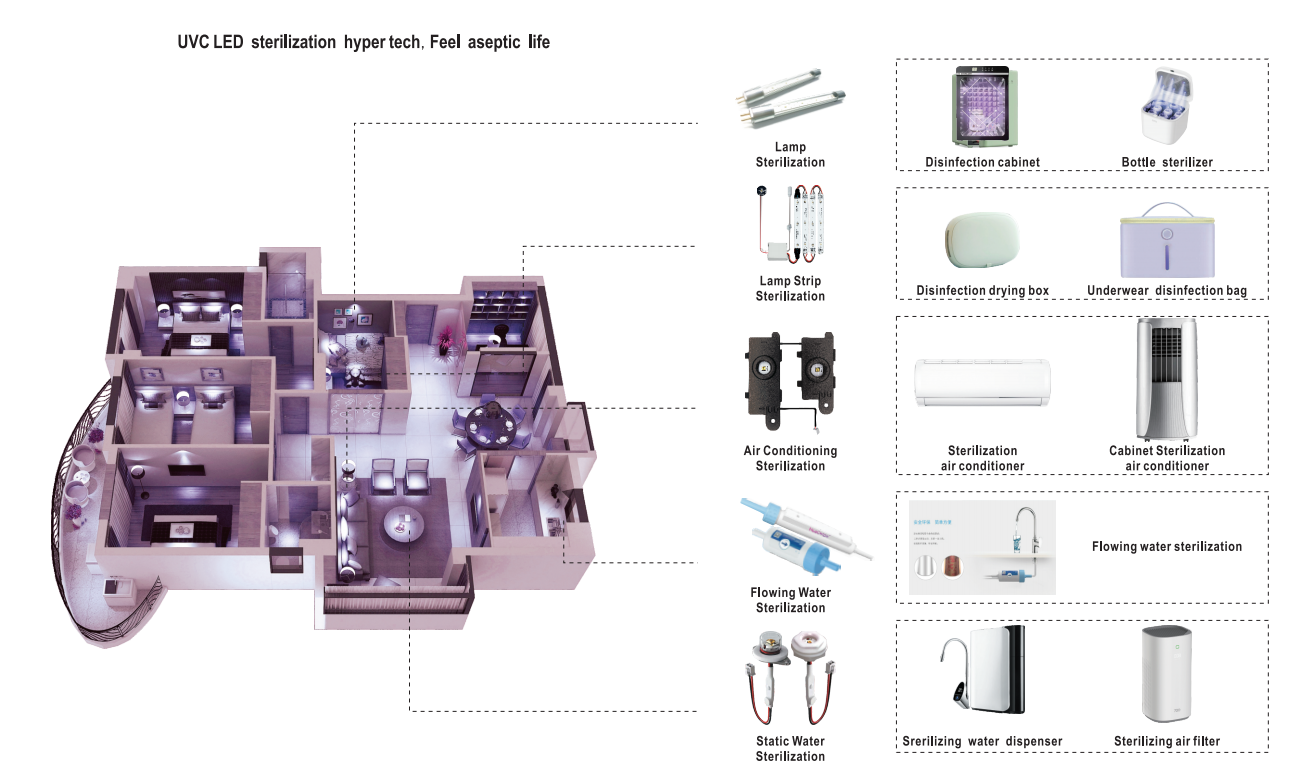
Our static and flowing water UVC treatment modules achieve a sterilization rate of ≥99.9%. Unlike traditional chemical disinfection, UVC LEDs destroy the DNA/RNA of bacteria and viruses rapidly without adding harmful chemical sub-products or altering the taste of water.
Can you customize the specifications of the UVC LED modules?
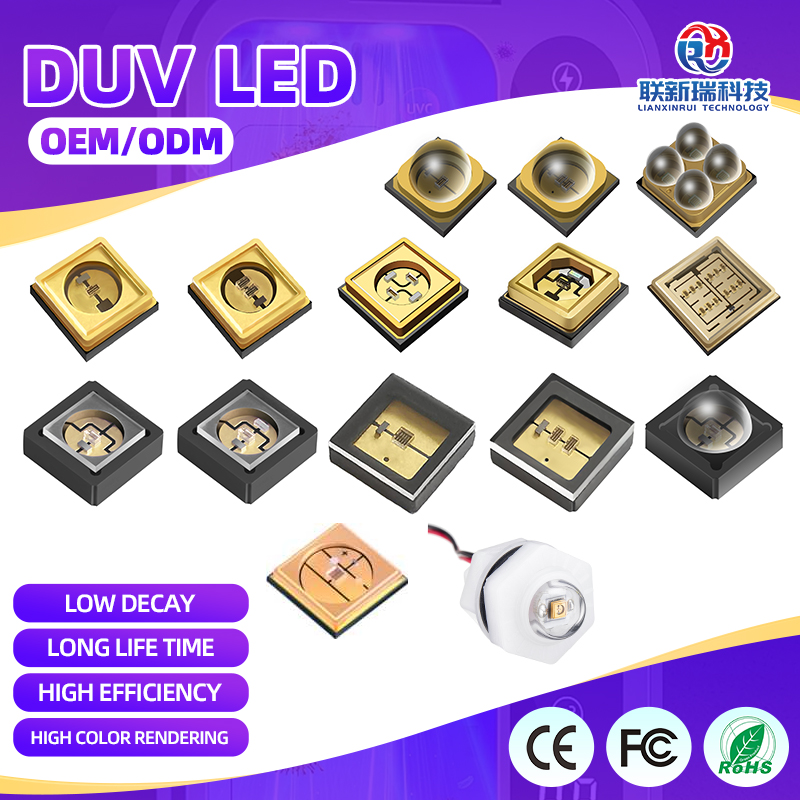
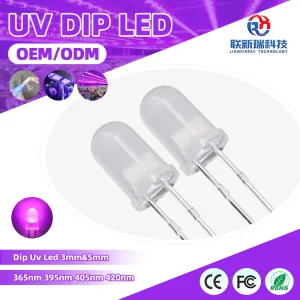
Yes, as a specialized OEM/ODM manufacturer, we can custom-build LED packages, dimensions, power requirements, wavelengths, and beam angles to align with your specific device architecture.
What materials are utilized to ensure the reliability and lifespan of the LEDs?
We employ industry-leading materials including chips from reputable brands (Epileds, Epistar, Osram, Bridgelux), thick red copper frames for superior thermal dissipation, Dow Corning silicone glue, and 99.99% pure golden wire (1.2μm diameter) to guarantee stable performance over a 50,000-hour lifespan.
What is the difference between the Gold, Focus, Elegence, and Power series?
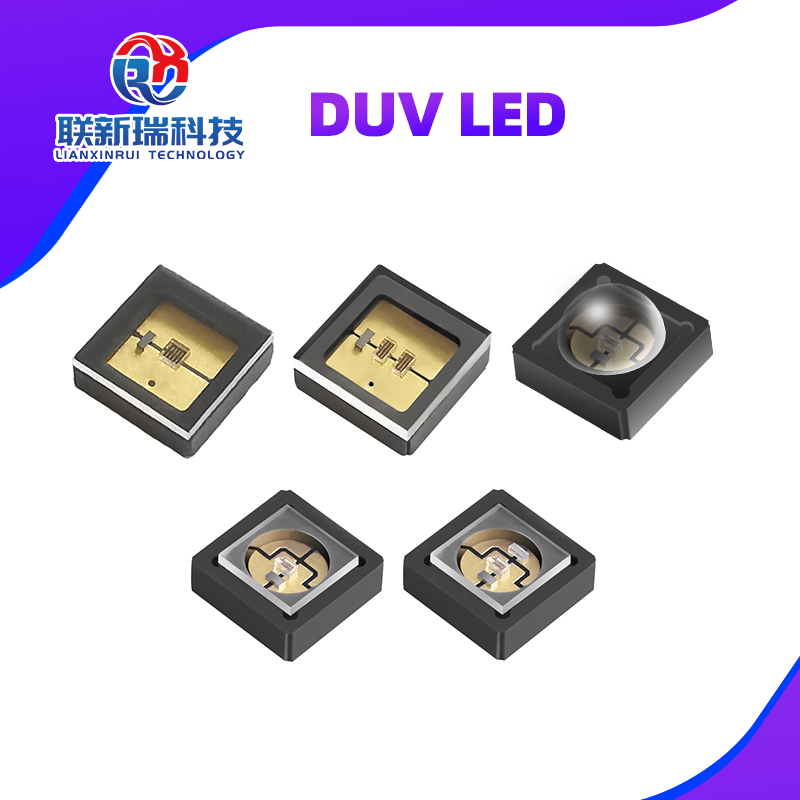
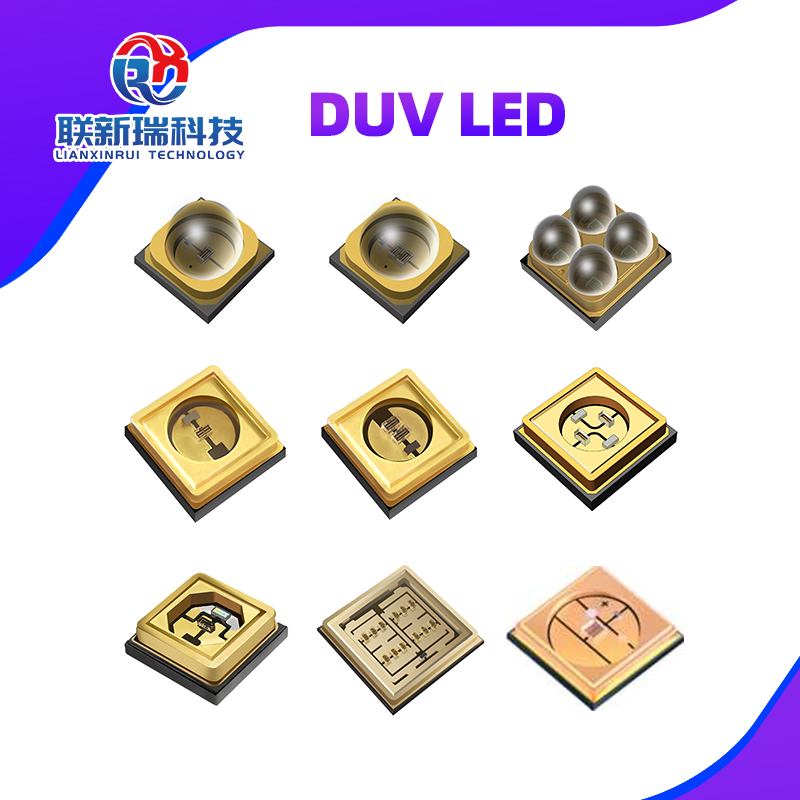
These series are structured around different product requirements: the Gold series offers highly stable base specifications; the Focus series specializes in narrower beam angles (60°); the Elegence series provides standard 120° output configurations; and the Power series delivers higher operating currents (up to 400mA) and superior radiant flux outputs for demanding applications.
What thermal management precautions should be taken for high-power UV LEDs?
To reach the maximum lifespan of 50,000 hours, it is vital to keep the working temperature of the LED chip lower than 60°C. Proper integration with heat sinks or thermal interface materials (TIMs) is strongly recommended.
 LumiCure Light