LumiCure Light
1 / 5
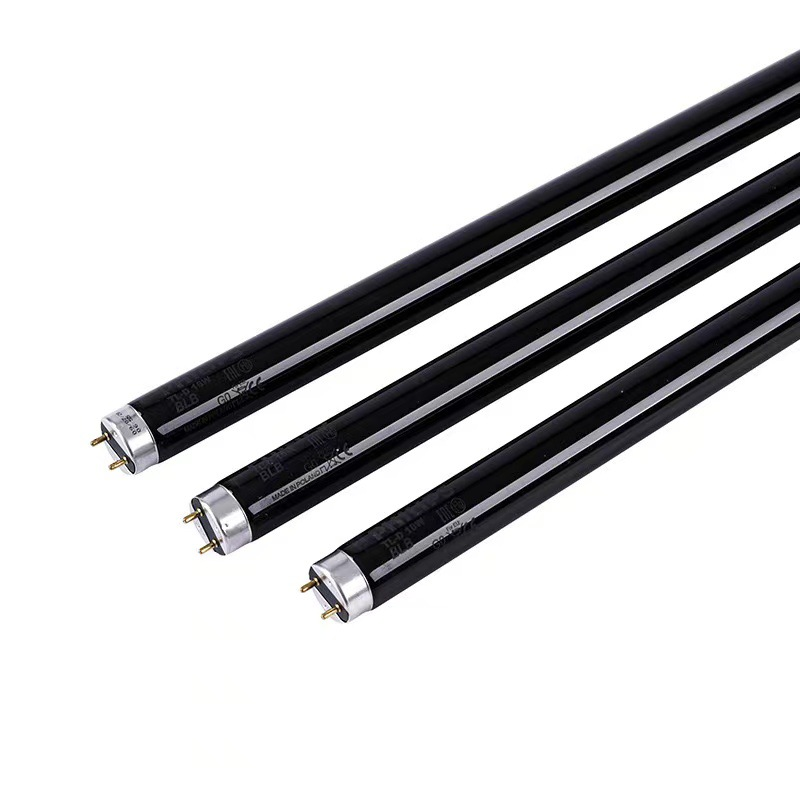
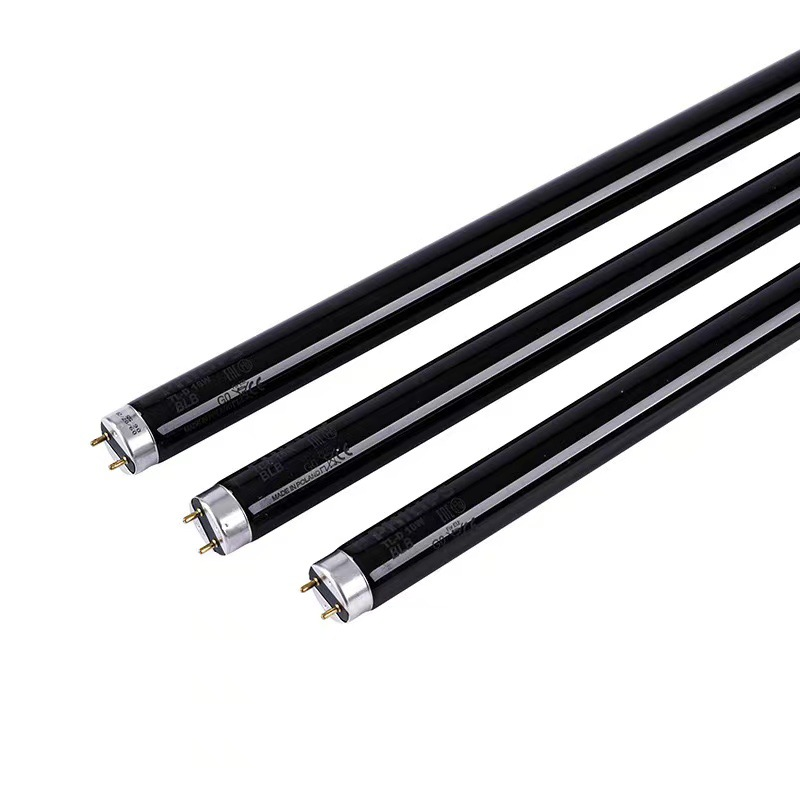
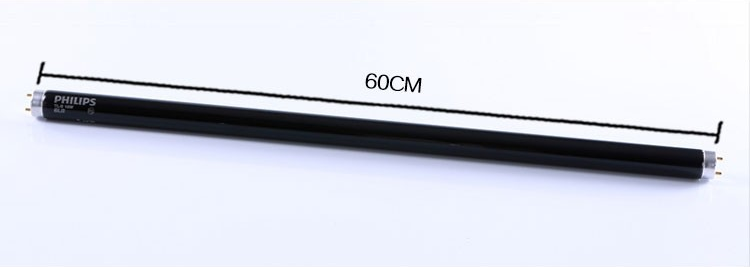
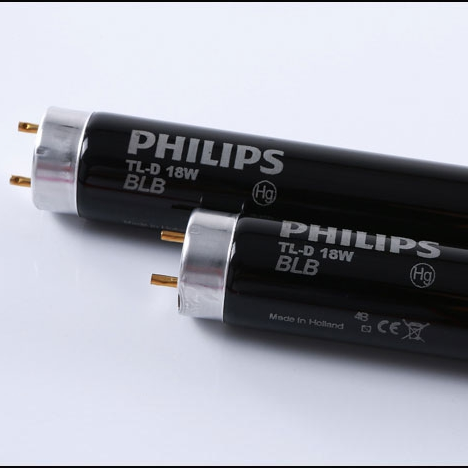
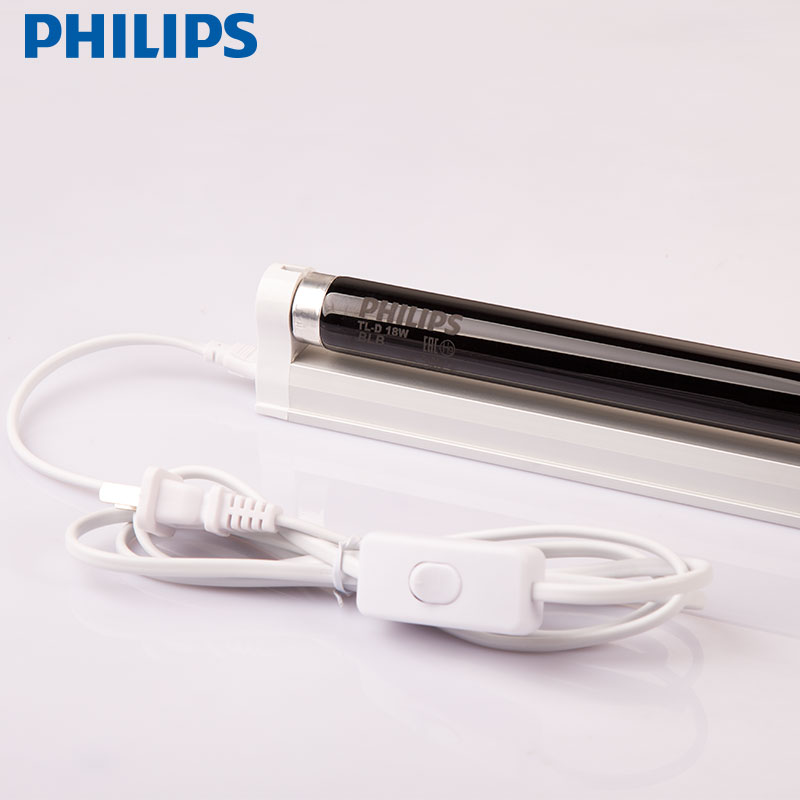
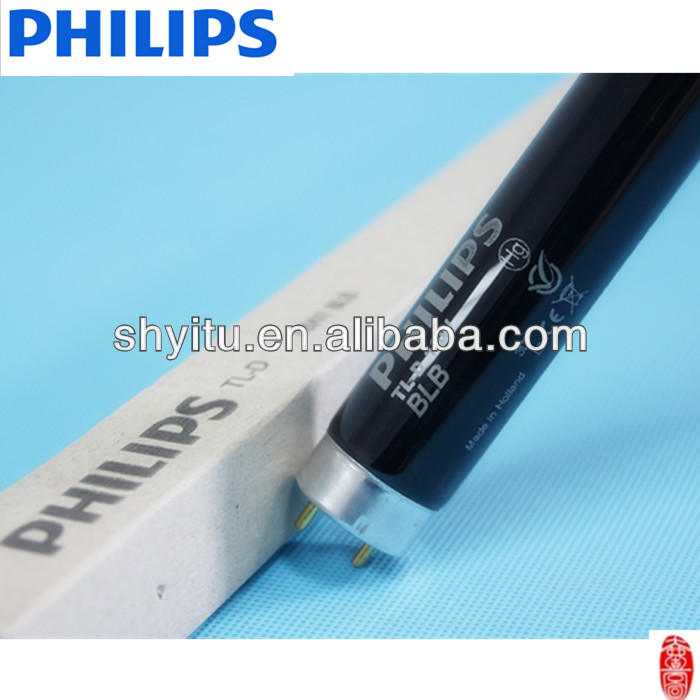
Low-pressure mercury vapour discharge lamps. The inner envelope is coated with a fluorescent powder, emitting long wave UV radiation to excite luminescence. The dark blue glass envelope transmits UV-A radiation, but only minimum visible radiation, as the latter would interfere with luminescence. TL(D)/08(RS) Blacklight Blue lamps have a straight outer envelope, and operate on AC mains supply via a ballast and a starter.
The PL-S 9W/08 lamp consists of two single-ended fluorescent tubes melted together; the PL-S 9W 2P lamp base contains a specially designed starting characteristics.
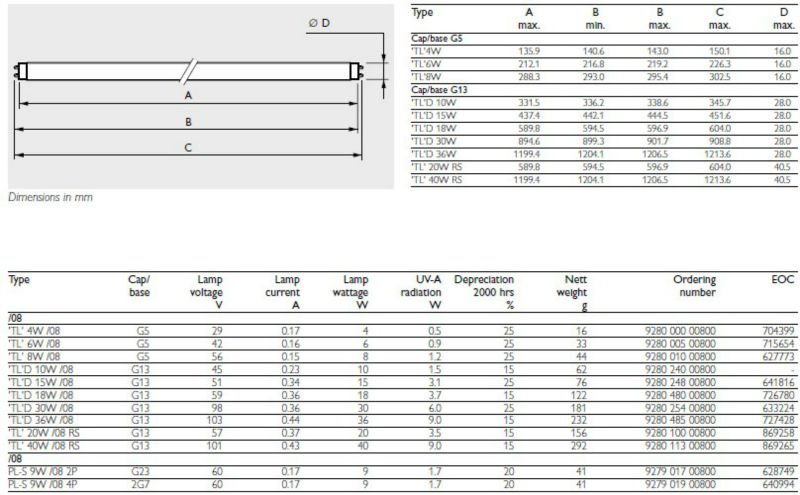






It is a low-pressure mercury vapour discharge lamp with an inner envelope coated with fluorescent powder. This powder emits long-wave UV radiation to excite luminescence, while the dark blue glass envelope filters out most visible light.
The dark blue glass envelope is designed to transmit UV-A radiation while blocking visible light, preventing any interference with the target luminescence effect.
The PL-S 9W/08 lamp is made of two single-ended fluorescent tubes merged together, featuring a specially designed lamp base built for reliable starting characteristics.
These straight outer envelope lamps operate on an AC mains supply and require both a suitable ballast and a starter to run safely and efficiently.
Common applications include analysis in the chemical and textile industries, archaeology, criminology, banking (such as counterfeit detection), medicine, food safety, mineralogy, philately, and creating special visual effects in clubs and theatres.