In the rapidly expanding market of photopolymerization, selecting a partner from the pool of CE certified UV LED light fixture factories is critical to securing operational safety, electromagnetic compatibility, and longevity. The "CE" mark signifies compliance with stringent European Union directives, including the Low Voltage Directive (LVD) 2014/35/EU, the Electromagnetic Compatibility (EMC) Directive 2014/30/EU, and the Photobiological Safety Standard EN 62471, which evaluates eye and skin hazards from light sources. An uncertified UV fixture introduces substantial operational vulnerabilities, ranging from electromagnetic interference (EMI) that disrupts factory-floor automation networks, to catastrophic thermal runaways caused by inferior Chip-on-Board (COB) arrays.
Engineered for high-intensity output, optimal thermal management, and reliable industrial curing processes.
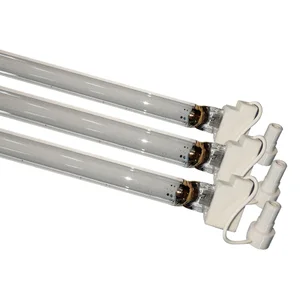
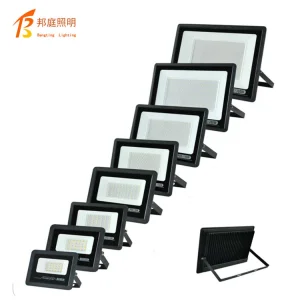
Dongguan LumiCure Light Co., Ltd. is a professional China UV LED curing lamp manufacturer specializing in the research, development, production, and supply of industrial UV curing systems and customized UV LED solutions. With a strong focus on innovation, quality, and customer satisfaction, LumiCure has become a trusted partner for manufacturers worldwide seeking efficient and reliable curing technologies.
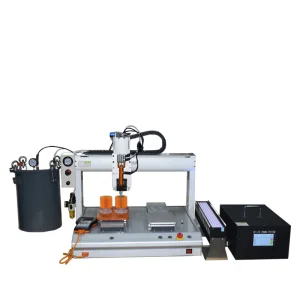
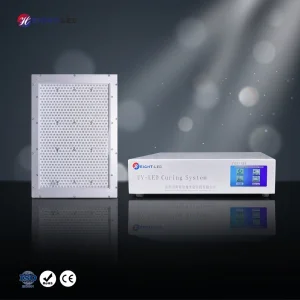
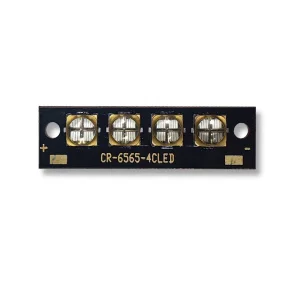
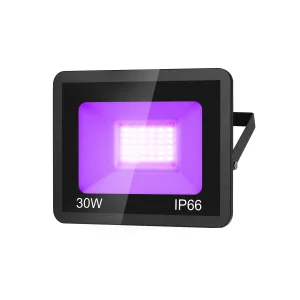
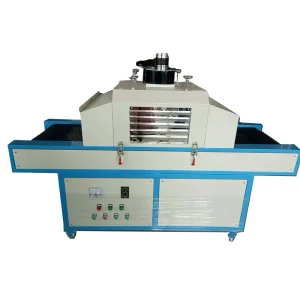
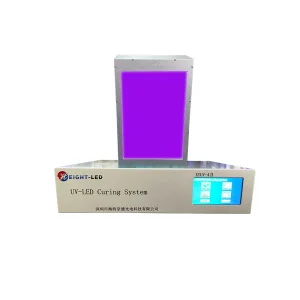
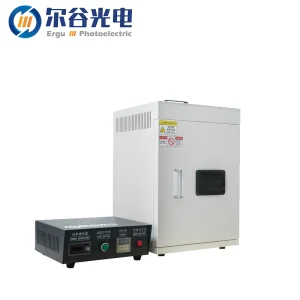
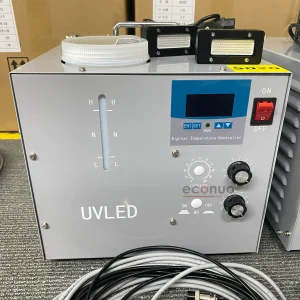
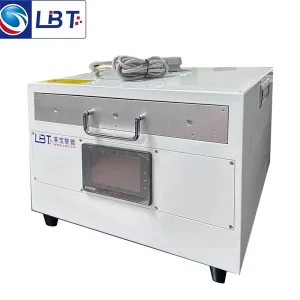
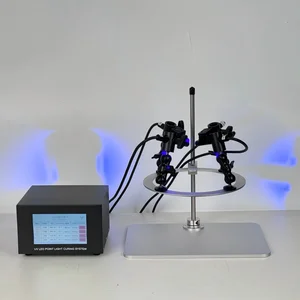
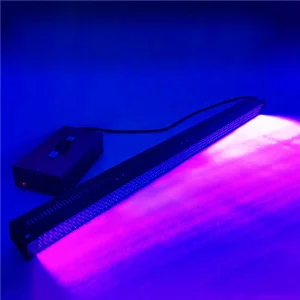
Our product range includes UV LED curing lamps, UV LED spot curing systems, flood curing lamps, conveyor UV curing machines, UV LED modules, printing curing systems, adhesive curing equipment, and customized industrial UV solutions. These products are widely applied in printing, electronics assembly, semiconductor packaging, optical bonding, automotive manufacturing, medical devices, 3D printing, and various precision industrial processes.
Backed by an experienced engineering team and advanced manufacturing facilities, LumiCure is committed to developing energy-saving and environmentally friendly UV curing technologies. Our products feature high curing efficiency, precise wavelength output, long service life, low maintenance requirements, and intelligent control capabilities, helping customers improve productivity while reducing operating costs.
Quality remains the foundation of our business. Every product undergoes rigorous testing and strict quality control procedures throughout the manufacturing process to ensure consistent performance and reliability. We also provide comprehensive OEM and ODM services, enabling customers to customize products according to their specific technical and application requirements.
Serving clients across Europe, North America, Asia, the Middle East, and other global markets, Dongguan LumiCure Light Co., Ltd. continues to deliver innovative UV LED curing solutions that support sustainable and efficient industrial manufacturing.
Why leading global enterprises choose Chinese manufacturing hubs for industrial-grade UV curing sourcing.
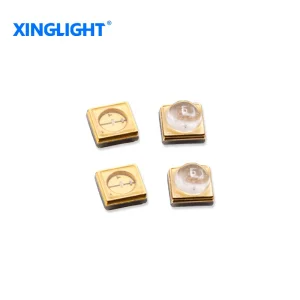
From high-purity silicon carbide wafers to packaging chips (like Seoul Viosys, LG Innotek, or domestically optimized Epileds), and precision optical quartz lens molding, Chinese hubs like Dongguan aggregate every phase of the value chain. This physical proximity minimizes transit lead times and stabilizes manufacturing tolerances.
Unlike Western competitors that catalog standard off-the-shelf fixtures, Chinese factories offer highly dynamic engineering departments. They can rapidly prototype custom-designed water-cooled manifolds, localized optical collimation arrays, and multi-wavelength emission windows matching specific resin photoinitiator profiles.
Through optimized automation, large-volume raw material procurement, and localized assembly lines, Chinese factories produce CE-compliant fixtures at a fraction of the cost. This dramatically reduces capital expenditure for large-scale conversions from mercury arc lamps to green, power-efficient UV LED arrays.
Analyzing shifts in optical design, thermodynamic dissipation, and smart industrial integration.
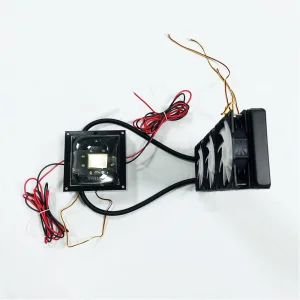
Thermal management is the single most critical factor determining the life and wavelength consistency of a UV LED chip. If the junction temperature of a 365nm chip exceeds 80°C, the spectral output shifts, leading to incomplete polymer curing and premature chip decay. Modern Chinese factories have developed two cooling paths:
Historically, UV curing relied on monochromatic 365nm UV-A light. However, complex chemistry profiles, such as highly pigmented inks or deep-pour optical adhesives, require dual or quad-wavelength configurations (e.g., combining 365nm, 385nm, 395nm, and 405nm in a single array). The shorter wavelengths cure the surface layer to prevent oxygen inhibition, while the longer wavelengths (395/405nm) penetrate deep into the material substrate, ensuring thorough polymerization and reducing internal mechanical stresses.
Customized configurations designed to integrate seamlessly into diverse production environments.
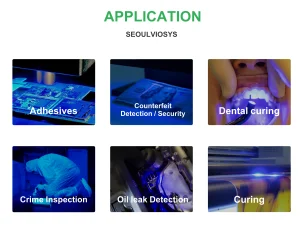
In semiconductor wafer dicing and packaging, precise, high-uniformity UV illumination is crucial. UV-release tape is exposed to 365nm wavelengths to reduce tackiness, allowing safe die sorting. In optoelectronics (e.g., camera module assembly, lens positioning), shadowless UV adhesives must cure in milliseconds under high-intensity spot systems to lock sub-micron alignments in place without thermal expansion errors.
High-speed packaging, flexographic labels, and wide-format flatbed printing machines rely on immediate curing of UV inks to prevent running or smudging. By implementing liquid-cooled UV LED curing systems emitting at 395nm, printers can run at speeds exceeding 150m/min. Additionally, the lack of infrared (IR) heat emission prevents thin plastic film substrates from warping.
Manufacturing needles, catheters, and fluid management systems demands total process control. CE-certified spot-curing setups provide closed-loop irradiance feedback, verifying that the exact dosage of light is applied to each bond. Because these systems are cleanroom compatible, they do not emit ozone or generate heat-induced convection currents that stir up dust particles.
To achieve scratch resistance, UV-stabilized clear coats are applied to automotive headlights, trim pieces, and windscreens. High-power flood-curing lamps and tunnel conveyor ovens ensure complete coverage of 3D-shaped components, accelerating cross-linking densities to maximize durability and weather resistance.
A professional audit checklist for purchasing managers, QA engineers, and operations directors.
When evaluating supplier factories in mainland China, global enterprises should go beyond catalog price points to audit these parameters:
Technical answers to complex questions regarding operation, maintenance, and specification design.
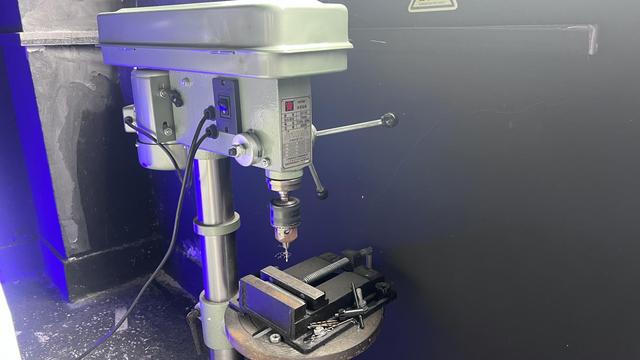
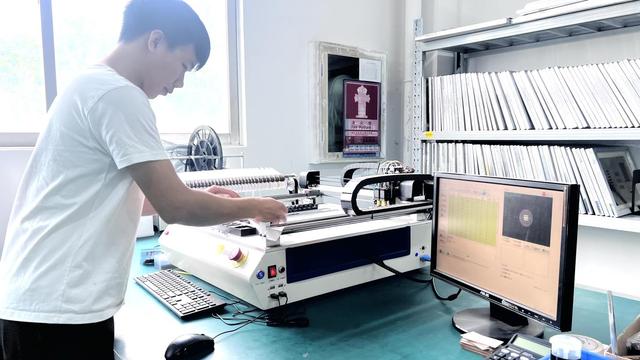
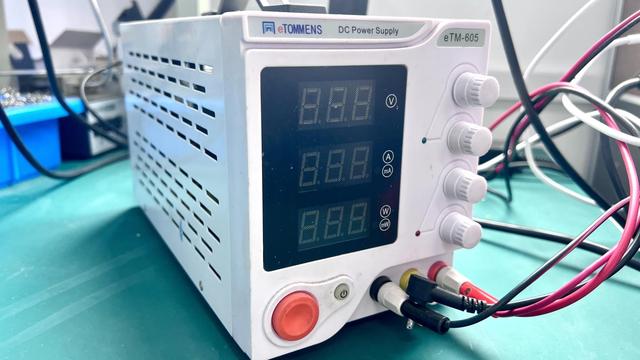
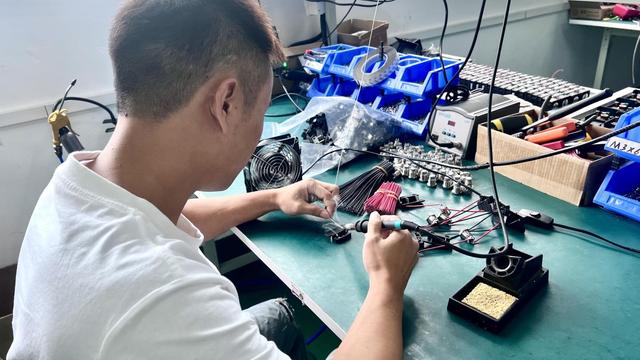
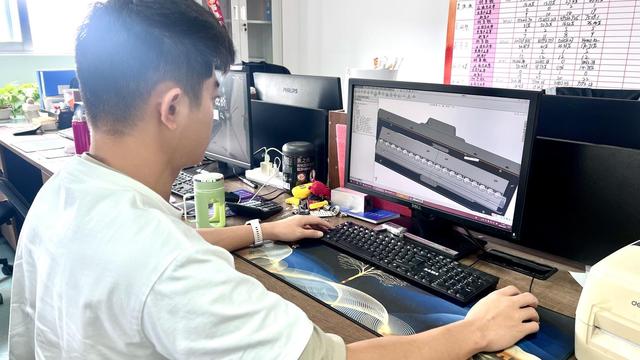
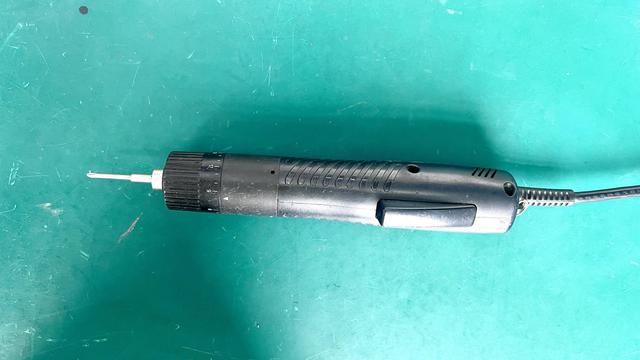
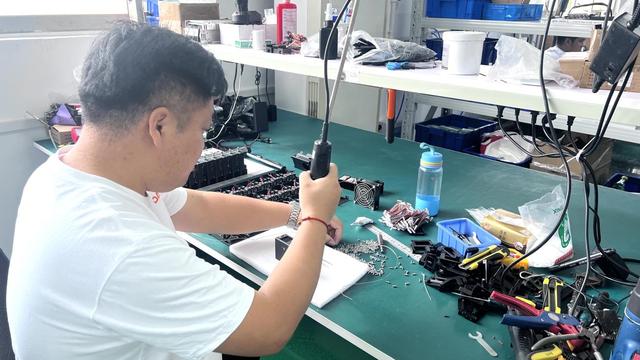
Inside Dongguan LumiCure Light Co., Ltd.'s state-of-the-art production floor and validation lab.
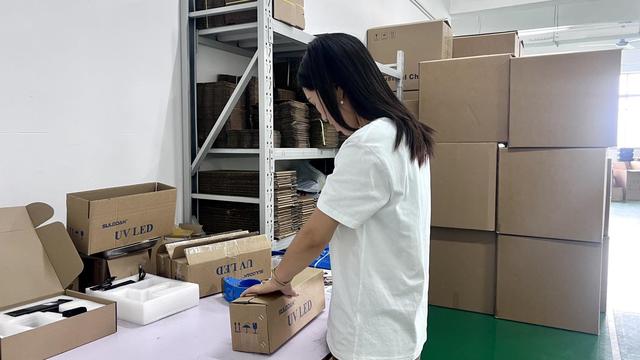
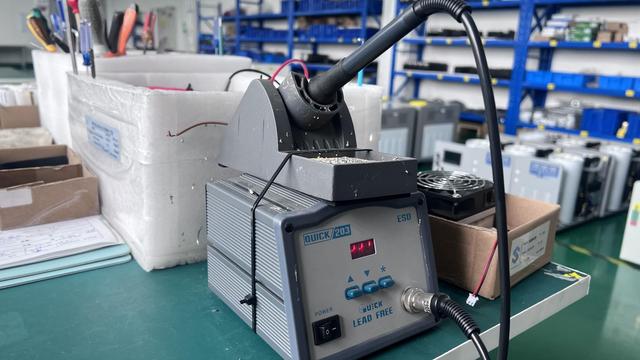
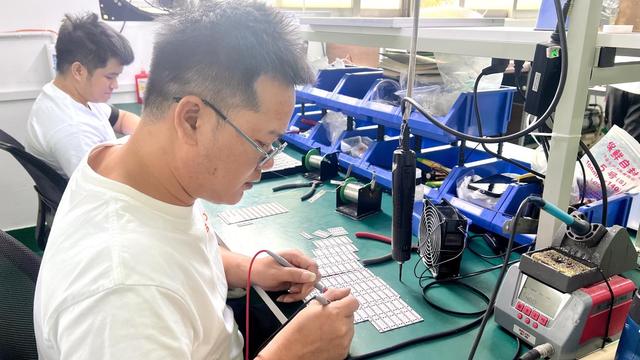
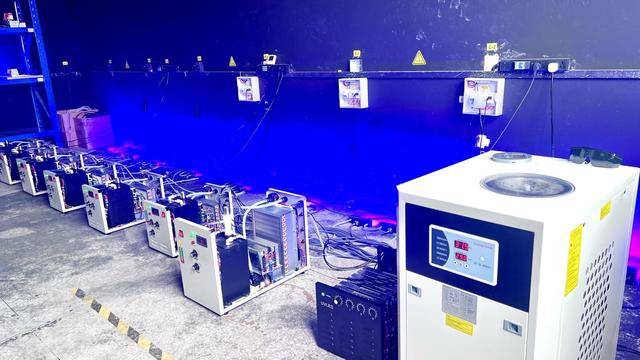
Engineered for high-intensity output, optimal thermal management, and reliable industrial curing processes.
 LumiCure Light