Explore our high-performance, cost-effective ultraviolet curing and processing machinery configured for instant polymerization and strict efficiency protocols.
In modern manufacturing, industrial curing represents a critical process node where operational throughput, precision engineering, and environmental stewardship intersect. The transition from legacy mercury vapor lamps to solid-state UV LED curing technology marks a significant evolution in industrial processing. Legacy systems, although capable of wide-band ultraviolet emission, are characterized by high thermal dispersion, rapid spectral degradation, and the inclusion of hazardous materials (such as mercury). These limitations present ongoing challenges for contemporary high-speed, high-yield manufacturing operations.
In contrast, UV LED curing systems utilize targeted, narrow-band optical semiconductors to generate monochromatic ultraviolet light (typically centered around precise wavelengths of 365nm, 385nm, 395nm, or 405nm). This focused energy outputs immediately onto the substrate, initiating instant photo-polymerization without transferring infra-red thermal load. The result is a highly efficient process that reduces operational footprint, eliminates warm-up cycles, and lowers energy consumption by up to 80%. This technology is crucial for heat-sensitive materials such as thin films, display laminates, and delicate electronic sub-assemblies.
SEO Insight & Information Gain: Unlike legacy broad-band UV systems, our solid-state configurations focus radiant intensity (measured in W/cm²) directly at the absorption bands of modern photoinitiators. This maximizes chemical conversion rates while eliminating unnecessary heat generation.
Dongguan LumiCure Light Co., Ltd. is a dedicated manufacturer of industrial UV curing systems, specializing in the research, development, production, and supply of high-performance UV LED curing lamps and customized solutions. We design our systems to meet the complex requirements of modern high-speed printing, electronics assembly, optical bonding, and precise surface coating industries.
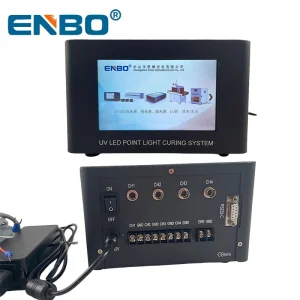
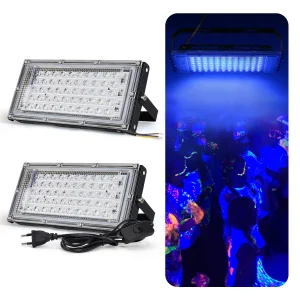
Our R&D team works to push the boundaries of solid-state optoelectronics. By combining optical design with advanced thermal management and micro-electronics engineering, LumiCure has built a robust product portfolio. This includes UV LED spot curing devices, flood systems, conveyor-integrated drying tunnels, and high-intensity OEM/ODM modules.
Our engineers focus on optimizing the intersection of electrical input, thermal dissipation, and radiant output. By utilizing advanced optical simulation software and precision-machined chip-on-board (COB) packages, LumiCure units deliver high peak irradiance with minimal spatial degradation. This ensures consistent, uniform curing across all processing widths.
Many global buyers associate "cost-effective" with compromised quality. At Dongguan LumiCure Light Co., Ltd., we define cost-effectiveness through optimized industrial engineering, vertical supply chain integration, and regional component sourcing. Based in Dongguan, the heart of China’s advanced electronics manufacturing cluster, we have direct access to key supply chain partners. This proximity allows us to manage manufacturing costs effectively, passing the savings on to our clients.
We manage all processes in-house, from metal fabrication and reflector coating to optical lens array formulation and driver board development. By eliminating intermediate suppliers, we lower overhead costs and maintain complete control over design changes and custom configurations.
Our long-term partnerships with leading semiconductor chip foundries give us access to high-performance wafers (such as Epistar, San'an, and LG Innotek) at scale. This allows us to offer high energy density systems at competitive prices.
Our agile engineering process enables us to turn custom specifications (OEM/ODM design requests) into working prototypes in weeks, rather than months, helping our clients accelerate their time-to-market.
Procuring industrial hardware from international partners requires strict compliance with regulatory standards and consistent manufacturing quality. At Dongguan LumiCure Light Co., Ltd., we verify our build quality against major international regulatory bodies. Our systems are built to meet CE and FCC standards, and comply with RoHS directives for hazardous materials control.
Furthermore, we understand the operational challenges of remote plant management. That is why our products feature integrated diagnostics, modular driver assemblies, and plug-and-play components. In the rare event of a component failure, individual LED modules or power drivers can be replaced on-site without rebuilding the entire system, minimizing production downtime.
Reliability Assurance: Every LumiCure system undergoes a continuous 72-hour burn-in and thermal load test prior to packaging. This ensures that electrical performance, thermal dissipation, and radiant flux outputs remain stable under constant operation.
UV curing systems are versatile tools used across a range of modern manufacturing applications. Our machinery is designed for integration into automated assembly lines, high-speed rotary presses, and precision benchtop production setups.
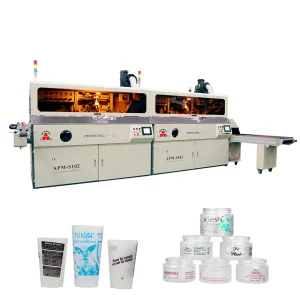
Integrated into sheet-fed offset presses, rotary screen printers, and wide-format digital inkjet systems. Our UV LED arrays cure varnishes and inks instantly, preventing ink migration, bleed, and solvent vaporization.
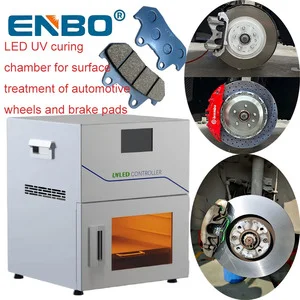
Designed for coating protective finishes on plastic parts, alloy wheels, and brake pads. Our systems deliver deep, even curing over complex three-dimensional contours.
Ideal for optical bonding, display laminating, and micro-component encapsulation. Precise thermal management protects sensitive CMOS and LCD components from heat damage.
The industrial UV curing landscape is moving toward higher power densities, smart monitoring, and hybrid spectral emission configurations. At LumiCure, we are working to integrate these technologies into our current and future product designs:
Peak irradiance (expressed in W/cm²) refers to the maximum power density directed onto the substrate surface at a given instant. This parameter is critical for initiating the chemical cross-linking reaction. Energy density (dosage, measured in J/cm²) represents the total ultraviolet energy accumulated by the surface over time (calculated as irradiance multiplied by exposure duration). Both metrics must be carefully balanced to ensure a complete cure throughout the thickness of the material.
Different wavelengths offer different penetration characteristics. A shorter wavelength, such as 365nm, is highly absorbed by surface layers and is ideal for thin coatings, clear laminates, and surface tack reduction. Longer wavelengths, like 395nm or 405nm, penetrate deeper into thicker coatings, heavily pigmented inks, and thick adhesive layers, ensuring a thorough cure from top to bottom.
We offer both air-cooled and water-cooled configurations. Air cooling is a compact, cost-effective option suitable for low to medium-power systems. Water cooling is recommended for high-intensity arrays, as it maintains lower LED junction temperatures. This reliable thermal management ensures a consistent optical output and extends the system's operational life to its full 20,000-hour rating.
Yes. Our retrofitting kits and customized modules are designed to replace legacy mercury units. We customize the physical dimensions, mounting points, and electrical interfaces (including 0-10V analog or digital control lines) to match your existing equipment, minimizing retrofit downtime.
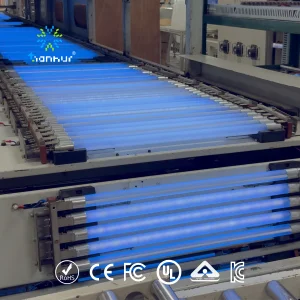
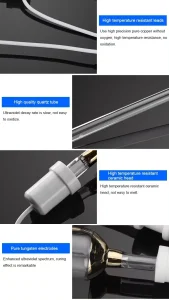
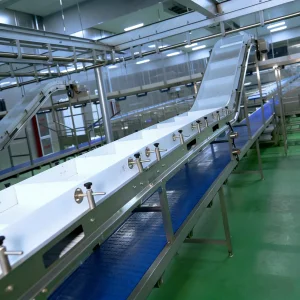
A visual overview of our manufacturing facilities, assembly lines, testing chambers, and optical components, illustrating our commitment to quality and technical precision.
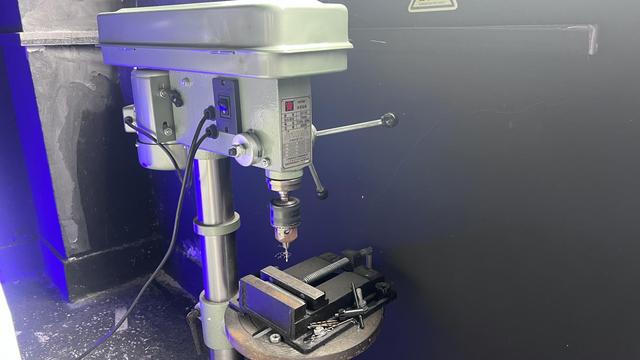
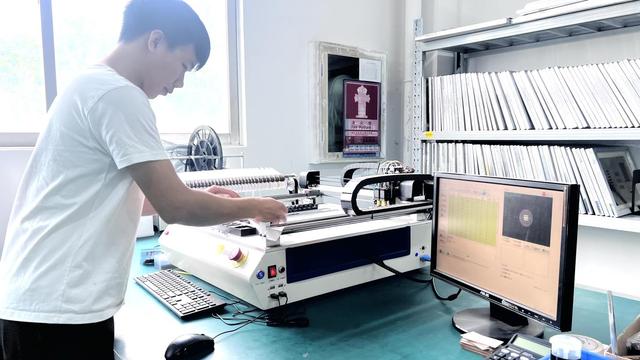
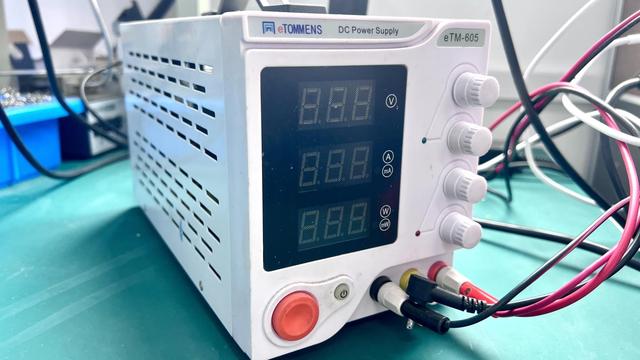
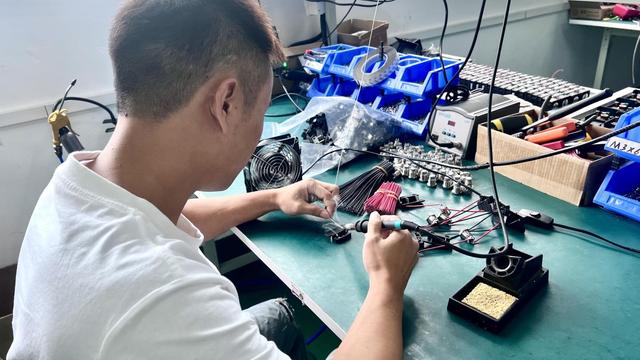
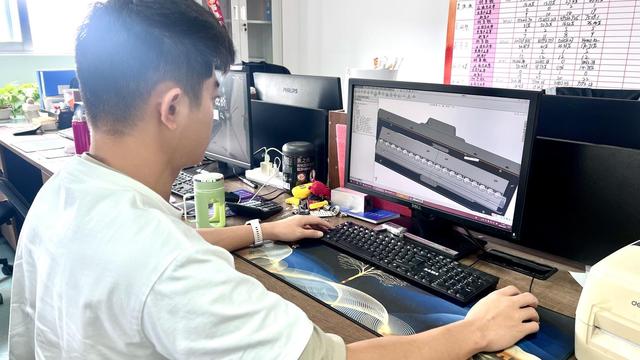
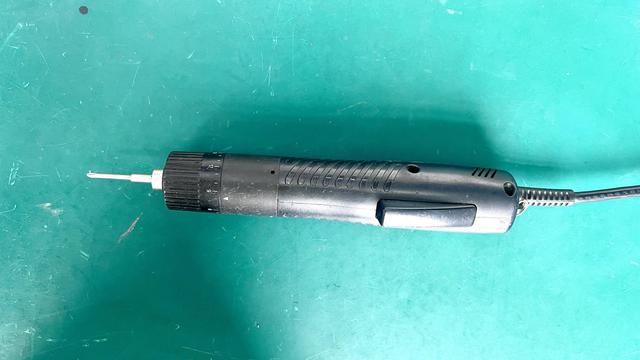
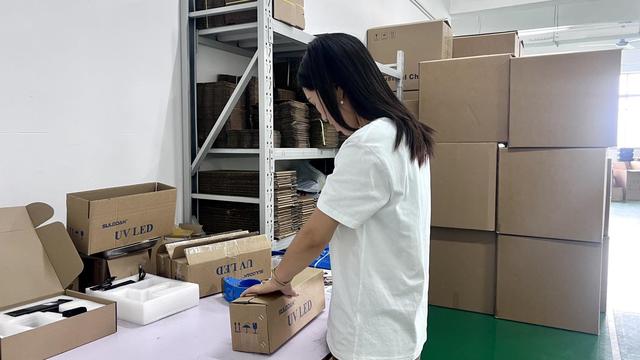
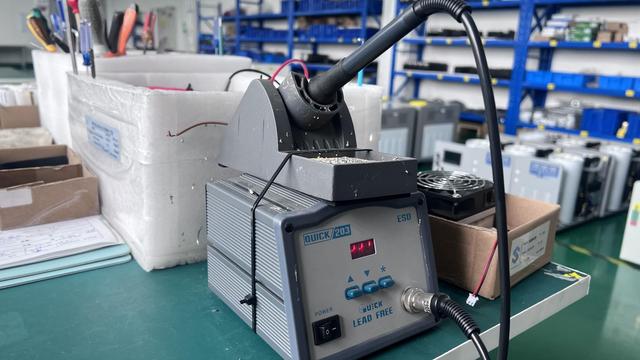
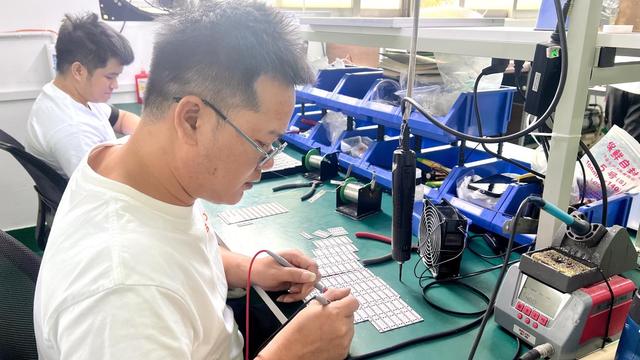
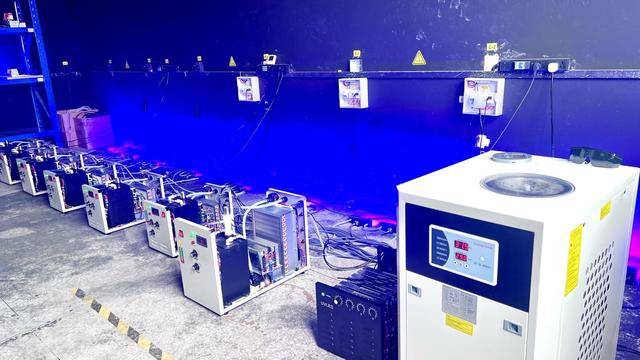
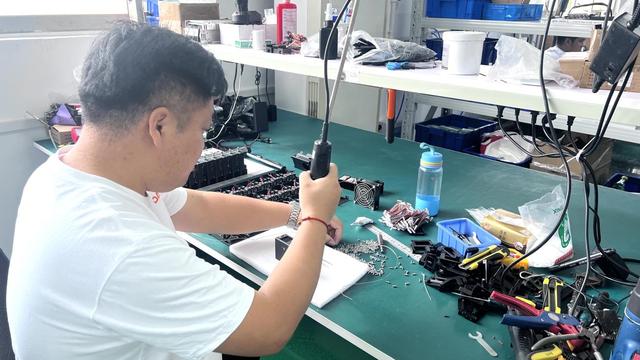
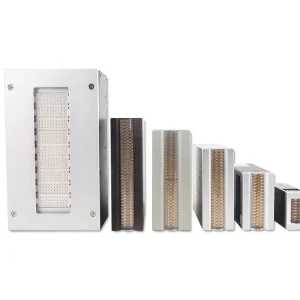
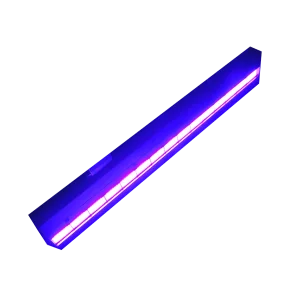
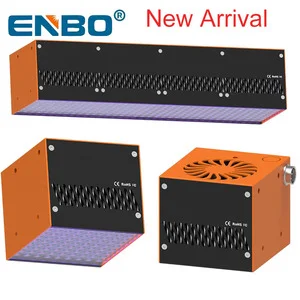
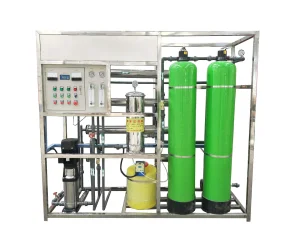
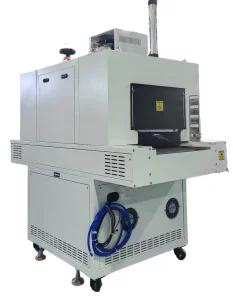
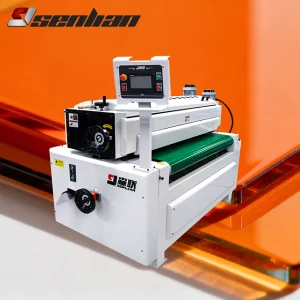
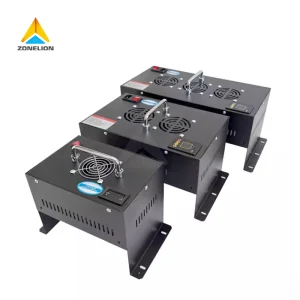
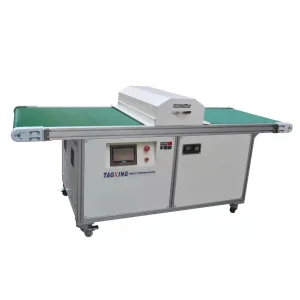
Advanced polymerization ovens, high-power light engines, and conveyor configurations engineered to meet challenging production cycle speeds.
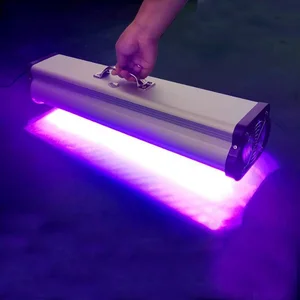
 LumiCure Light