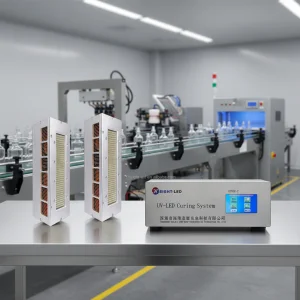
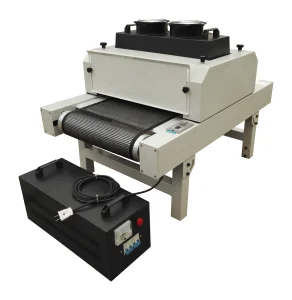
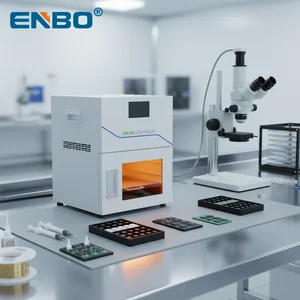
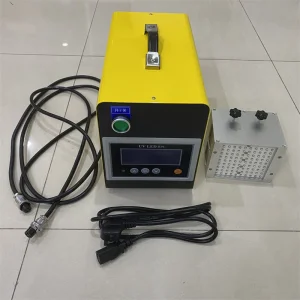
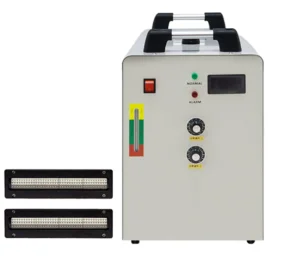
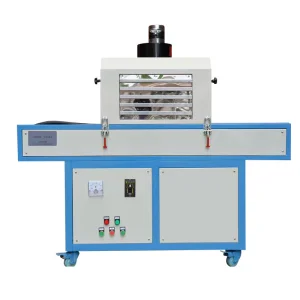
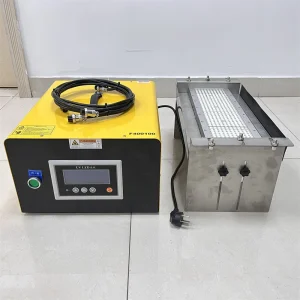
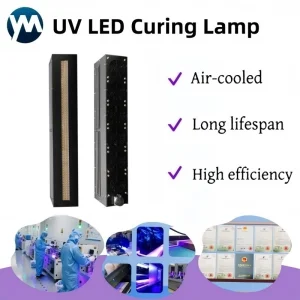
Explore our premium segment of industrial UV LED lights engineered for microelectronics, packaging, and high-speed screen printing lines.
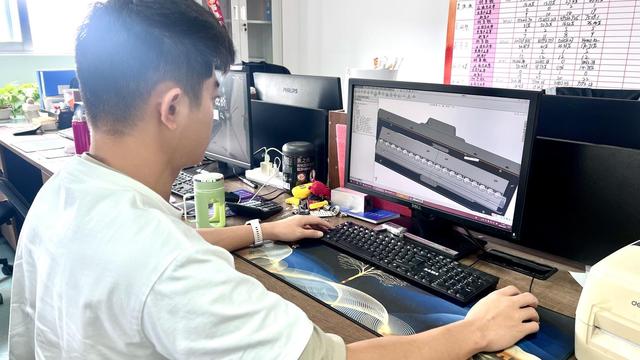
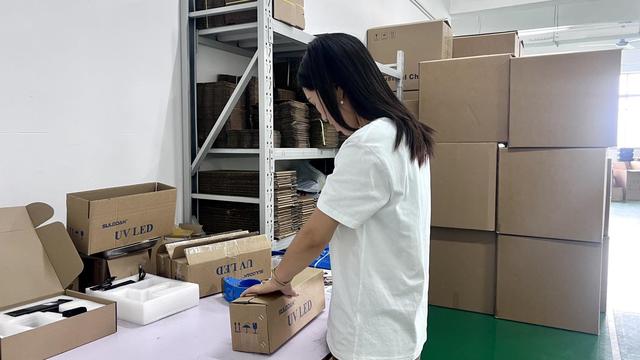
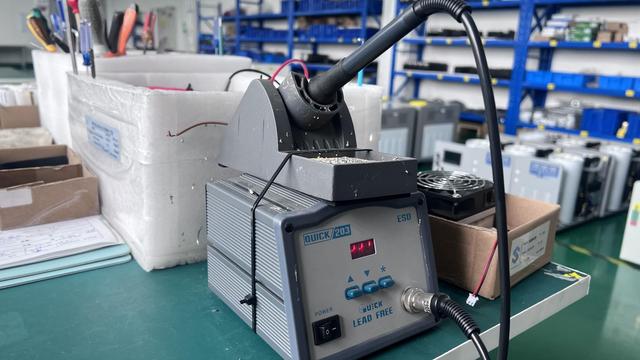
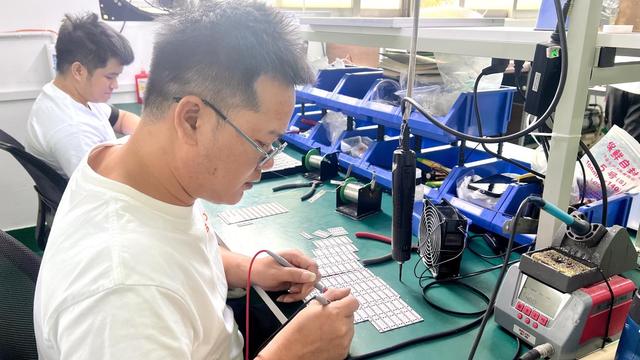
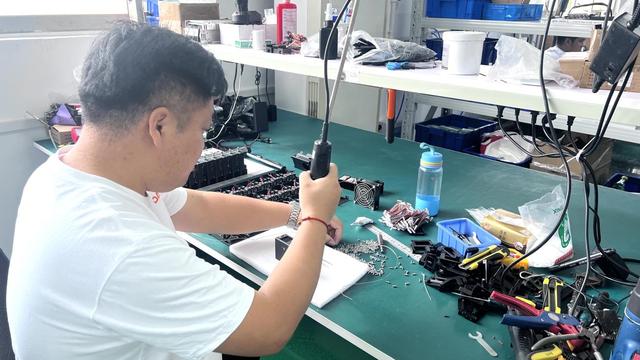
Dongguan LumiCure Light Co., Ltd. stands at the forefront as a professional China UV LED curing lamp manufacturer. Our specialization lies in the deep research, technological development, precise production, and global distribution of state-of-the-art industrial UV curing systems and customized UV LED solutions.
"By integrating high curing efficiency, precise monochromatic wavelength outputs, and robust intelligence systems, we transition legacy industries from energy-inefficient mercury setups to highly sustainable UV LED configurations."
Backed by an elite mechanical and optoelectronic engineering core, LumiCure optimizes processing speeds and slashes thermal distortion in heat-sensitive substrates. Our systems leverage high-power semiconductor packaging arrays, delivering high peak intensity and exceptional reliability.
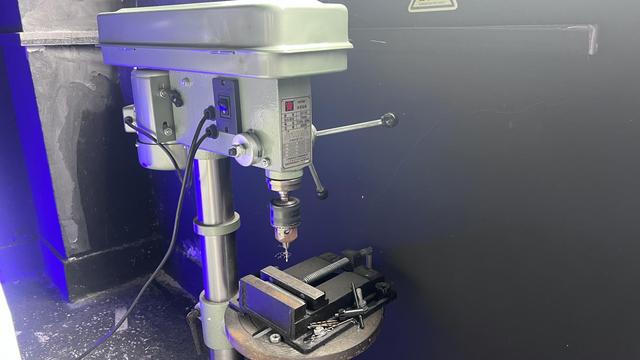
Understanding the unique supply chain dynamics, engineering speeds, and economic parameters that make Chinese manufacturing ecosystems dominant.
Guangdong Province hosts the world's most concentrated optical and electronic engineering supply chain. From raw diode sourcing to specialized custom lens moldings and precision aluminum extrusion housings, all supply channels reside within a two-hour logistics radius, significantly shrinking production lead times.
For custom industrial wavelengths (such as UVC dual-band configurations or 365nm/395nm split arrays), our specialized engineering laboratories can output physical functional prototypes within 7 to 10 working days. This enables global manufacturers to test and adapt their processes without long delays.
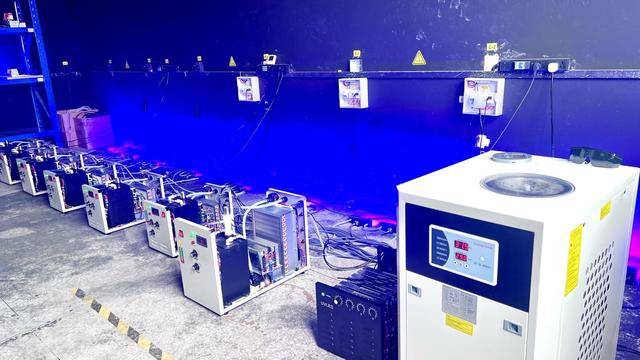
The lifespan of a high-power UV light system depends heavily on heat dissipation. Chinese fabricators excel in utilizing micro-channel liquid-cooling copper blocks and graphene-doped thermal interfaces. This allows systems to continuously operate at peak intensity without thermal degradation.
Analyzing how different vertical markets implement specific UV curing designs to maximize manufacturing yields.
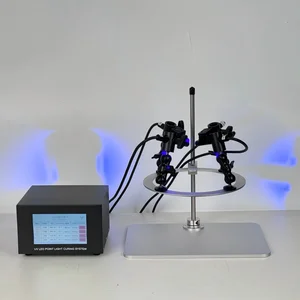
Modern chip assembly requires highly uniform, low-temperature curing systems to prevent warpage on delicate silicon structures. Our UV LED curing chambers and high-intensity spot systems deliver highly collimated 365nm light fields, curing bonding adhesives instantly while minimizing thermal output.
This is highly critical for micro-electro-mechanical systems (MEMS), CMOS image sensor assemblies, and high-frequency communication modules that require precise sub-micron placement accuracy.
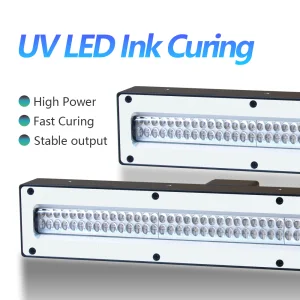
In high-speed flexographic and offset print lines, dry times must synchronize with web movement speeds exceeding 300 meters per minute. Our modular UV lamp configurations deliver continuous energy bands reaching up to 20W/cm² of peak irradiance.
This triggers the photopolymerization of ink monomers within fractions of a second, preventing smearing, ensuring sharp color reproduction, and avoiding VOC emissions common in solvent systems.
Bonding medical components (such as catheter joints, needles, and fluid manifolds) demands consistent, validated UV dosages. Our high-power spot curing systems provide real-time irradiance monitoring and closed-loop control to ensure each bonding cycle meets strict ISO 13485 standards.
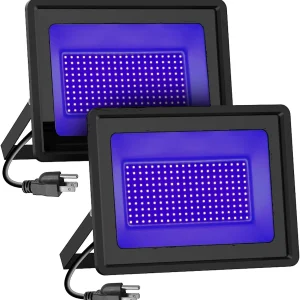
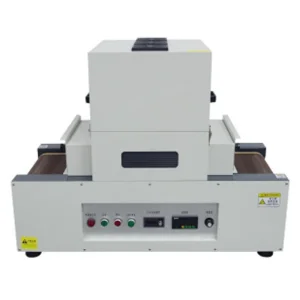
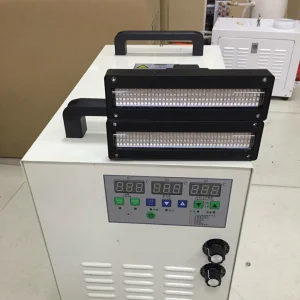
Curing protective green mask oils, solder resists, and conformal coatings on complex PCBs requires uniform UV light distribution. Our air-cooled and fan-cooled flood curing machines provide deep penetration to ensure the long-term reliability of electronic boards in harsh environments.
A technical overview of the current phase-out of traditional mercury vapor lamps and the emergence of smart, IoT-enabled LED arrays.
UV LED systems operate instantly on demand, requiring no pre-heating cycles. They consume up to 70% less electricity compared to mercury vapor lamps. By eliminating ozone output and hazardous mercury disposal costs, companies can significantly reduce their operational footprint.
Modern curing lines utilize inline optical sensors that continuously read irradiance at the web surface, communicating directly with the PLC. If a minor power variation occurs, the control unit automatically adjusts current output to maintain a constant UV dose.
Unlike broad-spectrum mercury lamps, UV LEDs emit highly targeted wavelengths (e.g., 365nm, 385nm, 395nm, or 405nm) with narrow spectral bandwidths. This focuses curing energy precisely on the absorption peak of the photoinitiator, preventing heat generation and protecting delicate parts.
Crucial engineering considerations that procurement managers and systems integrators must review before finalizing supply contracts.
When sourcing industrial UV systems, looking at price alone can lead to premature diode degradation, poor curing uniformity, and line shutdowns. To establish a reliable procurement plan, engineers should focus on the following verification criteria:
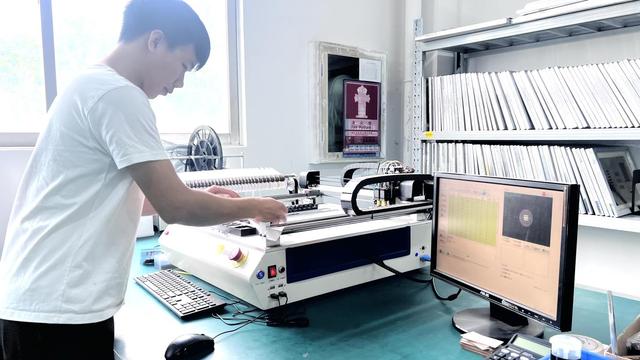
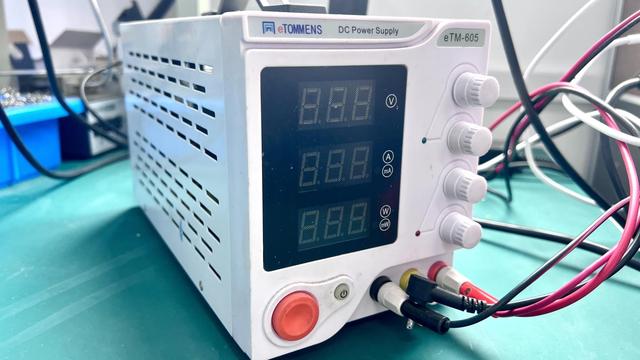
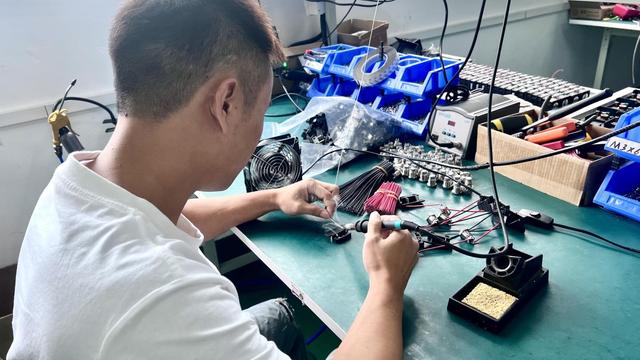
Direct answers from our engineering experts regarding system integration, wavelength selection, and thermal configurations.
Explore our heavy-duty industrial systems engineered for high power density, automated manufacturing, and high-volume operations.
 LumiCure Light