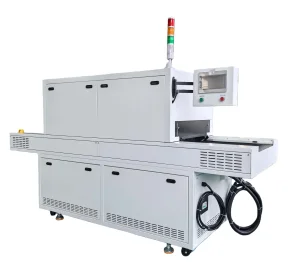
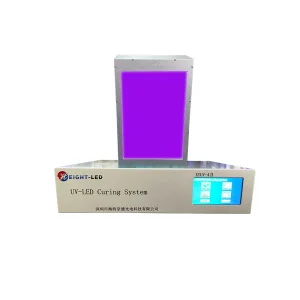
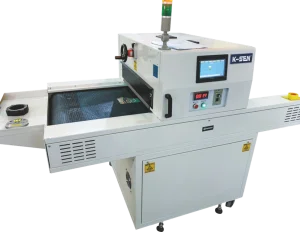
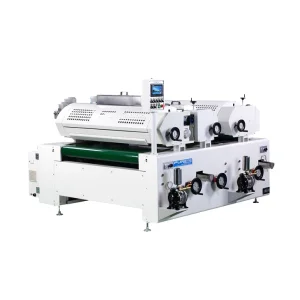
The paradigm shift in modern industrial curing is anchored in the precision of the photon delivery system. Dongguan LumiCure Light Co., Ltd. has positioned itself at the vanguard of this revolution, transforming the traditional parameters of UV LED process development into an exact, reproducible science.
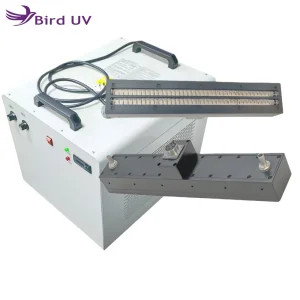
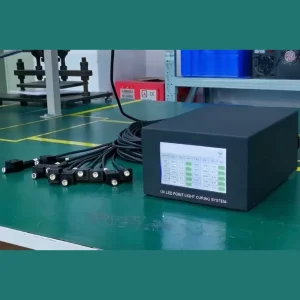
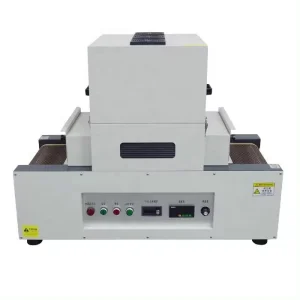
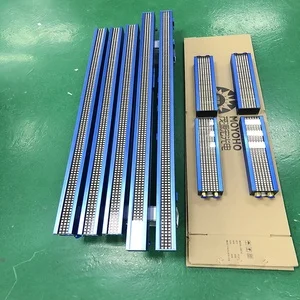
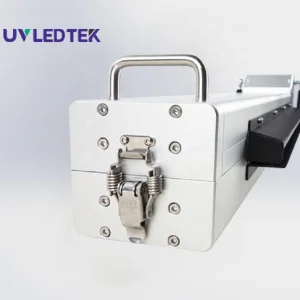
As a pioneering developer, supplier, and exporter based in Dongguan, the global heartland of advanced hardware engineering, LumiCure synthesizes state-of-the-art solid-state physics with scalable production design. We engineer UV LED curing lamps, spot curing setups, arrayed flood systems, and custom automated UV tunnels designed to seamlessly drop into legacy architectures or power cutting-edge manufacturing lines.
By controlling the fundamental variables of optical design—irradiance homogeneity, peak intensity, and thermal dissipation—we assist global manufacturers in reducing cycle times, minimizing thermal strain on delicate substrates, and ensuring cross-linking density meets the most stringent military and aerospace criteria.
Understanding where solid-state ultraviolet curing technology is heading is critical for long-term capital investments. Our technical roadmap focuses on breaking the limits of energy efficiency and optical output controls.
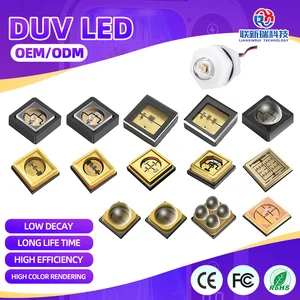
Modern UV LED chips rely on Gallium Nitride (GaN) structures. Our R&D works directly with advanced chip foundries to optimize the physical doping of epilayers. Our goal is to increase wall-plug efficiency (WPE) from the standard 30-35% up to 50% in the near term, minimizing the energy loss dissipated as heat.
Traditional single-wavelength arrays (e.g., only 395nm) struggle with formulations that require deep curing and surface tack-free states simultaneously. We are engineering programmable multi-wavelength matrix modules where the ratio of 365nm to 405nm can be shifted dynamically via smart digital controls.
As LEDs age over thousands of operating hours, minor intensity changes occur. LumiCure’s forward development plan includes integration of closed-loop optical sensors coupled with internal edge processors that adjust voltage input in real-time, guaranteeing absolute stability in output over the module's lifetime.
Different industrial sectors present radically different chemical, mechanical, and thermal challenges. Standard off-the-shelf components rarely achieve the optimum cross-linking density required for high-reliability components. We engineer custom architectures for the following sectors:
In semiconductor back-end processing, thermal management is critical. During wafer dicing tape peeling or optical bonding of display components, temperature spikes can deform components or shift micro-lenses. Our localized spot curing and decomposition lamps maintain high intensity at 365nm, while utilizing chilled air or micro-channel cooling structures to ensure the silicon and components remain well within acceptable thermal limits.
For roll-to-roll label printing, flexo setups, and PVD roller coating machines, curing must occur within fractions of a second at web speeds exceeding 150 meters per minute. Our high-power water-cooled UV LED heads deliver stable peak irradiance (up to 20W/cm²), which activates photoinitiators instantly, ensuring proper adhesion and surface hardness without ink bleeding.
Medical equipment—such as catheters, hearing aids, and syringes—demands absolute sterility, zero leaching of chemical agents, and mechanically sound bonds. LumiCure designs UV LED light curing chambers and spot delivery arrays that allow precise calibration of the exact energy dosage (J/cm²) delivered. This guarantees compliance with FDA class testing requirements and eliminates the risk of under-cured adhesive monomers.
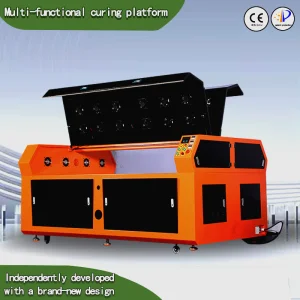
Sensors, ADAS cameras, and interior display assemblies require highly reliable environmental seals. Our UV LED flood curing platforms cure protective conformal coatings and dense epoxies around sensitive circuits. By offering homogeneous radiation, we eliminate shadowing effects, ensuring the components remain protected against moisture, thermal shock, and physical vibration.
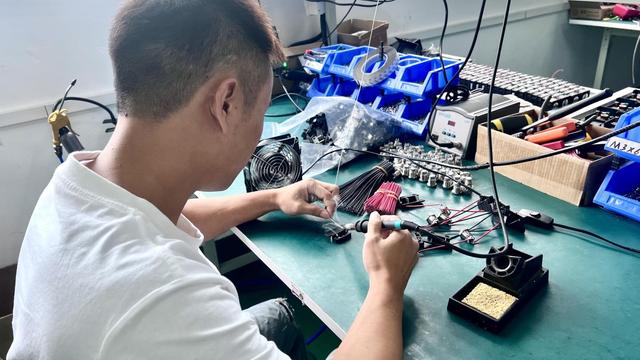
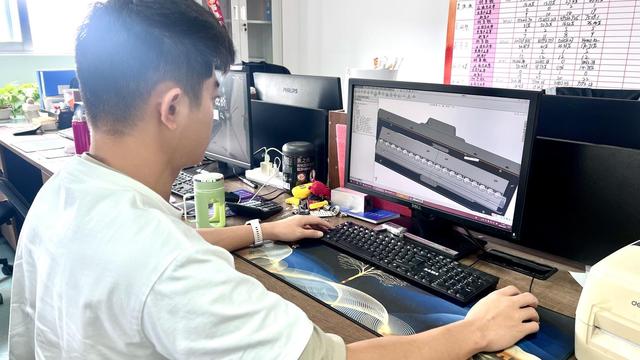
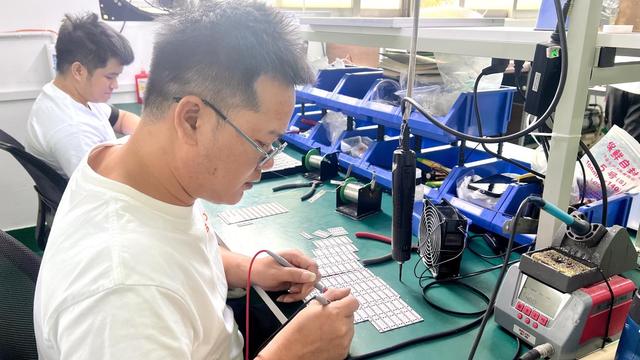
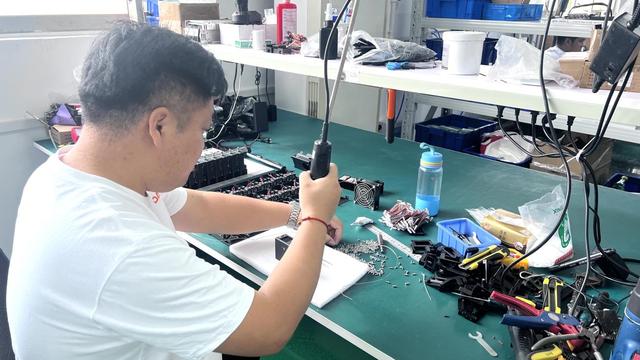
Dongguan LumiCure Light Co., Ltd. operates a highly advanced facility optimized for efficiency, precision, and reliable delivery. By leveraging Dongguan's localized supply chain ecosystem, we offer shortened lead times, robust quality assurance protocols, and the capacity to rapidly prototype custom designs.
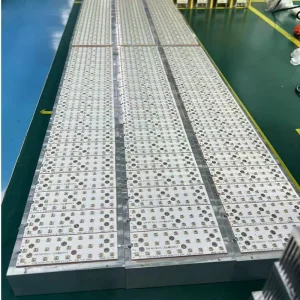
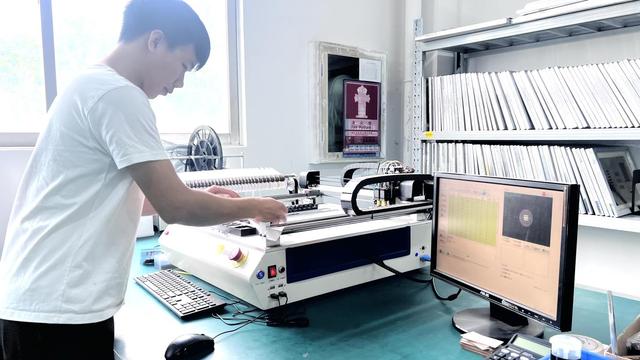
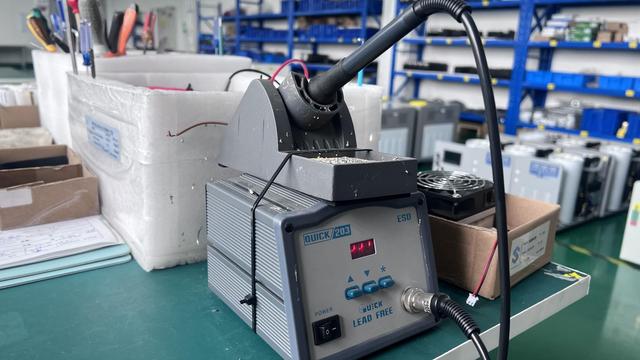
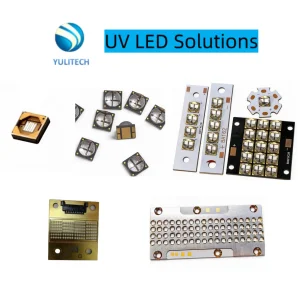
Our production floor relies on automated Surface Mount Technology (SMT) lines to place high-power LED dies with sub-micron accuracy. Proper chip alignment is critical; even a minor displacement of a few microns can alter optical focus and generate uneven heating across the MCPCB. Every LED array we manufacture undergoes rigorous automated optical inspection (AOI) to verify component placement.
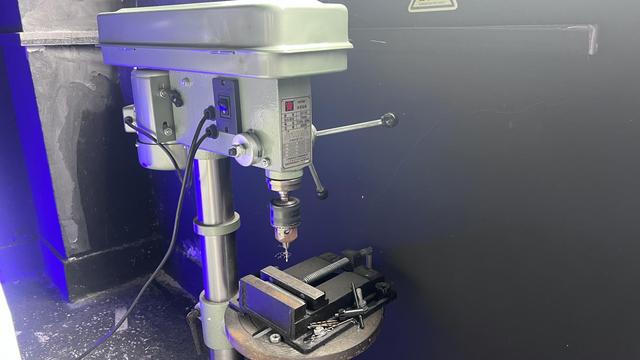
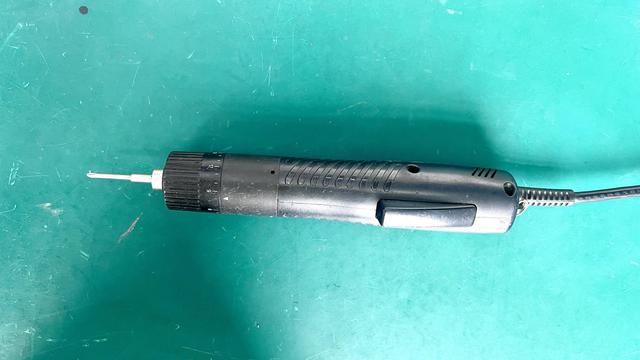
Additionally, we run specialized CNC manufacturing systems to machine all housing and cooling components in-house. This complete control over thermal-envelope design ensures that our air-cooled heat sinks and liquid cooling blocks match the exact thermal outputs of the high-density LED arrays.
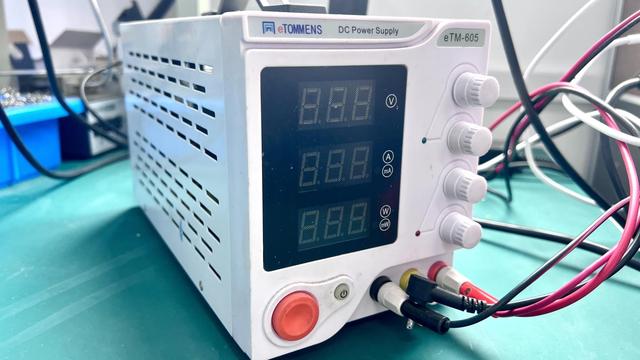
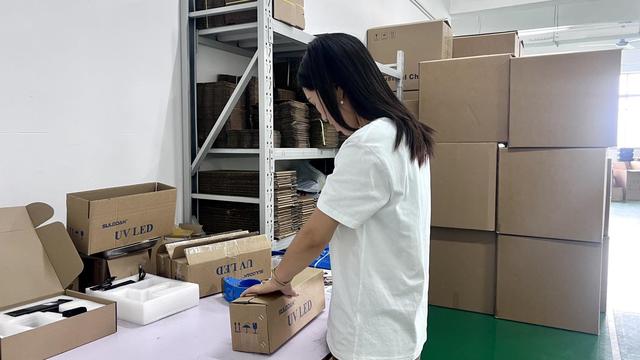
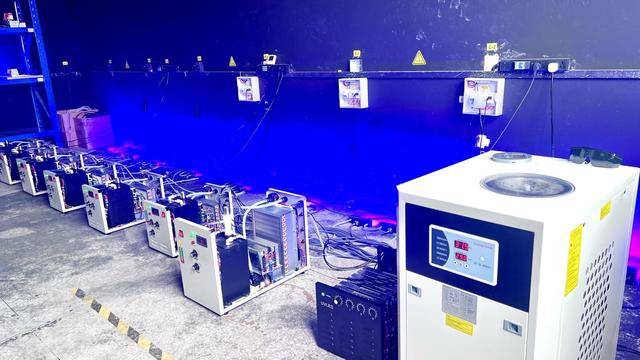
Before packaging and shipping, every system undergoes a continuous 72-hour high-stress burn-in test. We monitor optical intensity stability, thermal junction temperature, and power supply efficiency to ensure every unit is ready for production environments.
By consolidating design, manufacturing, thermal management, and testing in our Dongguan facility, we mitigate the supply chain delays typical of fragmented manufacturing. Global buyers gain access to direct engineering feedback, highly reliable quality controls, and competitive pricing structures.
Operating across global markets like Europe, North America, Asia, and the Middle East demands strict adherence to dynamic regulatory standards. LumiCure ensures that all system designs comply with local regulations, helping buyers streamline integration and approval processes.
Every UV LED system we manufacture carries CE, RoHS, and REACH certifications. If required, we can also configure control panels and internal wiring to meet UL, CSA, or TÜV standards. This compliance ensures that importing and installing our systems into large-scale factory lines remains straightforward and compliant.
For OEM/ODM projects, we provide complete engineering documentation packages. This includes detailed thermal FEA models, optical simulation files (Zemax files), and comprehensive system integration manuals.
Through our network of field partners, we offer localized installation guidance and post-warranty technical assistance, ensuring that transition times are minimized and system downtime is practically eliminated.
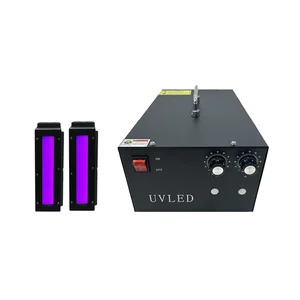
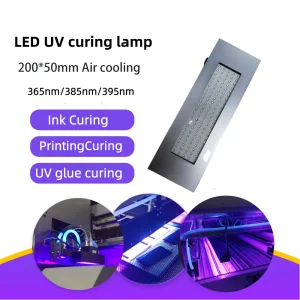
Addressing the critical engineering queries raised by procurement teams and process designers during line retrofits.
 LumiCure Light