Engineered for high-efficiency peak irradiance, robust thermal management, and reliable industrial operation.
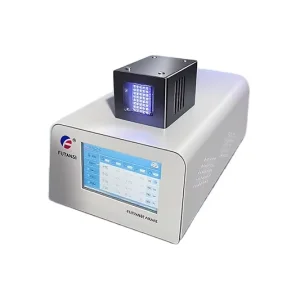
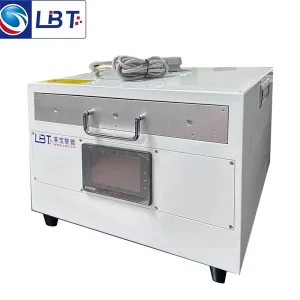
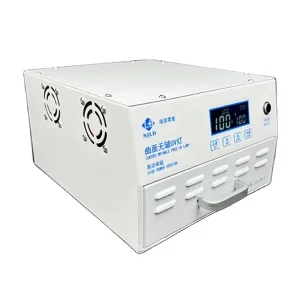
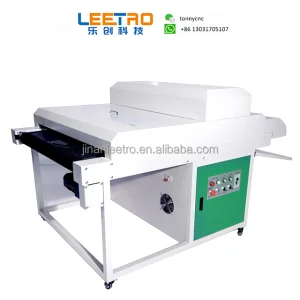
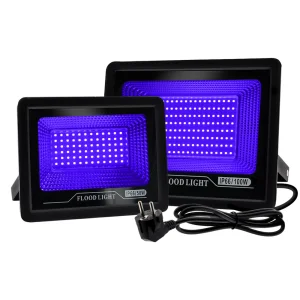
A comprehensive analysis of UV LED Curing Chambers, industrial shifts, and China's high-tech manufacturing export advantages.
The industrial manufacturing sector is experiencing a massive paradigm shift from conventional medium-pressure mercury arc lamps to advanced solid-state UV LED Curing Chambers. This migration is driven by strict environmental mandates, the necessity for lower thermal dissipation, and demand for process uniformity. Standard mercury systems generate broad-spectrum UV radiation, producing immense infrared (IR) heat and requiring ozone exhaust lines. In contrast, narrow-band UV LED systems produce monochromatic wavelengths (such as 365nm, 385nm, 395nm, or 405nm), targeting photoinitiators with surgical precision.
By delivering high peak irradiance (ranging from 2 W/cm² to upward of 20 W/cm²) directly to the target substrate, modern UV LED curing chambers ensure immediate cross-linking in adhesives, coatings, and inks without transferring detrimental thermal energy to sensitive substrates. This makes UV LED technology highly suitable for thermal-sensitive components such as thin films, polymer optical fibers, and medical grade plastics.
Utilizes copper micro-channel liquid cooling or high-conductivity AlN ceramic substrates to maintain minimal junction temperature, ensuring stable irradiance and extended LED lifetime exceed 30,000 hours.
Delivers exceptionally uniform optical distribution across large exposure areas (exceeding 95% homogeneity), eliminating cured variances in sensitive components like micro-electronics and displays.
Seamlessly integrates with multi-protocol automation setups (Modbus/TCP, Profinet, RS485). Allows closed-loop telemetry control, multi-level recipe storage, and digital dimming (1%-100%).
To understand the utility of these systems, we look at the localized and industrial scenarios where custom UV LED chambers are replacing generic heating tunnels:
| Application Requirement | Optimal Wavelength | Recommended Power Density | Cooling Topology | Curing Chamber Solution |
|---|---|---|---|---|
| Medical Device Bonding (ISO 10993) | 365 nm | 4 - 8 W/cm² | Air Cooled | Desktop UV LED Oven / Spot Curing |
| ADAS Sensors & Micro-optics Alignment | 365 nm / 385 nm | 8 - 12 W/cm² | Water Cooled | Multi-Channel Focus Spot Lamp System |
| OCA / LOCA Touch-screen Lamination | 365 nm + 395 nm Hybrid | 2 - 5 W/cm² | High Flow Air Cooled | Conveyor LED UV Curing Cold Light Box |
| High-Speed Flexo & Screen Printing Inks | 395 nm / 405 nm | 12 - 20 W/cm² | Micro-channel Liquid | High-power Integrated Line Light Source |
| 3D Printing Post-Curing & Resin Baths | 385 nm / 405 nm | 1 - 3 W/cm² | Passive / Forced Air | Chamber Oven with Rotate Platform |
Dongguan and the broader Pearl River Delta region host the world's most resilient electronics and industrial manufacturing supply chains. Sourcing UV LED curing chambers from leading China exporters like Dongguan LumiCure Light Co., Ltd. yields strategic advantages:
A premier manufacturer and global provider of high-efficiency UV LED solidifying technology.
Dongguan LumiCure Light Co., Ltd. is a professional China UV LED curing lamp manufacturer specializing in the research, development, production, and supply of industrial UV curing systems and customized UV LED solutions. With a strong focus on innovation, quality, and customer satisfaction, LumiCure has become a trusted partner for manufacturers worldwide seeking efficient and reliable curing technologies.
Our product range includes UV LED curing lamps, UV LED spot curing systems, flood curing lamps, conveyor UV curing machines, UV LED modules, printing curing systems, adhesive curing equipment, and customized industrial UV solutions. These products are widely applied in printing, electronics assembly, semiconductor packaging, optical bonding, automotive manufacturing, medical devices, 3D printing, and various precision industrial processes.
Backed by an experienced engineering team and advanced manufacturing facilities, LumiCure is committed to developing energy-saving and environmentally friendly UV curing technologies. Our products feature high curing efficiency, precise wavelength output, long service life, low maintenance requirements, and intelligent control capabilities, helping customers improve productivity while reducing operating costs.
Quality remains the foundation of our business. Every product undergoes rigorous testing and strict quality control procedures throughout the manufacturing process to ensure consistent performance and reliability. We also provide comprehensive OEM and ODM services, enabling customers to customize products according to their specific technical and application requirements.
Serving clients across Europe, North America, Asia, the Middle East, and other global markets, Dongguan LumiCure Light Co., Ltd. continues to deliver innovative UV LED curing solutions that support sustainable and efficient industrial manufacturing.
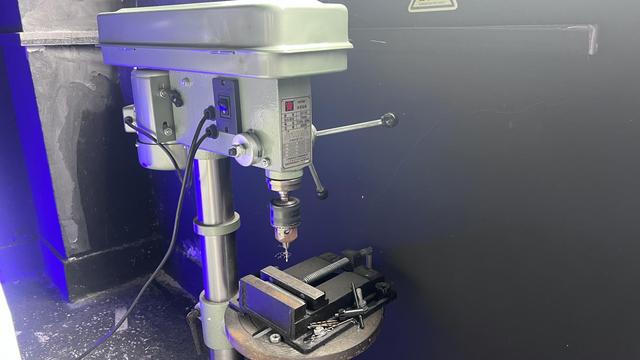
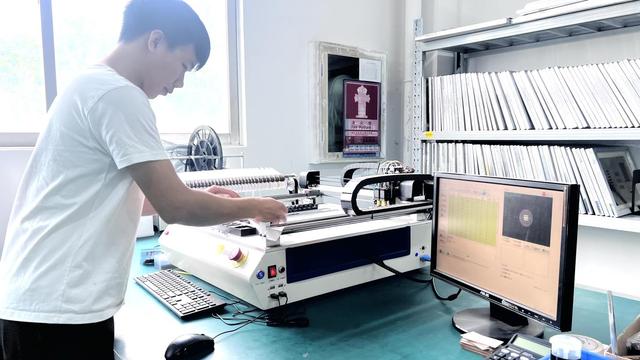
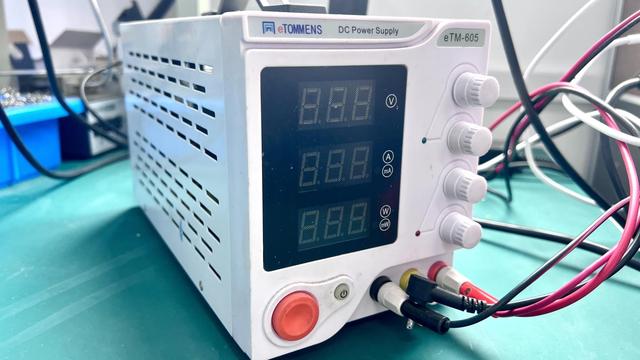
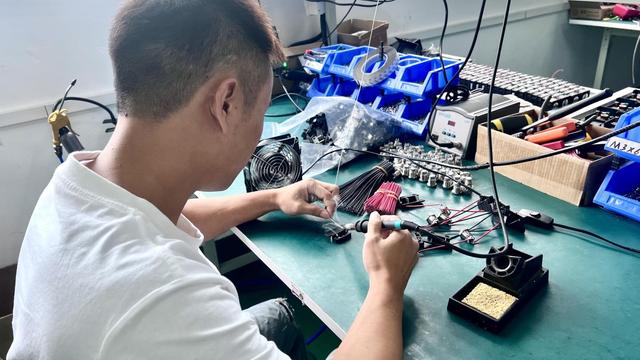
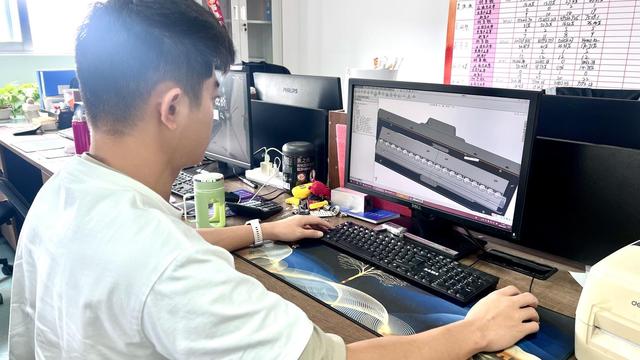
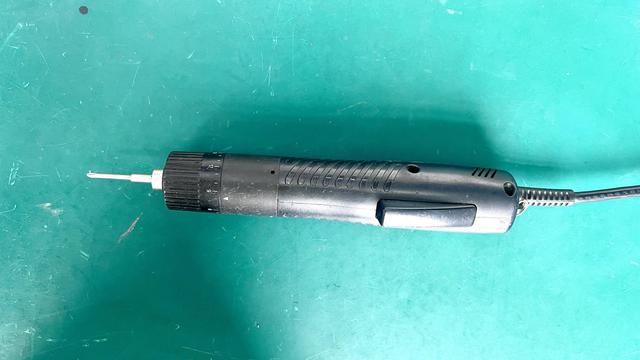
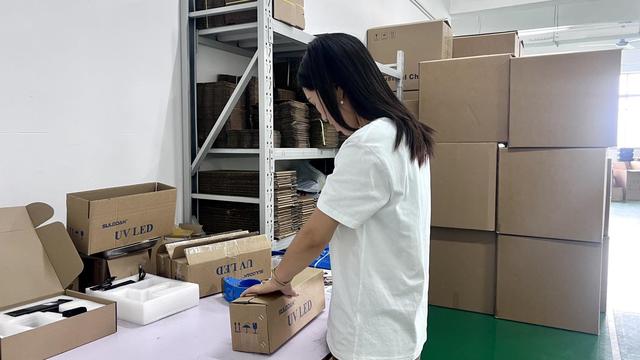
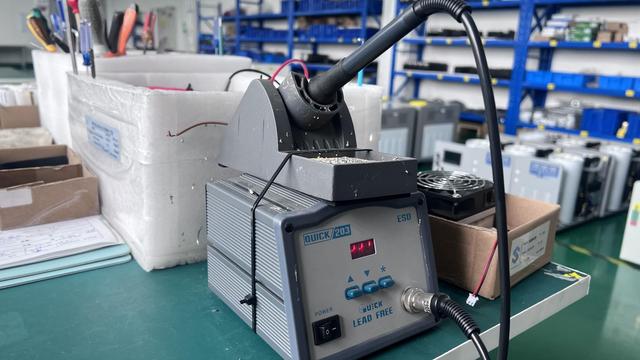
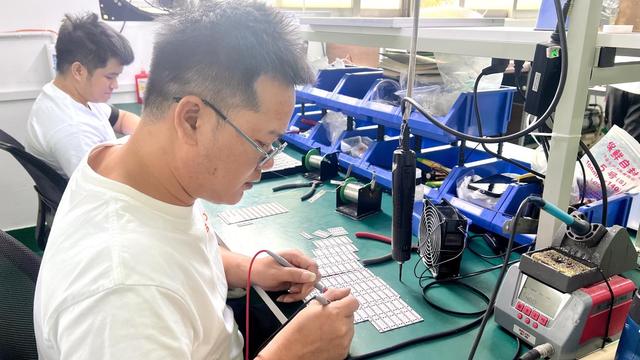
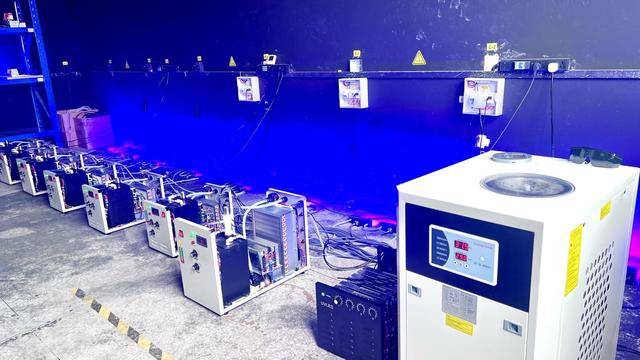
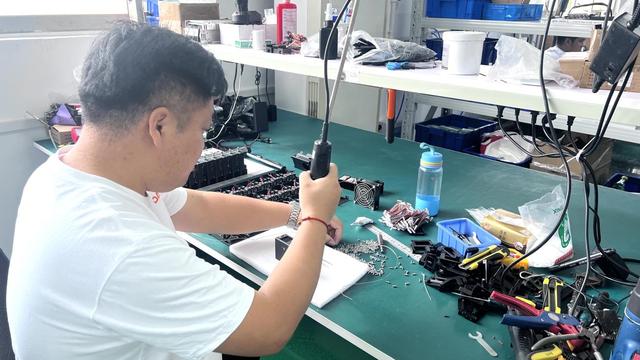
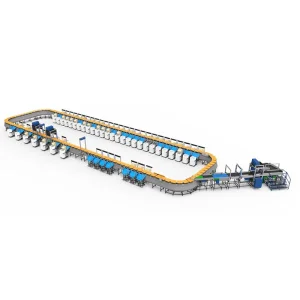
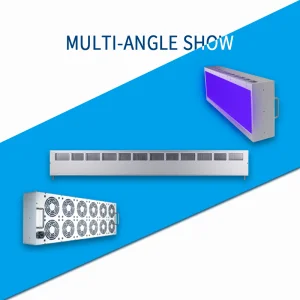
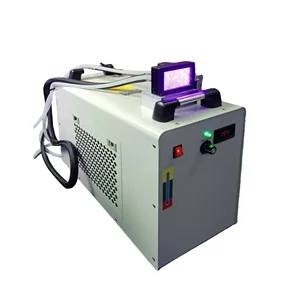
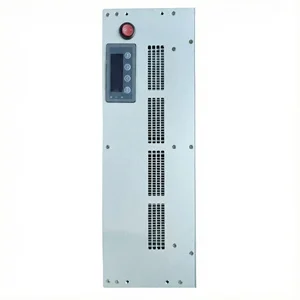
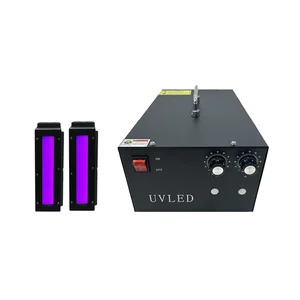
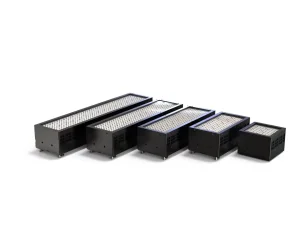
Below is a visual overview of our manufacturing processes, including testing benches, integrated line sources, and industrial configurations:
As industrial processes become more automated, the development of UV LED curing technology is focusing on several key milestones:
For international buyers, equipment reliability and regulatory compliance are essential for smooth importing and site audits. LumiCure ensures all exported systems carry standard certifications, including CE, FCC, and RoHS compliance. Our products also feature optional UL and CSA-ready sub-assemblies for North American automotive and medical device manufacturers.
We provide localized technical assistance through online remote sessions, modular spare parts kits, and partner integration hubs in Germany, the United States, Vietnam, and India. This minimizes downtime and ensures fast support for your automated production lines.
Heavy-duty, wide-format exposure, and automated sorting integrations built for high throughput.
Detailed technical answers to help you select, deploy, and optimize your UV LED curing chambers.
 LumiCure Light