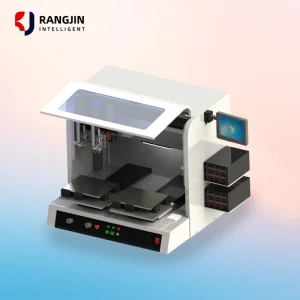
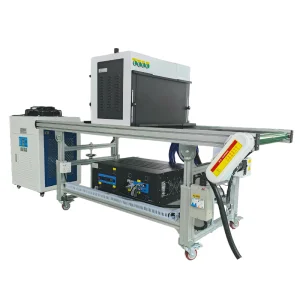
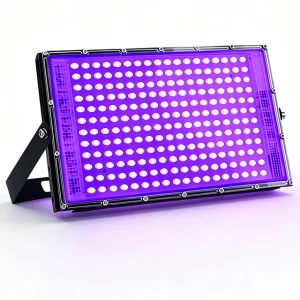
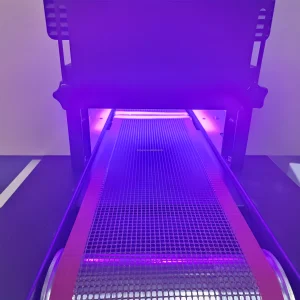
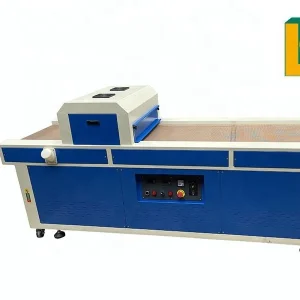
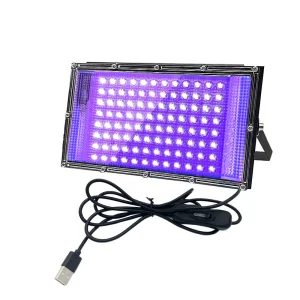
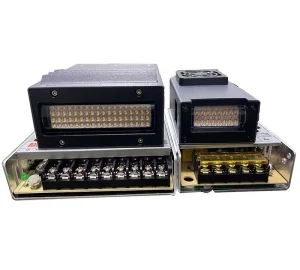
Explore our core industrial product lineup configured for printing, electronic encapsulation, and specialized curing.
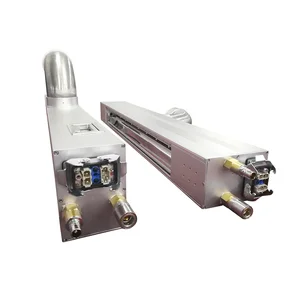
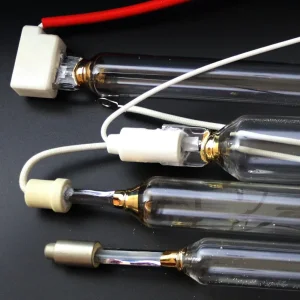
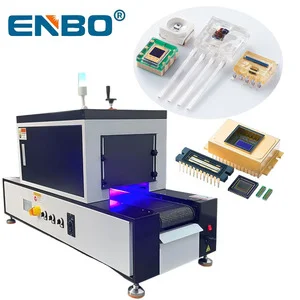
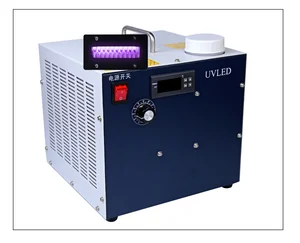
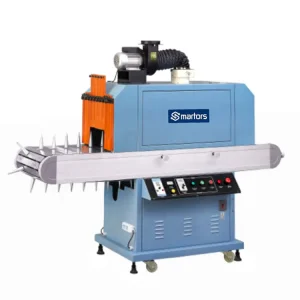
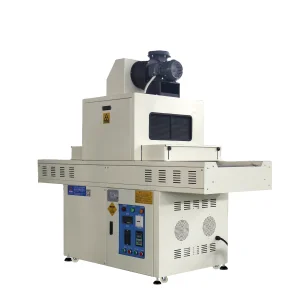
Over the past decade, industrial photopolymerization has undergone a profound technological paradigm shift. Traditional medium-pressure mercury vapor lamps, once the standard for curing inks, coatings, and adhesives, are rapidly being phased out worldwide. This shift is driven by strict environmental regulations (such as the Minamata Convention on Mercury) and the superior performance dynamics of solid-state UV LED curing systems.
Unlike conventional lamps that emit a broad spectrum of heat-intensive light, UV LED curing systems emit narrow-band, high-intensity monochromatic ultraviolet light (typically at 365nm, 385nm, 395nm, or 405nm). This targeted spectral output ensures that photoinitiators in formulations react instantly, achieving cure speeds in fractions of a second without transferring damaging thermal energy to sensitive substrates. The elimination of infrared heat makes UV LED technology the only viable choice for curing heat-sensitive materials such as thin plastic films, electronics, and micro-optics.
When procuring industrial UV curing equipment, global enterprise buyers must evaluate complex technical details beyond raw catalog pricing. Industrial operations require systems that integrate easily into automated assembly lines while maintaining high uptime and low Total Cost of Ownership (TCO). High-volume manufacturers prioritize several key technical requirements:
For high-speed curing processes, such as continuous web printing or medical tube coating, the peak power density (measured in W/cm²) and total energy delivered (measured in mJ/cm²) are critical. Suppliers must provide detailed light distribution maps ensuring uniform exposure across the curing area to prevent uneven curing and quality failures.
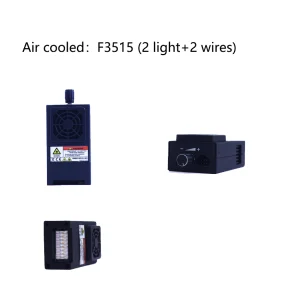
LED performance is highly temperature-dependent. Without efficient heat dissipation, junction temperatures rise, reducing optical output and LED lifespan. Enterprise buyers look for robust liquid-cooled configurations for high-power systems (>16 W/cm²) and customized fan-cooled setups for space-constrained modules.
Modern smart factories require curing modules that interface with PLC systems via protocols like Modbus, CANopen, or Ethernet/IP. Real-time monitoring of LED status, chip temperatures, and curing cycles is essential for predictive maintenance and minimizing unplanned downtime.
UV LED curing systems are critical to processing speeds and product quality in many high-precision industries:
Dongguan LumiCure Light Co., Ltd. is a professional China UV LED curing lamp manufacturer specializing in the research, development, production, and supply of industrial UV curing systems and customized UV LED solutions. With a strong focus on innovation, quality, and customer satisfaction, LumiCure has become a trusted partner for manufacturers worldwide seeking efficient and reliable curing technologies.
Our product range includes UV LED curing lamps, UV LED spot curing systems, flood curing lamps, conveyor UV curing machines, UV LED modules, printing curing systems, adhesive curing equipment, and customized industrial UV solutions. These products are widely applied in printing, electronics assembly, semiconductor packaging, optical bonding, automotive manufacturing, medical devices, 3D printing, and various precision industrial processes.
Backed by an experienced engineering team and advanced manufacturing facilities, LumiCure is committed to developing energy-saving and environmentally friendly UV curing technologies. Our products feature high curing efficiency, precise wavelength output, long service life, low maintenance requirements, and intelligent control capabilities, helping customers improve productivity while reducing operating costs.
Quality remains the foundation of our business. Every product undergoes rigorous testing and strict quality control procedures throughout the manufacturing process to ensure consistent performance and reliability. We also provide comprehensive OEM and ODM services, enabling customers to customize products according to their specific technical and application requirements.
Serving clients across Europe, North America, Asia, the Middle East, and other global markets, Dongguan LumiCure Light Co., Ltd. continues to deliver innovative UV LED curing solutions that support sustainable and efficient industrial manufacturing.
As manufacturing demands shift toward greater connectivity and customization, the technology roadmap for industrial UV LED curing centers on three main technological improvements:
While standard monochromatic UV LEDs work well for most processes, some thick coatings or opaque adhesives require deep and surface curing at the same time. Custom arrays combining wavelengths like 365nm and 395nm within one COB (Chip-on-Board) package are becoming more common. This setup allows for balanced depth and surface cure without needing multiple curing stations.
To meet high medical and aerospace standards, systems must maintain a consistent ultraviolet output. Next-generation systems feature integrated UV photodiodes that monitor real-time light output. If the system detects drops in intensity due to aging or dirt on the optics, the driver automatically adjusts power to keep output stable.
Standard SMD LEDs have output limits. Modern manufacturing focuses on high-density Chip-on-Board (COB) technology, where silicon chips are mounted directly to high-thermal-conductivity copper substrates. This method allows for peak irradiance levels exceeding 24 W/cm², matching the curing performance of mercury lamps on tough formulations.
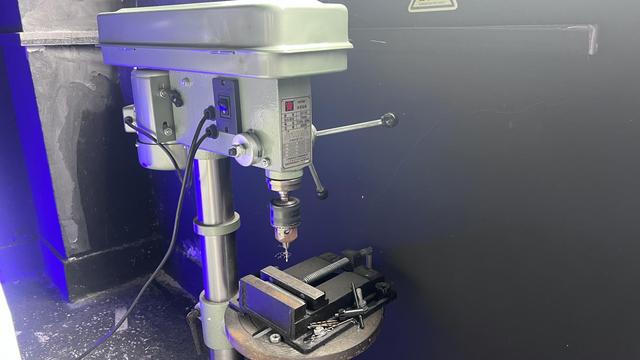
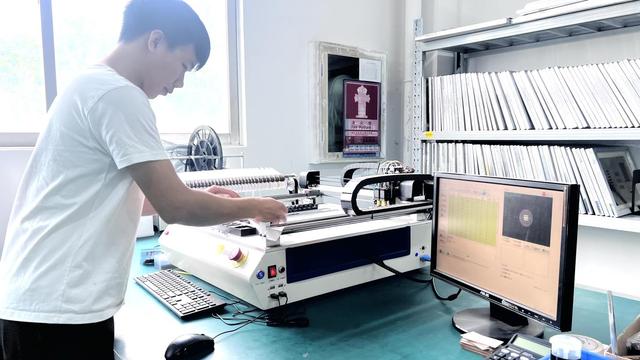
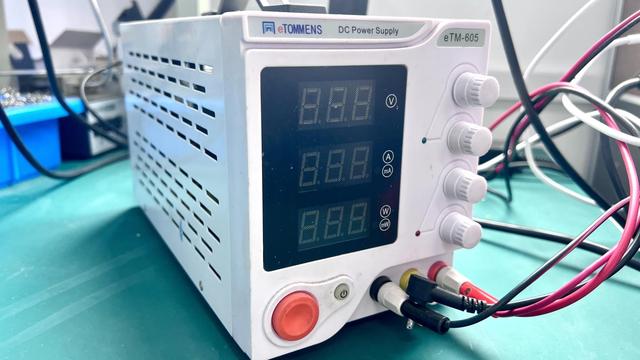
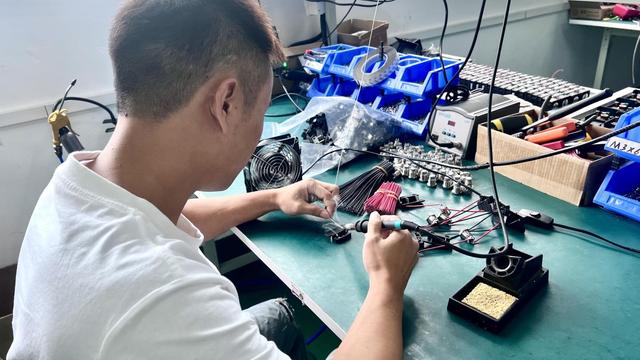
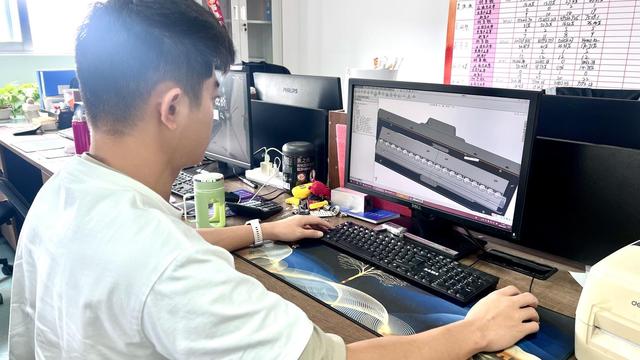
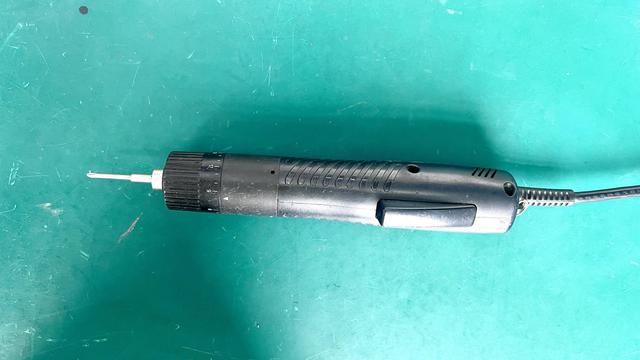
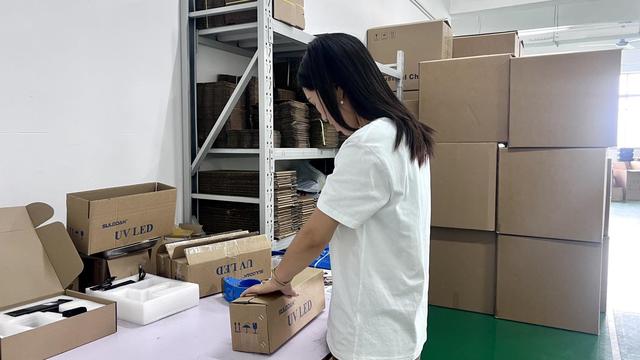
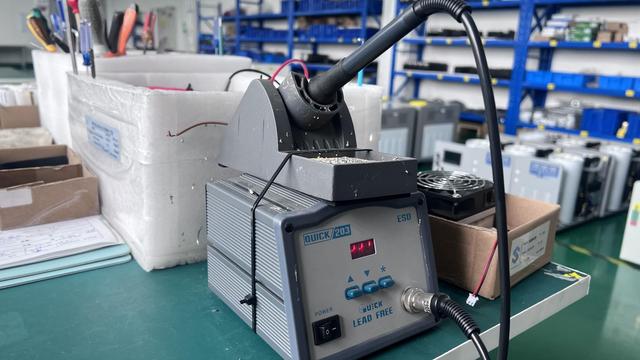
Inside our ISO-compliant manufacturing center, advanced machinery ensures stable optical output and high mechanical reliability.
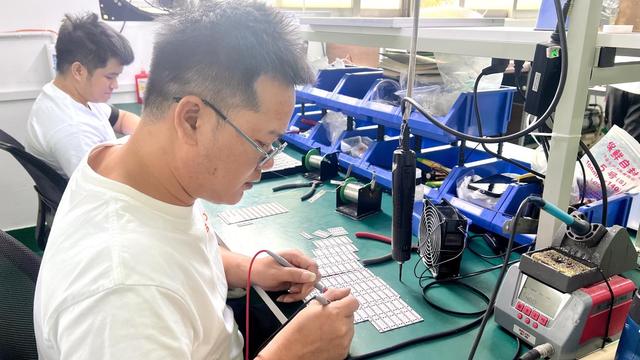
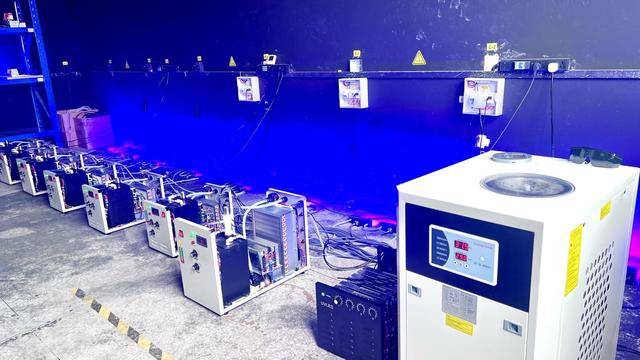
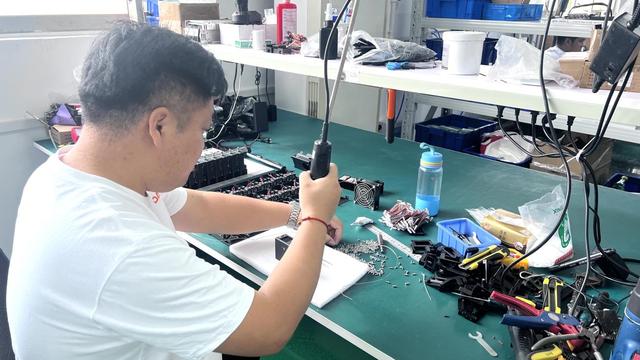
Industrial machinery deployed across international jurisdictions must meet strict safety, electrical, and environmental compliance standards. LumiCure ensures all equipment meets the requirements of modern production facilities:
Review standard troubleshooting queries and integration options for industrial UV curing systems.
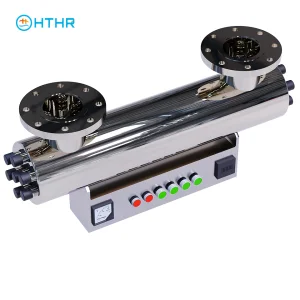
Review additional configurations, including high-power printers, water treatment modules, and portable spot systems.
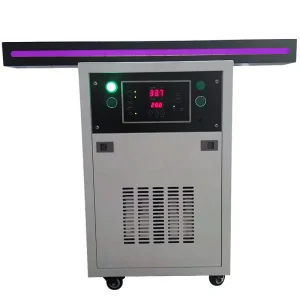
 LumiCure Light