Isolated Water Chamber
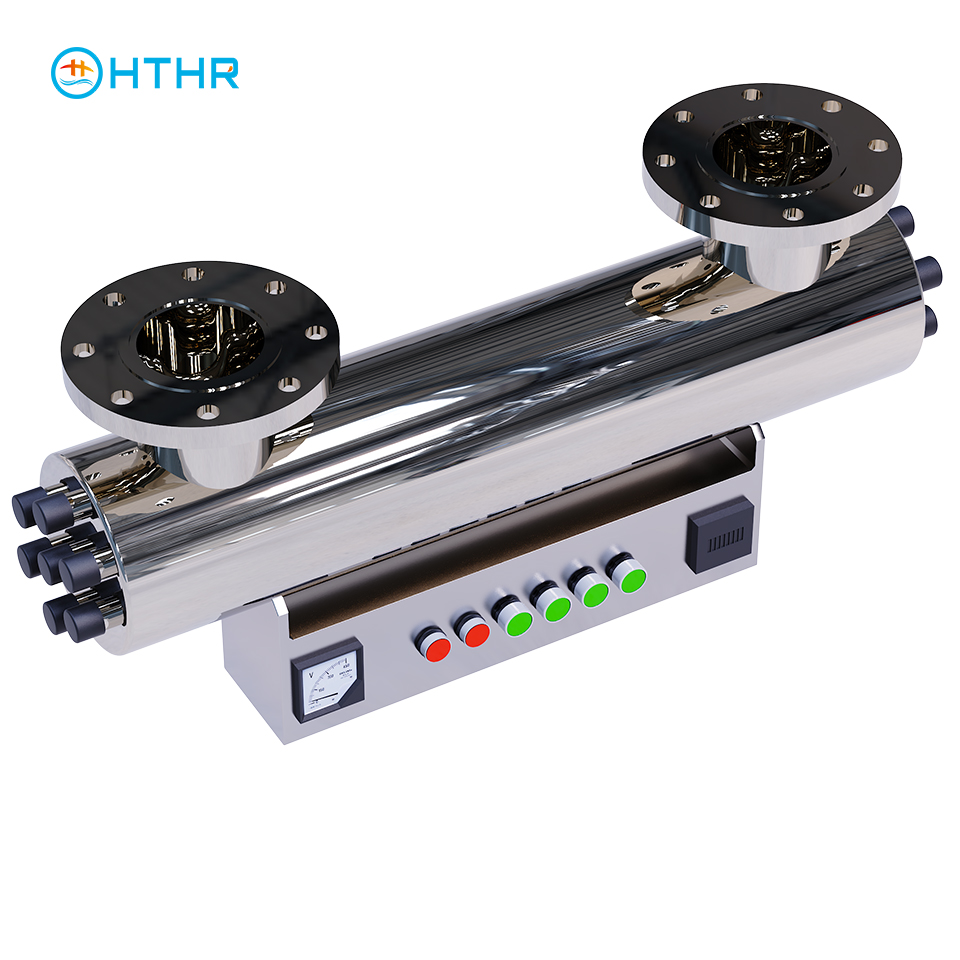
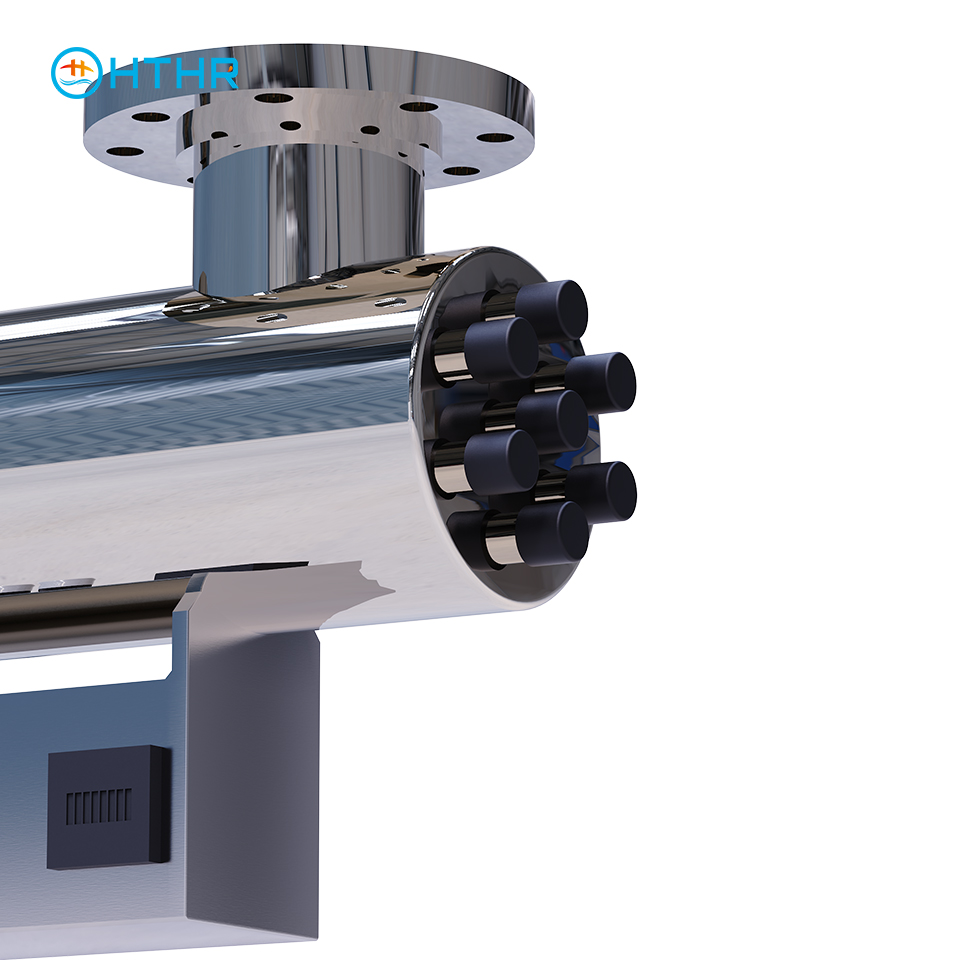
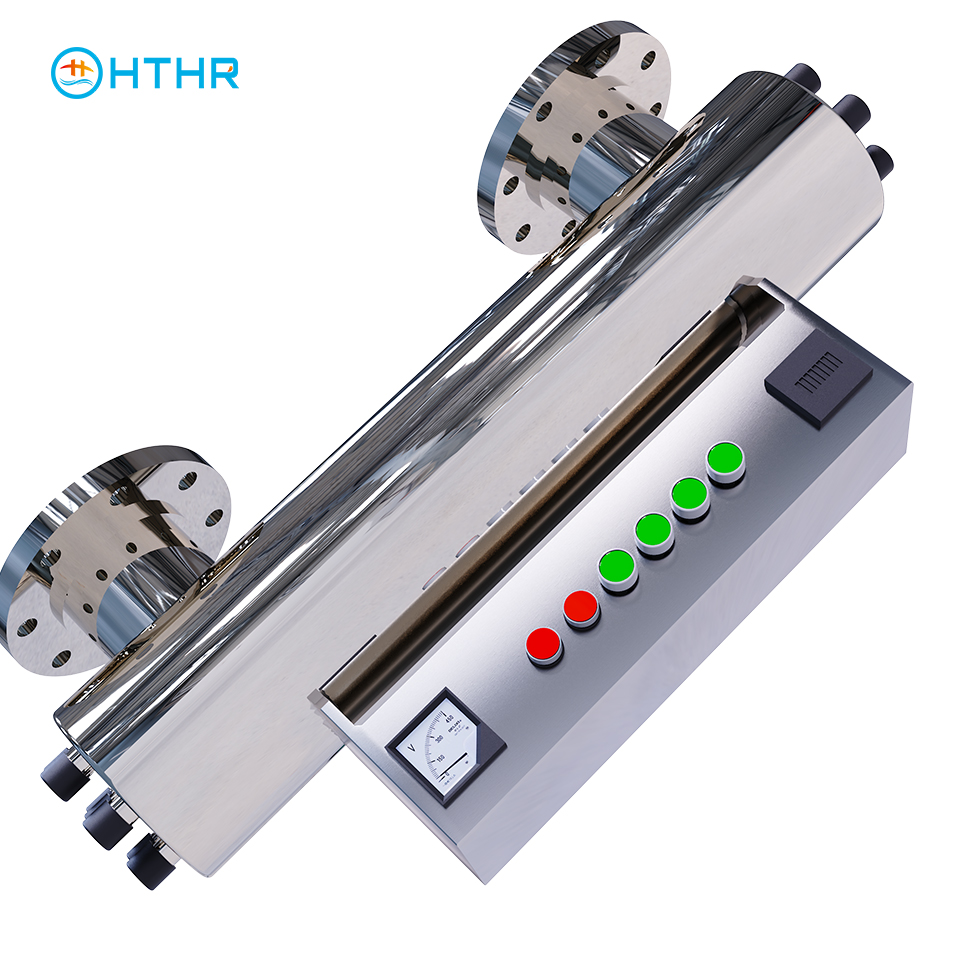
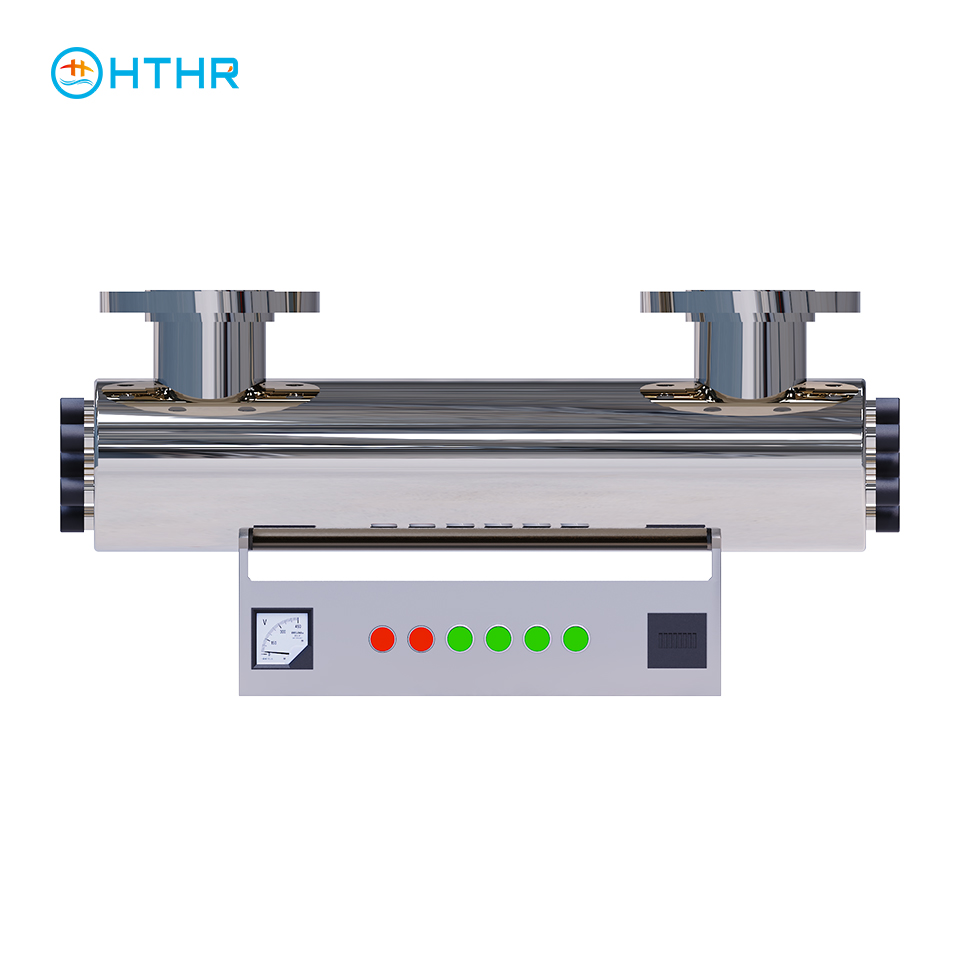
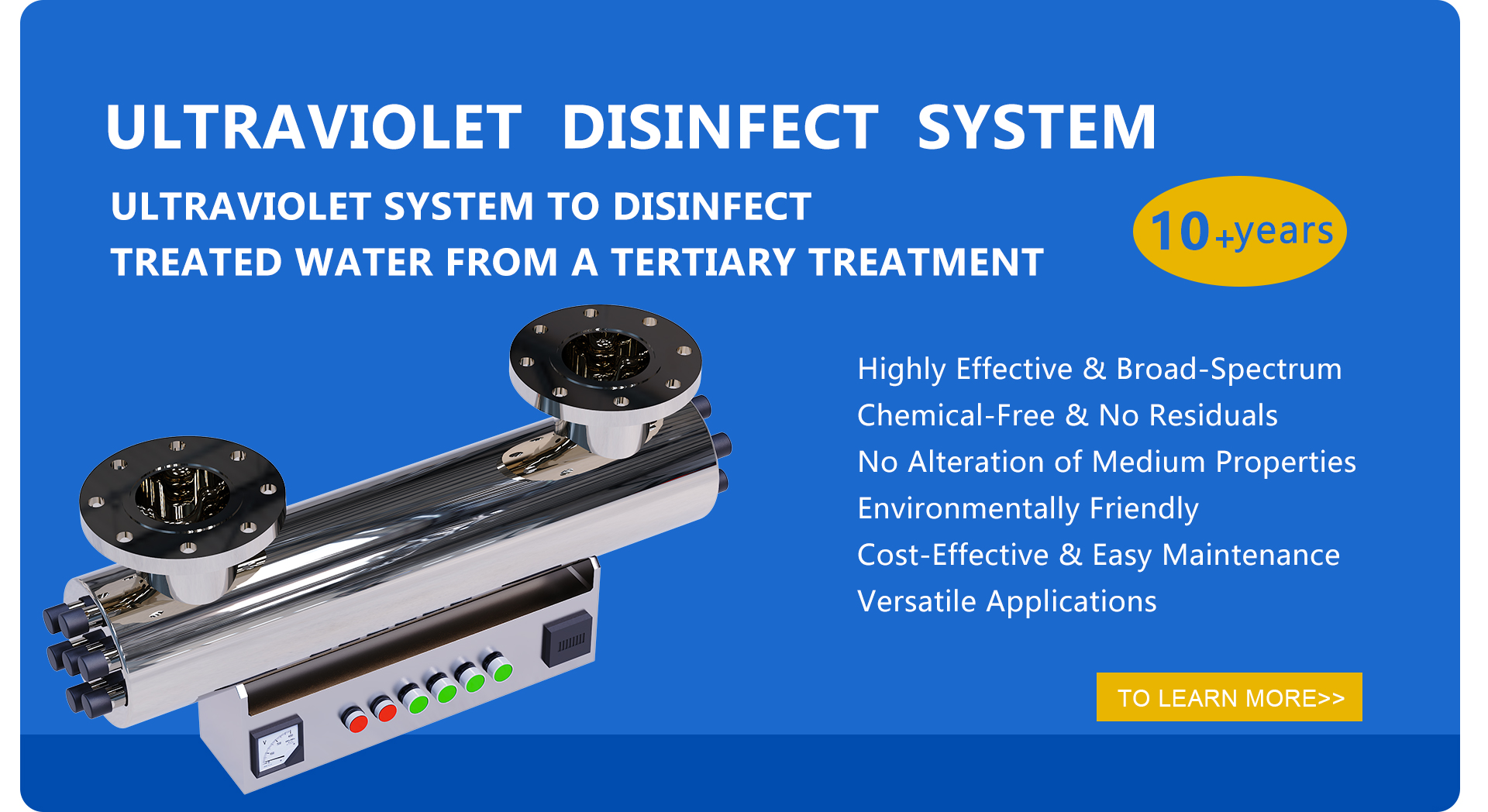
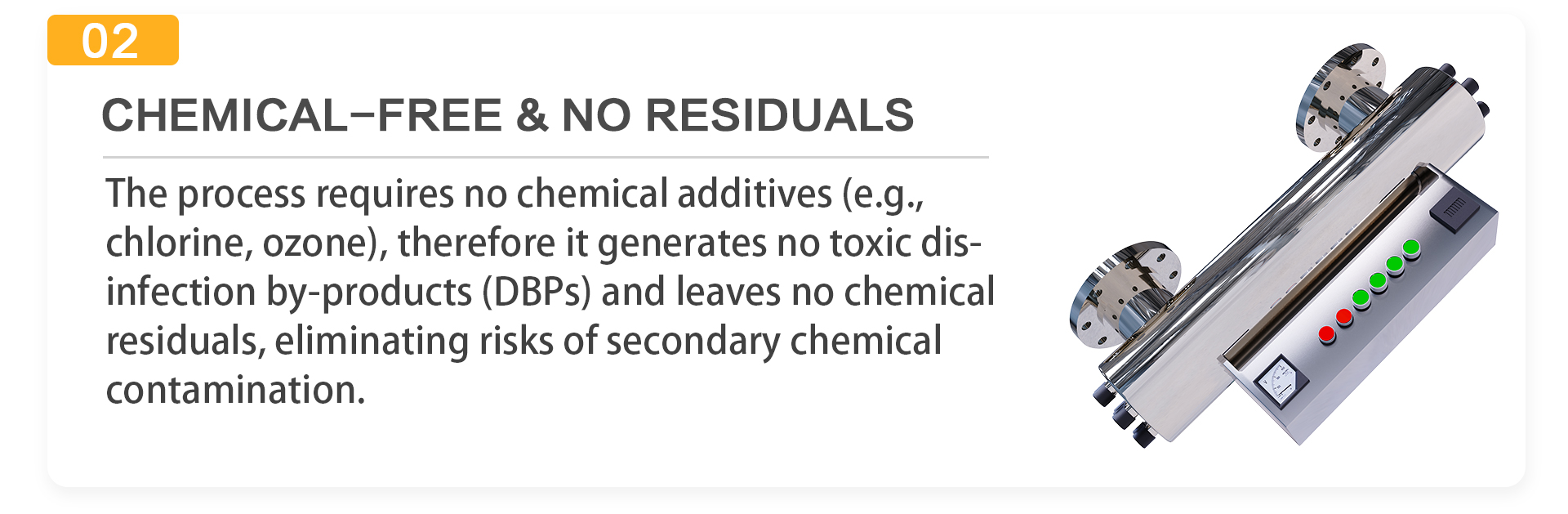
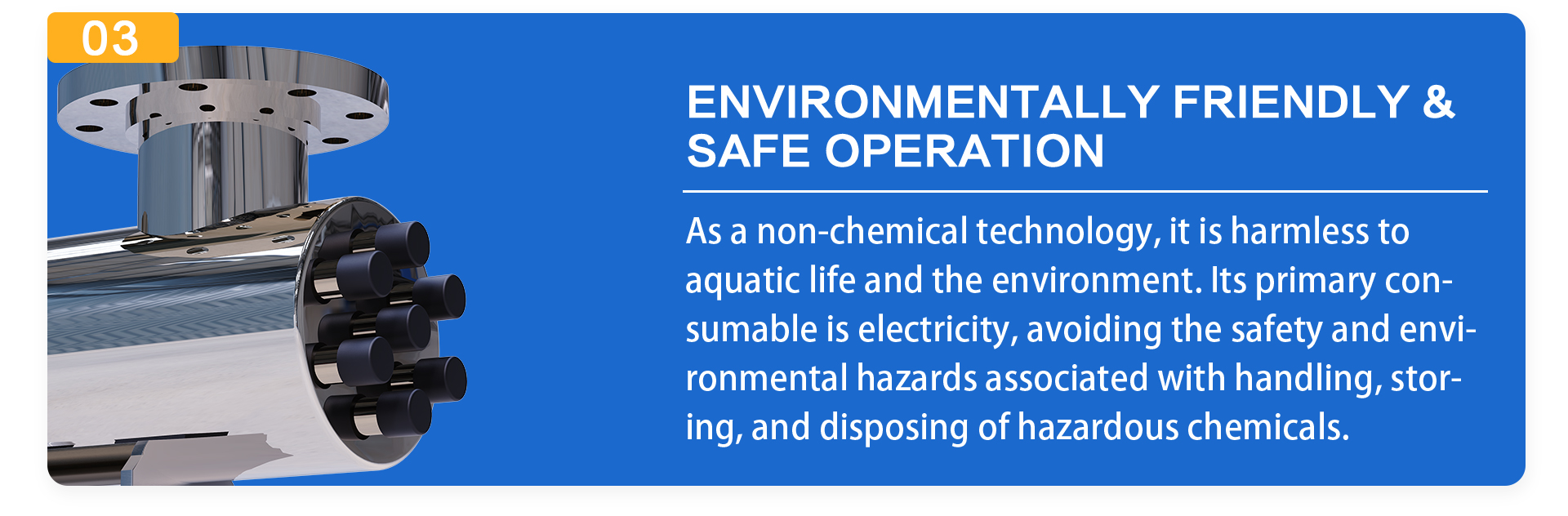
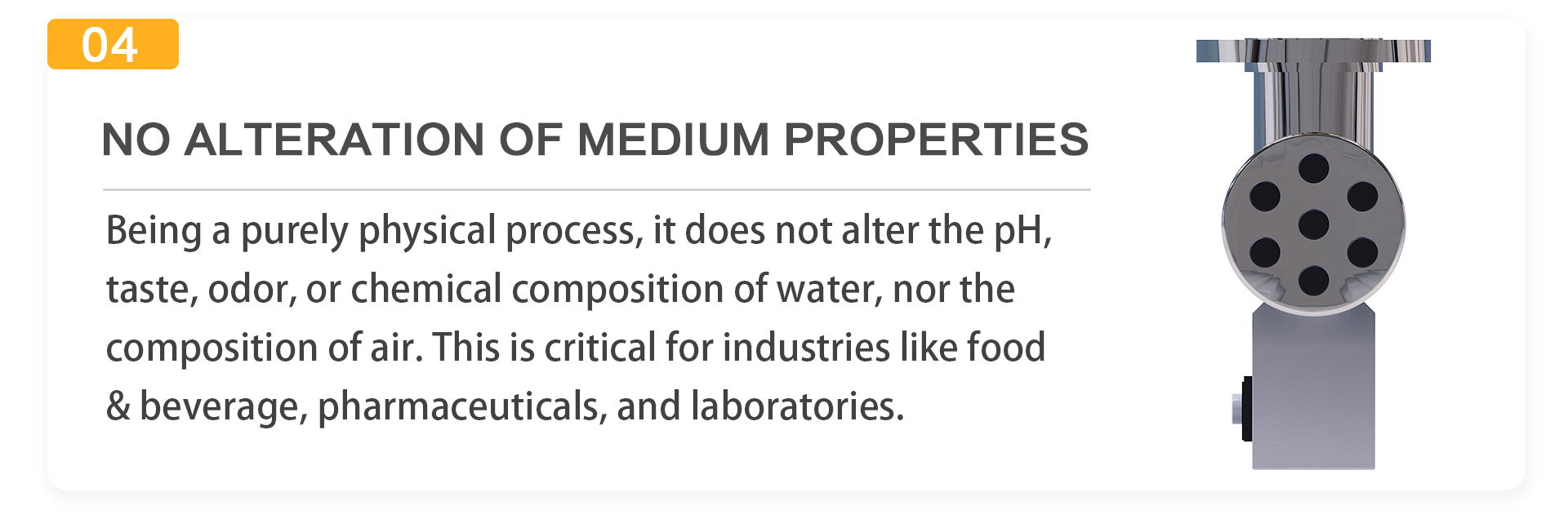
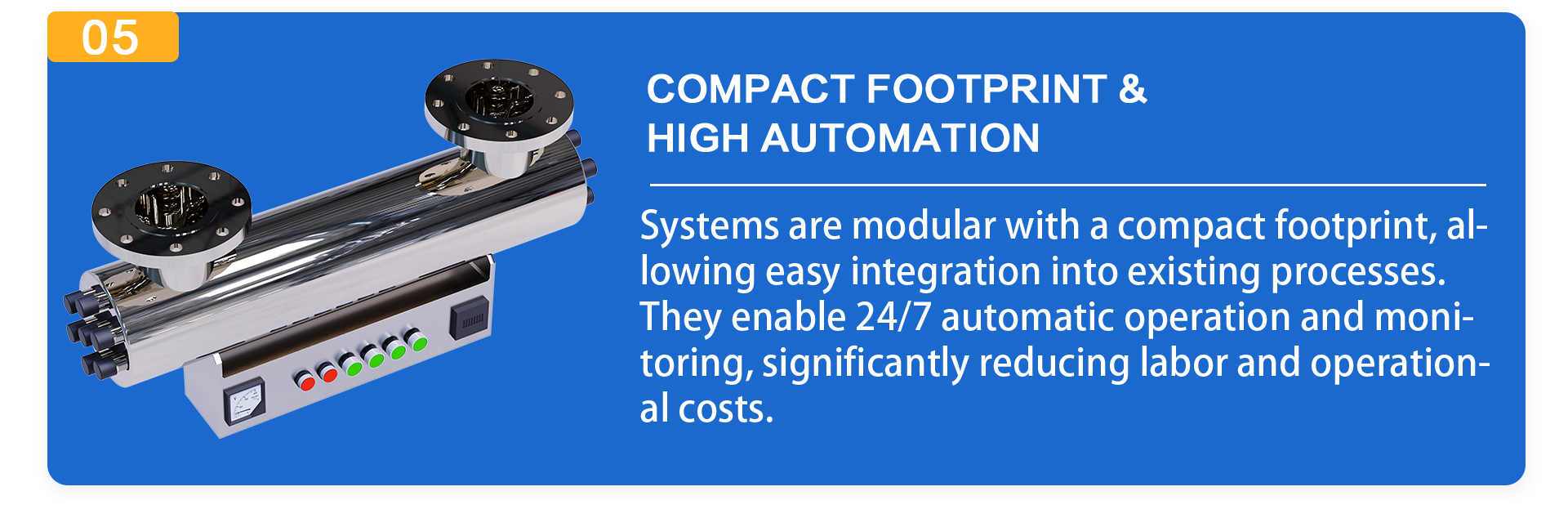
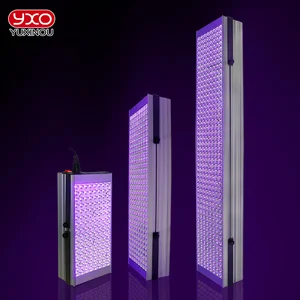
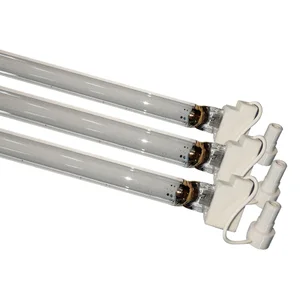
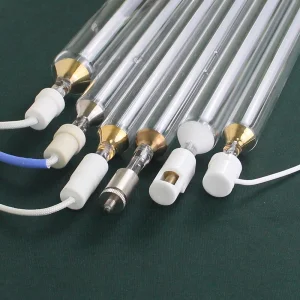
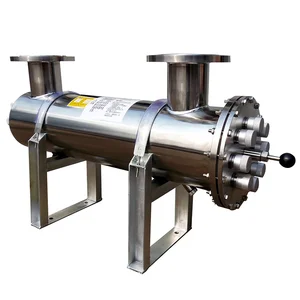
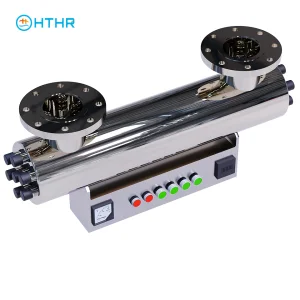
The way it works is by allowing water to enter the chamber of the UV housing. Water never touches the lamp itself but moves around a quartz sleeve which protects the water from ever touching the actual lamp.
DNA Sterilization Process
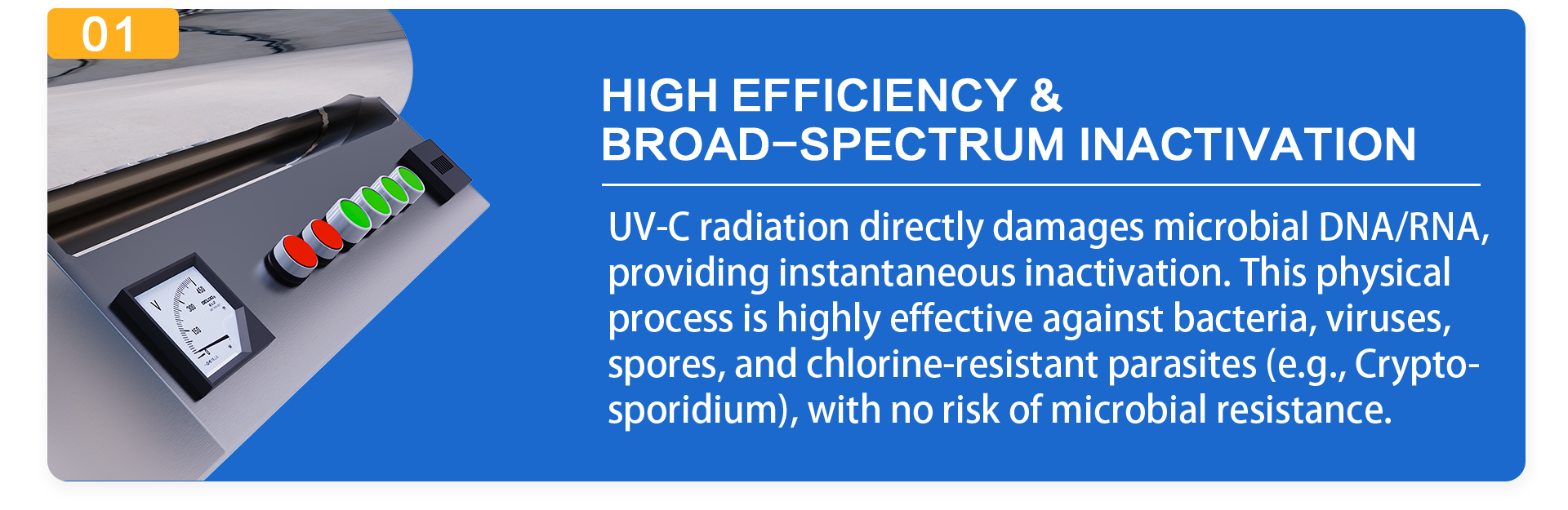
As the microorganisms get hit by the UV rays, their DNA gets damaged and they become "sterile" and unable to replicate. As they leave the UV housing and enter the home, it's important to understand that these microorganisms are still alive. However, these "sterilized" bacteria and viruses cannot replicate and therefore die over time or by our own body's white blood cells.
Pretreatment Requirements
When you purchase a UV system, it's important to get proper pretreatment to ensure that the water is as clear as possible to ensure maximum effectiveness.
Flow Rate & Protection
Always buy a UV sterilizer that can handle more than your home's flow rate to ensure that your home is protected.
Long Service Lifespan
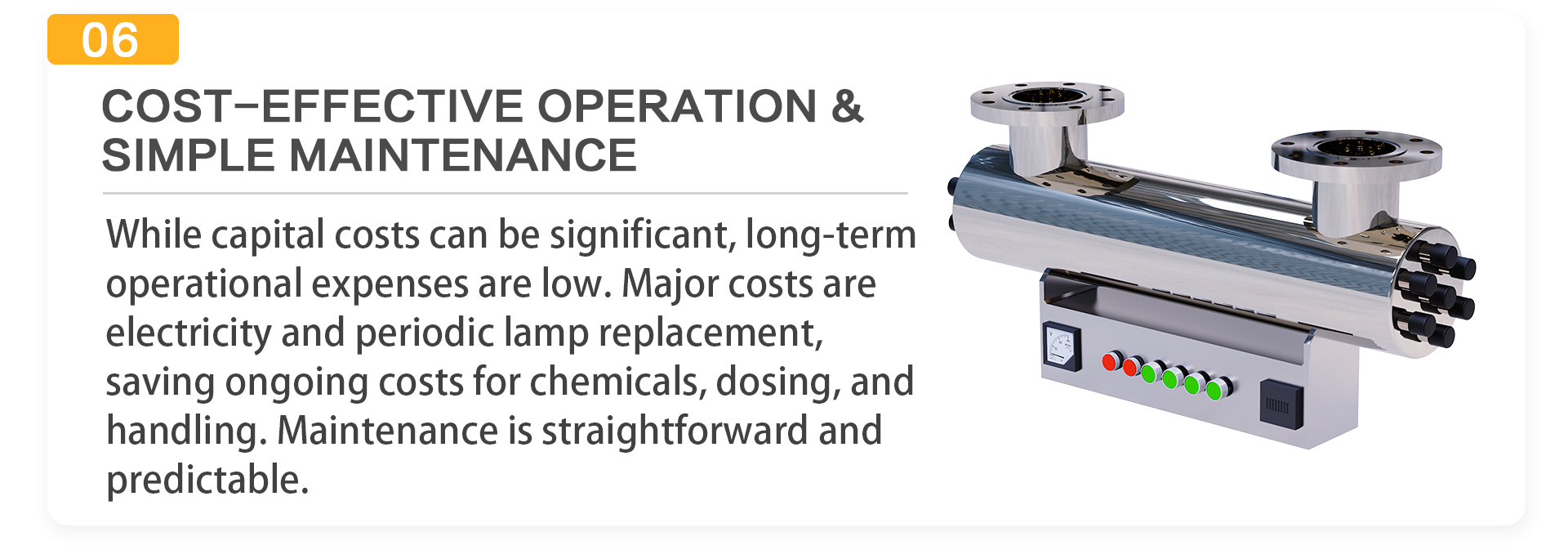
Finally, UV lamps have a life span of about 9000 hours and should be replaced every year.
Frequently Asked Questions
How does a UV water sterilizer work?
Water enters the chamber of the UV housing and flows around a protective quartz sleeve. The quartz sleeve prevents the water from coming into direct contact with the actual UV lamp.
How does UV light eliminate bacteria and viruses?
When microorganisms are exposed to UV rays, their DNA is damaged. This renders them sterile and unable to replicate, meaning they cannot multiply and will eventually die off or be neutralized by your body's immune system.
Does the water touch the UV lamp?
No, the water never touches the lamp. It flows around a protective quartz sleeve that acts as a physical barrier between the water and the UV bulb.
Why is water pretreatment necessary before UV sterilization?
Pretreatment ensures the water is as clear as possible. Clearer water allows the UV rays to penetrate effectively without being blocked by particles, maximizing disinfection performance.
What flow rate should my UV system have?
You should always choose a UV system that has a higher capacity rating than your household's peak water flow rate to ensure consistent protection.
How long do UV lamps last, and when should they be replaced?
UV lamps have a lifespan of approximately 9,000 hours and should be replaced every year to maintain sterilizing performance.
 LumiCure Light