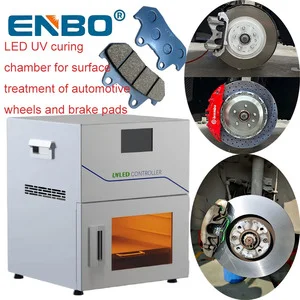
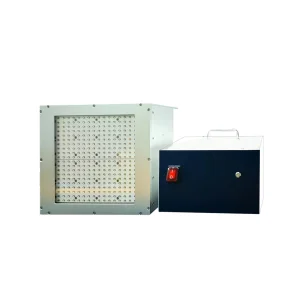
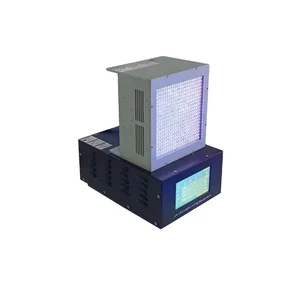
Explore our industrial-grade, energy-saving curing devices designed for high precision electronics, printing, and material assembly applications.
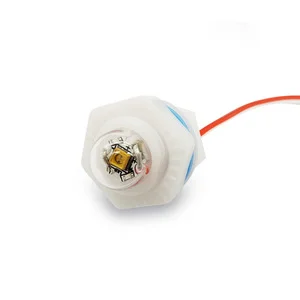
How Modern Solid-State Ultraviolet Light Modules are Revolutionizing Industrial Screen Emulsion Photopolymerization.
Traditional screen printing exposure systems relied heavily on medium-pressure metal halide or mercury-vapor lamps. While functional, these legacy systems suffer from broad spectral outputs that emit significant infrared (IR) radiation, leading to heat buildup, thermal distortion of delicate screens, and excessive power draw. Our breakthrough in UV LED Emulsion Curing technology relies on narrow-band semiconductor arrays that target the precise cross-linking peaks of photopolymer emulsions.
By outputting monochromatic wavelengths (typically 365nm, 385nm, 395nm, or 405nm), our systems focus energy directly on the photoinitiators within the emulsion matrix. This eliminates unnecessary thermal stress on polyester mesh, increases edge definition, and ensures complete photopolymerization from the surface to the substrate interface. This transition from thermal-heavy drying to efficient, cold curing increases screen longevity and stencil resolution significantly.
Addressing the strict engineering, compliance, and ROI specifications of international procurement offices.
For high-yield output, procurement departments require strict wavelength tolerances of ±5nm. Our UV LED arrays ensure optimal peak output consistency, protecting emulsions from under-exposure or uneven cross-linking across large exposure areas.
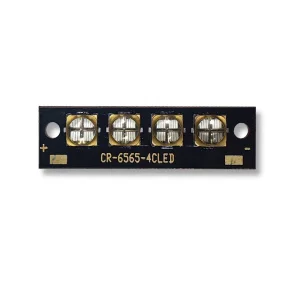
Thermal management directly affects diode longevity. Our systems utilize high-purity copper PCBs combined with specialized forced-air cooling or liquid-cooled manifolds, keeping junction temperatures low even during continuous shifts.
Seamless retrofitting is critical. Our UV LED systems are engineered with digital PLC communication controls, analog overrides, and variable dimming (10% to 100%) to integrate natively into automated exposure and screen printing lines.
Tailored configurations optimized for precision sectors including electronics packaging, screen exposure, and advanced manufacturing.
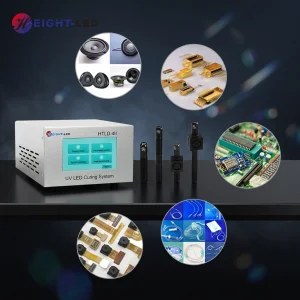
From cleanroom-certified UV LED spot curing units for micro-lens array assembly to custom-wavelength exposure machines for delicate semiconductor packaging, our equipment minimizes outgassing and operates at ultra-low, heat-sensitive temperatures.
Designed for inline high-speed print setups, our UV curing systems dry specialized UV-curable inks on plastic, glass, and metal substrates instantly. Advanced cooling ensures substrates do not stretch or degrade during processing.
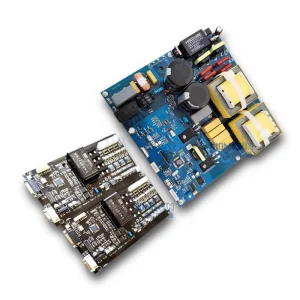
Our solutions target deep-level curing for UV solder masks, potting compounds, and protective conformal coatings. Uniform light distribution avoids shadowed areas around tall components, guaranteeing total board insulation.
Our ongoing R&D and engineering programs focus on energy output optimization, intelligent systems integration, and environmental sustainability.
We are actively developing smart UV LED systems with integrated optical radiometer sensors. These systems monitor UV output in real time and automatically adjust input currents to guarantee constant irradiance, compensating for diode degradation over time.
To support next-generation dual-cure emulsions, we are engineering single COB (Chip-on-Board) modules capable of emitting mixed ratios of 365nm and 395nm wavelengths. This enables deeper through-cure combined with non-tacky surface characteristics.
By integrating micro-lens arrays directly over the LED dies, we can narrow the beam emission angle from 120 degrees down to 30 or 60 degrees. This modification concentrates optical energy, increasing peak irradiance by up to 200% without increasing power draw.
Our hardware roadmap includes native OPC UA, Modbus TCP, and Ethernet/IP protocols. This ensures our machines interface seamlessly with factory MES (Manufacturing Execution Systems) for comprehensive preventative maintenance scheduling and remote status diagnostics.
Ensuring compliance with international electronics standards and providing direct, multi-region technical support.
All industrial equipment built at our facility undergoes strict evaluation, conforming to CE, RoHS, and FCC directives. This ensures seamless integration into European, Asian, and American manufacturing environments without regulatory hurdles.
We maintain deep strategic partnerships with leading global diode, lens, and substrate manufacturers. This ensures stable material costs, secure raw material stock, and short lead times even during volatile supply conditions.
Our engineers provide prompt technical support globally. We assist with system retrofit integration, optical field simulation, custom wavelength adjustments, and troubleshooting to keep your production lines moving.
A trusted global manufacturer specializing in industrial UV curing systems and custom OEM/ODM solutions.
Dongguan LumiCure Light Co., Ltd. is a professional China UV LED curing lamp manufacturer specializing in the research, development, production, and supply of industrial UV curing systems and customized UV LED solutions. With a strong focus on innovation, quality, and customer satisfaction, LumiCure has become a trusted partner for manufacturers worldwide seeking efficient and reliable curing technologies.
Our product range includes UV LED curing lamps, UV LED spot curing systems, flood curing lamps, conveyor UV curing machines, UV LED modules, printing curing systems, adhesive curing equipment, and customized industrial UV solutions. These products are widely applied in printing, electronics assembly, semiconductor packaging, optical bonding, automotive manufacturing, medical devices, 3D printing, and various precision industrial processes.
Backed by an experienced engineering team and advanced manufacturing facilities, LumiCure is committed to developing energy-saving and environmentally friendly UV curing technologies. Our products feature high curing efficiency, precise wavelength output, long service life, low maintenance requirements, and intelligent control capabilities, helping customers improve productivity while reducing operating costs.
Quality remains the foundation of our business. Every product undergoes rigorous testing and strict quality control procedures throughout the manufacturing process to ensure consistent performance and reliability. We also provide comprehensive OEM and ODM services, enabling customers to customize products according to their specific technical and application requirements.
Serving clients across Europe, North America, Asia, the Middle East, and other global markets, Dongguan LumiCure Light Co., Ltd. continues to deliver innovative UV LED curing solutions that support sustainable and efficient industrial manufacturing.
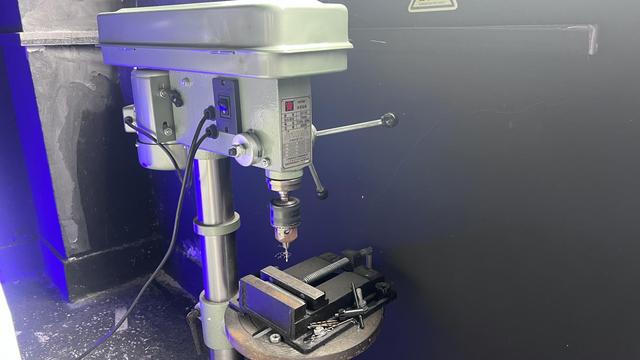
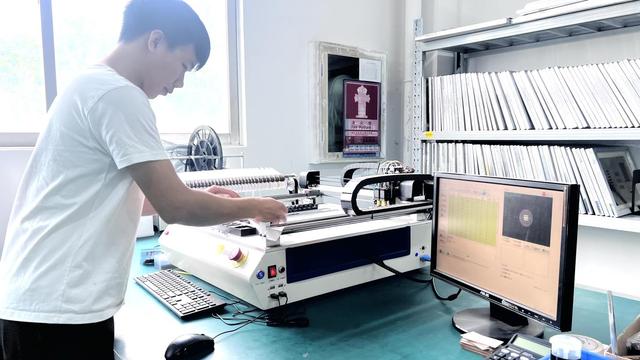
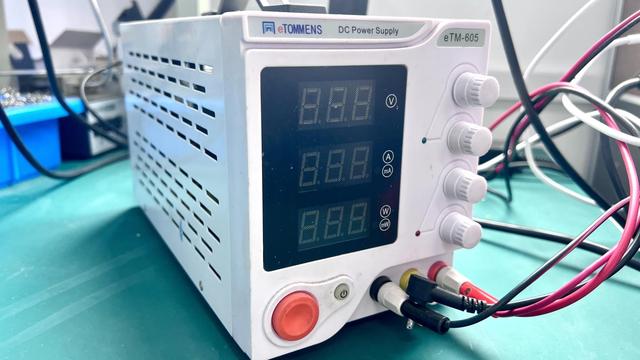
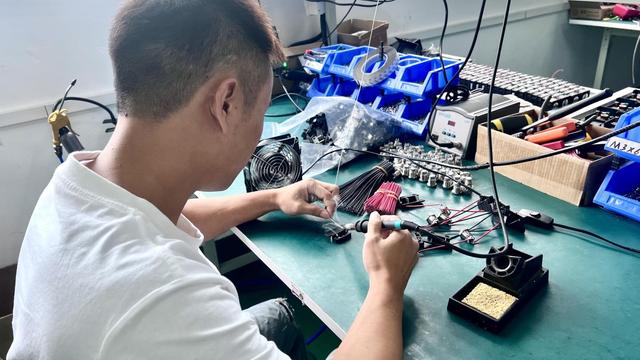
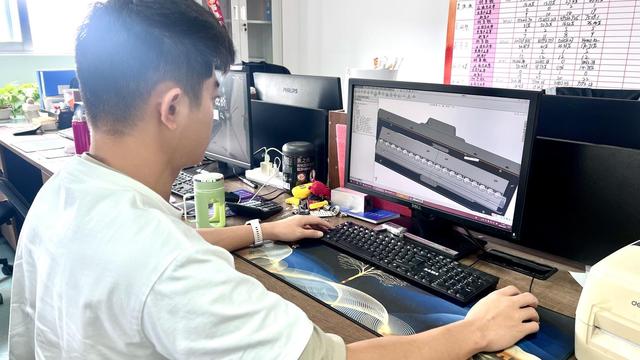
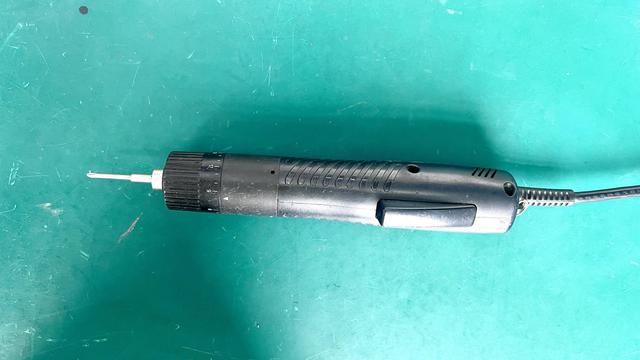
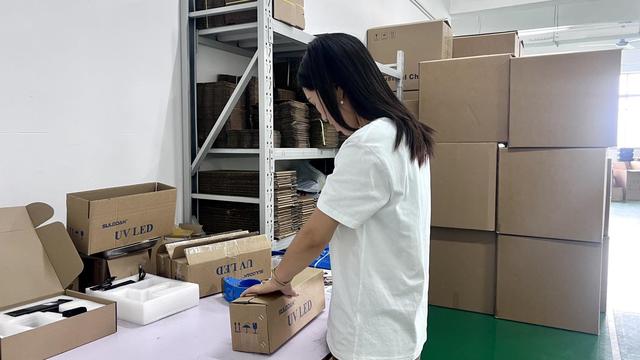
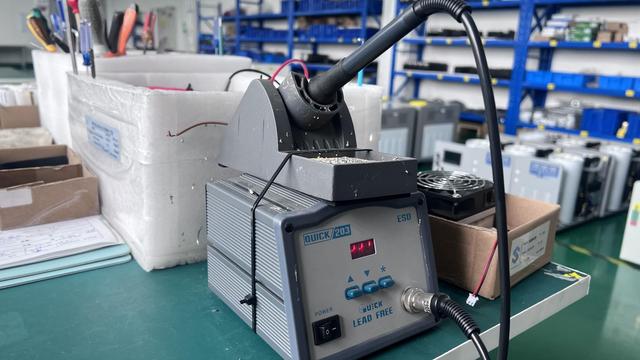
An inside look at our state-of-the-art optical laboratory, component manufacturing department, and finished UV curing assemblies.
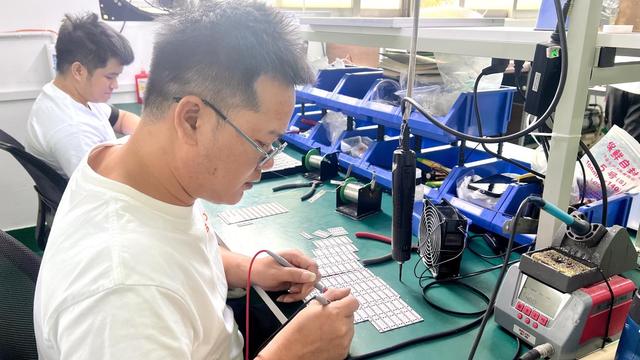
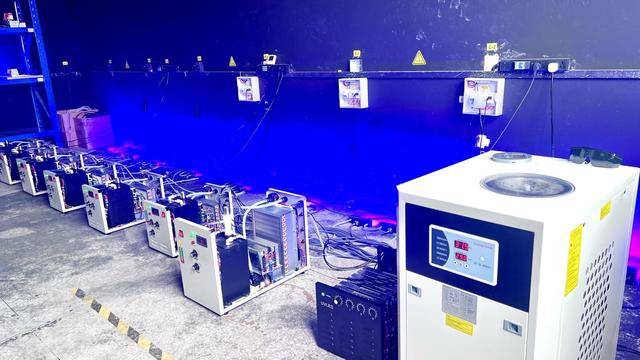
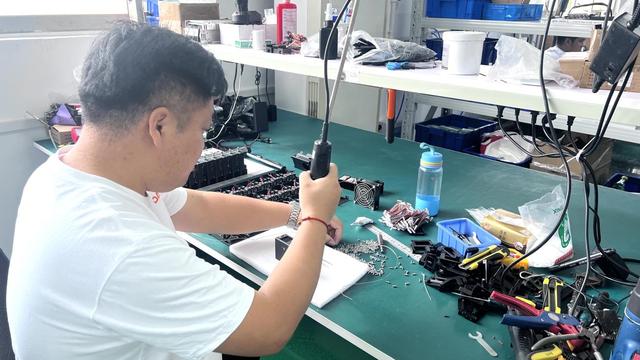
In-depth answers to common structural, thermal, and electrical queries regarding industrial photocuring installations.
Most modern dual-cure or photopolymer screen printing emulsions react optimally at wavelengths between 365nm and 405nm. 365nm is highly effective for deep-section crosslinking and resolving fine details on fine mesh, while 395nm is ideal for high-speed, general-purpose printing screen exposure.
Mercury arc lamps emit broad-spectrum infrared heat, which raises screen temperatures, potentially warping frames and stretching polyester mesh. UV LED systems release only the targeted UV wavelength, reducing heat transmission to substrates. This ensures high dimensional stability for multi-color screen registration.
Yes. Our modular UV LED modules and curing ovens are designed with flexible mounting brackets and industry-standard PLC connectivity. They can easily replace aging metal halide lamps on existing screen exposure tables or conveyor lines.
We design both air-cooled (utilizing high-CFM industrial fan arrays) and liquid-cooled systems (incorporating internal micro-channels with dedicated chillers). Selecting the right configuration depends on power density, space constraints, and the surrounding ambient temperature.
Standard configurations typically ship within 2 to 3 weeks. Custom designs involving specific wavelengths, structural configurations, or special PLC protocol adjustments generally take 4 to 6 weeks, which includes prototype testing and validation.
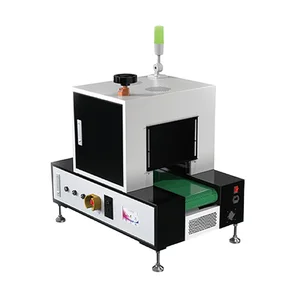
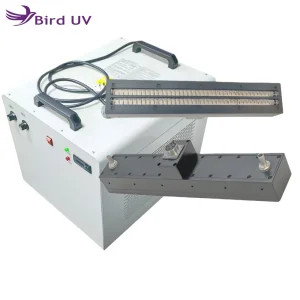
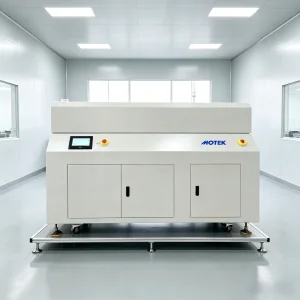
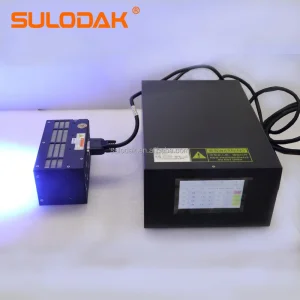
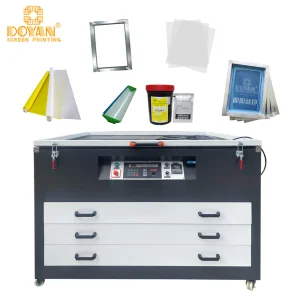
Precision exposure units, conveyorized tunnel systems, and specialized industrial tools for high-capacity workflows.
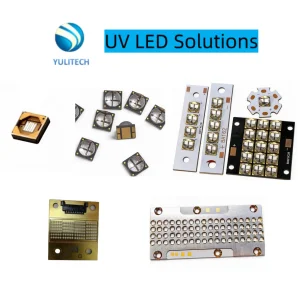
 LumiCure Light