High-performance industrial-grade UV curing chambers, line units, and customizable exposure systems.
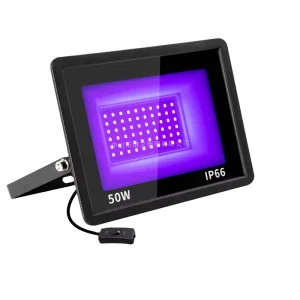
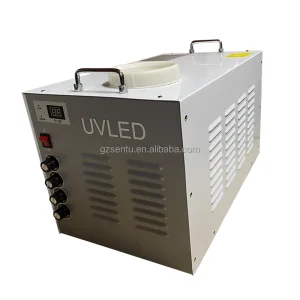
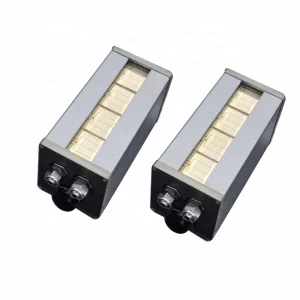
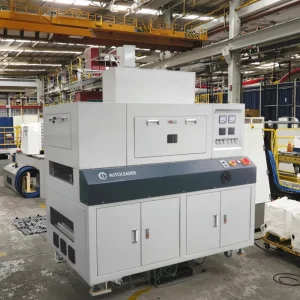
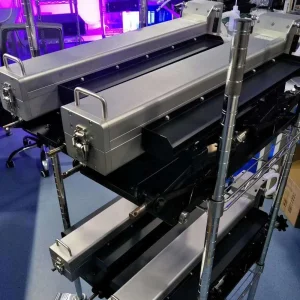
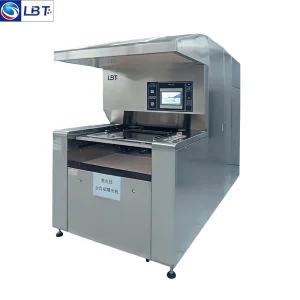
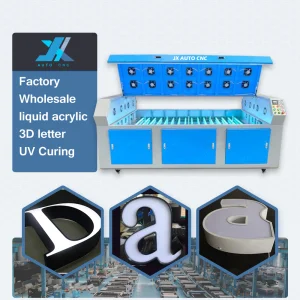
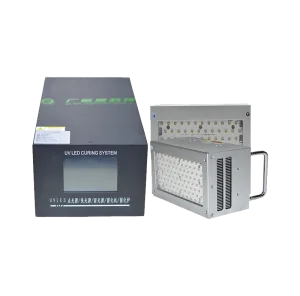
Understanding the transition from mercury arc systems to narrow-spectrum UV LED technologies across dynamic supply chains.
The industrial manufacturing sector is experiencing a monumental transformation driven by stringent global environmental regulations, high energy costs, and the absolute necessity of process efficiency. At the forefront of this revolution is UV LED Curing technology, which has increasingly replaced traditional medium-pressure mercury arc lamps in applications including high-speed printing, microelectronics assembly, and medical equipment sterilization.
Unlike traditional curing methods that generate extensive thermal radiation (IR waves) and release ozone, UV LED systems deliver narrow-band monochromatic light (typically at wavelengths of 365nm, 385nm, 395nm, or 405nm). This precise energy transfer targets only the photoinitiators within inks, coatings, and adhesives, bringing polymerization to completion within fractions of a second without compromising heat-sensitive substrates.
Additionally, the rising adoption of water-based UV formulations (UV-LED Water-Based Curing) merges the ecological benefits of zero volatile organic compounds (VOCs) with the superior speed of radiation curing. This chemistry requires systems with complex drying profiles that flash off water content prior to the UV LED radiation triggering cross-linking. As a consequence, high-output water-cooled or air-cooled UV LED systems have become essential to ensure precise dose distribution on conveyor lines and web printers worldwide.
Why global brands rely on China’s advanced supply chains for high-precision, customized UV curing solutions.
Dongguan LumiCure Light Co., Ltd. is a professional China UV LED curing lamp manufacturer specializing in the research, development, production, and supply of industrial UV curing systems and customized UV LED solutions. With a strong focus on innovation, quality, and customer satisfaction, LumiCure has become a trusted partner for manufacturers worldwide seeking efficient and reliable curing technologies.
Our product range includes UV LED curing lamps, UV LED spot curing systems, flood curing lamps, conveyor UV curing machines, UV LED modules, printing curing systems, adhesive curing equipment, and customized industrial UV solutions. These products are widely applied in printing, electronics assembly, semiconductor packaging, optical bonding, automotive manufacturing, medical devices, 3D printing, and various precision industrial processes.
Backed by an experienced engineering team and advanced manufacturing facilities, LumiCure is committed to developing energy-saving and environmentally friendly UV curing technologies. Our products feature high curing efficiency, precise wavelength output, long service life, low maintenance requirements, and intelligent control capabilities, helping customers improve productivity while reducing operating costs.
LumiCure designs bespoke systems based on specific optical requirements, integrating PLCs, custom cooling jackets, and multiple wavelength combinations (e.g., 365nm + 395nm dual arrays) directly into existing manufacturing networks.
Quality remains the foundation of our business. Every single light engine and controller undergoes thermal testing, output irradiance mapping, and prolonged stress analysis prior to dispatch, ensuring field reliability.
Operating from Dongguan, the hardware capital of China, grants LumiCure direct access to high-grade chip packaging, precision aluminum CNC milling, and high-frequency controllers, driving down lead times and costs.
Serving clients across Europe, North America, Asia, the Middle East, and other global markets, Dongguan LumiCure Light Co., Ltd. continues to deliver innovative UV LED curing solutions that support sustainable and efficient industrial manufacturing.
Bridging the gap between scientific photopolymerization and heavy industrial requirements.
Over the past five years, the global market for UV LED curing systems has diversified. Key industries have realized that curing speed, heat reduction, and narrow wavelength band controls are critical parameters to prevent material damage. Below are the primary application sectors leading this transformation:
From flexo label printing to wide-format hybrid printers, UV LED light sources enable rapid ink crystallization at line speeds exceeding 150m/min. This prevents bleeding on plastic substrates and foils.
High-precision automatic PLC LED exposure machines play a key role in PCB/FPC imaging and semiconductor lithography. They ensure mask patterns are projected without thermal expansion distortions.
UV area and spot curing units cure structural acrylics and epoxies in smartphone assemblies, camera lens positioning, and medical needle bonding within 1 to 3 seconds.
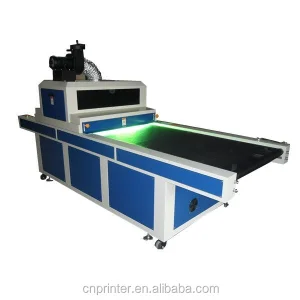
Key Future Trend: Hybrid Eco-Systems. The shift towards combining thermal convection/infrared dry zones with intensive UV LED systems is gaining momentum, specifically for water-borne coatings. Modern conveyor lines are increasingly designed with two-stage processes: first, removing water or solvent components using soft thermal zones, followed instantly by deep UV LED curing to freeze molecular matrix layers.
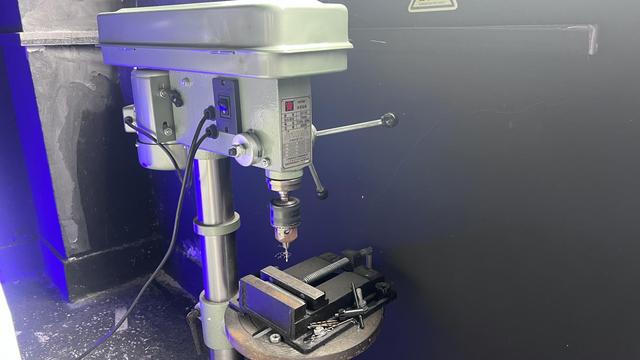
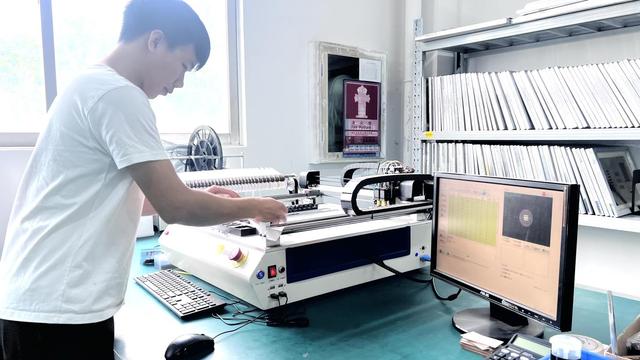
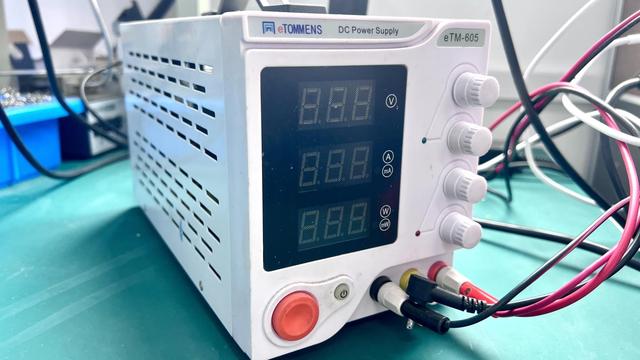
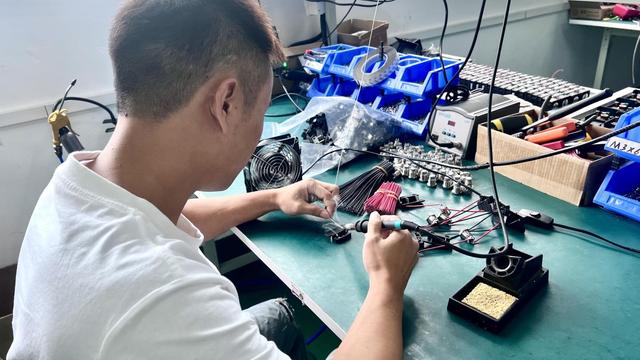
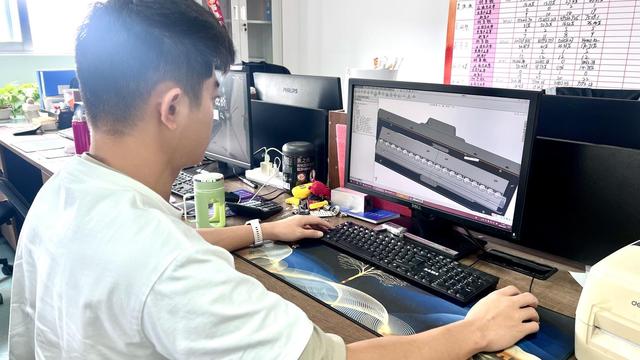
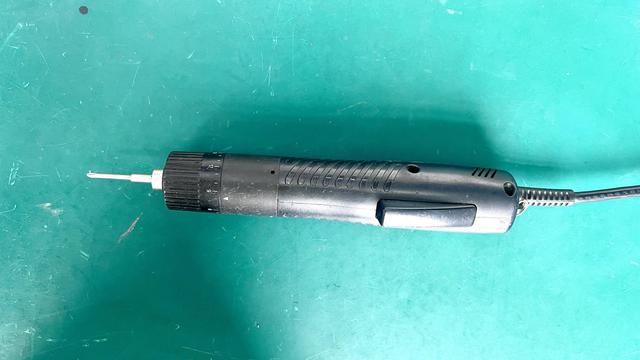
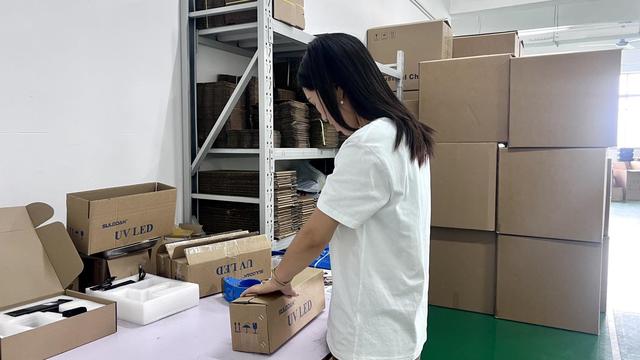
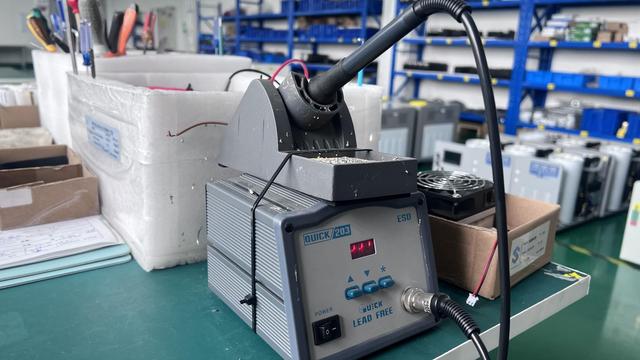
A direct window into our testing labs, PCB assembly areas, and final product packaging stages.
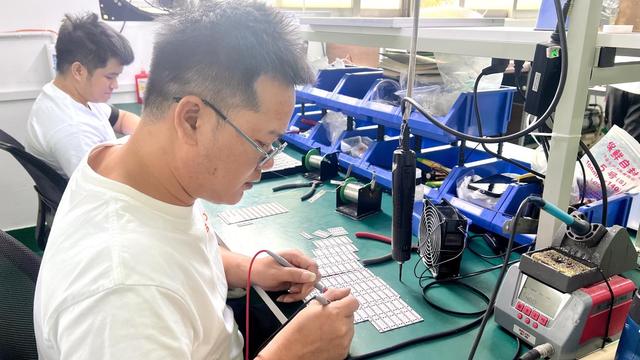
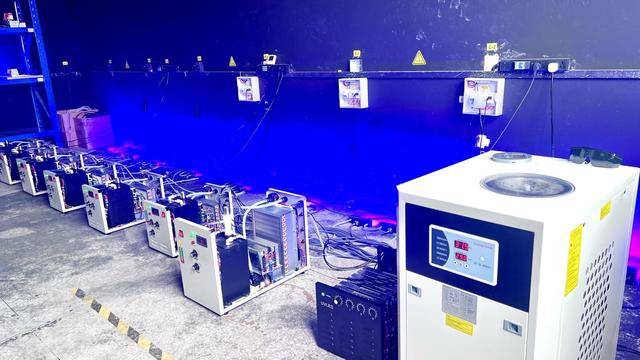
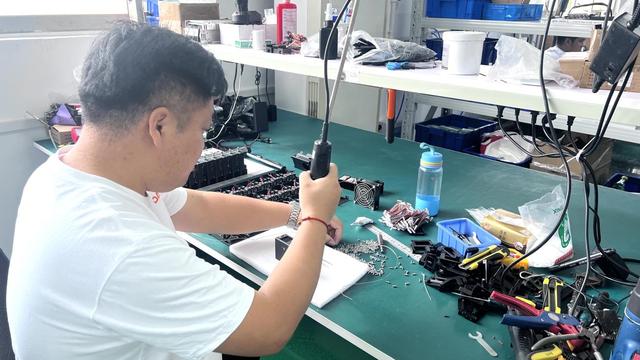
Technical support, hardware queries, and buying parameters answered by industry engineers.
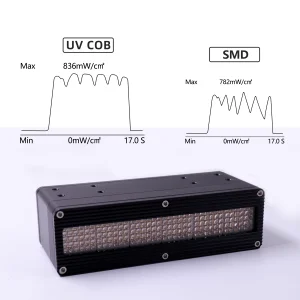
Water-cooled systems utilize liquid chilling units to cycle coolant directly behind the high-density COB (Chip-on-Board) arrays. This allows the system to manage higher power densities (often exceeding 16 W/cm² to 30 W/cm²) and maintain low junction temperatures. It is ideal for cleanrooms, high-speed printing, and wide-format operations. Air-cooled systems use integrated fans and heatsinks, offering a simpler design and lower upfront cost, making them suitable for mid-power operations and space-constrained installations.
Water-based UV curing requires two stages. First, the water content must be flashed off or evaporated (typically using dry air or IR heat). Once the water is removed, the remaining dry layer contains the photoinitiators and monomers. The substrate then passes under the UV LED lamp for instant polymerization. Without this pre-drying stage, trapped water will impede the curing process, leading to low gloss, soft finishes, and poor adhesion.
Wavelength selection depends on your ink or adhesive formulation:
• 365nm is typically chosen for surface curing, thin clear coatings, and optical bonding adhesives, as it offers strong shallow penetration.
• 385nm & 395nm are widely used for deep penetration, heavily pigmented inks (like flexo and inkjet printing), and thick adhesive layers.
• 405nm is ideal for glass bonding and high-thickness coatings where lower-energy UV is sufficient to activate the formulation.
LumiCure designs systems utilizing premium-grade LED chips. Our systems are rated for a standard operating lifetime exceeding 30,000 working hours, provided that the cooling water temperature and electrical power controls remain within specified limits. Compared to traditional mercury arc lamps (which require replacement every 1,000–2,000 hours), UV LED systems significantly lower operational down-time and maintenance costs.
Yes. Dongguan LumiCure Light Co., Ltd. provides full engineering integration services. We can adjust the emission window dimensions, tailor the peak optical irradiance, program PLC interfaces for external automation, and match specific mechanical mounts for printing systems like flexo, offset, or flatbed configurations.
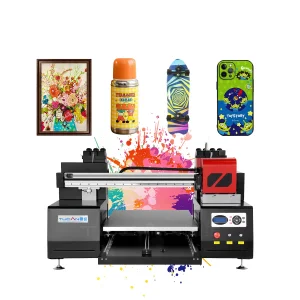
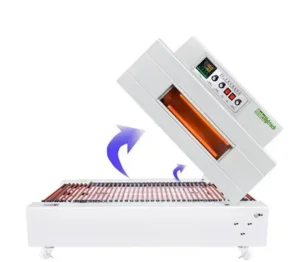
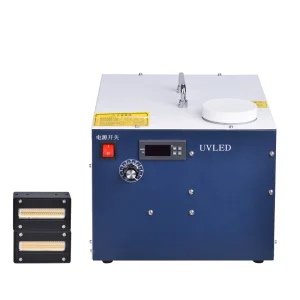
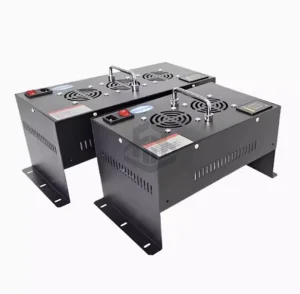
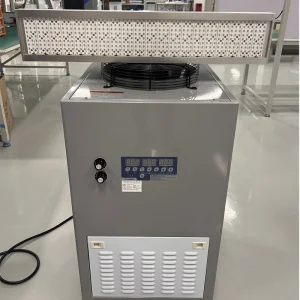
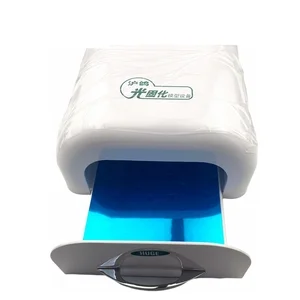
Industrial UV flatbed printer lamps, drying tunnels, custom assemblies, and medical/dental lab cabinets.
 LumiCure Light