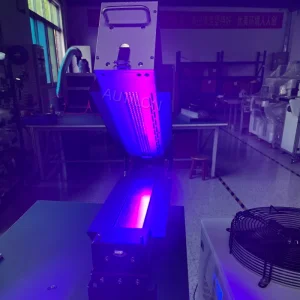
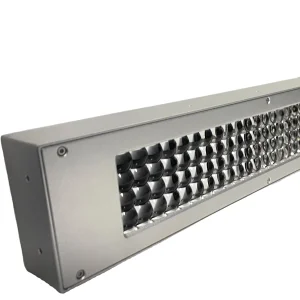
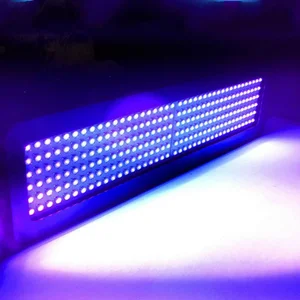
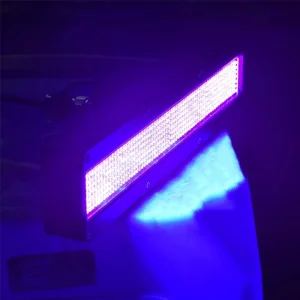
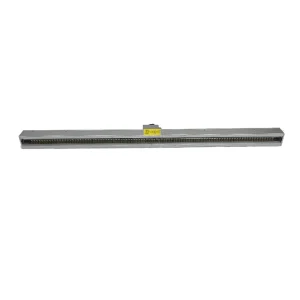
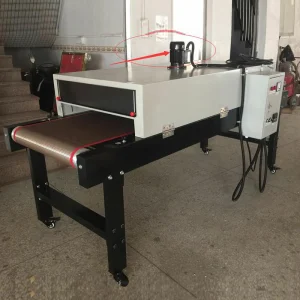
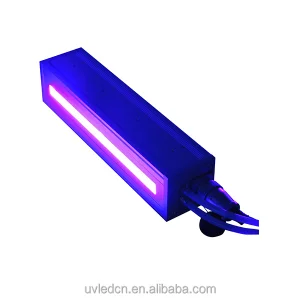
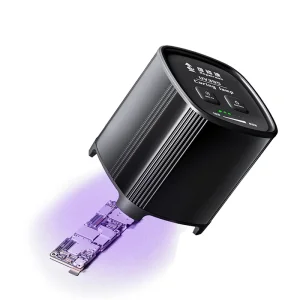
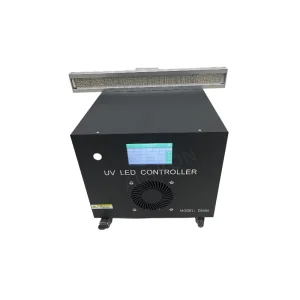
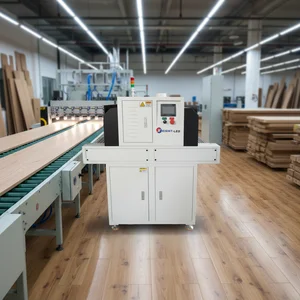
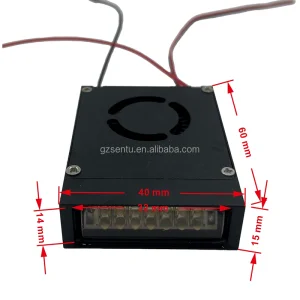
Deploy our precision-engineered, high-performance ultraviolet curing equipment tailored for automated production, industrial printing, high-speed adhesive polymerizations, and customized curing lines.
Dongguan LumiCure Light Co., Ltd. stands at the forefront of solid-state ultraviolet optoelectronics, operating as a premium Chinese manufacturer and global supplier specializing in the research, development, and high-precision production of industrial UV LED curing systems. With deep engineering expertise in thermal dynamics, optical design, and semiconductor chip integration, LumiCure supplies critical manufacturing lines worldwide with reliable, customized curing solutions.
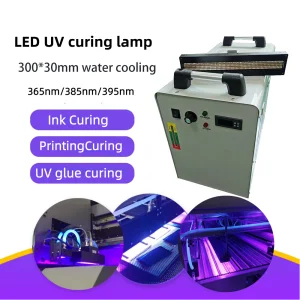
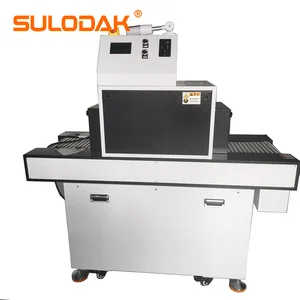
Our comprehensive system catalog spans high-intensity UV LED spot-curing modules, flood-curing heads, custom conveyor ovens, multi-wavelength emission bars, and direct retrofitting solutions for historical mercury-arc systems. We cater to high-stakes industries, including aerospace, optical manufacturing, microelectronics assembly, medical devices compliance, wood processing, and high-speed packaging printing.
Supported by a state-of-the-art facility in Dongguan, our technical teams ensure every module is calibrated for peak irradiance, spectral distribution, and continuous thermal stability. Whether you require standard 365nm modules or complex OEM/ODM integrations, LumiCure delivers engineering excellence designed to scale.
The industrial manufacturing sector is experiencing a rapid transition toward high-efficiency solid-state curing, catalyzed by regulatory pressures on heavy metals and volatile organic compounds (VOCs). The global UV LED rigid curing market is expanding as operations phase out conventional medium-pressure mercury lamps. The primary drivers behind this evolution include:
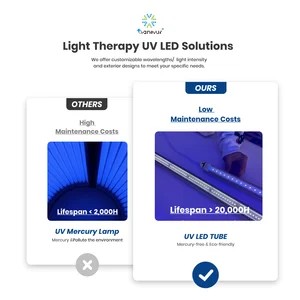
International treaties are enforcing strict limits on mercury-containing hardware. UV LED systems operate entirely mercury-free, eliminating hazardous waste protocols, occupational health risks, and costly disposal fees.
Conventional UV lamps draw substantial standby power due to long warm-up cycles. In contrast, UV LED systems feature instantaneous on/off controls. These modules draw power only during active curing cycles, reducing energy usage by up to 50–70%.
Traditional mercury lamps emit substantial infrared radiation (IR), which elevates substrate temperatures. This causes deformation in thin plastic films, heat-sensitive paper, and delicate electronics. UV LEDs deliver pure, cold UV energy, making them ideal for rigid polymers, acrylics, and PCB laminates.
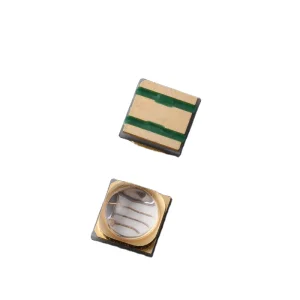
Our engineers are constantly pushing boundaries in LED packaging technology. Through advanced Chip-on-Board (COB) manufacturing, we mount high-density LED arrays directly onto copper-clad, metal-core PCBs. This minimizes thermal resistance and maximizes output intensity. Integrating smart IoT interfaces allows our drivers to self-diagnose, tracking junction temperatures and irradiance output in real time to prevent sudden line shutdowns.
Procuring industrial UV curing equipment requires evaluating several key parameters to ensure long-term durability and process consistency. When sourcing from China, procurement engineers must look beyond simple unit costs and focus on strict system specifications:
| Selection Criteria | Standard Tier Considerations | LumiCure Industrial Grade Specifications | Operational Impact |
|---|---|---|---|
| Wavelength Consistency | ±10nm variation | ±3nm strict binning control | Ensures uniform polymerization and prevents under-curing. |
| Irradiance Output | 2 - 8 W/cm² | Up to 24 W/cm² (highly focused) | Enables faster line speeds and deeper light penetration. |
| Thermal Solution | Basic extruded aluminum heatsinks | Microchannel water cooling or copper heatpipes | Prevents thermal degradation and extends diode lifetime beyond 20,000 hrs. |
| System Integration | Manual relay triggers only | Modbus, RS485, PLC analog feedback loop | Integrates directly with automated robotic lines and SCADA networks. |
Whether you are designing a high-speed flexo label press, assembling complex optical sensors, or manufacturing automotive panels, the selection of the correct wavelength is critical. While 395nm is typically used for thick inks and screen-printing applications, 365nm is the standard for shallow-penetration clear coats, medical adhesive formulations, and precision electronic encapsulants.
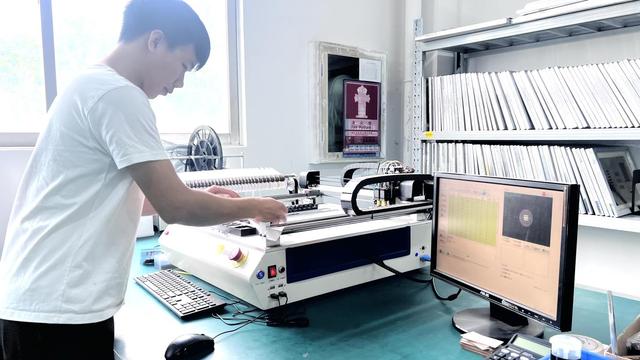
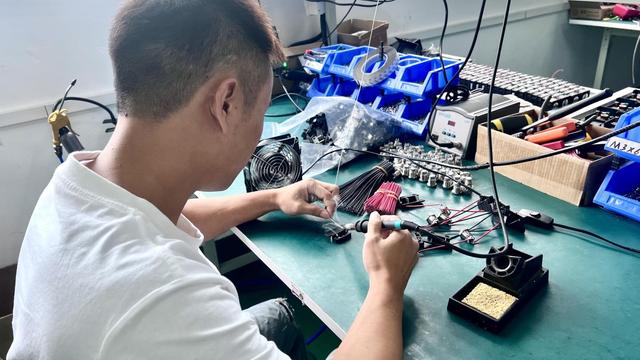
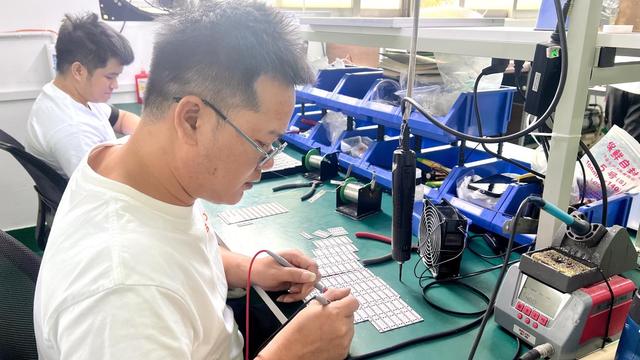
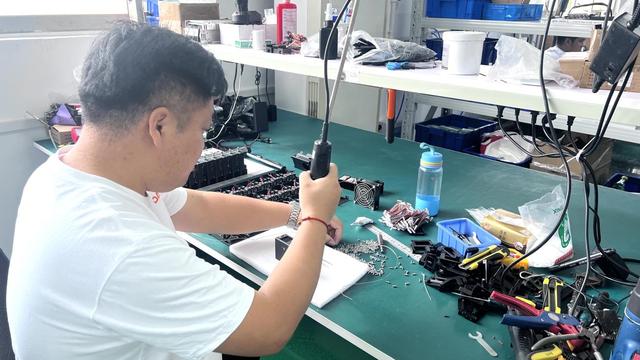
Operating out of Dongguan—the global epicenter of advanced hardware manufacturing—Dongguan LumiCure Light Co., Ltd. leverages a highly integrated vertical supply chain. Our facilities combine precision machining, electronics assembly, optical testing, and thermal validation under one roof.
We source high-grade LED chips directly from Tier 1 semiconductor manufacturers, packaging them in-house. This direct supply chain reduces overhead, maintains absolute quality control, and allows us to pass these cost savings directly to our global wholesale partners.
Every industrial project has unique requirements. We offer fast-turnaround customization, tailoring module lengths, matching specific emission spectrums, and designing custom mounting brackets. This ensures our systems fit perfectly into your existing machine footprint without requiring costly retrofits.
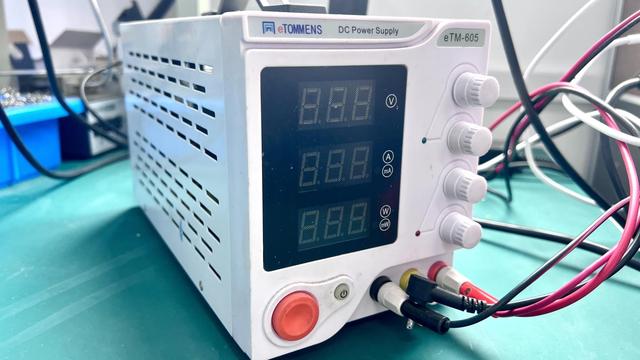
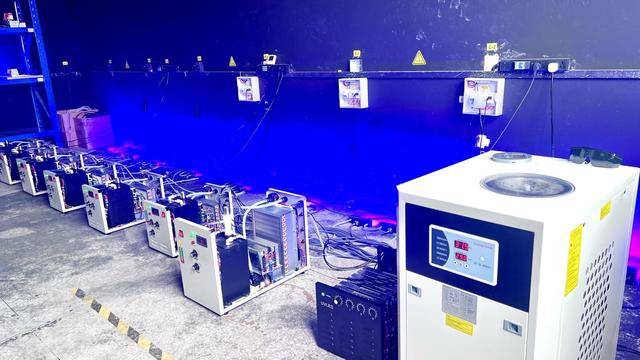
Every curing module is subject to a strict 72-hour continuous burn-in test. We utilize optical radiometers to verify irradiance uniformity across the entire emission window, guaranteeing consistent, field-ready performance from day one.
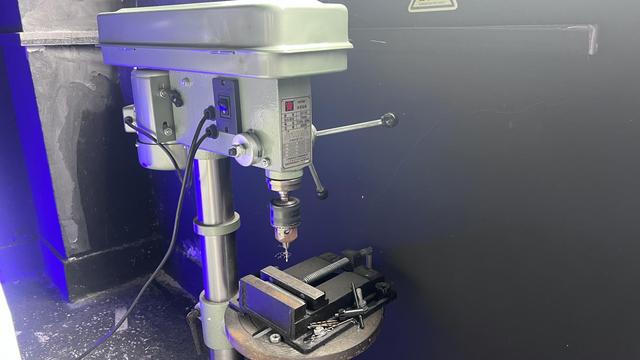
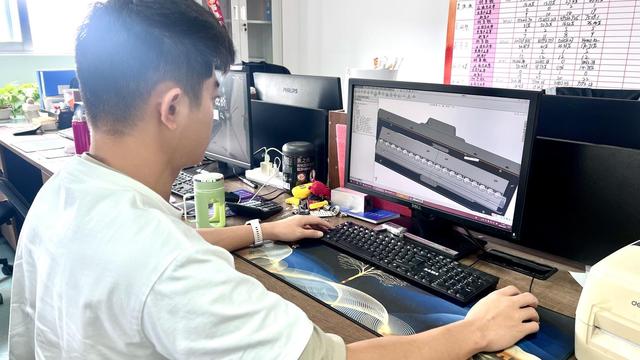
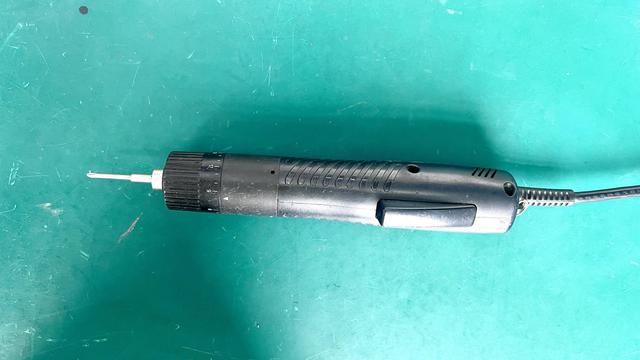
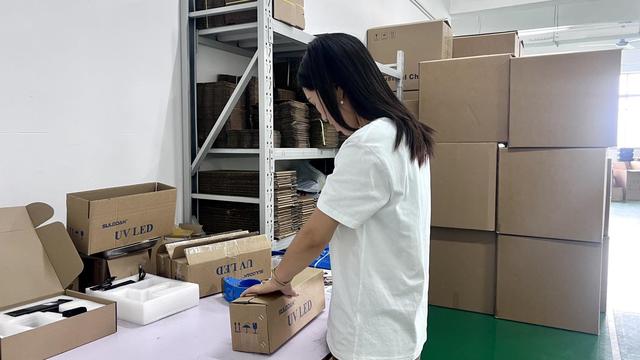
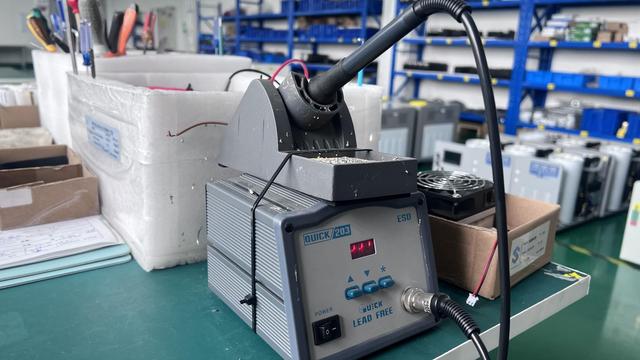
Take a virtual look inside our ISO-certified production lines, R&D laboratories, and cleanroom assembly spaces. We maintain transparent operations to demonstrate our commitment to quality control and technical expertise.
Explore our second catalog batch, showcasing advanced machinery designed for deep potting, high-speed inline drying, green-oil PCB mask curing, and industrial wood coating applications.
 LumiCure Light