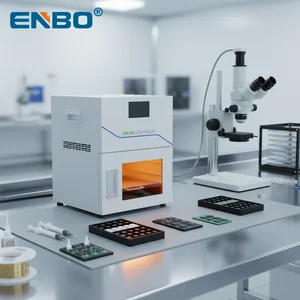
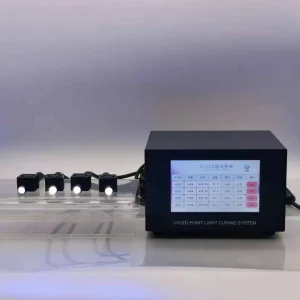
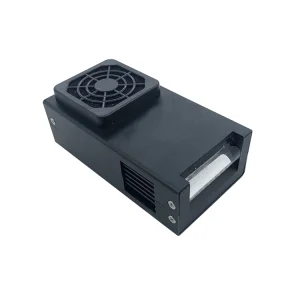
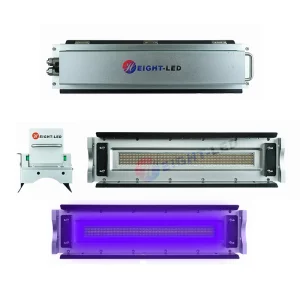
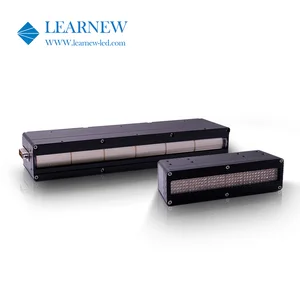
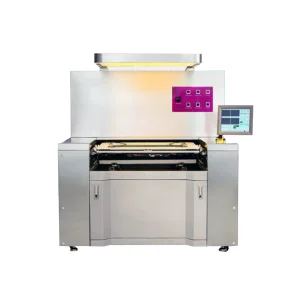
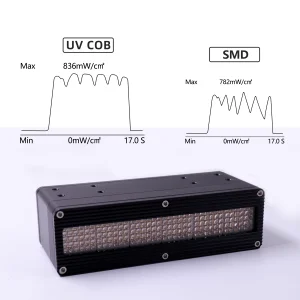
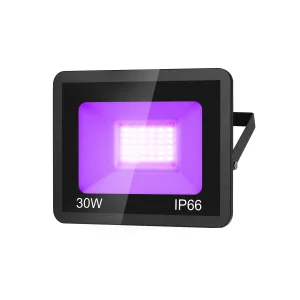
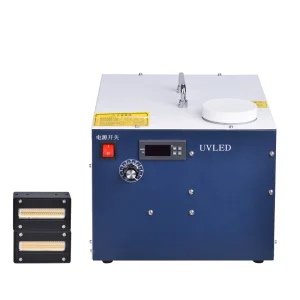
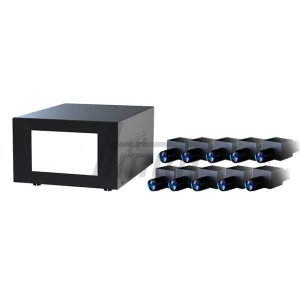
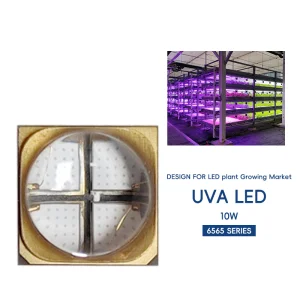
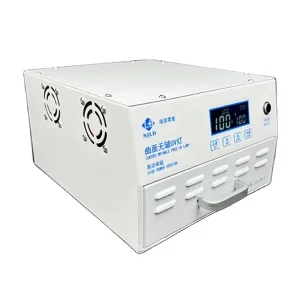
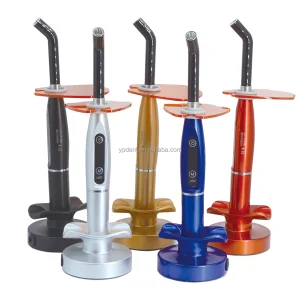
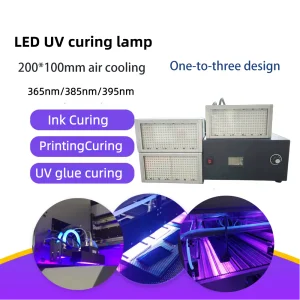
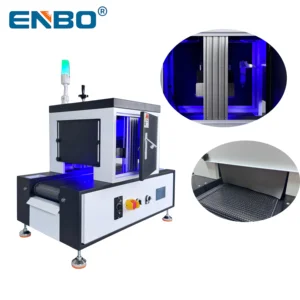
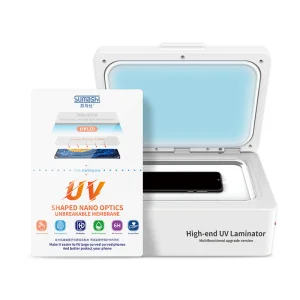
In modern high-speed industrial manufacturing, the transition from legacy thermal and medium-pressure mercury lamp curing systems to high-performance solid-state UV LED curing systems is one of the most significant transformations of the past decade. By utilizing narrow-spectrum semiconductor diodes, industrial production lines can now deliver precise, high-intensity wavelengths directly to target resins, photoinitiators, and optical adhesives, maximizing throughput while minimizing heat generation and energy expenditures.
SEO Insight & Semantic Value: Industrial UV LED systems function through targeted radiant exposure ($Dose = Irradiance \times Exposure\ Time$), yielding instantaneous polymerization of monomer chains without the thermal expansion associated with traditional infrared-heavy gas discharge lamps.
Selecting the optimal wavelength is the core criteria of UV LED integration. Standard narrow-band emissions are typically specified at 365nm, 385nm, 395nm, and 405nm. For deep penetration and thick layer curing (such as in potting, heavy encapsulants, and opaque coatings), longer wavelengths like 395nm and 405nm are preferred. Conversely, superficial curing and surface tack-free conditioning depend heavily on the high-energy photons of 365nm and 385nm arrays to cross-link the top interface, counteracting atmospheric oxygen inhibition.
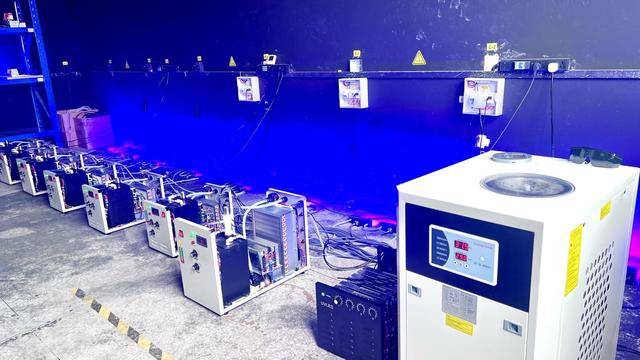
While UV LED arrays emit very little heat in the infrared spectrum toward the substrate, the LED junctions themselves generate significant internal thermal loads. Keeping the junction temperature ($T_j$) low is vital to prevent intensity decay and spectral shifting. Custom OEM suppliers utilize two main cooling methods:
Dongguan LumiCure Light Co., Ltd. sits at the heart of the global semiconductor packaging and microelectronics supply chain, offering unmatched vertical integration and technical speed.
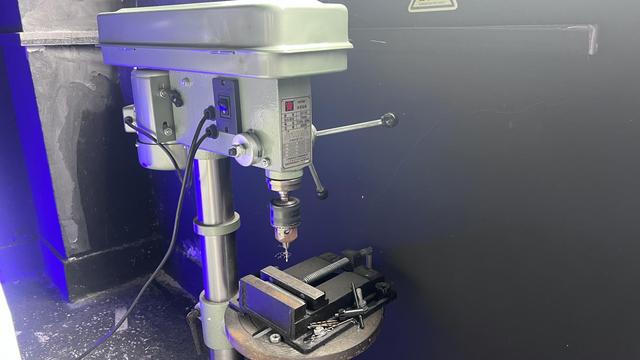
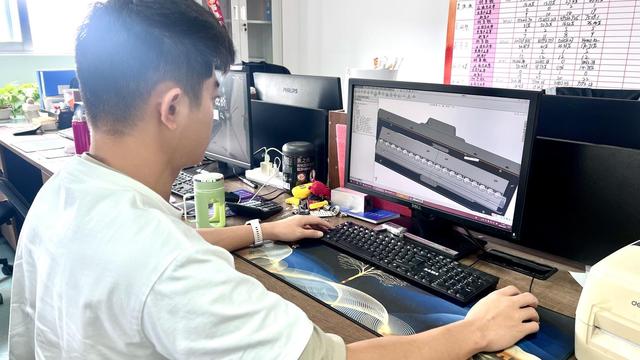
By pairing regional precision mechanical machining with direct access to top-tier high-power epitaxial wafer chips, we bypass multi-tiered margins. This setup allows for rapid prototyping of custom opto-mechanical housings within days rather than weeks.
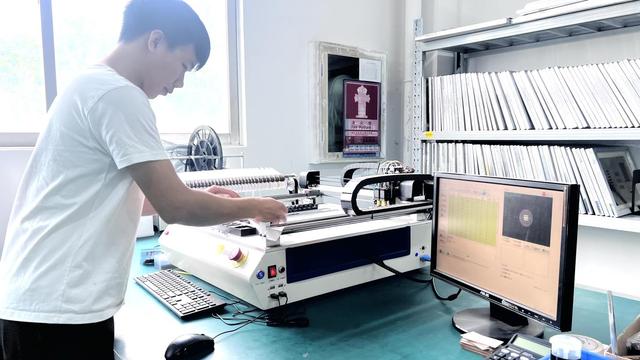
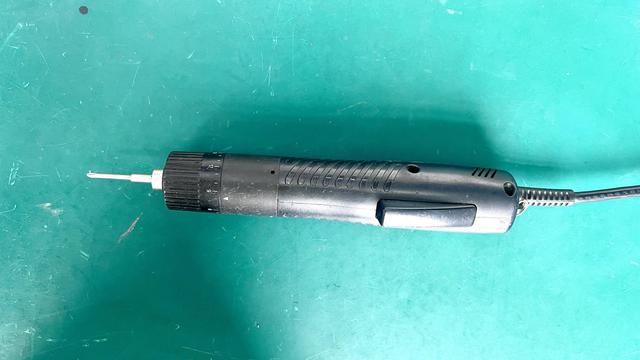
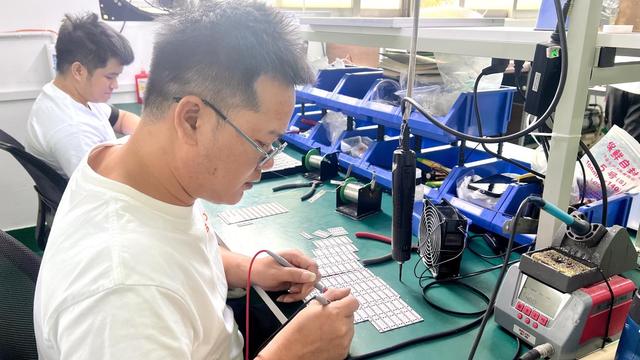
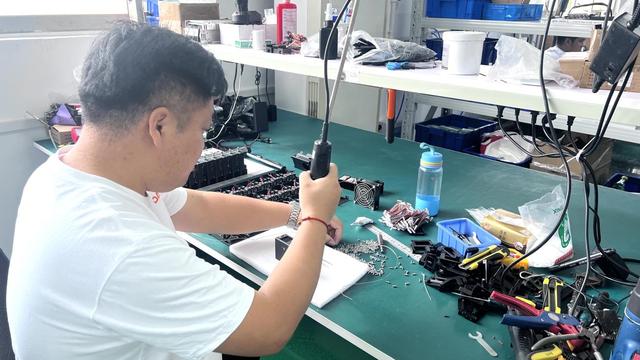
Our cleanrooms house specialized wire-bonding and die-attach machinery designed to group high-power chips closely together. This ensures uniform optical distribution and peak power density, preventing the degradation zones common in sub-standard modules.
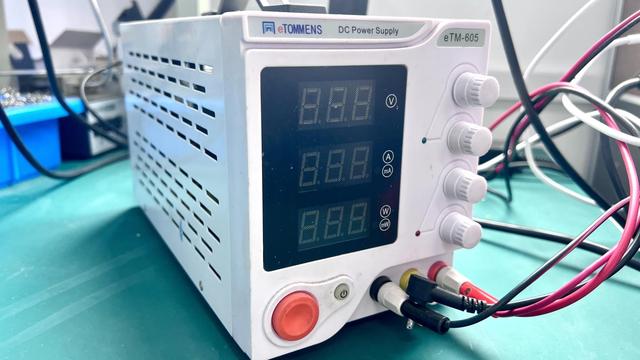
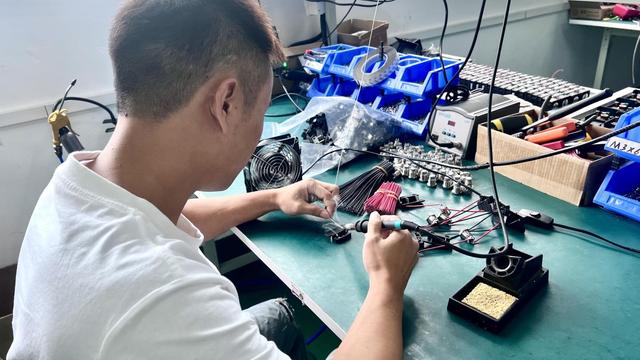
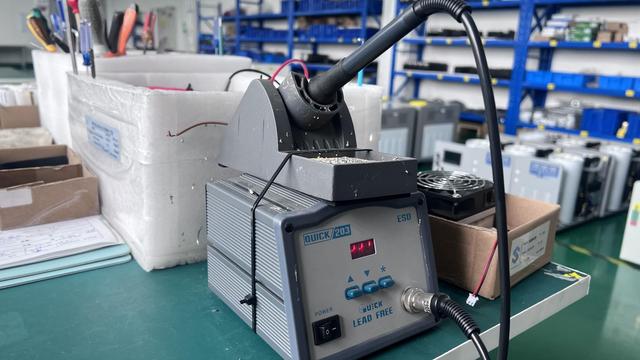
Every system undergoes rigorous aging tests under high thermal stress. We ensure all equipment complies with international directives, including CE, RoHS, and electrical safety standards, facilitating seamless integration for machinery builders.
Industrial curing requirements vary significantly across fields. The table below outlines how specific industries employ custom OEM UV LED curing arrays to meet targeted production demands.
| Target Market | Wavelength | Key Application Scenario | System Preference |
|---|---|---|---|
| Semiconductor Assembly | 365nm | Die bonding, wire bond reinforcement, cleanroom level packaging | UV Curing Chamber & Spot Lamps |
| Optoelectronic Display | 395nm - 405nm | OCA optical bonding, touch screen protective layers | Water-Cooled High-Intensity Array |
| Flexographic & Offset Print | 385nm - 395nm | High-speed ink drying, varnishing on flexo lines | Premium Ink Curing System (18-20 W/cm²) |
| Medical Instrumentation | 365nm / 405nm | Catheter coating, optical camera module lens bonding | Intelligent Spot & Portable Systems |
Dongguan LumiCure Light Co., Ltd. is a professional China UV LED curing lamp manufacturer specializing in the research, development, production, and supply of industrial UV curing systems and customized UV LED solutions. With a strong focus on innovation, quality, and customer satisfaction, LumiCure has become a trusted partner for manufacturers worldwide seeking efficient and reliable curing technologies.
Our product range includes UV LED curing lamps, UV LED spot curing systems, flood curing lamps, conveyor UV curing machines, UV LED modules, printing curing systems, adhesive curing equipment, and customized industrial UV solutions. These products are widely applied in printing, electronics assembly, semiconductor packaging, optical bonding, automotive manufacturing, medical devices, 3D printing, and various precision industrial processes.
Backed by an experienced engineering team and advanced manufacturing facilities, LumiCure is committed to developing energy-saving and environmentally friendly UV curing technologies. Our products feature high curing efficiency, precise wavelength output, long service life, low maintenance requirements, and intelligent control capabilities, helping customers improve productivity while reducing operating costs.
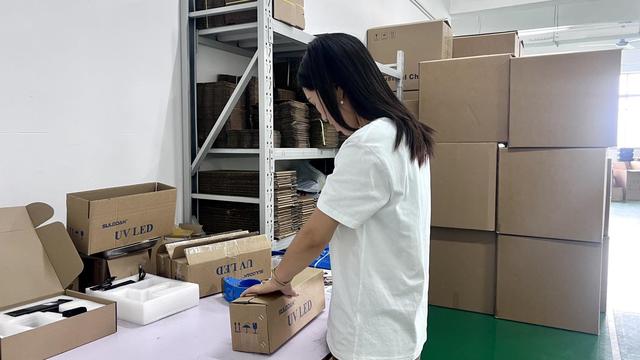
Quality remains the foundation of our business. Every product undergoes rigorous testing and strict quality control procedures throughout the manufacturing process to ensure consistent performance and reliability. We also provide comprehensive OEM and ODM services, enabling customers to customize products according to their specific technical and application requirements.
Serving clients across Europe, North America, Asia, the Middle East, and other global markets, Dongguan LumiCure Light Co., Ltd. continues to deliver innovative UV LED curing solutions that support sustainable and efficient industrial manufacturing.
As sustainability regulations (like Europe's restriction on hazardous substances and mercury bans) tighten worldwide, industries are restructuring their assembly pathways. The focus is shifting toward systems that deliver minimal carbon footprints and zero toxic outputs. Three key trends define the next phase of UV LED technology development:
To cure compound formulations containing various photoinitiators, engineers are combining multiple wavelengths (such as 365nm + 395nm) onto a single substrate. This approach ensures deep through-curing alongside rapid surface curing, eliminating sticky or wet spots.
Advanced curing systems utilize real-time UV sensors linked directly with PLC controllers. If degradation or chip heating occurs, the driver adjusts voltage levels dynamically to maintain uniform irradiance on the conveyor line.
Procuring custom industrial equipment from Chinese OEM suppliers requires thorough evaluation. Beyond initial costs, long-term performance rests on three factors:
 LumiCure Light