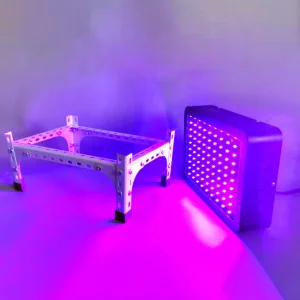
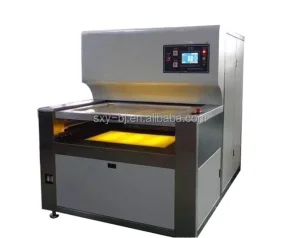
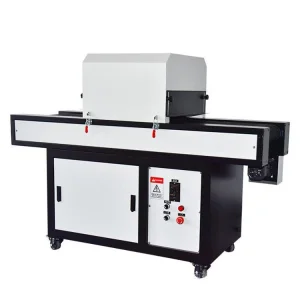
High-precision ultraviolet hardware designed for industrial packaging, electronic sub-assemblies, and precision optical bonding.
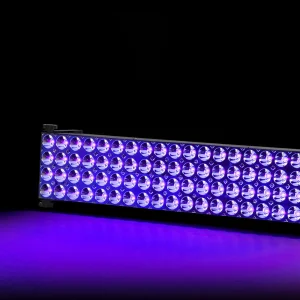
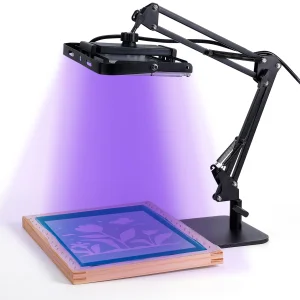
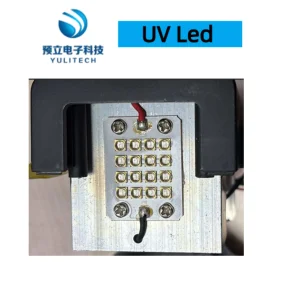
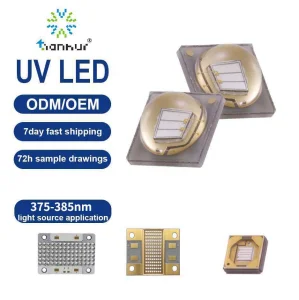
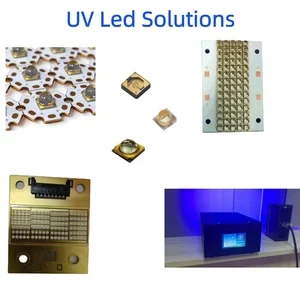
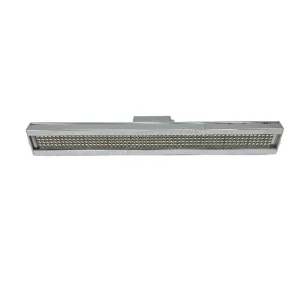
The global manufacturing ecosystem is witnessing an irreversible transition from legacy mercury vapor discharge systems to high-performance, solid-state UV LED curing systems. Driven by global regulatory guidelines such as the Minamata Convention on Mercury, modern industries must adapt to cleaner, energy-efficient technologies that do not compromise throughput or structural coating integrity.
For B2B procurement heads and systems integration engineers, choosing the right UV LED partner involves evaluating core metrics: spectral irradiance distribution, heat dissipation architecture, driver electrical stability, and narrow optical band output. This whitepaper explores the criteria determining elite suppliers, profiles global leaders, and maps out the technical roadmaps defining next-generation coatings.
A premier Chinese manufacturer of customizable industrial UV LED curing systems.
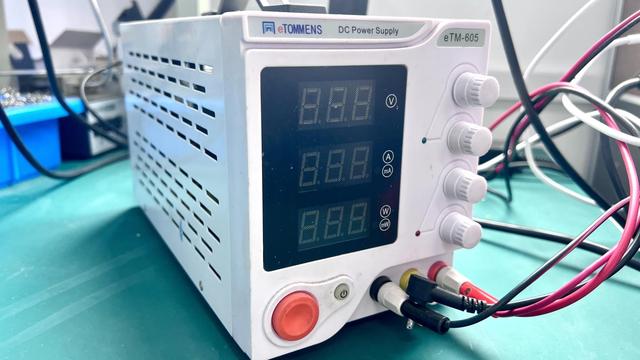
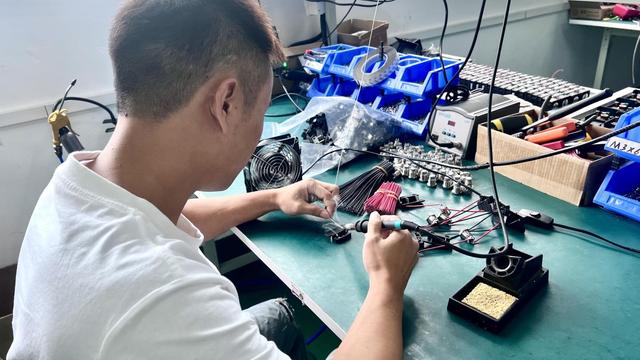
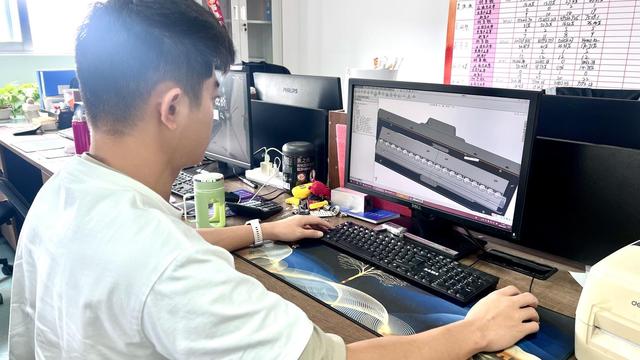
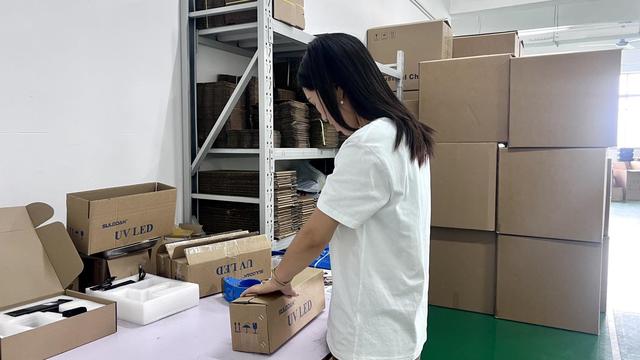
Dongguan LumiCure Light Co., Ltd. is a professional China UV LED curing lamp manufacturer specializing in the research, development, production, and supply of industrial UV curing systems and customized UV LED solutions. With a strong focus on innovation, quality, and customer satisfaction, LumiCure has become a trusted partner for manufacturers worldwide seeking efficient and reliable curing technologies.
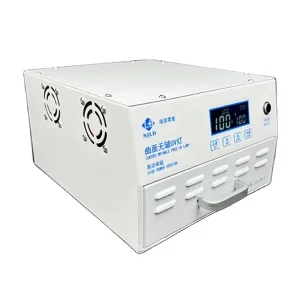
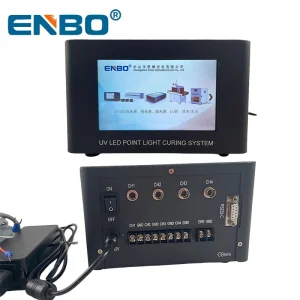
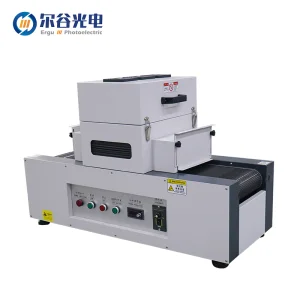
Their product range includes UV LED curing lamps, UV LED spot curing systems, flood curing lamps, conveyor UV curing machines, UV LED modules, printing curing systems, adhesive curing equipment, and customized industrial UV solutions. These products are widely applied in printing, electronics assembly, semiconductor packaging, optical bonding, automotive manufacturing, medical devices, 3D printing, and various precision industrial processes.
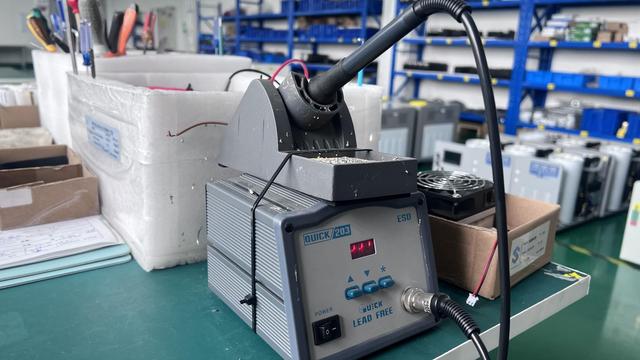
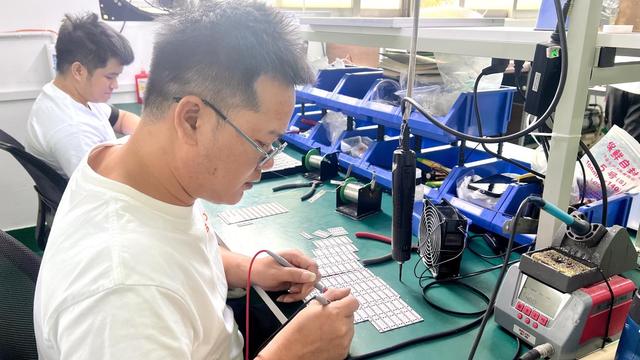
Backed by an experienced engineering team and advanced manufacturing facilities, LumiCure is committed to developing energy-saving and environmentally friendly UV curing technologies. Their products feature high curing efficiency, precise wavelength output, long service life, low maintenance requirements, and intelligent control capabilities, helping customers improve productivity while reducing operating costs.
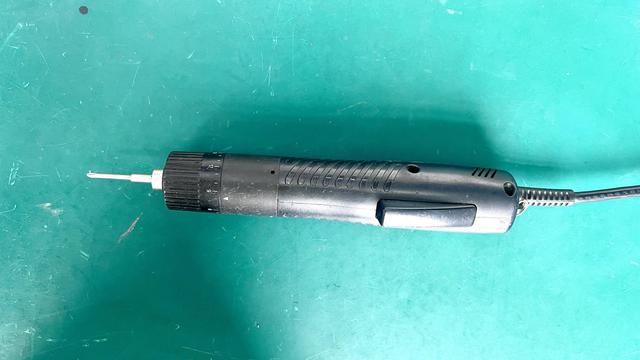
Quality remains the foundation of their business. Every product undergoes rigorous testing and strict quality control procedures throughout the manufacturing process to ensure consistent performance and reliability. They also provide comprehensive OEM and ODM services, enabling customers to customize products according to their specific technical and application requirements.
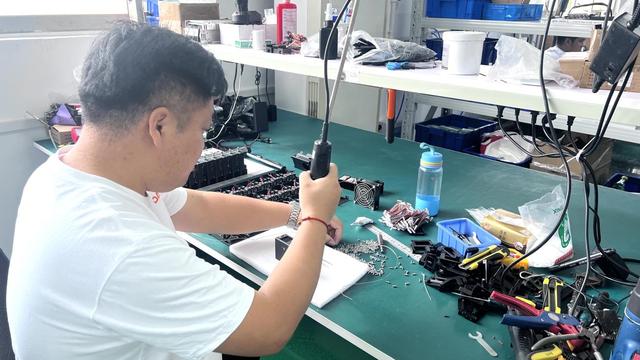
Key technical parameters that engineers and procurement directors evaluate during the supplier qualification phase.
Wavelength deviations exceeding ±3nm can lead to incomplete polymerization of radical photoinitiators. Industry leaders offer narrow-band emissions (365nm, 385nm, 395nm, 405nm) with minimal variance to guarantee consistent cross-linking density.
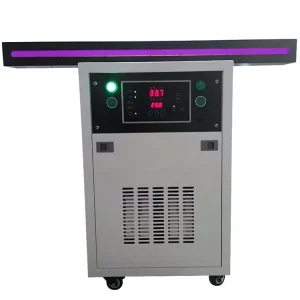
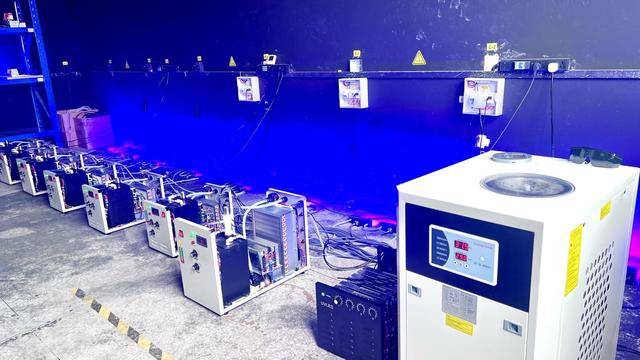
High-power UV LED matrices generate significant heat behind the micro-arrays. Advanced liquid-cooled (water-cooled micro-channel cold plates) and forced-air cooling designs are essential to maintain junction temperatures and prolong diode lifespans.
Modern production lines require closed-loop integration. Smart power systems featuring RS485, Modbus, or Ethernet/IP controls enable real-time tracking of irradiance output, voltage parameters, and diode diagnostic statuses.
The shift toward hybrid spectrum systems and smart power management.
Transition from mercury vapor broadband to discrete UV LED emissions (primarily 395nm for high-speed ink curing, followed by 365nm for solvent-free electronics encapsulation). Early systems relied on basic cooling and simple analog controls.
Integration of hybrid wavelength chips (e.g., combining 365nm and 395nm) within a single matrix. This design supports deeper depth of cure alongside surface tack-free properties. Improved micro-channel cooling structures allow peak irradiances of up to 24 W/cm².
Current developments center on integrated optical sensors that actively measure substrate reflection and degradation, dynamically adjusting driver power to maintain constant curing energy. This cycle helps ensure stable, high-yield operation.
A direct technical comparison of typical systems used across industrial lines.
| Curing Technology Style | Primary Wavelengths | Cooling Mechanism | Peak Irradiance Range | Best Application Match |
|---|---|---|---|---|
| Liquid-Cooled Curing Arrays | 365nm, 385nm, 395nm | Deionized Water / Chiller | 12 - 28 W/cm² | High-speed Web Offset & Flexographic Presses |
| Air-Cooled Linear Lamps | 395nm, 405nm | Forced Air / Integral Fans | 4 - 10 W/cm² | Inkjet Flatbed Printers, 3D Resin Curing, Varnishes |
| Precision Spot Curing Systems | 365nm | Passive Heat Sink / Quiet Fan | 1 - 5 W/cm² (Focused Spot) | Micro-electronics, Optical Component Bonding, Medical Catheters |
| Exposure & Flood Systems | 365nm, 405nm | Dual-fan High Volume Air | 300 - 800 mW/cm² | PCB Solder Mask Exposure, Dry Film Imaging |
How distinct industrial verticals utilize custom UV LED technology to resolve throughput and adhesion challenges.
Precision optical alignment, photoresist exposure, and conformal coating applications demand narrow wavelength distributions (typically 365nm). Controlling thermal transfer is key to avoiding dimensional warping of multi-layer substrates. Using point-to-point spot curing systems allows precise adhesive placement without heating nearby components.
Flexographic, sheet-fed offset, and digital inkjet systems operate at web speeds exceeding 200m/min. High-power 395nm water-cooled UV LED lamps provide the required energy density for deep ink penetration, ensuring complete cross-linking and eliminating issues with surface tackiness.
Automotive exterior topcoats and varnishes require uniform surface polymerization across complex, 3D geometries. By combining multi-angle UV LED flood arrays with conveyor integration, manufacturers achieve durable scratch resistance, chemical resistance, and long-term gloss retention.
Ensuring hardware is certified for international deployment and integration into automated lines.
Industrial UV equipment must comply with strict electrical and electromagnetic safety guidelines. Manufacturers like Dongguan LumiCure maintain compliance with CE (Conformité Européenne) and RoHS, ensuring lead-free and hazard-free component construction. For automated manufacturing hubs in North America and Western Europe, complying with these standards simplifies machine safety reviews.
Since mechanical mounting limits, web widths, and cooling capabilities vary by factory floor, pre-packaged solutions do not fit all configurations. Top-tier providers offer modular designs, allowing changes to array lengths, target wavelengths, and mounting brackets, as well as integration with existing PLC networks.
Frequently asked questions concerning spectrum output, cooling, and integration of industrial UV LED curing systems.
A: Unlike mercury vapor lamps that emit a broad spectrum of heat and UV, UV LED systems output a narrow band centered at 365nm or 395nm. This focus minimizes heat transfer, preventing the expansion or warping of thin PCB boards. In addition, LEDs require no warm-up or cool-down cycles, saving energy and accelerating cycle times.
A: High-power UV LEDs generate significant heat at the junction. Inadequate thermal dissipation leads to wavelength shifting, reduced light output, and premature diode failure. Water-cooled systems use liquid chillers to keep junction temperatures within safe limits, supporting stable outputs over 20,000 to 30,000 operating hours.
A: The wavelength choice depends on the photoinitiators within the coating or adhesive. Generally, shorter wavelengths (365nm) are chosen for surface curing, thin coatings, and optical bonding due to higher energy levels. Longer wavelengths (395nm or 405nm) penetrate deeper, making them suitable for thicker layers, dark inks, and opaque materials.
A: Yes. Modern systems include digital communication interfaces (such as RS485 or Modbus) that connect to PLCs. This enables automated lines to adjust intensity, monitor thermal metrics, and receive error alerts in real time.
A: Maintenance focus points include verifying coolant levels, checking for leaks, and replacing the deionized water in the chiller to prevent scale buildup. It is also important to periodically clean the quartz glass window on the LED head with isopropyl alcohol to maintain light transmission.
Select curing ovens, conveyor systems, and specialty lamps for high-precision manufacturing.
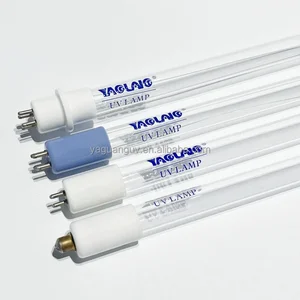
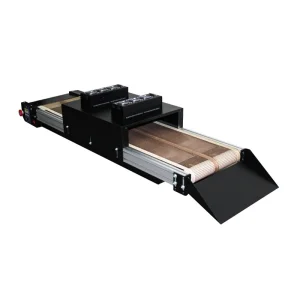
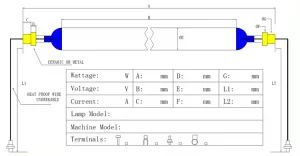
 LumiCure Light