Explore our premium selection of industrial-grade ultraviolet curing units, tunnels, and module systems engineered for stable, long-lasting surface modification and polymerization processes.
Unlocking higher processing speeds, precise spectral output, and zero thermal degradation through solid-state optoelectronics.
In modern industrial manufacturing, surface curing is a critical phase governing the final quality, durability, and aesthetics of protective coatings, varnishes, electronic encapsulants, and printing inks. Traditionally, mercury vapor arc lamps dominated the global assembly lines. However, the manufacturing sector is undergoing a rapid paradigm shift toward UV LED (Light Emitting Diode) technology.
This technical whitepaper details the essential optical, physical, and thermodynamic factors that procurement directors and design engineers must prioritize when selecting global exporters and suppliers of UV LED Surface Curing solutions.
Unlike broadband mercury lamps that emit radiation across a wide spectral band (including undesirable infrared wavelengths that cause thermal stress), UV LEDs provide monochromatic output. Industrial UV LED modules are engineered to peak at specific, narrow bands: 365nm, 385nm, 395nm, or 405nm.
Selecting the optimal wavelength is directly dependent on the photoinitiator system in the chemistry:
A primary challenge in UV surface curing is Oxygen Inhibition. Atmospheric oxygen reacts with active radicals in free-radical UV inks and coatings, forming stable peroxy radicals that terminate polymerization. This often results in a tacky, under-cured surface layer.
Top-tier suppliers combat this via two primary architectural solutions:
High Irradiance Arrays: Providing extremely high peak irradiance (measured in $W/cm^2$) that generates a rapid burst of free radicals, out-competing the rate of oxygen diffusion.
Nitrogen Curing Chambers (Inerting): Introducing nitrogen gas to displace oxygen in the curing zone, allowing low-power LEDs to achieve a pristine, tack-free finish.
Dongguan LumiCure Light Co., Ltd. is a professional China UV LED curing lamp manufacturer specializing in the research, development, production, and supply of industrial UV curing systems and customized UV LED solutions. With a strong focus on innovation, quality, and customer satisfaction, LumiCure has become a trusted partner for manufacturers worldwide seeking efficient and reliable curing technologies.
Our product range includes UV LED curing lamps, UV LED spot curing systems, flood curing lamps, conveyor UV curing machines, UV LED modules, printing curing systems, adhesive curing equipment, and customized industrial UV solutions. These products are widely applied in printing, electronics assembly, semiconductor packaging, optical bonding, automotive manufacturing, medical devices, 3D printing, and various precision industrial processes.
Backed by an experienced engineering team and advanced manufacturing facilities, LumiCure is committed to developing energy-saving and environmentally friendly UV curing technologies. Our products feature high curing efficiency, precise wavelength output, long service life, low maintenance requirements, and intelligent control capabilities, helping customers improve productivity while reducing operating costs.
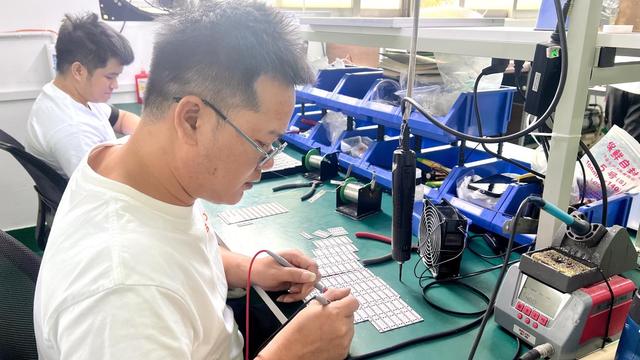
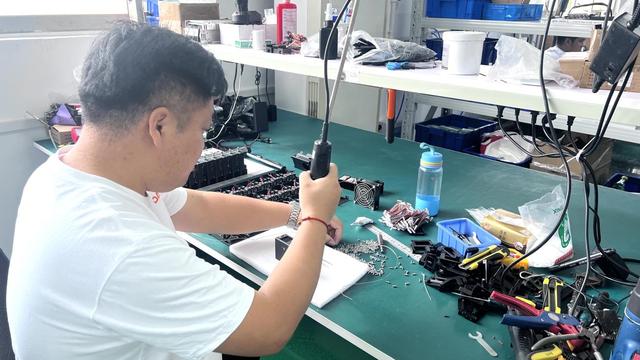
Quality remains the foundation of our business. Every product undergoes rigorous testing and strict quality control procedures throughout the manufacturing process to ensure consistent performance and reliability. We also provide comprehensive OEM and ODM services, enabling customers to customize products according to their specific technical and application requirements.
Serving clients across Europe, North America, Asia, the Middle East, and other global markets, Dongguan LumiCure Light Co., Ltd. continues to deliver innovative UV LED curing solutions that support sustainable and efficient industrial manufacturing.
Our custom optical arrays and power distribution systems deliver industry-defining metrics across industrial lines.
Technical benchmarks that process engineers and procurement teams should request during factory audits.
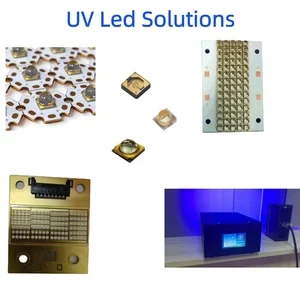
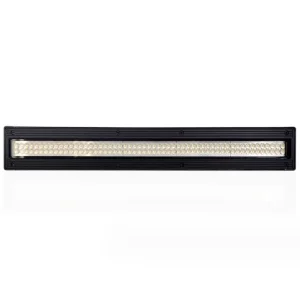
Verify if the supplier uses advanced COB (Chip-on-Board) packaging. A high-density chip arrangement on copper substrates guarantees uniform high peak irradiance. Ask for chip source traceability (such as Nichia, Seoul Viosys, or Luminus).
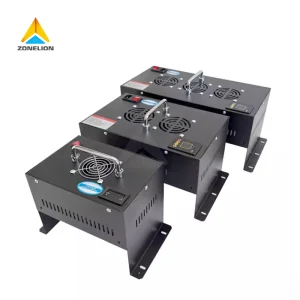
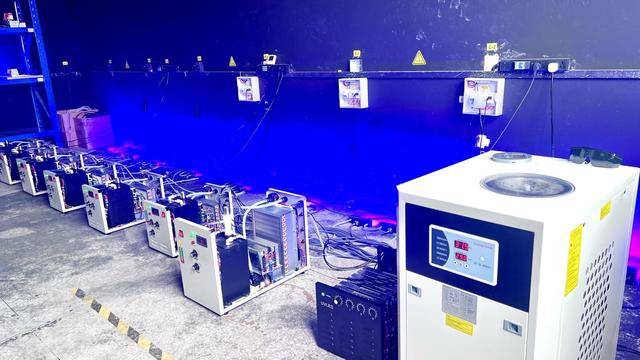
Excessive junction temperature degrades UV LED output. Quality suppliers offer dual cooling formats: Air-Cooled (with optimized fan acoustics and heatsinks) and Water-Cooled / Liquid-Cooled (featuring microchannel copper blocks for high-power continuous lines).
Modern smart factories require real-time system monitoring. Settle for suppliers offering digital control units with PLC integration, RS485 communication, temp sensors, and error alarms for automatic light adjustment and safety lockouts.
Why manufacturing hubs like Dongguan remain the core global centers for optoelectronic hardware integration.
Sourcing UV LED surface curing systems from Chinese factories like Dongguan LumiCure provides critical competitive advantages for global buyers:
From aluminum extrusion factories to specialized quartz glass lens fabricators, the proximity of supply chain partners drastically reduces shipping lead times, allowing fast transitions from design prototypes to final industrial units.
Due to the maturity of China’s electronic manufacturing service (EMS) sector, exporters can rapidly modify optical designs, PCB trace layouts, and chassis shapes for custom printing line retrofits at competitive development costs.
Bulk purchasing of high-purity copper backings, thermal pads, and LED emitters enables Chinese factories to offer superior pricing models without sacrificing component-level quality or system stability.
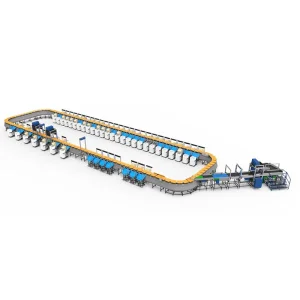
Flexible production lines can accommodate both massive conveyor-belt dryer runs and low-volume custom laboratory chambers, ensuring on-time delivery across standard and high-complexity orders.
Understanding how different industrial niches deploy UV LED surface curing lamps to achieve precise material processing.
For modern flexo and offset printers, curing varnishes, UV inks, and clear coats at high speeds requires immense peak power. Integration of 395nm water-cooled UV arrays directly onto the print cylinders dries inks instantly, avoiding registration errors or substrate warping caused by heat.
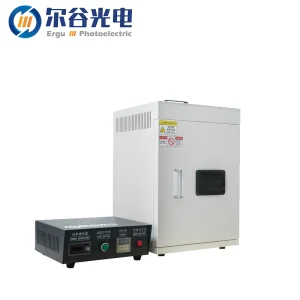
In dicing and wafer processing, UV dicing tape holds wafers securely and is then released by exposure to 365nm UV energy. The air-cooled UV curing ovens expose the tape to controlled doses, lowering adhesive bond strength cleanly without heating the silicon dies.
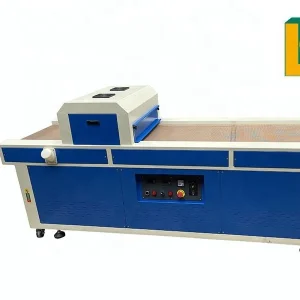
Applying conformal coatings or potting compounds on PCBs prevents moisture ingress and corrosion. Utilizing high-efficiency conveyor UV curing tunnels ensures complete cross-linking of shadowless adhesives under dual 365+395nm wavelengths without melting plastic components.
Curing sealants in headlamp enclosures or structural adhesives in sensor components requires targeted, highly uniform spot or flood UV exposure. Precision light guides and modules focus energy onto hard-to-reach joints, ensuring zero outgassing and durable sealants.
Mitigating risk through certified compliance with international environmental and electrical safety protocols.
Industrial machinery must conform to safety regulations to protect operators and ensure line integrity. Dongguan LumiCure and other leading exporters maintain strict alignment with global standards:
Furthermore, leading suppliers provide localized technical consultation, spare-parts warehouses, and online remote engineering support to ensure production uptime in North American, European, and Asian manufacturing centers.
Expert insights addressing common process bottlenecks, technical specifications, and system installations.
Explore high-power light engines, portable spot tools, and high-wattage screen exposure frames for specialized manufacturing demands.
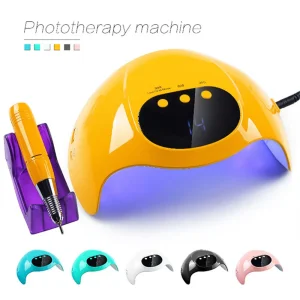
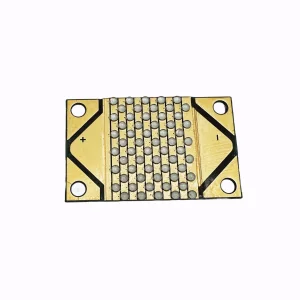
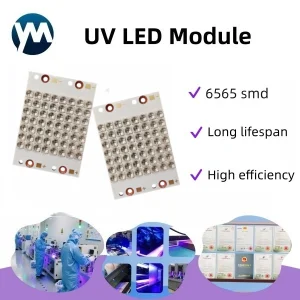
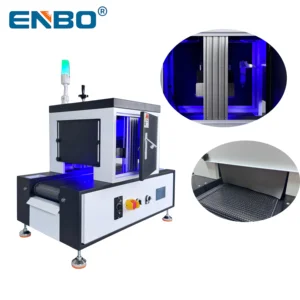
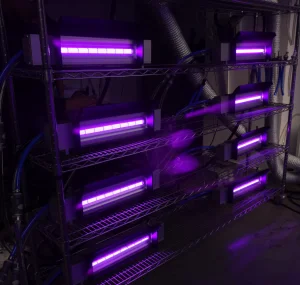
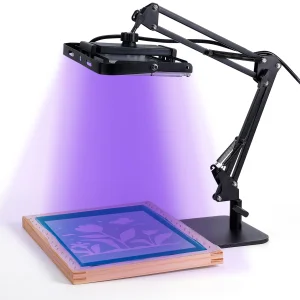
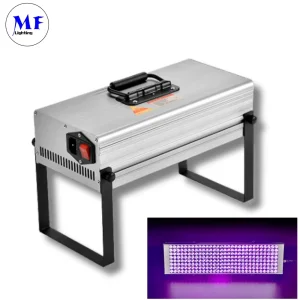
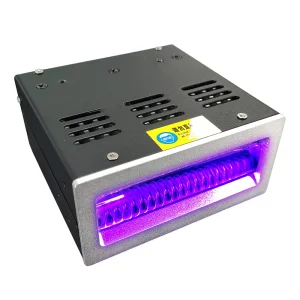
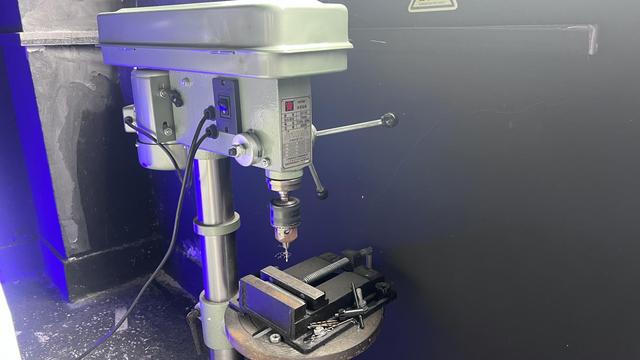
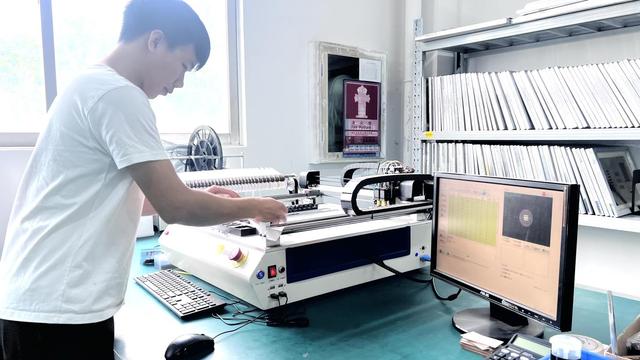
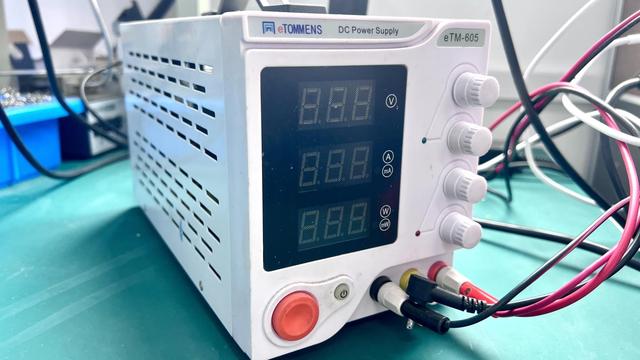
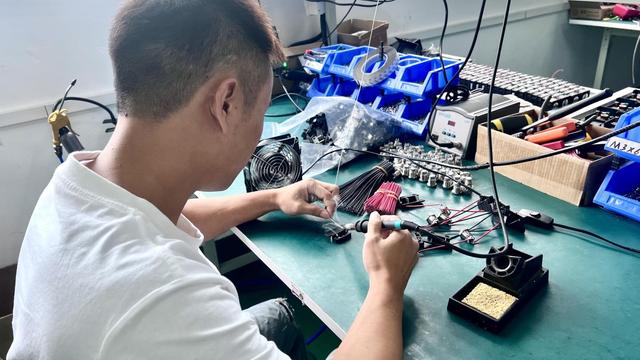
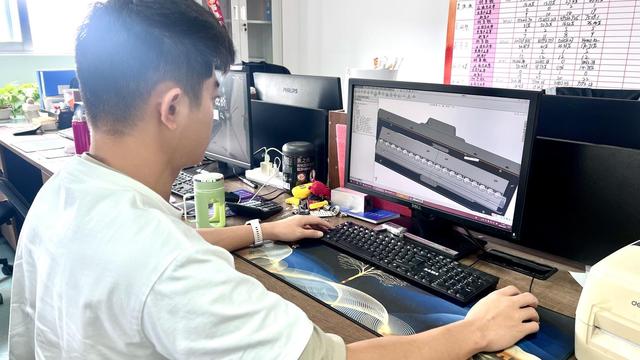
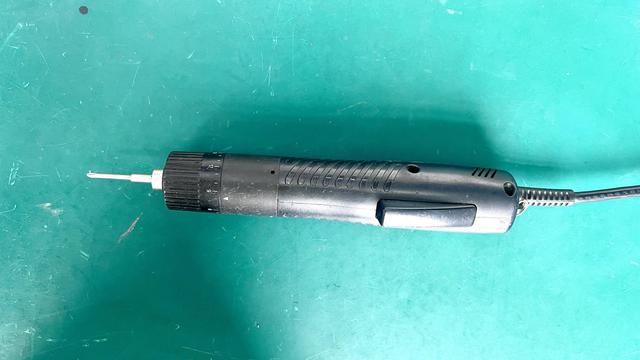
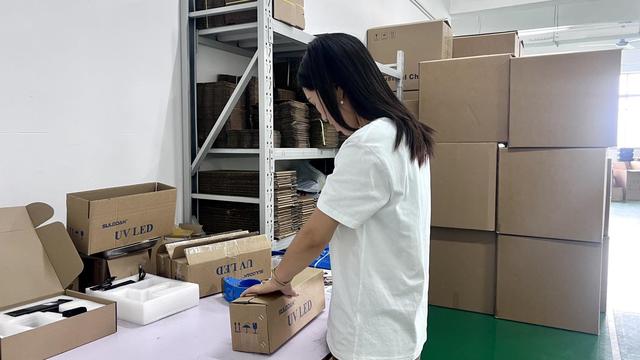
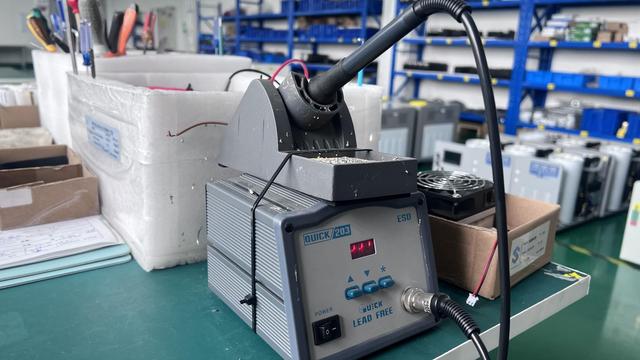
Inside our quality control line and industrial testing setups, ensuring peak performance across every exported system.
 LumiCure Light