High-irradiance engineering designed for precision industrial surface treatment and quick curing integrations.
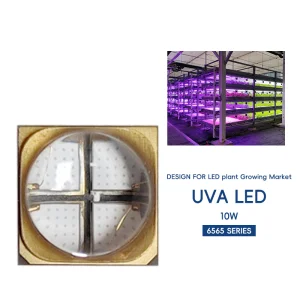
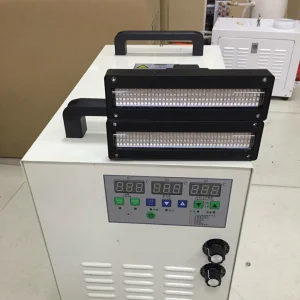
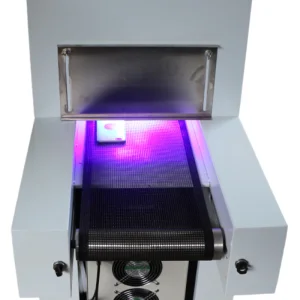
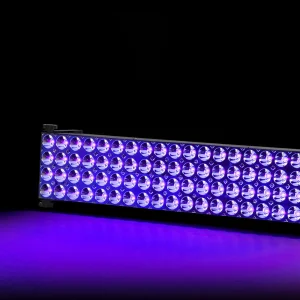
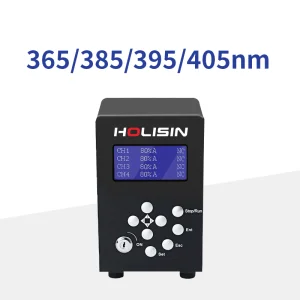
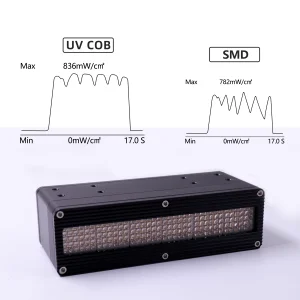
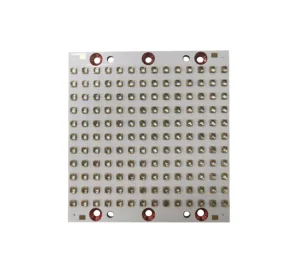
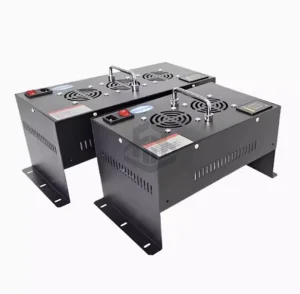
As a global leader in high-performance ultraviolet technologies, Dongguan LumiCure Light Co., Ltd. is a professional China UV LED curing lamp manufacturer specializing in the research, development, production, and supply of industrial UV curing systems and customized UV LED solutions. With a strong focus on innovation, quality, and customer satisfaction, LumiCure has become a trusted partner for manufacturers worldwide seeking efficient and reliable curing technologies.
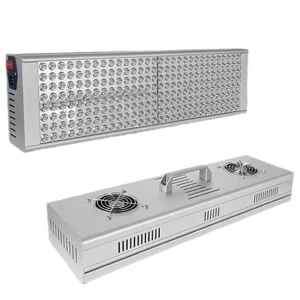
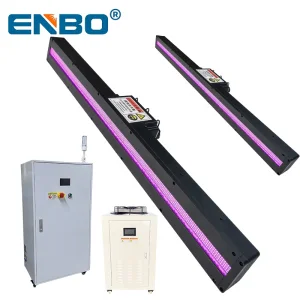
Our product range includes UV LED curing lamps, UV LED spot curing systems, flood curing lamps, conveyor UV curing machines, UV LED modules, printing curing systems, adhesive curing equipment, and customized industrial UV solutions. These products are widely applied in printing, electronics assembly, semiconductor packaging, optical bonding, automotive manufacturing, medical devices, 3D printing, and various precision industrial processes.
Backed by an experienced engineering team and advanced manufacturing facilities, LumiCure is committed to developing energy-saving and environmentally friendly UV curing technologies. Our products feature high curing efficiency, precise wavelength output, long service life, low maintenance requirements, and intelligent control capabilities, helping customers improve productivity while reducing operating costs.
How modern UV LED technology solves the throughput, thermal damage, and environmental challenges of old-school mercury systems.
Precise 365nm and 385nm high-power UV irradiation secures PCB coatings, dome encapsulation, and micro-component bonding. Low thermal output safeguards sensitive silicon dies and thin substrates from warpage.
From high-speed flexo and offset presses to digital inkjet units, our systems deliver instantaneous ink polymerization at speeds of up to 300 m/min. No warming times translate to enhanced pressroom efficiency.
Automotive exterior trims, headlamp lenses, and premium wooden panels rely on high-intensity UV-A curing systems for durable, scratch-resistant finishes. Our multi-module setups provide uniform curing across irregular 3D shapes.
Global manufacturers are in the middle of a major technology transition. Minamata Convention mandates are phasing out mercury-vapor lamps because of toxic waste and poor energy efficiency. Industrial operations are updating their lines to run on solid-state UV LED technology to meet ESG goals and trim high power bills.
LumiCure supports this shift by manufacturing custom systems that slide directly into existing production environments. We keep the upgrade path simple, cost-effective, and safe for operators.
| Feature / Metric | Mercury-Vapor Systems | LumiCure UV LED Systems |
|---|---|---|
| Lifespan | 1,000 - 2,000 Hours | 20,000 - 30,000 Hours |
| Heat Emission | High (up to 800°C) | Minimal (Low substrate heat) |
| Energy Draw | 100% (Continuous draw) | 10% - 30% (Instant On/Off) |
| Warm-up Period | 5 - 15 Minutes | Instantaneous |
| Ozone Generation | Yes (Needs extraction venting) | None (Ozone-free operation) |
Engineered to satisfy safety, electromagnetic interference, and environmental guidelines across North American, European, and Asian markets.
Our entire lineup carries full CE, RoHS, and FCC compliance certificates. This ensures easy installation into medical cleanrooms, industrial print shops, and high-purity microelectronics packaging lines.
Every customer gets paired with a dedicated application engineer. We work alongside your engineering team to model light dispersion, program PLC logic controllers, and optimize custom mounting layouts.
Our international service footprint delivers replacement parts, optical array diagnostic gear, and module refurbishment services to minimize downtime across your assembly lines.
Our ongoing optoelectronic research is geared toward pushing efficiency boundaries, improving thermal management, and scaling power density.
Refining our chip-on-board architecture to maximize peak optical irradiance while reducing forward voltage drop.
Developing closed-loop liquid cooling loops that auto-adjust pump rates based on live diode junction temperatures.
Integrating different wavelengths (365nm + 395nm + 405nm) into single emitter heads to cure tricky hybrid formulations.
Adding digital tracking protocols to log operational temperatures, diode degradation metrics, and cycle times for preventative scheduling.
Take a closer look at our cleanrooms, modern testing stations, optical labs, and assembly divisions in Dongguan.
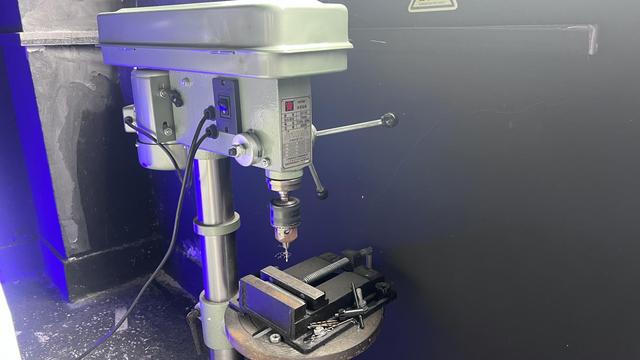
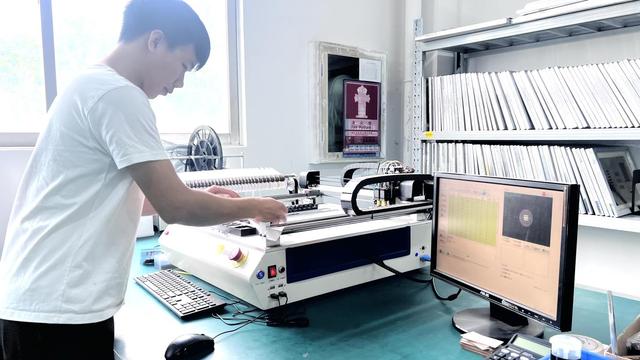
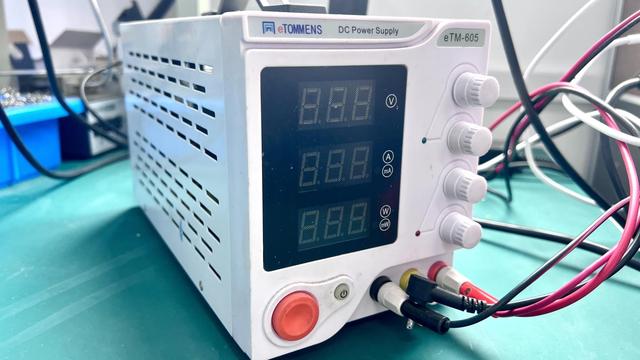
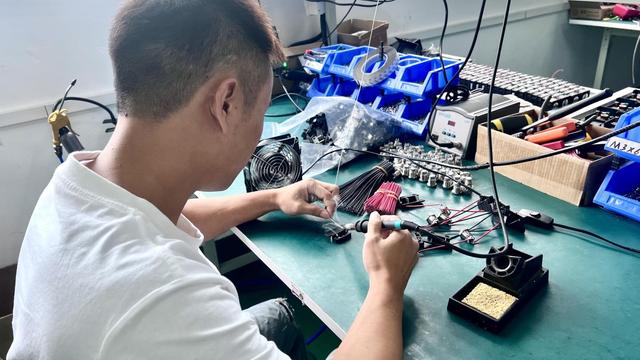
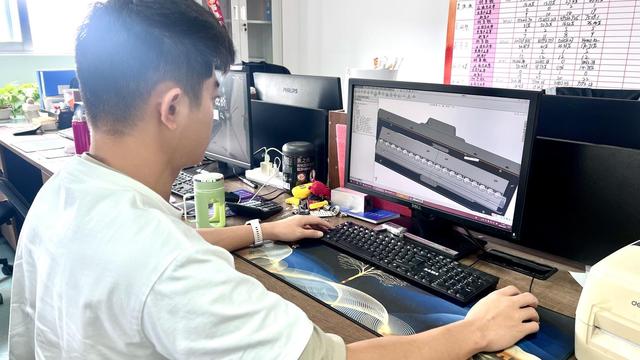
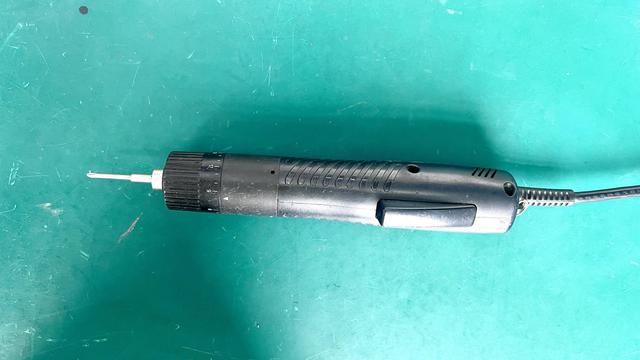
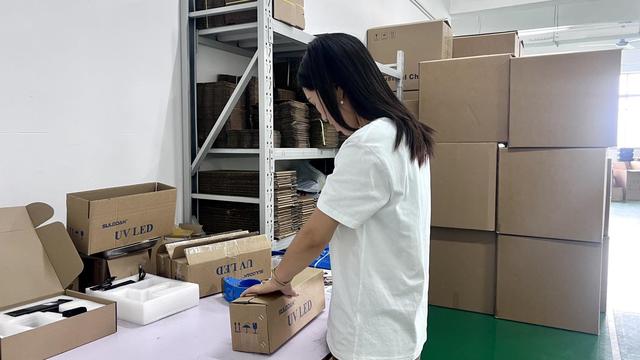
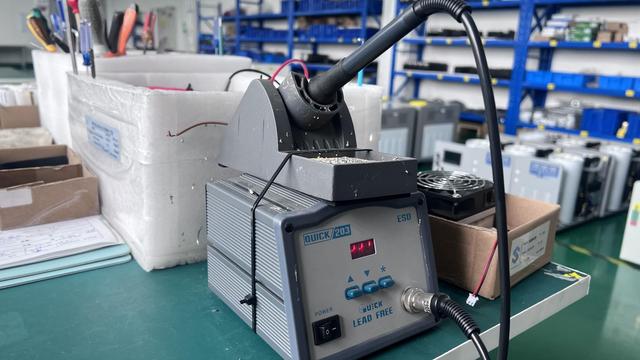
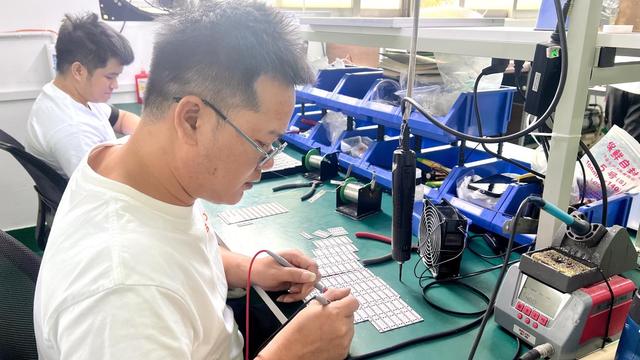
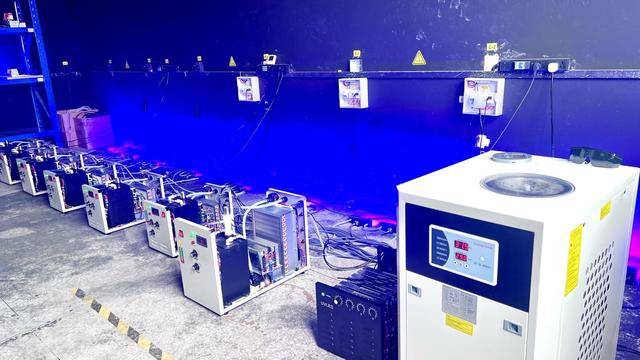
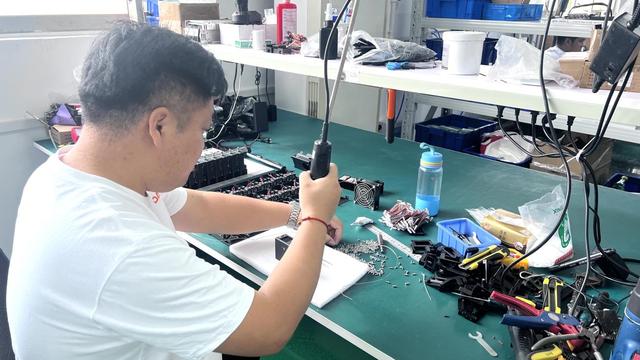
Complete machines, portable assemblies, and integration sub-systems for high-volume manufacturing lines.
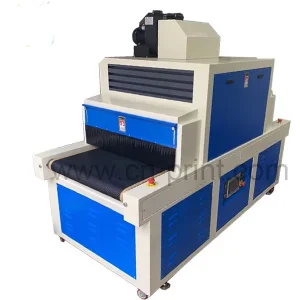
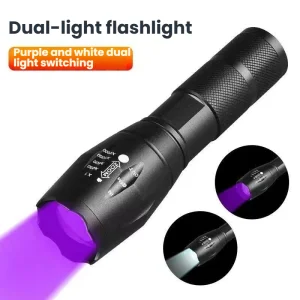
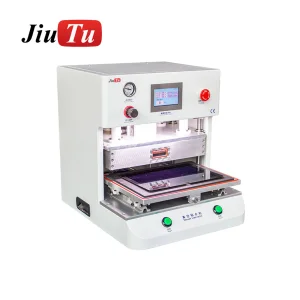
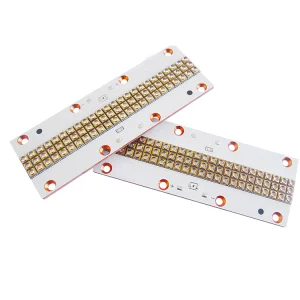
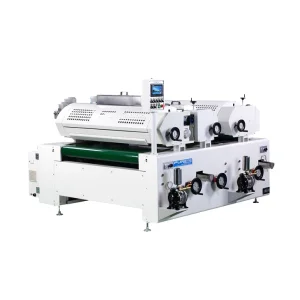
Get answers to common technical, mechanical, and commercial questions from our senior systems engineering team.
The correct wavelength depends on your photoinitiator chemistry. 365nm is ideal for surface curing and clear coats, minimizing surface tackiness. 395nm offers better depth penetration, making it preferred for heavily pigmented inks, thick adhesives, and opaque coatings.
Water cooling maintains lower diode junction temperatures, extending LED lifetimes and providing highly stable radiant output. This is crucial for enclosed production lines or cleanrooms where airflow is limited or air-blown dust could contaminate finishes.
Yes. Our modules feature standard industrial control interfaces (0-10V, RS485, and PLC-compatible dry contacts). This allows you to match curing intensity with conveyor speed and automate error shut-offs.
Unstable irradiance leads to incomplete curing, causing issues like poor adhesion or peeling. LumiCure modules utilize constant-current power drivers and smart thermal monitoring to keep power output variation within +/- 2% over long production runs.
We provide full optical modeling (Zemax simulations) to customize light patterns for 3D parts. This ensures uniform curing on curved or recessed surfaces and prevents under-cured spots.
Most facilities see payback within 12 to 18 months. Savings come from reduced power draw (up to 75% lower), zero bulb replacements, zero warm-up times, and reduced HVAC cooling costs.
 LumiCure Light