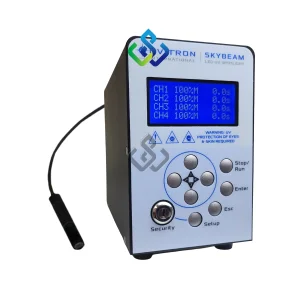
Explore our top-tier industrial UV curing equipment engineered for semiconductor, optical, screen printing, and microelectronic glass assembly lines.
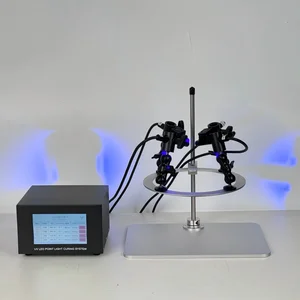
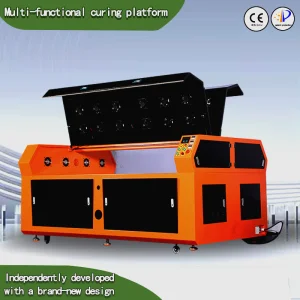
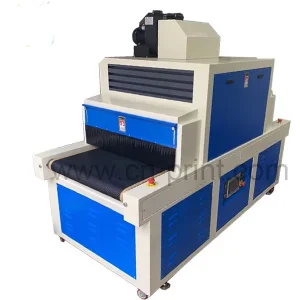
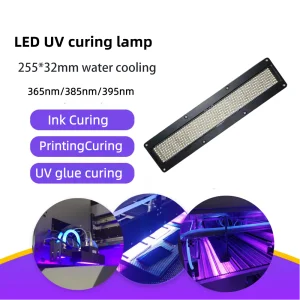
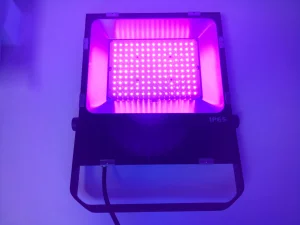
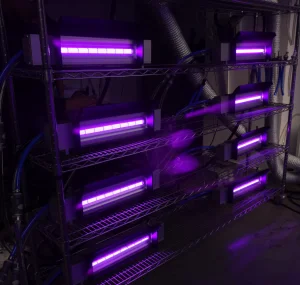
Pioneering High-Precision UV Photopolymerization Systems for Modern Global Industrial Applications
Dongguan LumiCure Light Co., Ltd. is a professional China UV LED curing lamp manufacturer specializing in the research, development, production, and supply of industrial UV curing systems and customized UV LED solutions. With a strong focus on innovation, quality, and customer satisfaction, LumiCure has become a trusted partner for manufacturers worldwide seeking efficient and reliable curing technologies.
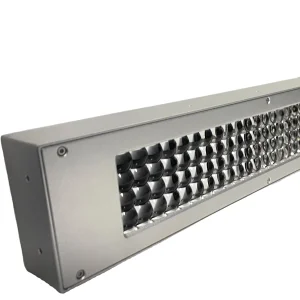
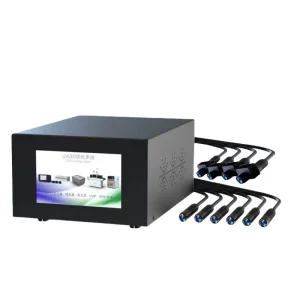
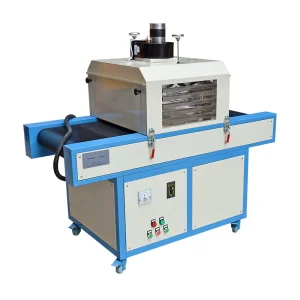
Our comprehensive product range includes UV LED curing lamps, UV LED spot curing systems, flood curing lamps, conveyor UV curing machines, UV LED modules, printing curing systems, adhesive curing equipment, and customized industrial UV solutions. These products are widely applied in industrial glass decoration, optical display bonding, electronics assembly, semiconductor packaging, optical bonding, automotive glass manufacturing, medical devices, 3D printing, and various precision industrial processes.
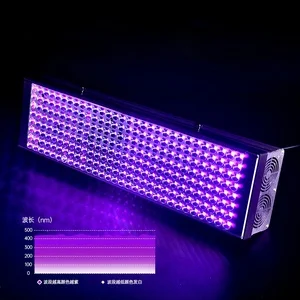
Backed by an experienced optical engineering team and advanced ISO-certified manufacturing facilities, LumiCure is committed to developing energy-saving and environmentally friendly UV curing technologies. Our products feature ultra-high curing efficiency, precise narrow-band wavelength output (365nm, 385nm, 395nm, 405nm), long operational service life exceeding 20,000 hours, low maintenance requirements, and intelligent digital control capabilities—helping glass factories and industrial clients drastically improve throughput while reducing operational overhead.
Quality remains the foundation of our business. Every single product undergoes rigorous optical intensity mapping, thermal dissipation verification, and strict quality control procedures throughout the manufacturing process to ensure consistent irradiance performance and long-term industrial reliability. We also provide comprehensive OEM and ODM services, enabling customers to customize optical lens geometry, spectral bands, and cooling architectures according to their specific technical and application requirements.
Serving enterprise clients across Europe, North America, East Asia, the Middle East, and worldwide emerging markets, Dongguan LumiCure Light Co., Ltd. continues to deliver innovative UV LED curing solutions that support sustainable, high-yield, and automated industrial glass manufacturing.
Understanding substrate surface energy, interfacial adhesion kinetics, spectral matching, and thermal stress management in automated glass manufacturing.
Glass is inherently a challenging substrate for industrial coatings, inks, and structural adhesives due to its non-porous surface, high chemical inertia, and smooth inorganic silicate structure. Achieving long-lasting structural bond strength or scratch-resistant decorative printing requires a precise understanding of photopolymerization kinetics, peak irradiance ($W/cm^2$), energy density or dose ($J/cm^2$), and wavelength penetration characteristics through float, tempered, or laminated glass layers.
Unlike porous substrates (such as paper or wood) where mechanical keying dominates, adhesion on glass relies almost entirely on chemical bonding and molecular intermolecular forces (van der Waals interactions and hydrogen bonding). UV-curable formulations designed for glass typically contain photoinitiators combined with functional monomers and organofunctional silane coupling agents (such as methacryloxypropyltrimethoxysilane). When exposed to intense ultraviolet radiation from targeted UV LED arrays, photoinitiators instantly split into free radicals or cations, driving immediate cross-linking of the polymer matrix.
Simultaneously, silane coupling agents undergo hydrolysis and condense with the hydroxyl ($-OH$) groups natively present on the glass surface. This creates stable covalent Siloxane ($Si-O-Si$) bonds at the interface, ensuring superior moisture resistance, thermal stability, and mechanical shear strength under extreme environmental stressors.
Selecting the optimal UV spectrum is paramount when curing through glass or curing surface coatings on glass. Traditional medium-pressure mercury lamps radiate a broad, uncontrollable spectrum (including unwanted infrared thermal radiation and short-wave UVC that generates toxic ozone). Industrial UV LED systems emit narrow spectral outputs tailored specifically to photoinitiator absorption peaks:
| Wavelength Peak | Substrate / Transmission Profile | Primary Application in Glass Processing | Curing Penetration & Surface Dynamics |
|---|---|---|---|
| 365 nm (UVA) | High transmission through clear float glass; absorbed by UV-stabilized auto glass. | Optical Clear Adhesive (LOCA/OCA), touch panels, fiber optic lens assembly. | Deep, complete bulk curing; high photon energy ideal for acrylic and epoxy formulations. |
| 385 nm (UVA) | Excellent balance of transmission and photon flux density. | Laminated architectural glass edge-sealing, industrial screen printing inks. | Fast through-cure with reduced yellowing risk; highly efficient for thick adhesive layers. |
| 395 nm (UVA) | Maximum solid-state LED electrical-to-optical conversion efficiency (up to 50%). | High-speed decorative screen printing, bottle printing, container varnishing. | Rapid surface drying and high irradiance; exceptional performance for dark pigmented inks. |
| 405 nm (Visible UV) | Passes through heavy UV-blocking tint layers and thick optical glass panels. | Thick structural glass bonding, UV-inhibited display modules, dual-cure resins. | Deepest spatial penetration into heavily additive-loaded or UV-stabilized materials. |
Why international glass manufacturing hubs trust Dongguan LumiCure for high-power customized UV LED arrays and industrial automation integration.
Situated in the Pearl River Delta industrial epicenter (Dongguan), LumiCure integrates raw quartz optical lens molding, ceramic chip substrate packaging (SMD6565/COB), multi-layer PCB design, and precision CNC aluminum machining directly in-house, cutting lead times by 50% compared to Western suppliers.
Using Zemax optical ray tracing and advanced micro-reflector geometric modeling, LumiCure custom-engineers beam angles (from focused $15^\circ$ narrow spots to $120^\circ$ flood fields), achieving unrivaled peak irradiance (up to $24 W/cm^2$) and uniform energy distribution across large-format glass conveyors.
Excessive thermal junction temperature ($\ge 85^\circ C$) degrades LED efficiency and shifts peak wavelengths. LumiCure's patented microchannel copper cold plates and high-cfm forced-air heatsink modules maintain junction temperatures below $55^\circ C$, ensuring stable output over decades of continuous operation.
Modern glass processing lines require dynamic dimming, automated line-speed matching, and multi-zone output control. LumiCure units feature digital RS485 Modbus interface, zero-to-100% stepless power regulation, and real-time self-diagnostic protection against thermal overload or cooling fluid restriction.
All LumiCure UV LED curing systems are fully certified according to CE, RoHS, REACH, and ISO9001:2015 standards. Mercury-free solid-state technology directly empowers global enterprise clients to achieve ESG compliance and carbon reduction targets.
By replacing legacy 12kW-20kW mercury arc systems with high-efficiency 1.5kW-3kW LumiCure UV LED modules, glass factories achieve up to 80% direct electricity savings, eliminate annual bulb replacements, and eliminate costly warm-up/cool-down downtime cycles.
Engineered curing application workflows tailored for automotive, architectural, container printing, and optoelectronic glass manufacturing lines.
In modern architectural facades, laminated glass requires durable perimeter moisture seals and fast UV-cured structural edge adhesives. LumiCure high-power linear flood lamps (e.g., 385nm and 395nm water-cooled models) deliver instantaneous, deep cross-linking through thick PVB/EVA interlayer laminates. This seals glass panels against humidity ingress and delamination, drastically speeding up manufacturing cycle times from hours to seconds compared to ambient room-temperature moisture-curing silicones.
Automotive OEMs mandate stringent optical clarity and zero-defect bonding for laminated windshields, rear-view mirror brackets, sensor housing brackets, and Head-Up Display (HUD) glass modules. Using targeted 365nm UV LED spot and area curing systems, glass manufacturers achieve precise pin-point curing without heating heat-sensitive polymer housings or inducing internal stress fringes in clear glass substrates.
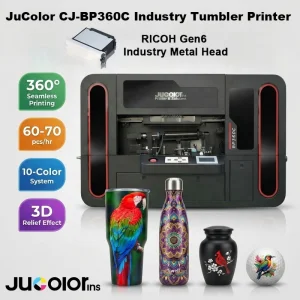
From luxury beverage packaging and perfume bottles to domestic glass kitchenware, decorative UV screen printing and digital direct-to-shape printing require high-speed ink polymerization. LumiCure's specialized high-droplet 360-degree cylinder UV systems (such as the Ricoh Gen6 integrated printer and 1500W water-cooled UV arrays) provide instant surface drying for multi-color glossy, matte, metallic, and tactile organic inks on curved glass geometries at line speeds exceeding 60 bottles/minute.
Flat panel display cover glass, smart device screens, and automotive dashboard touch monitors utilize Liquid Optical Clear Adhesives (LOCA) to eliminate air gaps, maximize light transmission, and increase impact resistance. LumiCure 365nm cold-source UV LED area lamps eliminate thermal expansion distortion of thin display glass while ensuring zero optical haze, zero bubbling, and 99.9% light transmission integrity.
Key technological shifts driving the smart transformation of global glass curing lines.
Global environmental regulations are accelerating the complete phase-out of toxic mercury arc lamps. Solid-state UV LED technology represents the mandatory upgrade path for sustainable, zero-ozone glass processing facilities worldwide.
Next-generation LumiCure systems incorporate real-time UV sensor arrays integrated into the conveyor floor. Machine learning algorithms automatically adjust current driver outputs to maintain 100% constant energy density ($J/cm^2$) despite ambient temperature shifts or multi-year diode degradation.
Combining 365nm + 395nm dual-wavelength LEDs within single COB substrates enables simultaneous surface drying (high frequency) and deep-layer adhesive anchor polymerization (high wavelength penetration), resolving oxygen inhibition challenges in high-humidity ambient factories.
Financial metrics and engineering selection criteria for industrial plant upgrades.
Total Cost of Ownership (TCO) Model: When evaluating UV LED equipment vs. legacy mercury arc systems for medium-to-large scale glass container screen printing lines, the financial return is driven by three primary vectors: energy reduction, reduction in replacement consumables, and minimization of thermal scrap rates.
| Evaluation Parameter | Legacy Medium-Pressure Mercury Arc System | Dongguan LumiCure Industrial UV LED System | Operational Cost Benefit |
|---|---|---|---|
| Power Consumption | 12 kW – 24 kW per lamp module | 1.5 kW – 3.5 kW per lamp module | Up to 82% direct electricity savings |
| Operational Lifespan | 1,000 – 1,500 Hours | 20,000 – 30,000 Hours | 15x to 20x longer operational life |
| Warm-up & Standby Time | 10 – 15 minutes warm-up; cannot restart immediately | Instant ON / OFF (0.001 Seconds) | Zero standby energy draw; +15% throughput |
| Substrate Heat Generation | High IR Radiation (Glass temperature > 120°C) | Cold UV Light Source (Glass temperature < 35°C) | Zero thermal breakage or optical warping |
| Environmental & Safety | Contains hazardous Mercury; generates Ozone ($O_3$) | 100% Mercury-Free; Zero Ozone emission | No ozone ducting required; ESG compliant |
Direct technical answers from LumiCure senior optical application engineers.
High-power modular units, tunnel drying systems, water-cooled light engines, and specialized curing sources.
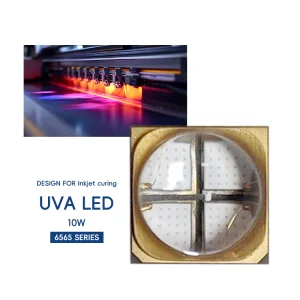
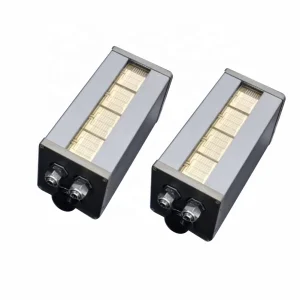
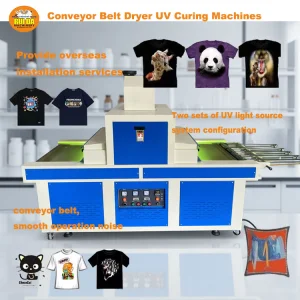
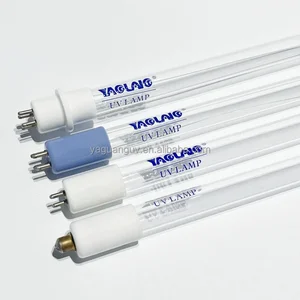
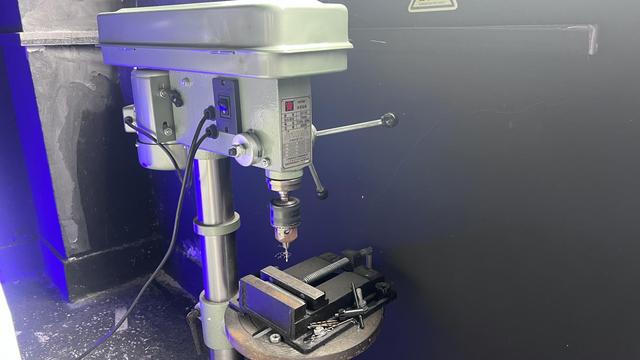
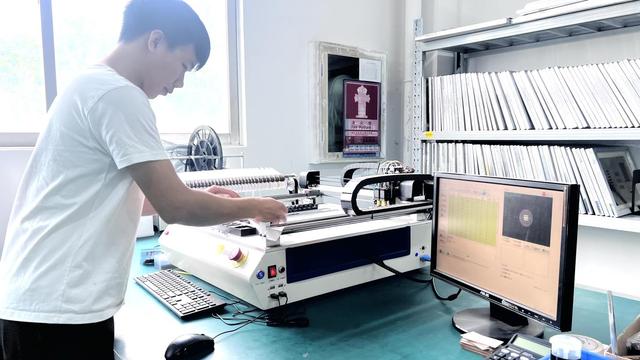
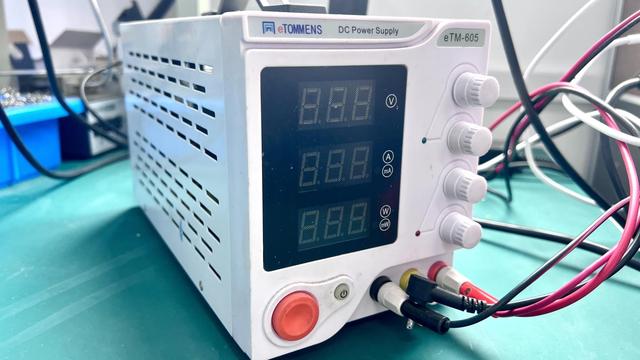
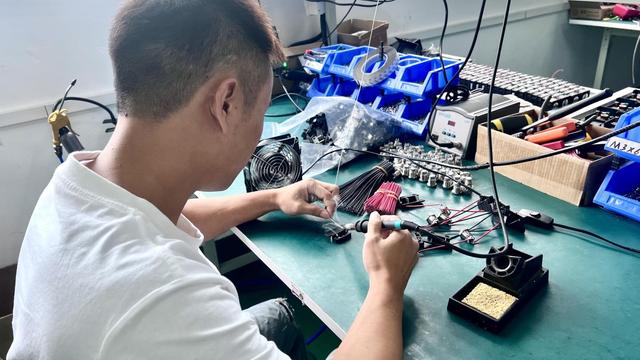
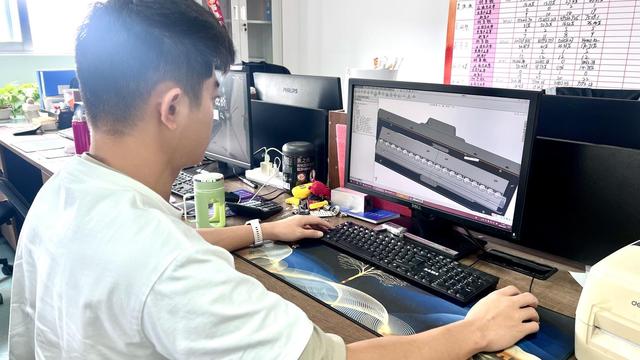
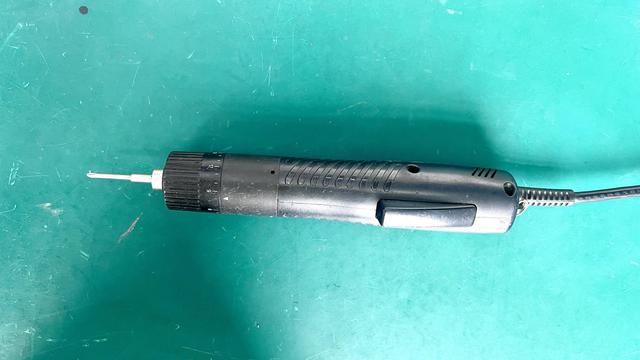
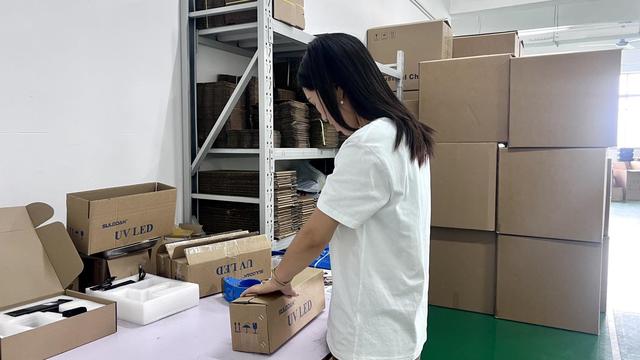
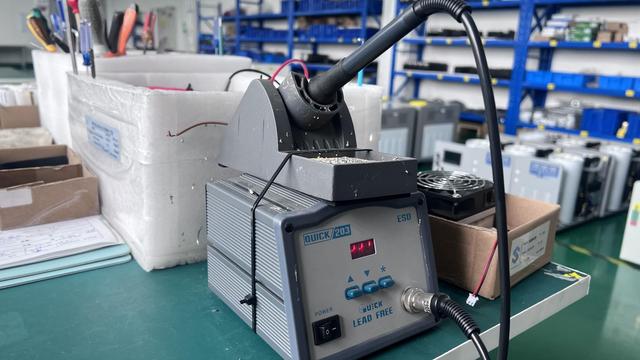
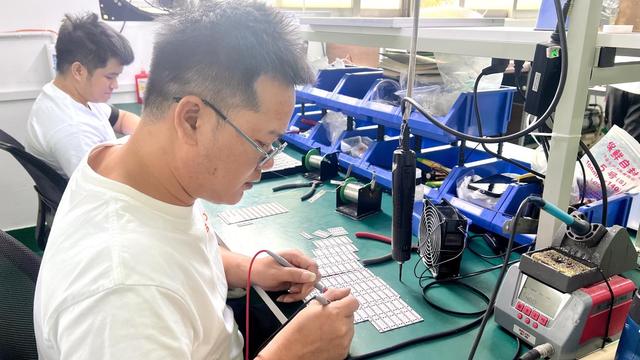
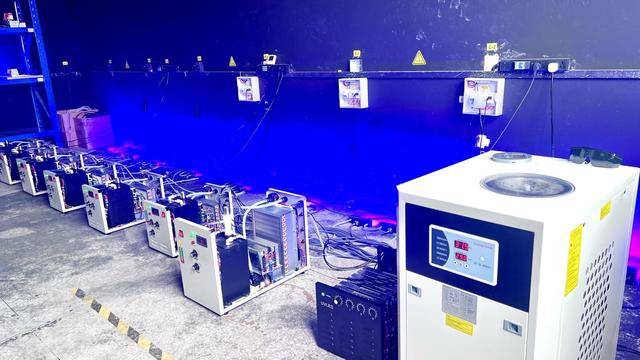
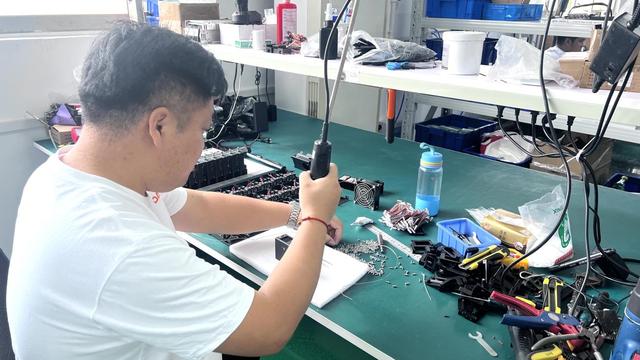
High-tech optical assembly lines, ISO quality inspection labs, and customized system manufacturing in Dongguan, China.
 LumiCure Light