High-performance UV LED curing systems, customized light engines, and surface treatment modules engineered for precision assembly, printing, and manufacturing.
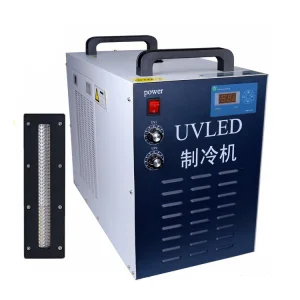
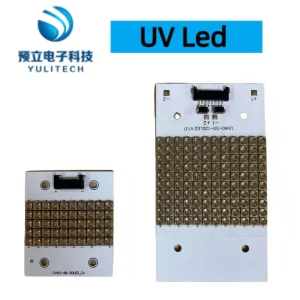
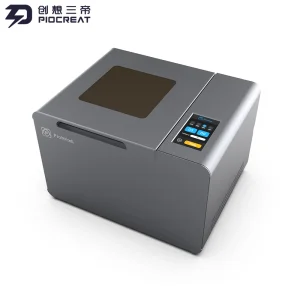
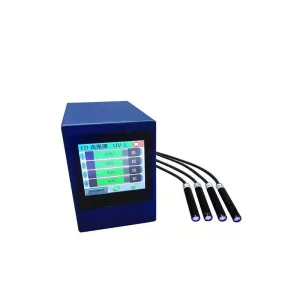
The industrial manufacturing sector is undergoing an unprecedented paradigm shift driven by strict environmental regulations, decarbonization mandates, and the pursuit of operational efficiency. At the vanguard of this transformation is the transition from conventional medium-pressure mercury arc lamps to advanced, eco-friendly UV LED curing systems. Historically, industrial polymer curing, coating, and printing relied heavily on mercury vapor lamps, which pose massive environmental hazards, consume extreme quantities of electrical energy, and demand continuous cooling and replacement cycles.
Today, the global market for UV LED curing is expanding exponentially. According to recent market intelligence reports, the global UV LED curing market is projected to reach several billion USD by 2030, registering a double-digit CAGR. This growth is predominantly driven by two forces: international treaties such as the Minamata Convention on Mercury, which aims to phase out mercury-added products, and the corporate drive towards Net-Zero greenhouse gas emissions. Leading manufacturers across Europe, North America, and East Asia are aggressively retrofitting their existing production lines with solid-state LED systems to eliminate toxic waste, reduce operating costs, and meet stringent ESG (Environmental, Social, and Governance) targets.
From a commercial perspective, UV LED technology represents a fundamental leap in ROI (Return on Investment). Conventional mercury lamps convert only about 30% to 40% of input electrical power into ultraviolet light, while the rest is dissipated as infrared heat. This heat can warp delicate substrates, such as thin plastic films or electronic boards. Conversely, UV LEDs emit a narrow, concentrated band of monochromatic light (e.g., 365nm, 385nm, 395nm, or 405nm) with almost zero thermal radiation, allowing manufacturers to process heat-sensitive materials with unprecedented yield rates.
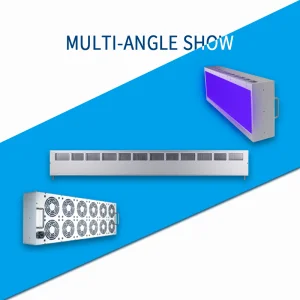
The technical efficacy of a UV LED curing solution is determined by the intersection of three core systems: the semiconductor LED array, the optical focusing lens, and the thermal management structure. To achieve the deep, uniform polymerization of resins and inks required by heavy industries, manufacturers must design systems that maintain stable optical output under continuous operation.
As illustrated in the technological roadmap below, the industry is transitioning towards highly integrated chip-on-board (COB) packaging, where high-density LED dies are directly mounted on copper substrates. This configuration minimizes thermal resistance, allowing for higher irradiance levels (measured in W/cm²) and dose delivery (mJ/cm²).
| Wavelength (nm) | Primary Application Fields | Cooling Method | Curing Efficiency & Penetration Depth |
|---|---|---|---|
| 365nm | Optical bonding, electronics adhesive, medical device assembly, micro-optics | Air-Cooled / Water-Cooled | High surface curing energy; excellent for clear coatings and thin films. |
| 385nm | PCB solder masks, 3D printing resins, dental lab laminates | Water-Cooled / Air-Cooled | Balanced penetration and surface curing properties; widely used in resins. |
| 395nm | Digital inkjet printing, offset printing, flexo, flatbed UV printing | Water-Cooled (High Flow) | Deep penetration through thick ink layers; optimal for high-speed webs. |
| 405nm | Thick resin layers, 3D stereolithography (SLA), industrial adhesives | Air-Cooled / Water-Cooled | Deepest penetration depth; compatible with visible-light photoinitiators. |
Maintaining a stable junction temperature of the LED chips is critical to ensuring their 20,000 to 30,000-hour operational lifespan. Any escalation in chip temperature leads to spectral shifting (wavelength drift) and a rapid drop in optical power output. To combat this, modern industrial UV LED lamps utilize two primary engineering paths:
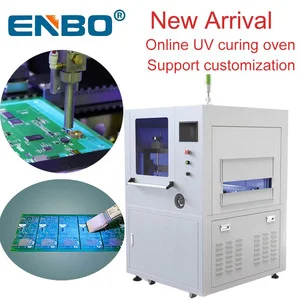
In high-density electronics, precision and reliability are paramount. Traditional thermal ovens require hours of bake time and run the risk of heat damage to delicate integrated circuits. By integrating high-power 1000W UV LED matrix lamps, solder masks, underfills, and protective conformal coatings are cured in seconds. The monochromatic output (usually 365nm or 385nm) ensures that the activation energy matches the photoinitiator precisely without releasing infrared radiation, ensuring zero stress and deformation on the PCB substrates.
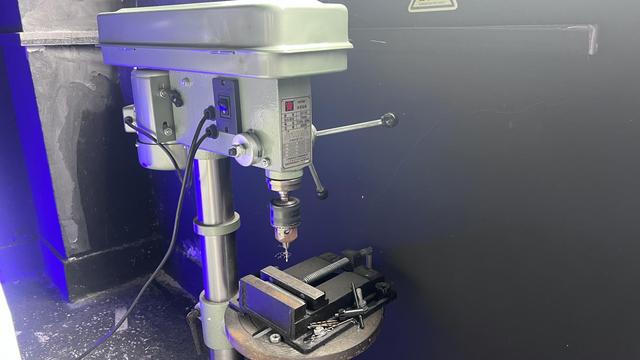
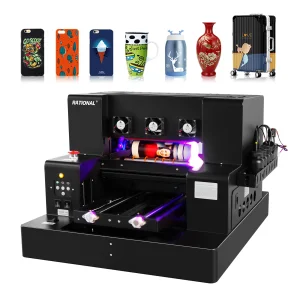
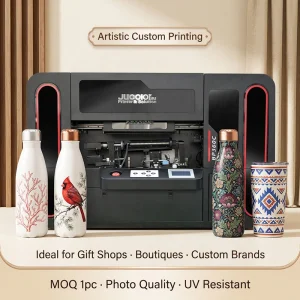
From flatbed printers, UV DTF printers, to high-speed offset and flexo lines, UV LED systems deliver instant drying at speeds exceeding 300 meters per minute. System units, such as the 3kw UV Ink Curing LED Light, are retrofitted into offset printers to replace inefficient drying arches. The technology enables high-adhesion printing on plastic, glass, sheet metals, and wood. Immediate curing allows for instantaneous stacking, folding, and post-press processing, radically reducing floor space demands and shortening delivery lead times.
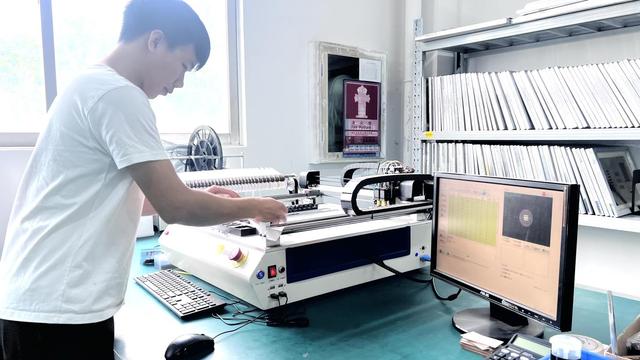
Medical manufacturing demands validation and absolute consistency. UV LED spot and chamber curing systems provide stable, calibrated UV dosage to join plastic polymers, needles, catheters, and endoscopes with medical-grade adhesives. Concurrently, in dental laboratories and dental clinics, specialized benchtop UV units cure 3D-printed dentures, crowns, and models. The exact optical spectrum prevents yellowing or incomplete curing, ensuring biocompatibility and maximum tensile strength.
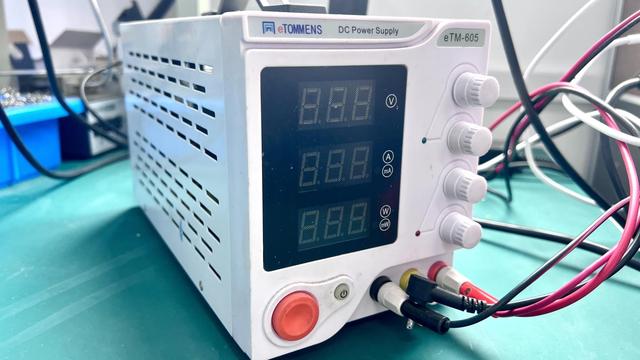
China's Leading Force in Industrial-Grade UV LED Systems & Engineered Curing Solutions
Dongguan LumiCure Light Co., Ltd. is a professional China UV LED curing lamp manufacturer specializing in the research, development, production, and supply of industrial UV curing systems and customized UV LED solutions. With a strong focus on innovation, quality, and customer satisfaction, LumiCure has become a trusted partner for manufacturers worldwide seeking efficient and reliable curing technologies.
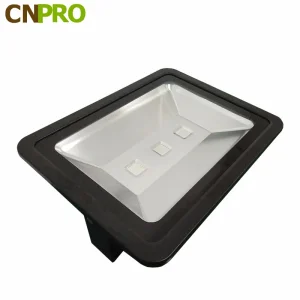
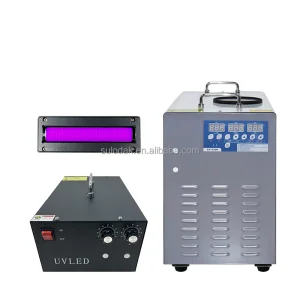
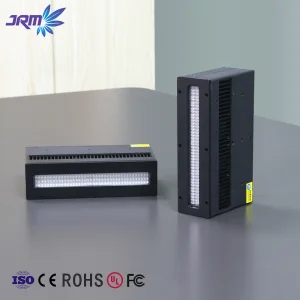
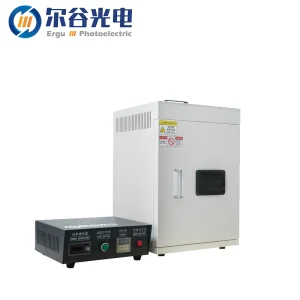
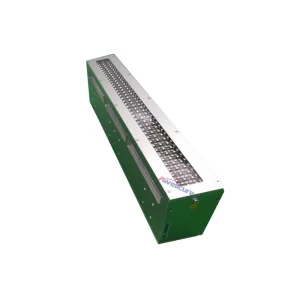
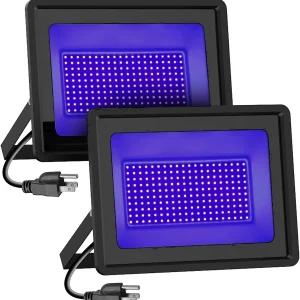
Our product range includes UV LED curing lamps, UV LED spot curing systems, flood curing lamps, conveyor UV curing machines, UV LED modules, printing curing systems, adhesive curing equipment, and customized industrial UV solutions. These products are widely applied in printing, electronics assembly, semiconductor packaging, optical bonding, automotive manufacturing, medical devices, 3D printing, and various precision industrial processes.
Backed by an experienced engineering team and advanced manufacturing facilities, LumiCure is committed to developing energy-saving and environmentally friendly UV curing technologies. Our products feature high curing efficiency, precise wavelength output, long service life, low maintenance requirements, and intelligent control capabilities, helping customers improve productivity while reducing operating costs.
Quality remains the foundation of our business. Every product undergoes rigorous testing and strict quality control procedures throughout the manufacturing process to ensure consistent performance and reliability. We also provide comprehensive OEM and ODM services, enabling customers to customize products according to their specific technical and application requirements.
Serving clients across Europe, North America, Asia, the Middle East, and other global markets, Dongguan LumiCure Light Co., Ltd. continues to deliver innovative UV LED curing solutions that support sustainable and efficient industrial manufacturing.
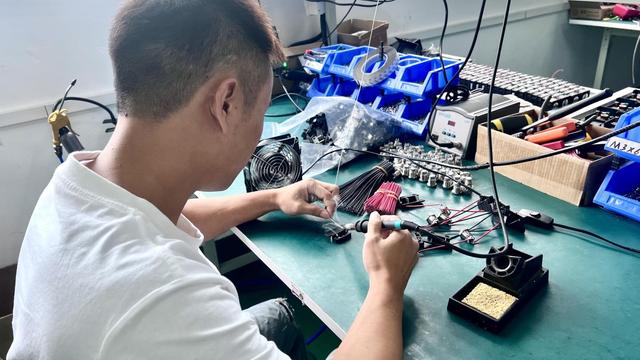
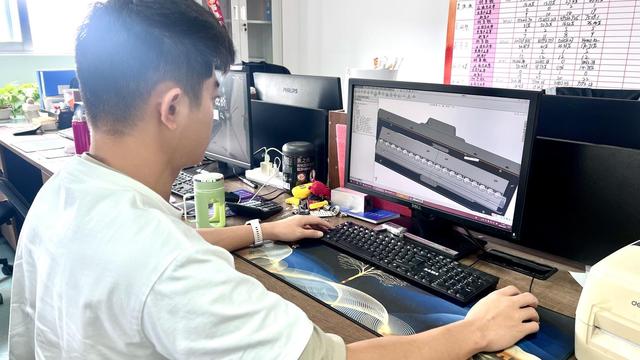
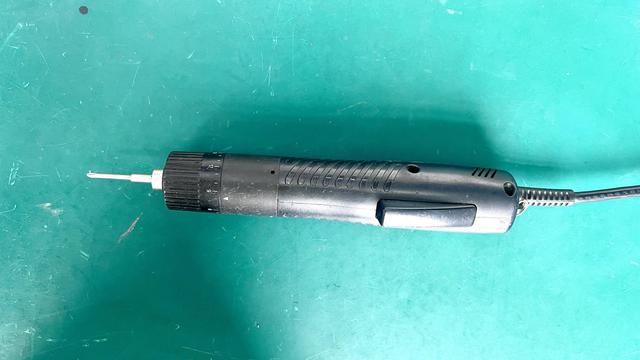
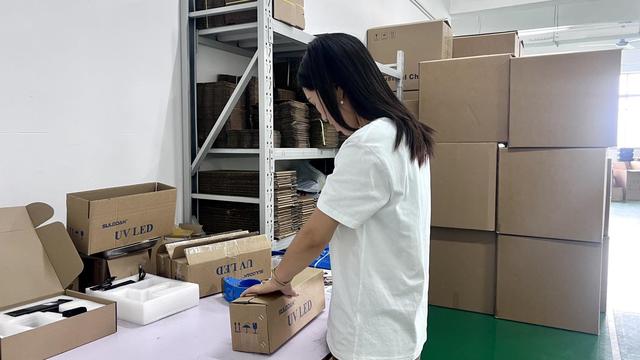
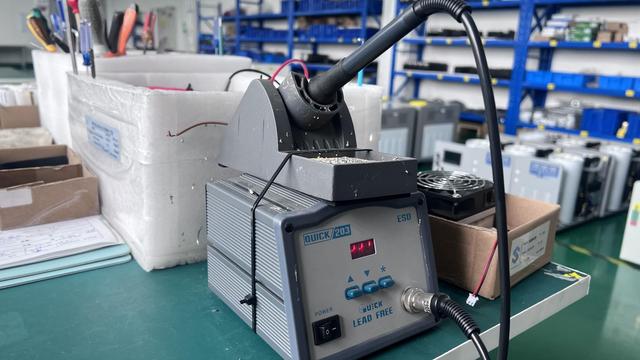
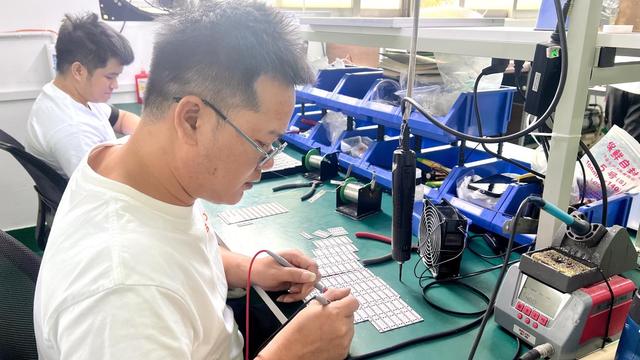
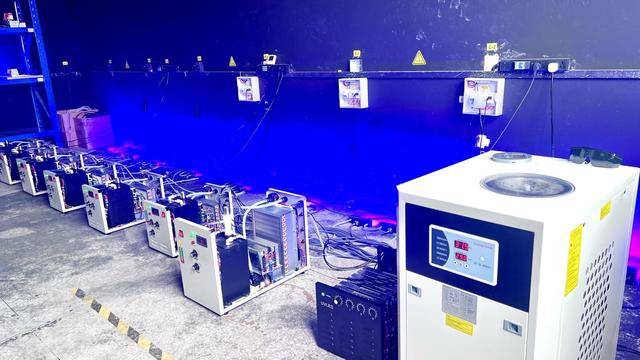
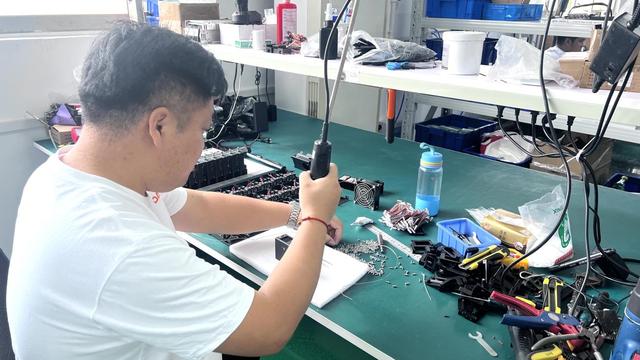
Our vision integrates smart diagnostics, eco-conscious materials, and deeper ultraviolet innovations.
Future LumiCure systems are embedding micro-sensors to track real-time irradiance degradation, temperature spikes, and dynamic current controls, facilitating predictive maintenance.
Extending beyond UVA bands (365-405nm), LumiCure is advancing deep-UVC semiconductor technology (260-280nm) for integrated air, gas, and static water purification systems.
Developing optimized spectral setups to trigger new generations of cationic water-based UV inks, completely eliminating VOC emissions and reducing film thickness.
Deep insights into design, selection, and performance parameters of modern UV LED systems.
High-power modular emitters, sterilizers, conveyors, and flood cure lamps engineered to meet strict international standards.
 LumiCure Light