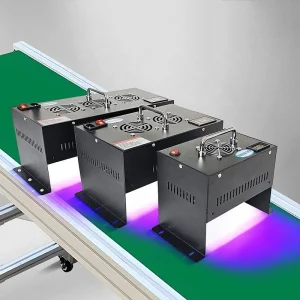
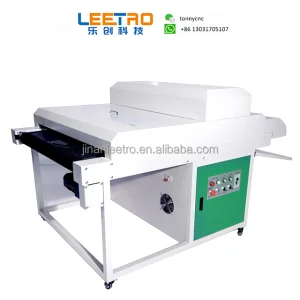
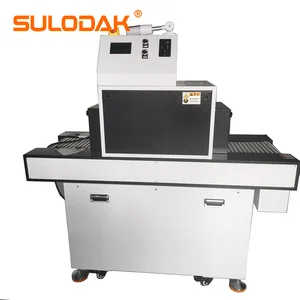
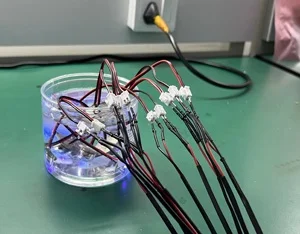
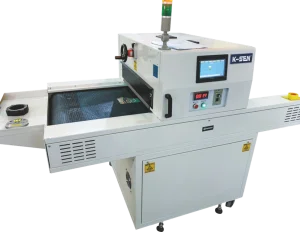
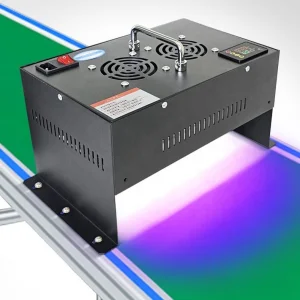
In Western Australia's diverse industrial landscape—ranging from the high-capacity mineral processing facilities in the Pilbara and Kwinana industrial areas to high-precision cabinetry and electronics workshops in Malaga, Osborne Park, and Wangara—manufacturing processes are undergoing a critical energy transition. Dongguan LumiCure Light Co., Ltd. stands at the forefront of this shift, delivering high-irradiance industrial UV LED coating curing machines engineered specifically to withstand Western Australia's hot, dry climates while matching strict Australian environmental and safety standards. By shifting from legacy mercury vapor lamps to narrow-band solid-state UV LED technology, Perth operations achieve near-zero volatile organic compound (VOC) emissions, instantly reduced thermal stress on delicate substrates, and monumental operational savings.
Configured for immediate integration into existing automated lines and manual repair workshops across Western Australia.
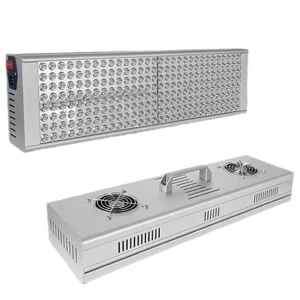
To understand the immense advantages of UV LED curing over traditional medium-pressure mercury arc systems, one must examine the core chemistry of UV-curable industrial liquids. Industrial coatings, varnishes, protective inks, and structural adhesives are comprised of oligomers, monomers, and specifically formulated photoinitiators. Traditional gas-discharge mercury systems emit a broad spectrum of UV radiation (from UVC to UVA, and into the infrared spectrum). This broad emission is highly inefficient, wasting up to 70% of energy input as heat, which can damage heat-sensitive substrates like thin plastics, timber laminates, and precision microelectronics.
Information Gain: Unlike mercury systems, LumiCure's solid-state UV LED systems feature high-purity semiconductor arrays that emit near-monochromatic electromagnetic radiation. These light arrays target specific peak wavelengths: 365nm for surface-layer dry-slick polymerization, 395nm for deep, cross-linked structural polymerization through thick pigmented layers, and 405nm for highly filled resin systems and compound adhesives.
Ideal for highly transparent protective lacquers, thin clear coatings, and optical bonding. This shorter UV wavelength cures top layers quickly to produce high chemical resistance and scratch-resistant finishes.
Perfect for pigmented screen inks, heavy-duty primers, thick industrial adhesives, and composite matrixes. The 395nm wavelength easily penetrates deep layers to ensure complete curing down to the substrate interface.
Utilized primarily for thick resin potting, shadow-cured assembly points, and automotive repairs. This wavelength provides safe visual working conditions and reliable curing on UV-stabilized materials.
In the extreme summer conditions of Western Australia, where ambient factory temperatures regularly exceed 35°C, thermal management in high-power UV equipment is critical. LumiCure's advanced cooling systems use either integrated high-flow fan cooling or industrial closed-loop water chillers. Our thermal engineering utilizes finite element analysis (FEA) to keep junction temperatures on the GaN (Gallium Nitride) LED chips below 60°C. This careful design ensures stable output irradiance (up to 16 W/cm² or higher) and extends the operational life of the system past 50,000 working hours. This provides a consistent and reliable curing process, ensuring complete polymer cross-linking even at high conveyor line speeds.
From structural marine coatings to defense electronics, Western Australian companies demand rugged, high-efficiency equipment.
Dongguan LumiCure Light Co., Ltd. is a leading manufacturer specializing in industrial UV LED curing systems. We control the entire production process at our state-of-the-art facility in Dongguan, ensuring high build quality and consistent product performance. This integrated manufacturing approach allows us to supply systems globally, offering high performance and custom engineering to clients throughout Australia and worldwide.
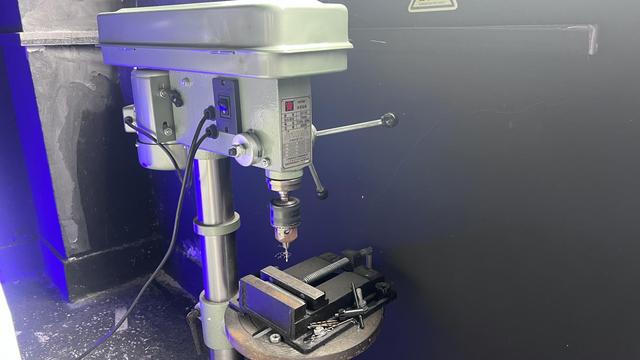
Our manufacturing facility features advanced cleanroom assembly spaces, automated LED array bonding systems, and dedicated optoelectronic testing labs. Every UV curing system undergoes rigorous testing, including a continuous 72-hour burn-in period and peak irradiance mapping, ensuring reliable performance in demanding industrial environments.
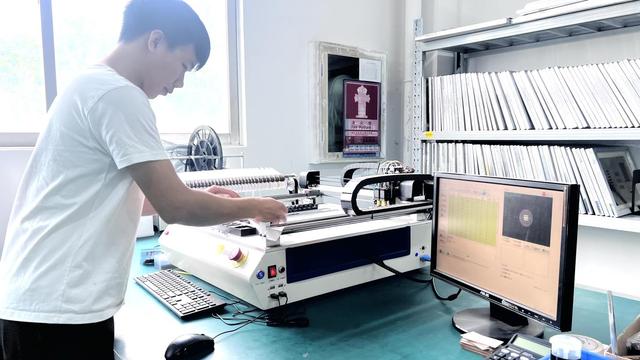
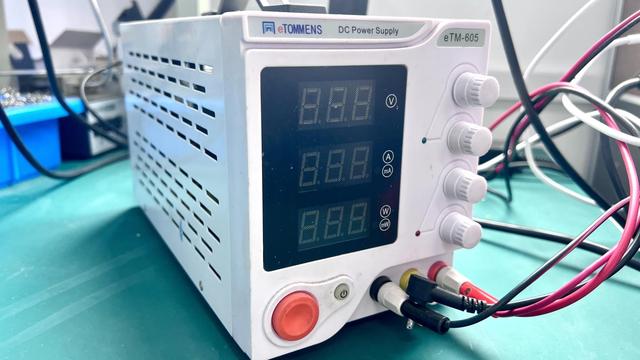
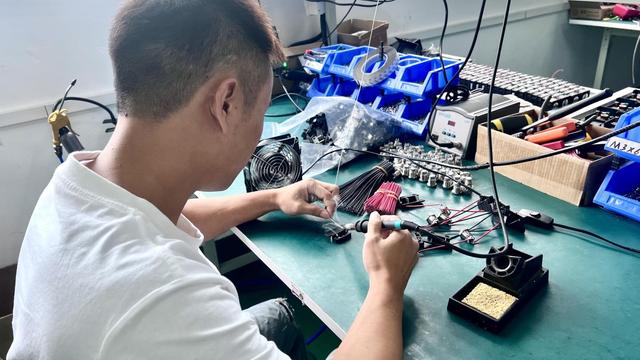
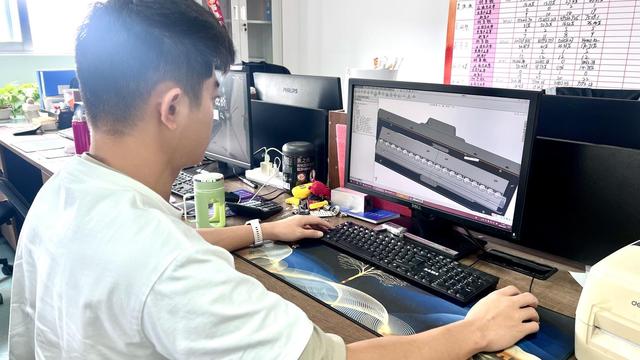
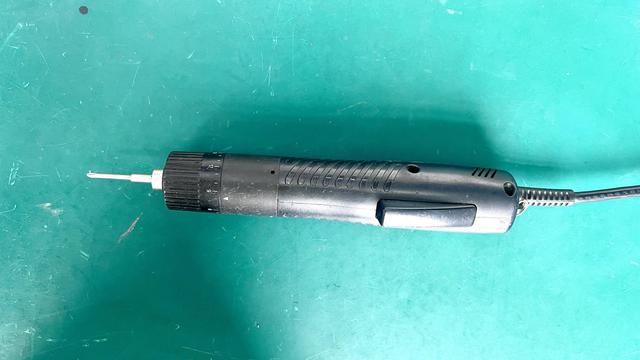
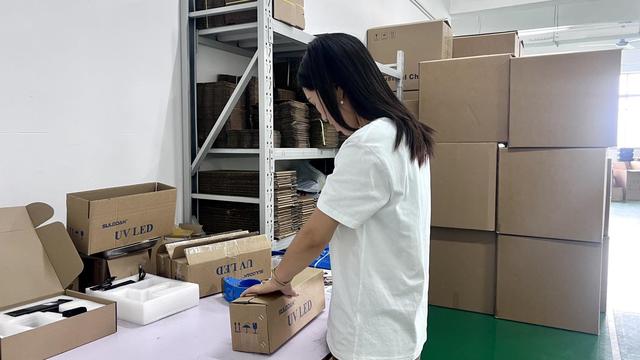
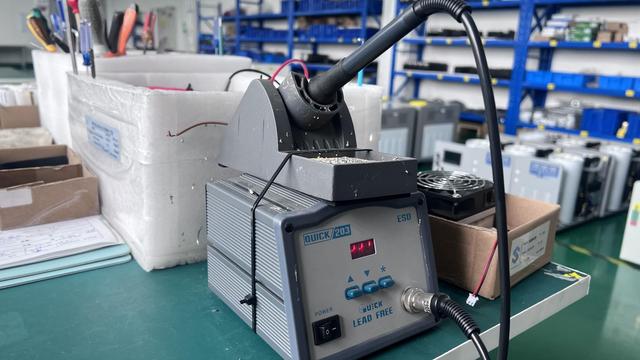
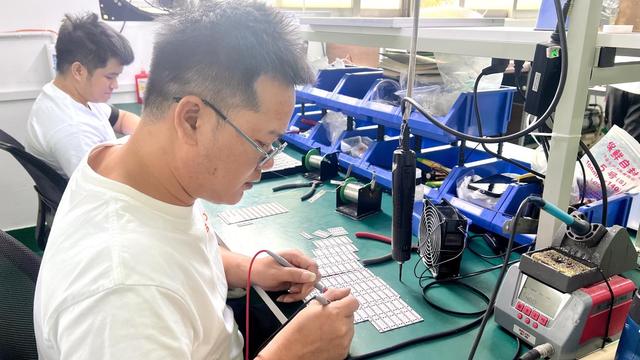
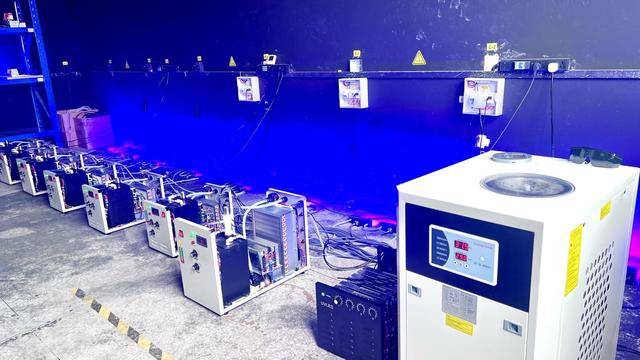
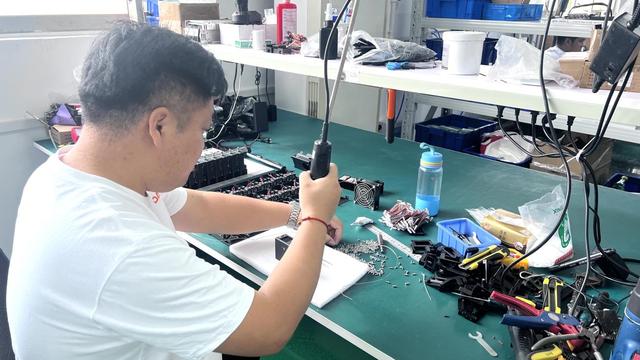
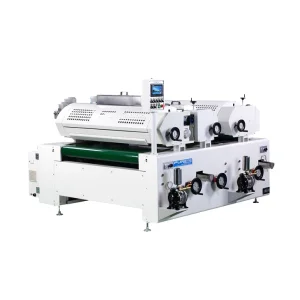
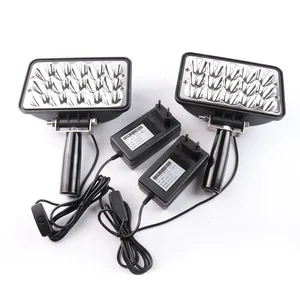
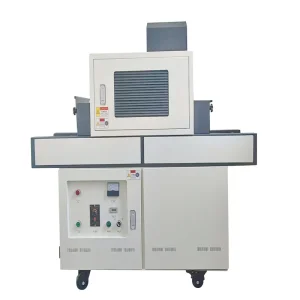
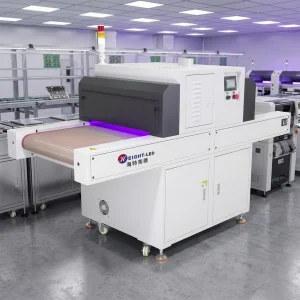
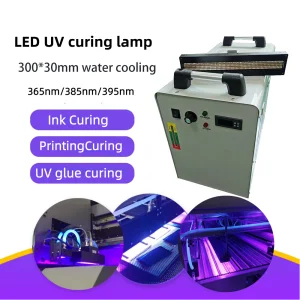
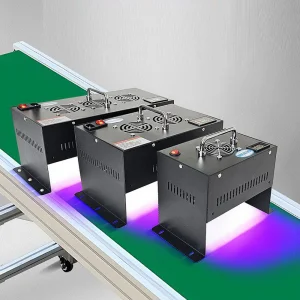
Our full line of UV curing systems, built to meet global industrial standards and suitable for various applications in Perth.
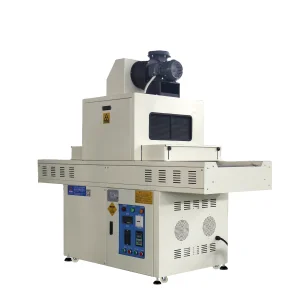
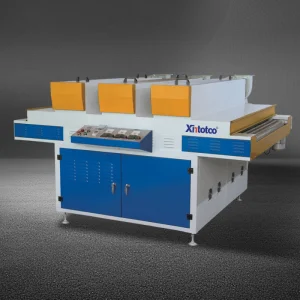
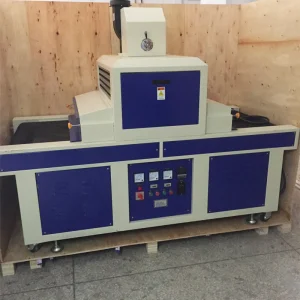
Ensuring regulatory compliance, electrical safety standards, and reliable logistics delivery to Fremantle Port.
All industrial machinery imported into Western Australia must comply with AS/NZS 3000 (Wiring Rules) and electrical safety guidelines. Our UV curing systems are built with components that meet CE and RoHS standards. We also offer configurations designed to comply with Australian electrical certifications (RCM) upon request.
Our engineering team provides comprehensive OEM and ODM design support. We can customize physical dimensions, wavelength configurations (365nm/395nm/405nm), and communication interfaces (such as MODBUS, EtherCAT, or simple 24V I/O) to integrate with existing production machinery.
We provide reliable sea freight directly from Dongguan ports to the Port of Fremantle. Standard shipments include custom export packaging and clear customs documentation. This minimizes delays and ensures your machinery arrives ready for installation on site.
Direct Technical Assistance: Need a customized UV LED curing system for your Perth facility? Contact our engineering team with your system dimensions, target wavelengths, and production line speeds for a detailed technical proposal within 24 hours.
Technical answers to common questions about installing and operating UV LED curing equipment.
Peak Irradiance (measured in W/cm²) represents the maximum light intensity directed at the substrate. It is critical for initiating the photopolymerization reaction and overcoming oxygen inhibition in top coating layers. Energy Density or dosage (measured in J/cm²) is the total UV energy delivered over a given time as the material passes under the light source (dependent on conveyor speed). Both metrics must meet the coating manufacturer's specifications to ensure a complete cure.
For high-power UV applications (above 8 W/cm² peak irradiance) operated in hot environments like Perth summers, a water-cooled system is generally more reliable. It maintains a stable LED junction temperature regardless of ambient room temperature. For lower-intensity applications or mobile repair units, an air-cooled system provides a compact, low-maintenance solution that is easy to transport.
Yes, retrofitting is common. However, because UV LED systems emit narrow-band light (e.g., 395nm) rather than broad-spectrum light, the coatings, inks, or adhesives used must be formulated with photoinitiators that match the LED system's wavelength. Many industrial coating manufacturers now supply LED-compatible products.
LumiCure systems use high-performance LED arrays rated for an operational life of 50,000 hours or more. This is significantly longer than traditional mercury arc bulbs, which typically require replacement every 1,000 to 2,000 hours. This helps reduce maintenance costs and minimizes production downtime.
Yes. Our standard systems feature integrated PLC modules with industrial interfaces. This allows operators to monitor system status, control output intensity, and link the curing process with conveyor line speeds for automated production.
No. Ozone is generated when UVC light below 240nm interacts with oxygen in the air. Because our UV LED systems emit narrow-band light (typically 365nm to 405nm), they do not produce ozone. This eliminates the need for complex exhaust ducting systems, creating a safer and simpler factory environment.
 LumiCure Light