Highly uniform UV LED curing systems engineered for Liquid Optically Clear Adhesive (LOCA) bonding of avionics, industrial displays, and military touchscreens.
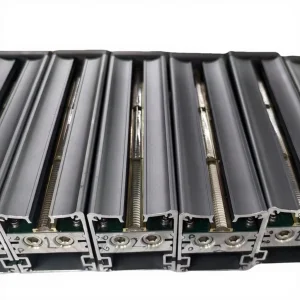
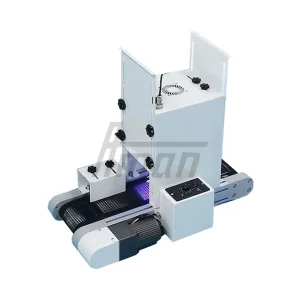
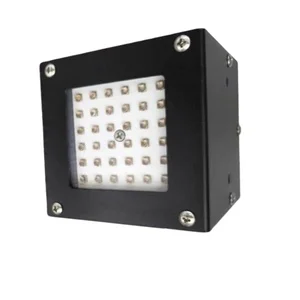
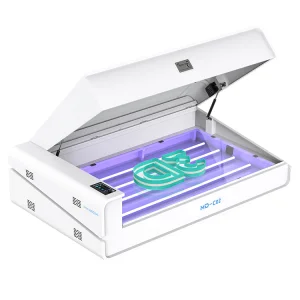
Unlocking superior optical performance, ruggedization, and readability in hostile environments through precise UV irradiation profiles.
Optical bonding is the process of applying a liquid optically clear adhesive (LOCA) or non-gel resin sheet between the protective cover plate (typically chemically strengthened glass) and the underlying LCD, OLED, or e-paper display stack-up. The primary goal is to eliminate the air gap between these layers, which inherently minimizes refractive index mismatches. In a standard air-gap display assembly, light rays cross boundaries with mismatched refractive indices (Air ≈ 1.0, Glass ≈ 1.5), which results in ~4.5% reflection at each interface. Eliminating this air gap using a matched-index adhesive reduces total surface reflections down to less than 0.2%, dramatically increasing outdoor readability, contrast ratios, and structural integrity.
However, the performance of the optical bonding stack is entirely dependent on the precision of the polymerization process. This is where UV LED Optical Bonding Curing Systems play a critical role. Traditional mercury lamps emit wide spectral lines, generating significant infrared energy (heat) that induces thermal expansion stresses, leading to parallax distortion, yellowing of sensitive LCD polarizers, and localized adhesive shrinkage. In contrast, solid-state UV LED systems emit narrow spectral outputs (e.g., peak intensity at 365nm, 385nm, 395nm, or 405nm) with minimal infrared irradiation, protecting delicate polymer substrates and display electronic components.
The Pacific Northwest, and specifically the Greater Seattle Metropolitan Area (including Bellevue, Redmond, Kent, and Everett), represents a world-class cluster of aerospace engineering, marine electronics, defense systems, and high-reliability medical equipment manufacturers. Industrial displays deployed within these regional clusters must withstand extreme environments—from sub-zero flight deck altitudes to highly humid marine navigation environments on Puget Sound.
Aerospace & Avionics: Avionics engineers in the Seattle-Tacoma aerospace corridor demand display systems that comply with stringent aerospace standards. High-altitude flight conditions create extreme pressure differentials. If display layers are bonded poorly, pressure variations will cause outgassing or air bubble propagation. Our UV LED curing systems enable precise, uniform curing profiles that prevent microscopic voids in the LOCA layer, ensuring that displays remain clear and functional at altitudes above 40,000 feet.
Maritime Display Systems: Marine vessel displays manufactured in Seattle's maritime shipyards require active display visibility under harsh direct sunlight, and absolute protection against interior condensation. Moisture ingress in standard air-gap displays is a common point of failure. Optical bonding seals the display assembly completely. The precision wavelengths of LumiCure systems are optimized to cure marine-grade, high-elasticity silicones and acrylics, which provide excellent shock absorption and thermal expansion tolerance across dynamic maritime temperature ranges.
Globally, display manufacturers are shifting from high-pressure mercury arc lamps to narrow-band UV LED curing engines. The key drivers are energy conservation, environmental compliance (elimination of heavy metal mercury), process consistency, and thermal management. Solid-state UV LEDs provide instantaneous on/off controls, eliminating the long warm-up cycles associated with arc lamps. This allows for seamless integration into automated, high-throughput inline production systems.
Additionally, modern optical adhesive chemistries are engineered to polymerize under specific UV bands. For instance, many dual-stage or shadow-cure optical adhesives rely on a primary UV cure (using 365nm for deep-section cure) and a secondary moisture- or thermal-cure mechanism for hidden areas. LumiCure's multi-wavelength systems enable operators to combine 365nm and 405nm light heads into a single curing line, giving process engineers maximum flexibility over cure speed and cross-linking depth.
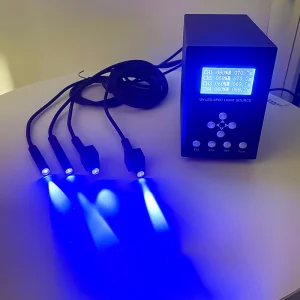
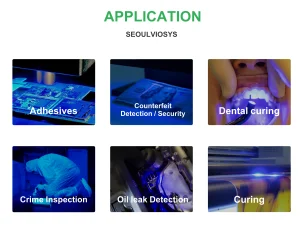
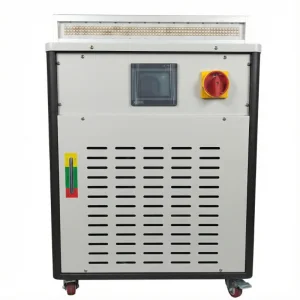
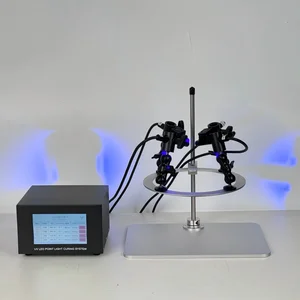
Explore our diverse portfolio of curing systems optimized for electronics assembly, lens bonding, and high-precision display integration.
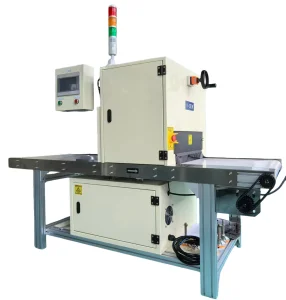
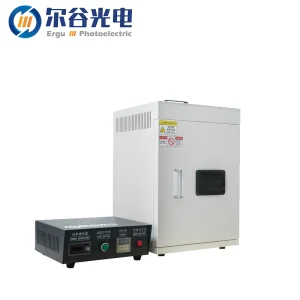
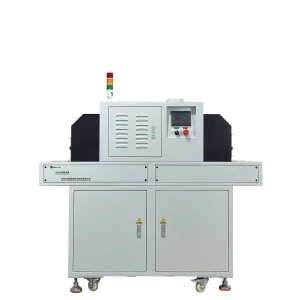
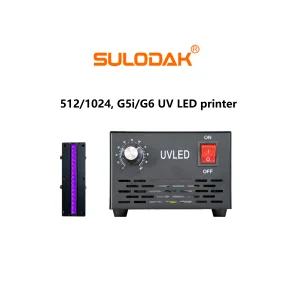
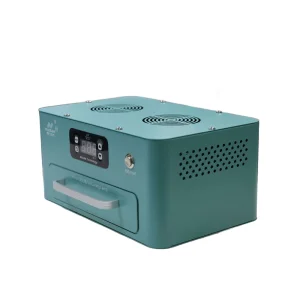
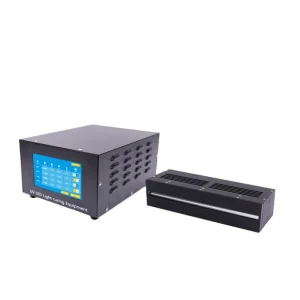
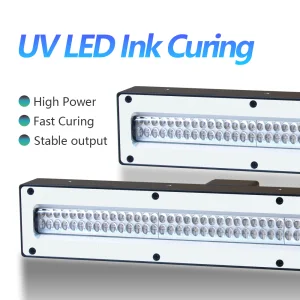
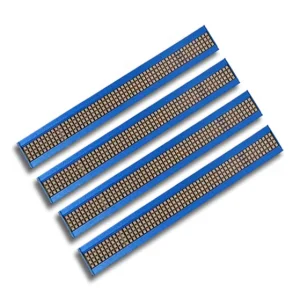
Bridging global design capability with world-class optoelectronic manufacturing infrastructure.
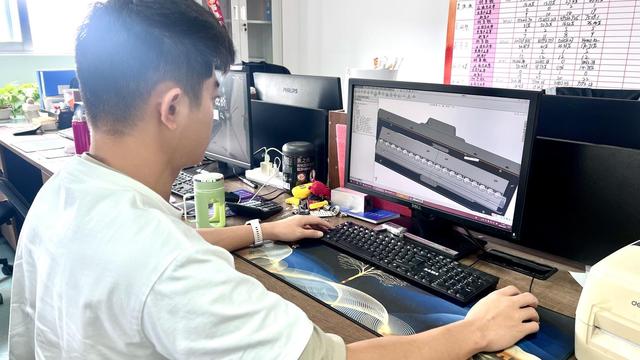
Dongguan LumiCure Light Co., Ltd. is a professional China UV LED curing lamp manufacturer specializing in the research, development, production, and supply of industrial UV curing systems and customized UV LED solutions. With a strong focus on innovation, quality, and customer satisfaction, LumiCure has become a trusted partner for manufacturers worldwide seeking efficient and reliable curing technologies.
Our product range includes UV LED curing lamps, UV LED spot curing systems, flood curing lamps, conveyor UV curing machines, UV LED modules, printing curing systems, adhesive curing equipment, and customized industrial UV solutions. These products are widely applied in printing, electronics assembly, semiconductor packaging, optical bonding, automotive manufacturing, medical devices, 3D printing, and various precision industrial processes.
Backed by an experienced engineering team and advanced manufacturing facilities, LumiCure is committed to developing energy-saving and environmentally friendly UV curing technologies. Our products feature high curing efficiency, precise wavelength output, long service life, low maintenance requirements, and intelligent control capabilities, helping customers improve productivity while reducing operating costs.
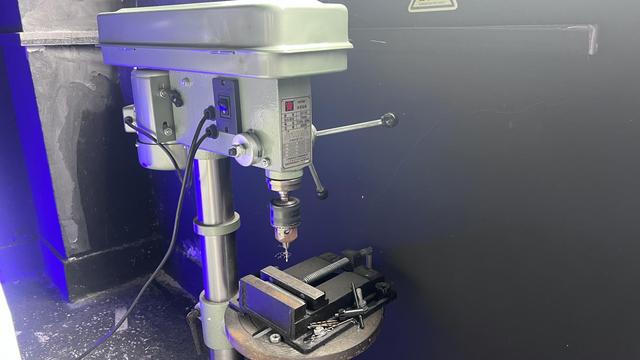
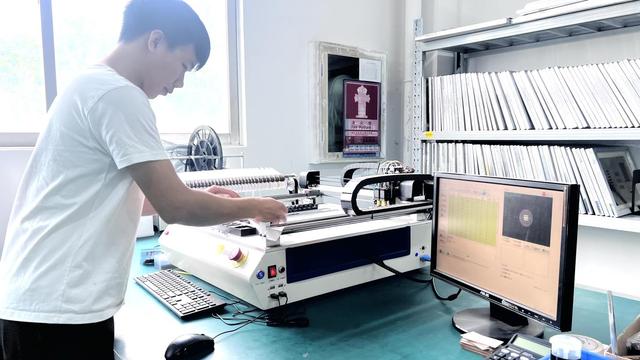
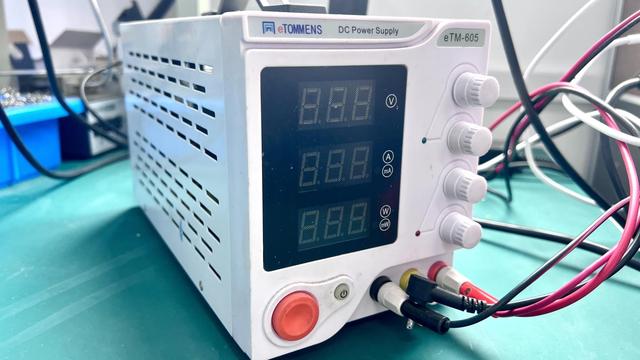
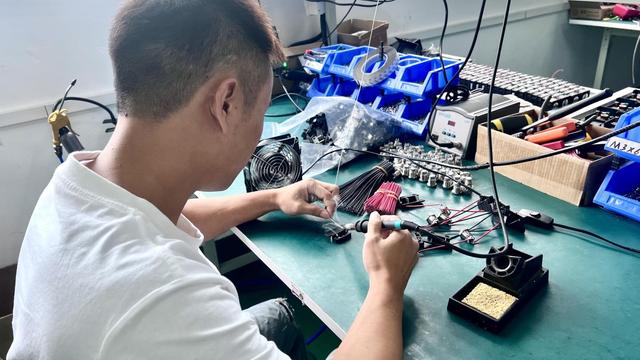
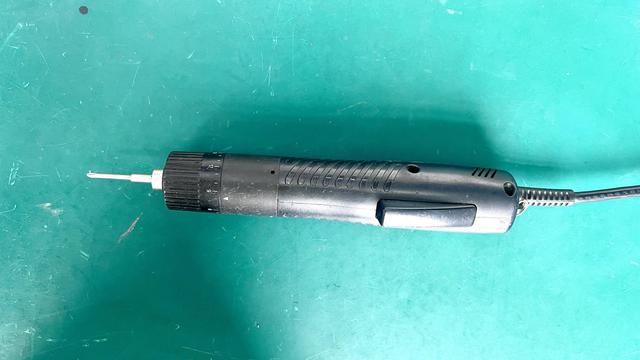
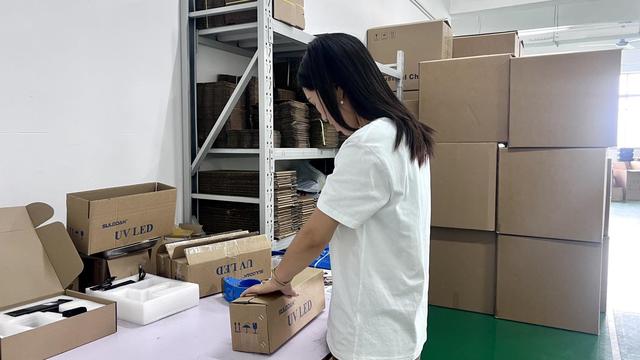
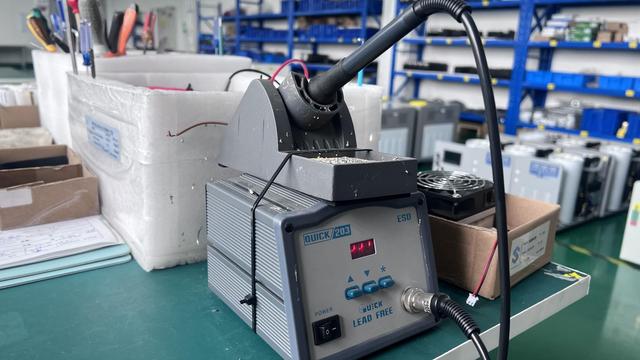
Quality remains the foundation of our business. Every product undergoes rigorous testing and strict quality control procedures throughout the manufacturing process to ensure consistent performance and reliability. We also provide comprehensive OEM and ODM services, enabling customers to customize products according to their specific technical and application requirements.
Serving clients across Europe, North America, Asia, the Middle East, and other global markets, Dongguan LumiCure Light Co., Ltd. continues to deliver innovative UV LED curing solutions that support sustainable and efficient industrial manufacturing.
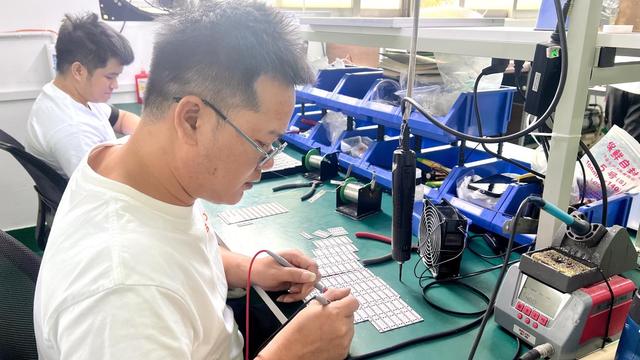
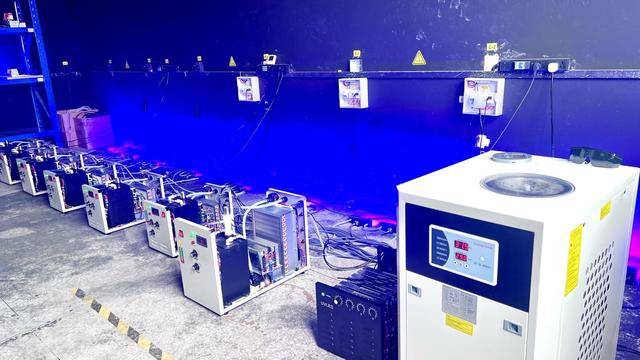
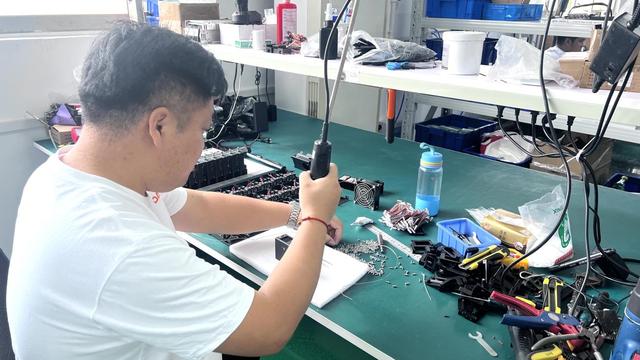
From prototyping and optical simulation to CE/UL-compliant deployment and field engineering.
For system integrators in Washington state, procuring high-tech optical equipment internationally requires strong supply chain transparency and field engineering reliability. LumiCure provides comprehensive technical drawings, thermal dissipation profiles, and spectral mapping files to help local engineers design system enclosures. All equipment complies with international directives including CE, RoHS, and FCC. We cooperate closely with Seattle-based electronics distributors and calibration labs to ensure swift parts replacement, minimizing down-time for active aerospace or defense assembly lines.
As the display industry moves toward Micro-LED, flexible OLEDs, and quantum-dot enhancement films, display glass substrates are incorporating high-barrier coatings that block wider ultraviolet frequencies. Our R&D division is continuously optimizing multi-band spectral emission architectures. By integrating precise wavelengths (such as narrow-band 395nm/405nm light coupled with custom optical quartz lenses), we ensure adequate photopolymer penetration without compromising the UV-absorbing barrier coatings. This prevents light leakage and protects fragile organic layers in next-generation displays.
Direct engineering answers to common technical queries concerning UV LED optical bonding.
 LumiCure Light