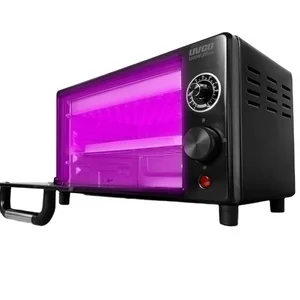
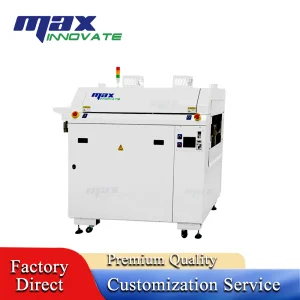
Specially selected advanced UV LED systems engineered to support high-throughput electronic manufacturing and R&D operations in São Paulo's leading technology parks.
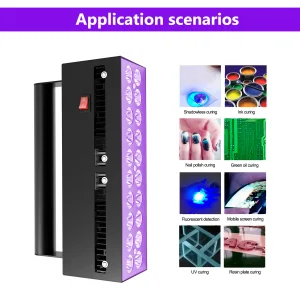
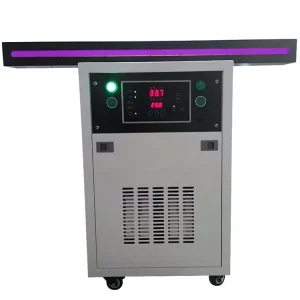
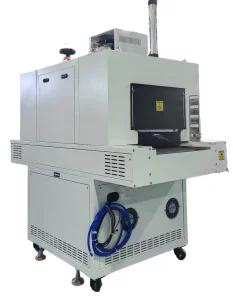
Evaluating the technological transition, local regulatory requirements, and engineering standards for industrial UV processing in Brazil's premier economic hub.
The state of São Paulo stands as the powerhouse of South America's electronic and aerospace manufacturing industries. From the high-tech corridors of Campinas and São José dos Campos to the industrial clusters in the Greater ABC region, the demand for precision electronics assembly is growing rapidly. Advanced applications in automotive Engine Control Units (ECUs), smart utility meters, telecommunications hardware, and aerospace avionics require assembly protocols that prevent defects and ensure maximum thermal stability. Consequently, transitioning to solid-state UV LED PCB curing equipment is no longer just an energy-saving strategy; it is a critical process requirement for high-density, multi-layer circuit board fabrication.
Electronic manufacturing services (EMS) providers and original equipment manufacturers (OEMs) in Brazil operate under distinct operational environments. Equipment must meet strict requirements for grid stability, local operator workflows, and integration with SMT conveyor systems. Key applications in the São Paulo region include:
For procurement officers and factory directors evaluating upgrade paths, understanding the long-term ROI is essential. Below is a detailed breakdown comparing the operating costs, performance, and environmental impact of these two technologies:
| Performance Indicator | Traditional Mercury Vapor Lamp | Next-Gen UV LED System (LumiCure) | Impact on São Paulo Plants |
|---|---|---|---|
| Operating Lifetime | 1,000 to 2,000 Hours | >20,000 Hours (L70 lifetime) | Reduces unscheduled line stops and maintenance costs. |
| Energy Consumption | 100% (High baseline draw) | 20% - 30% (Up to 80% savings) | Mitigates high industrial electricity tariffs in Brazil. |
| Substrate Heat Loading | High (Up to 150°C - 200°C) | Low (Minimal infrared emissions) | Prevents thermal warping of thin or flexible PCBs. |
| Warm-up & Cool-down | 10 to 15 Minutes required | Instantaneous On/Off control | Allows shutterless integration with smart conveyors. |
| Environmental Safety | Contains Mercury; generates Ozone | RoHS compliant; zero hazardous materials | Simplifies compliance with local environmental standards. |
How Dongguan LumiCure Light Co., Ltd. bridges the gap between state-of-the-art optical engineering and Brazilian industrial specifications.
Based in Dongguan, the global capital of electronics manufacturing, we source high-binning UV LED chips (Epileds, San'an, LG) and integrate them with high-efficiency thermal management solutions to ensure stable optical output.
We provide full customization for wavelength profiles (365/385/395/405nm hybrid designs), customizable irradiance profiles up to 12,000 mW/cm², and PLC-based communications (Modbus/Profinet) to fit any production line.
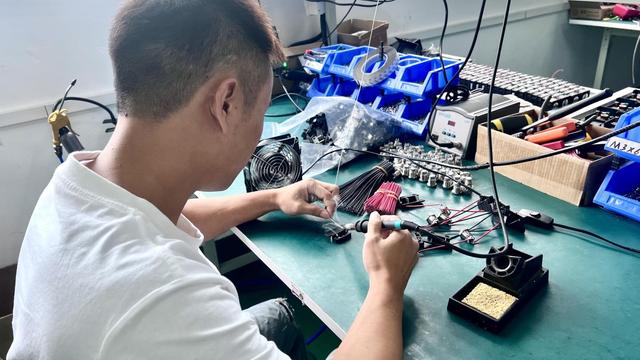
Every industrial conveyor, spot light, or exposure machine undergoes rigorous testing, including thermal cycling, irradiance mapping, and electrical insulation tests, to guarantee seamless compliance with NR-12 and CE standards.
Dongguan LumiCure Light Co., Ltd. is a professional China UV LED curing lamp manufacturer specializing in the research, development, production, and supply of industrial UV curing systems and customized UV LED solutions. With a strong focus on innovation, quality, and customer satisfaction, LumiCure has become a trusted partner for manufacturers worldwide seeking efficient and reliable curing technologies.
Our product range includes UV LED curing lamps, UV LED spot curing systems, flood curing lamps, conveyor UV curing machines, UV LED modules, printing curing systems, adhesive curing equipment, and customized industrial UV solutions. These products are widely applied in printing, electronics assembly, semiconductor packaging, optical bonding, automotive manufacturing, medical devices, 3D printing, and various precision industrial processes.
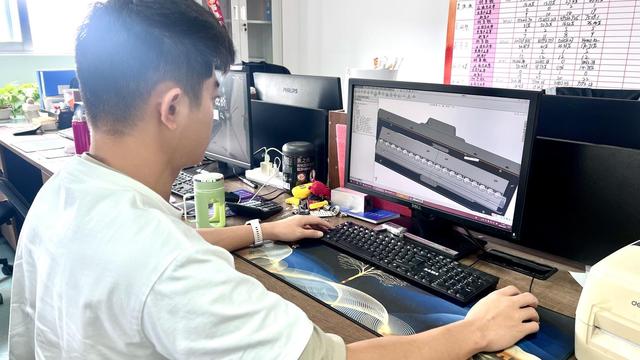
Backed by an experienced engineering team and advanced manufacturing facilities, LumiCure is committed to developing energy-saving and environmentally friendly UV curing technologies. Our products feature high curing efficiency, precise wavelength output, long service life, low maintenance requirements, and intelligent control capabilities, helping customers improve productivity while reducing operating costs.
Quality remains the foundation of our business. Every product undergoes rigorous testing and strict quality control procedures throughout the manufacturing process to ensure consistent performance and reliability. We also provide comprehensive OEM and ODM services, enabling customers to customize products according to their specific technical and application requirements.
Serving clients across Europe, North America, Asia, the Middle East, and other global markets, Dongguan LumiCure Light Co., Ltd. continues to deliver innovative UV LED curing solutions that support sustainable and efficient industrial manufacturing.
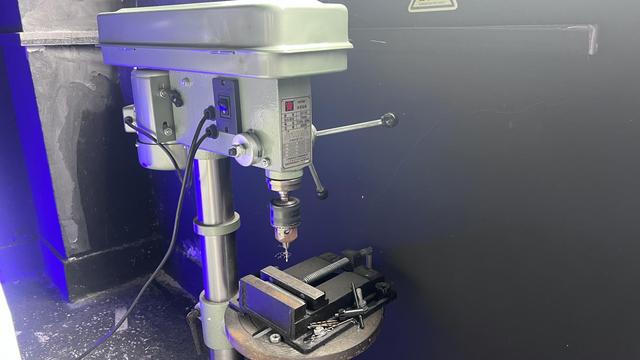
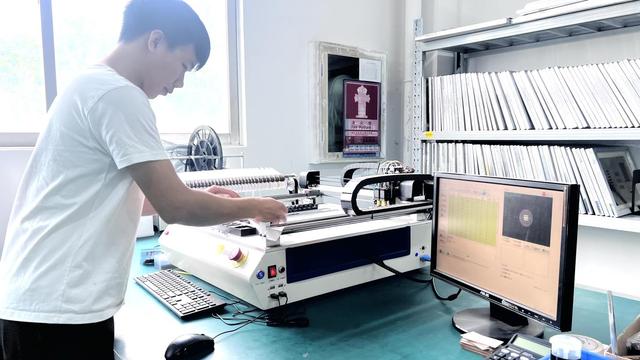
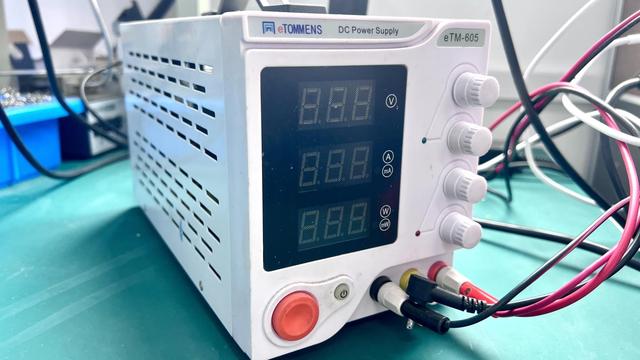
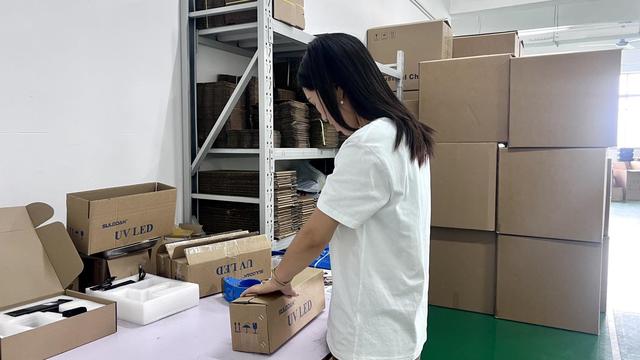
Key strategies to navigate customs clearance, import taxation (IPI/ICMS), and maritime freight from Southern China to the Port of Santos.
Procuring capital equipment from China to Brazil involves navigating customs regulations and import tariffs. At LumiCure, we assist our Brazilian customers throughout this process to ensure clear documentation and efficient logistics.
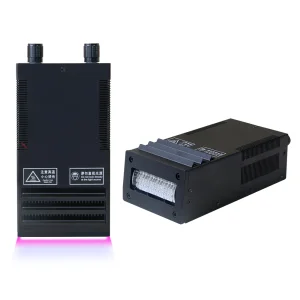
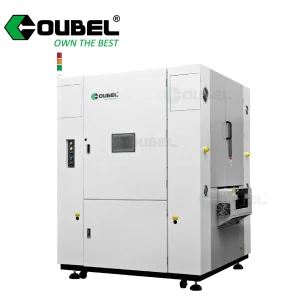
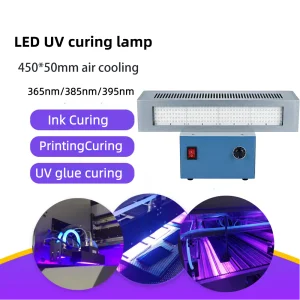
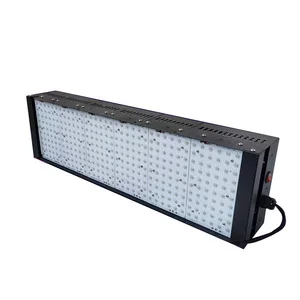
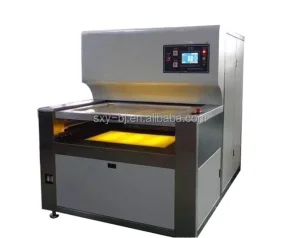
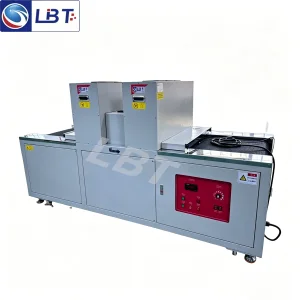
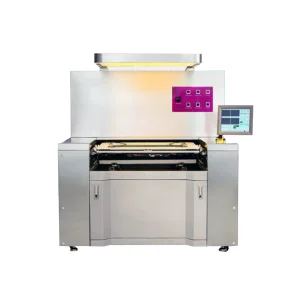
Explore our full line of robust UV LED curing systems engineered for diverse industrial electronics and assembly lines.
Addressing technical, operational, and procurement queries regarding UV LED PCB curing equipment integration in Brazilian manufacturing facilities.
 LumiCure Light