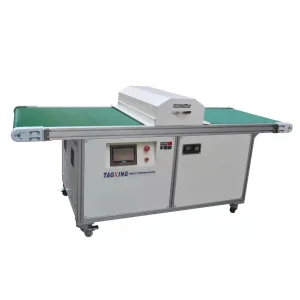
High-efficiency, customisable UV curing hardware optimized for production reliability and operational energy savings.
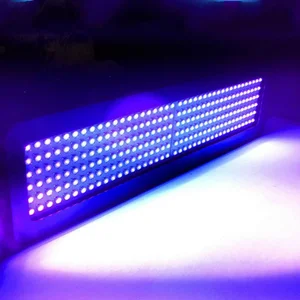
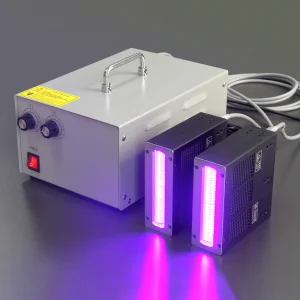
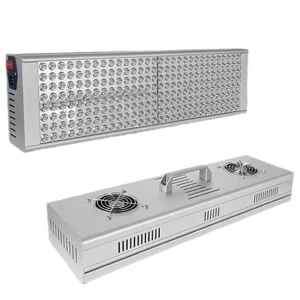
Dongguan LumiCure Light Co., Ltd. is an industry-leading, specialized China UV LED curing lamp manufacturer. Our core expertise resides in the research, development, custom engineering, and mass production of state-of-the-art industrial UV curing systems. Over the years, LumiCure has evolved into an authoritative and reliable partner for manufacturers, system integrators, and distributors across the globe seeking energy-efficient, stable, and high-performance optoelectronic curing solutions.
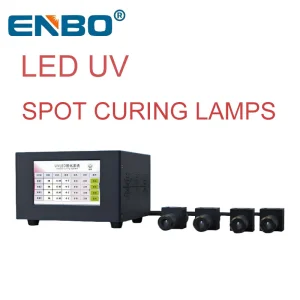
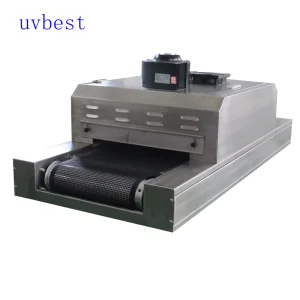
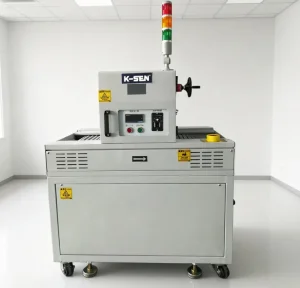
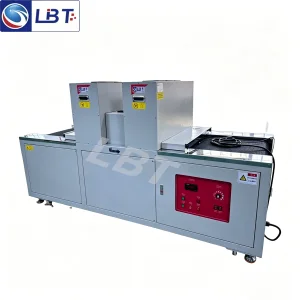
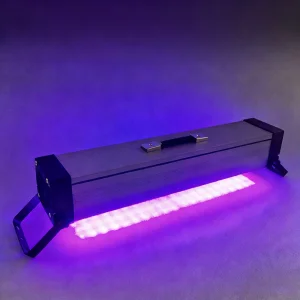
Our expansive product portfolio encompasses UV LED curing lamps, specialized high-intensity spot curing arrays, flood curing units, integrated conveyorized ultraviolet drying machinery, custom multi-wavelength UV LED modules, and advanced web-offset and flexo printing exposure units. These systems are highly regarded for their precise wavelength outputs, excellent thermal stability, and extended functional lifetimes.
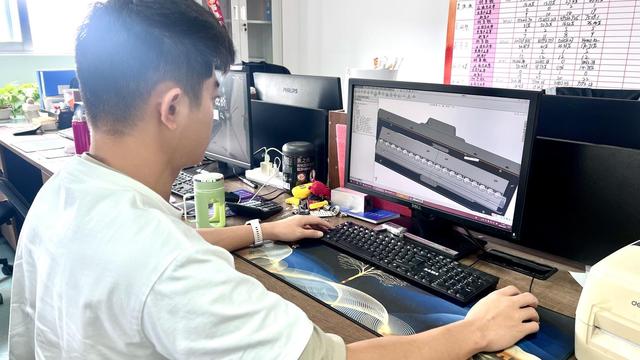
By leveraging advanced chip-on-board (COB) semiconductor integration and precision optical simulation models, our engineering division crafts systems that resolve critical industrial pain points: thermal management, optical decay, and energy consumption.
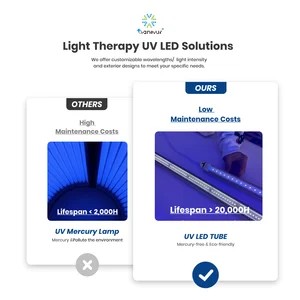
The structural paradigm shift from conventional medium-pressure mercury arc lamps to semiconductor solid-state UV LED systems.
The Minamata Convention on Mercury has accelerated the global phase-out of mercury-containing devices. Heavy industrial manufacturing is rapidly converting legacy printing, coating, and adhesive lines to solid-state UV LED systems to bypass environmental hazards and operational disposal costs.
Conventional UV lamps require constant idling power and produce significant infrared heat. UV LED systems run on instantaneous on/off cycles, generating zero warm-up times and up to 75% reduction in electricity demand, directly lowering factory overheads.
Legacy systems transfer extreme heat onto cured substrates. LED systems emit monochromatic, narrow-band UV spectra with minimal thermal projection, allowing processing of highly sensitive, ultra-thin polymer films, paper, and delicate electronics.
Providing engineered systems across medical, automotive, aerospace, microelectronics, and continuous high-speed printing.
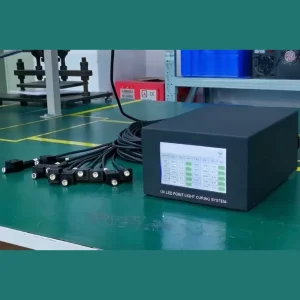
In high-density PCB printing, semiconductor packaging, and micro-optics bonding, dimensional stability is paramount. Our air-cooled spot and flood UV LED systems cure adhesives under strict wavelength limits (typically 365nm), locking micro-components in place without thermal expansion errors. This is crucial for cameras, display drivers, and automated guided vehicles (AGV).
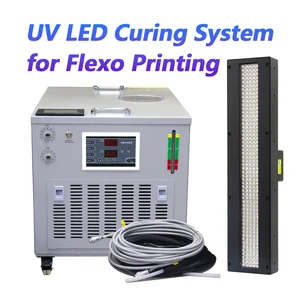
Continuous-web flexographic printers require instant polymer cross-linking to prevent dot gain and ink bleeding at speeds over 200m/min. LumiCure's high-intensity water-cooled systems deliver up to 20W/cm² of peak irradiance, ensuring deep and complete cure profiles across varnish layers and high-opacity pigments.
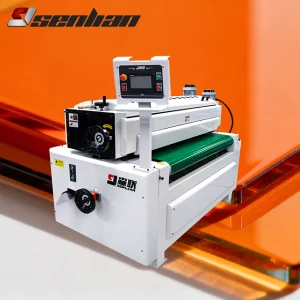
Large-format roller glass coating systems utilize UV-curable protective layers. Precision glass substrate manufacturing (such as solar cell cover sheets) needs robust automated equipment to distribute uniform UV light across vast surfaces, securing mechanical protection against scratch and chemical degradation.
Strict regulatory protocols govern medical equipment fabrication. Catheters, needles, and fluid lines rely on clean UV adhesive bonding. LumiCure’s systems provide precise PLC feedback to ensure every batch receives the exact energy density (J/cm²) required, fulfilling international quality assurance records.
Modern formulations often require a dual-wavelength cure strategy. Combining 365nm (for surface tack-free curing) and 395nm (for deep depth of cure) prevents oxygen inhibition, optimizing overall product toughness.
Mapping the future development of solid-state UV illumination, optoelectronics integration, and intelligent factory systems.
Improving semiconductor GaN die designs to push output beyond 25 W/cm² for narrow-focus arrays, catering to ultra-high-speed printing networks.
Integrating real-time irradiance degradation tracking and closed-loop control feedback directly into central factory SCADA structures.
Expanding the wavelength envelope down to 265nm–280nm ranges to accommodate inline germicidal sterilization requirements.
Implementing addressable LED pixel arrays to dynamically match target shapes, reducing wasted energy in non-critical curing zones.
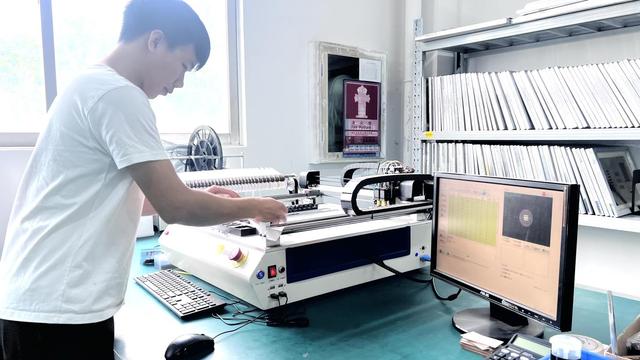
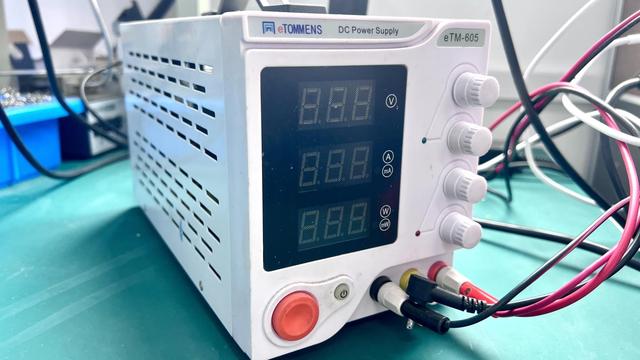
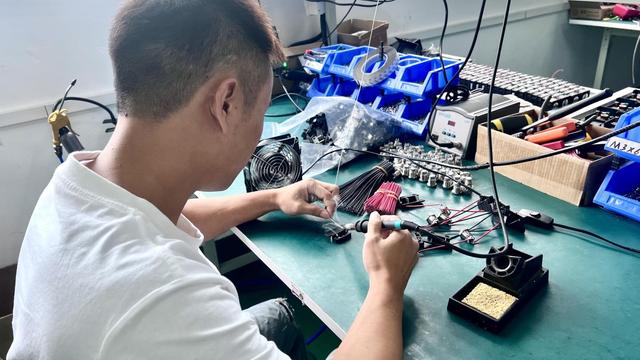
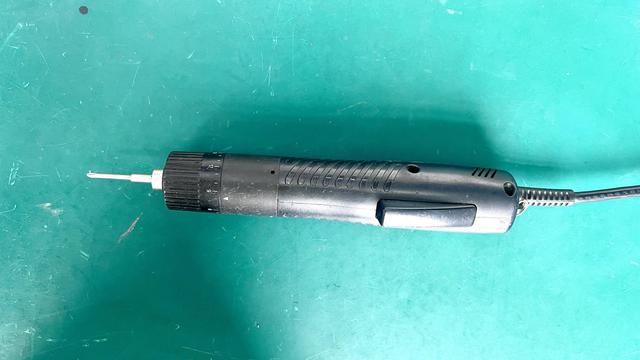
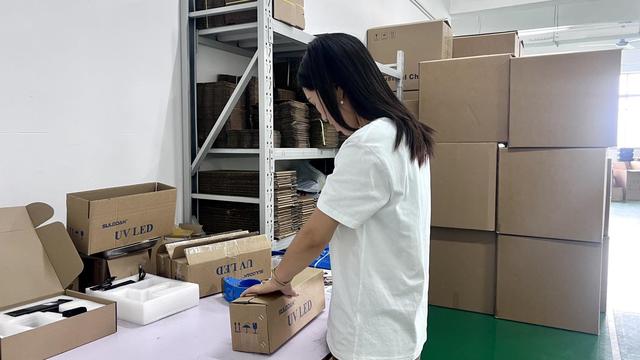
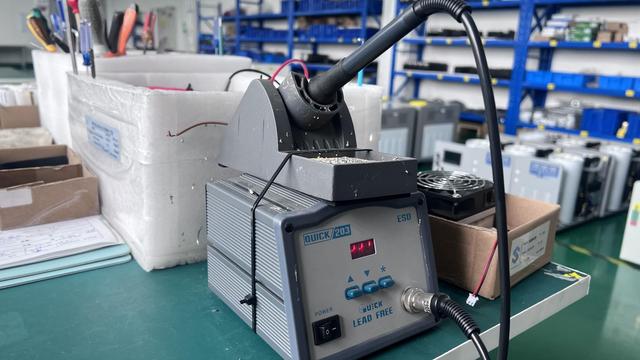
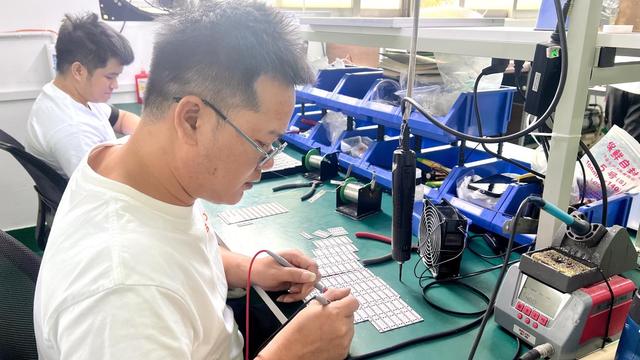
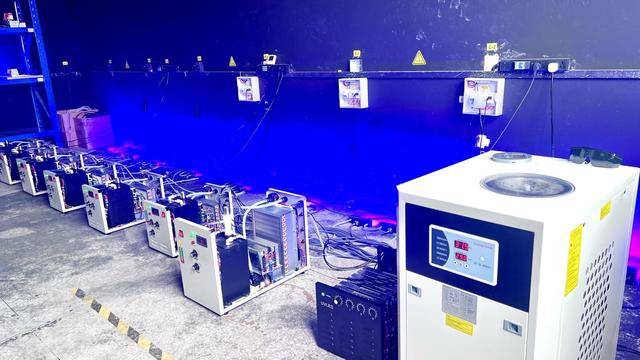
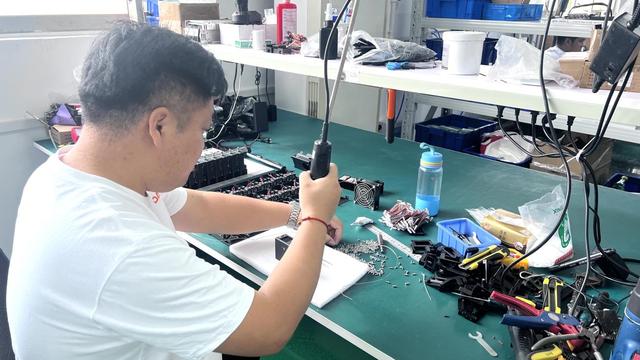
Inside LumiCure's state-of-the-art facilities, R&D departments, and optical test laboratories.
Every industrial unit manufactured at our facilities undergoes intense thermal stresses and optical calibration routines. This guarantees stable radiation across 20,000+ hours of service. We analyze thermal dissipation profiles using high-resolution infrared thermal imaging, maintaining diode junction temperatures within the margins needed for long-term consistency.
Answers to critical integration, operating, and technical design questions faced by production engineers.
Selection depends entirely on the absorption spectra of the photoinitiators within your coating, ink, or adhesive formulation. 365nm light is highly effective for shallow surface curing and optical clarity. 395nm and 405nm wavelengths offer deeper penetration profiles, making them suitable for heavily pigmented inks, thick adhesive lines, and multi-layered coatings.
Unlike mercury bulbs, UV LEDs release heat conductively through their backplane. If the junction temperature exceeds specified limits, radiant output decays rapidly and life expectancy decreases. Utilizing high-efficiency liquid or forced air heat sinks protects output levels and ensures stable cross-linking densities over time.
Yes. Our custom-engineered mounting rails and compact driver housings allow our products to integrate directly into existing presses. By utilizing customizable PLC driver modules, the LED light intensity can automatically scale in sync with line speeds.
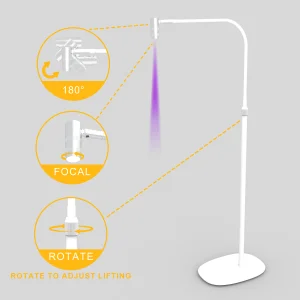
Specialized light-source systems for laboratories, offset, flexo testing, and delicate cosmetic applications.
 LumiCure Light