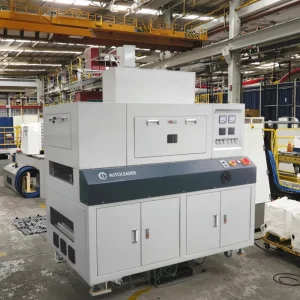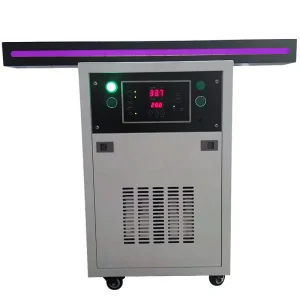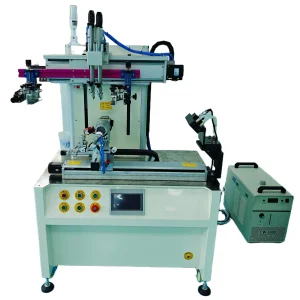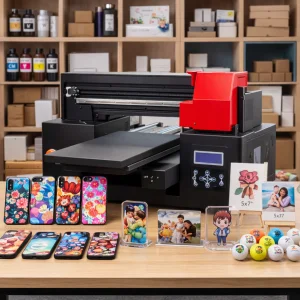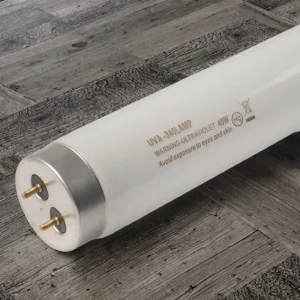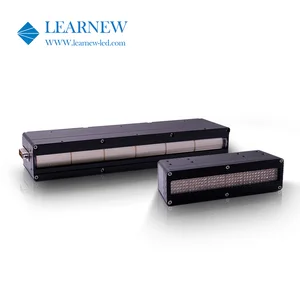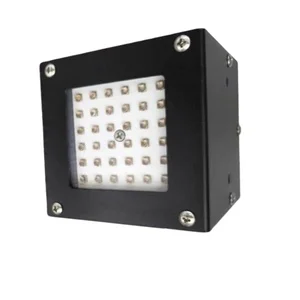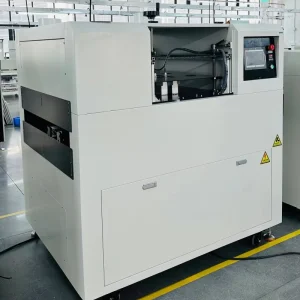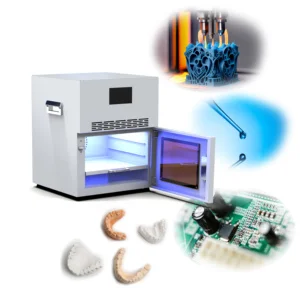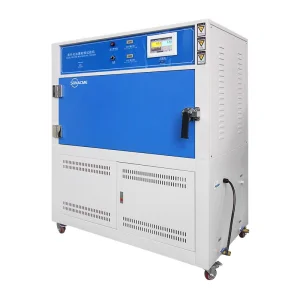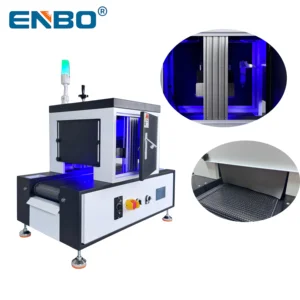
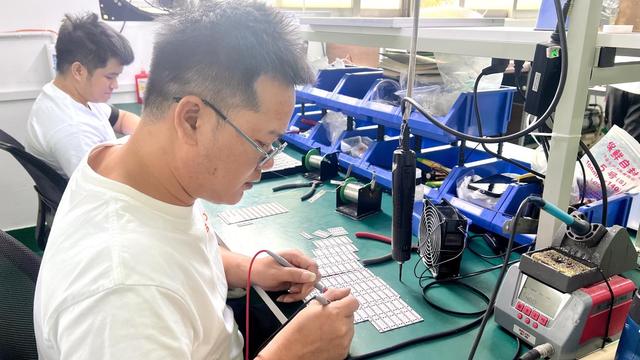
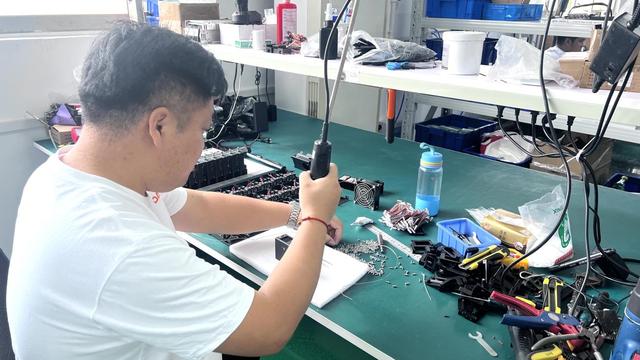
Dongguan LumiCure Light Co., Ltd. is a professional China UV LED curing lamp manufacturer specializing in the research, development, production, and supply of industrial UV curing systems and customized UV LED solutions. With a strong focus on innovation, quality, and customer satisfaction, LumiCure has become a trusted partner for manufacturers worldwide seeking efficient and reliable curing technologies.
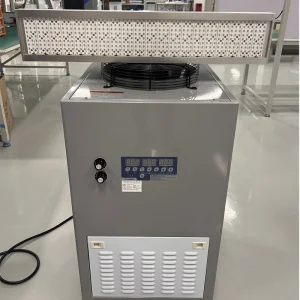
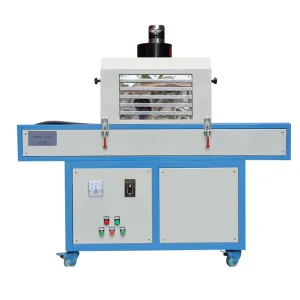
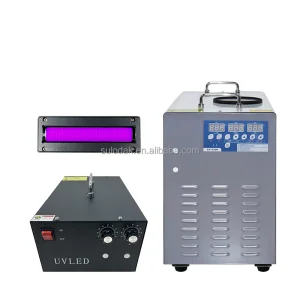
Our product range includes UV LED curing lamps, UV LED spot curing systems, flood curing lamps, conveyor UV curing machines, UV LED modules, printing curing systems, adhesive curing equipment, and customized industrial UV solutions. These products are widely applied in printing, electronics assembly, semiconductor packaging, optical bonding, automotive manufacturing, medical devices, 3D printing, and various precision industrial processes.
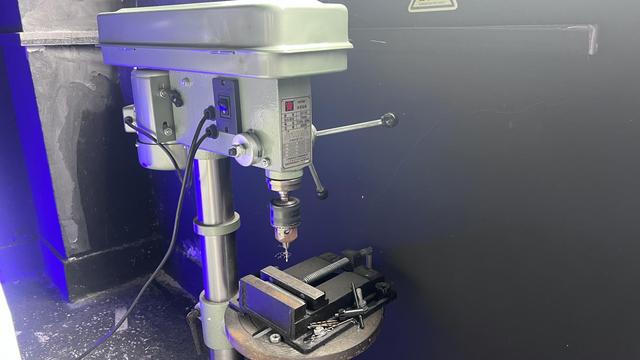
Backed by an experienced engineering team and advanced manufacturing facilities, LumiCure is committed to developing energy-saving and environmentally friendly UV curing technologies. Our products feature high curing efficiency, precise wavelength output, long service life, low maintenance requirements, and intelligent control capabilities, helping customers improve productivity while reducing operating costs.
Quality remains the foundation of our business. Every product undergoes rigorous testing and strict quality control procedures throughout the manufacturing process to ensure consistent performance and reliability. We also provide comprehensive OEM and ODM services, enabling customers to customize products according to their specific technical and application requirements.
Serving clients across Europe, North America, Asia, the Middle East, and other global markets, Dongguan LumiCure Light Co., Ltd. continues to deliver innovative UV LED curing solutions that support sustainable and efficient industrial manufacturing.
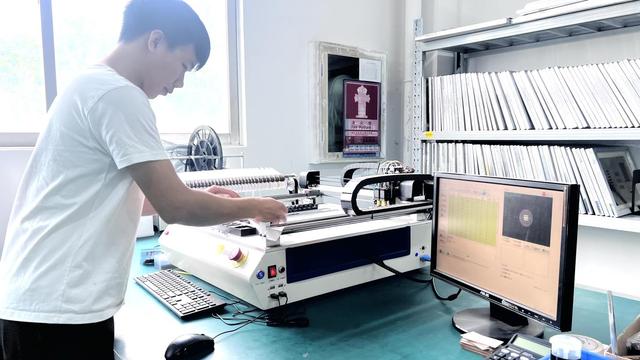
The global industrial printing and curing sector is undergoing a rapid transition from traditional mercury lamps to advanced solid-state LED systems. China, and specifically the Dongguan industrial cluster, represents the absolute frontier of this manufacturing shift.
From die-bonding and chip-on-board (COB) packaging to precision optical lens manufacturing and aluminum alloy extrusion, the complete ecosystem is located within a 50km radius. This guarantees unparalleled prototype speed and component availability.
Unlike Western manufacturers who focus purely on catalog-standard configurations, Chinese factories like LumiCure offer agile design customization. Wavelength matching, special form-factor structures, and hybrid PLC integration are handled cost-effectively.
By leveraging mass production of high-power UV chips (365nm, 385nm, 395nm, 405nm), we deliver superior radiometric peak irradiance per unit cost compared to international counterparts without compromising chip lifespan.
L70 Semiconductor Lifespan
Peak Curing Intensity
Energy Cost Reduction vs Mercury
Ozone Emissions & Mercury Waste
Industrial inks and functional adhesives require specific photon energies to activate photoinitiators. While traditional systems rely on broad-spectrum mercury outputs, modern UV LED tech achieves cross-linking polymerization via targeted peak wavelengths.
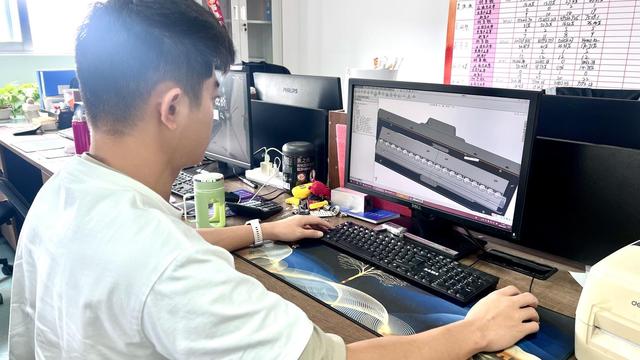
At LumiCure, our engineering team constructs custom Chip-on-Board (COB) micro-arrays combining 365nm (deep curing for glass and metal adhesives), 395nm (high-speed surface ink curing), and 405nm (deep penetration in thick coatings or dental/medical resins). This spectral customization ensures perfect curing without over-heating substrate surfaces, rendering it ideal for heat-sensitive plastics and thin films.
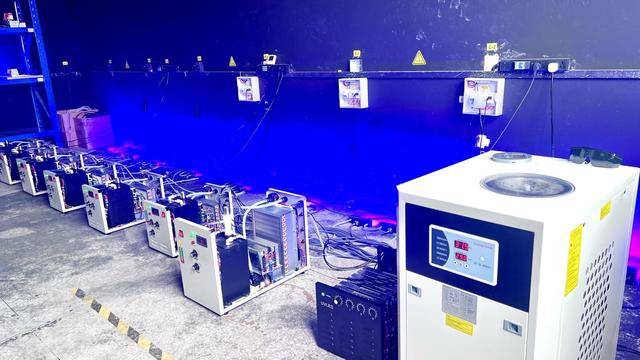
Furthermore, advanced liquid-cooled and intelligent air-cooled thermal dissipation designs keep junction temperatures below 60°C, guaranteeing consistent spectral output and zero chip decay during long production runs.
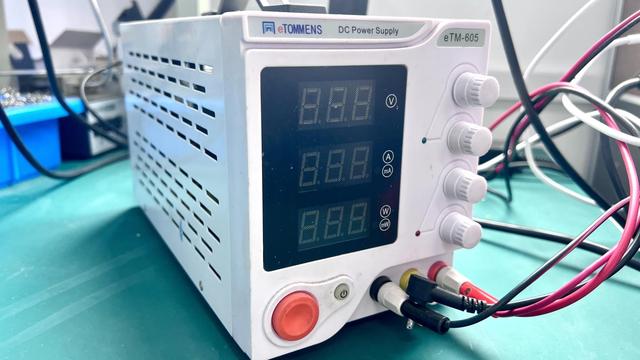
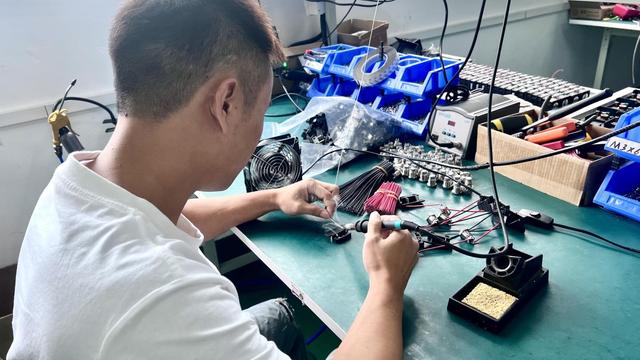
Several key macro trends are driving the replacement cycle of industrial curing lamps:
When selecting a Chinese UV LED OEM/ODM supplier, global enterprise buyers must prioritize:
1. What is the standard lifespan of your UV LED curing arrays, and what causes output decay?
Our UV LED arrays have an operational lifespan (L70) exceeding 20,000 hours under standard conditions, compared to only 800 to 1,500 hours for conventional mercury vapor lamps. The primary cause of LED decay is heat. High temperatures degrade the semiconductor junction and yellow the protective optical encapsulation. This is why LumiCure designs advanced liquid-cooled blocks and active thermal protection circuits that automatically throttle output if ambient temperatures rise beyond safety levels.
2. How does 365nm compare to 395nm wavelength outputs for industrial printing and adhesive bonding?
The 365nm wavelength provides high photon energy, which is ideal for deep penetration and chemical bonding inside thick epoxy adhesives, clear lacquers, and semiconductor packaging components. The 395nm wavelength is the industry standard for surface curing of UV inks and coatings in graphic printing. It penetrates heavily pigmented inks effectively without generating extreme heat, making it safer for plastic film substrates. We also design hybrid solutions that combine both wavelengths into a single module to capture the benefits of each.
3. Can your UV LED control boards integrate directly into existing OEM manufacturing setups?
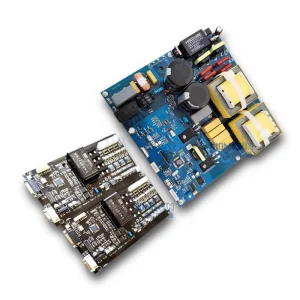
Yes. Our intelligent power supply units (PSUs) and control boards support digital PLC integration via standard RS485 communication protocols (such as Modbus), analog control (0-10V, 4-20mA), or discrete digital inputs. This allows industrial printer manufacturers to synchronize the curing light output with the printing carriage motion, turning the light on/off instantly or adjusting the intensity dynamically to match the line speed.
4. What customization options are available under OEM/ODM service?
LumiCure provides complete structural, mechanical, electrical, and optical customization. This includes custom emitting window lengths (from 10mm spot sources to 2000mm+ wide line arrays), specialized lens arrays to adjust focal distance and intensity profile, custom multi-wavelength configurations, and bespoke external enclosures designed to mount directly onto specific industrial printers or robot arms.
 LumiCure Light