High-performance custom wavelengths and optical curing technologies optimized for absolute efficiency and reliability
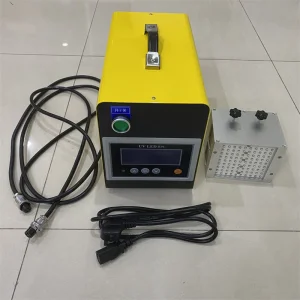
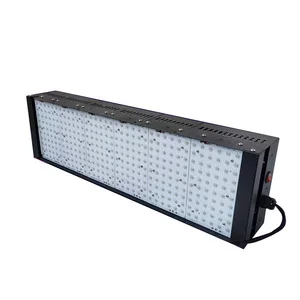
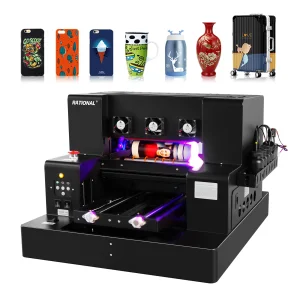
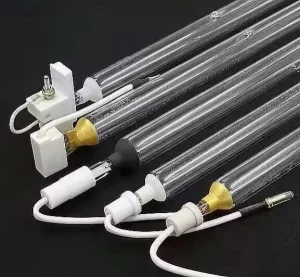
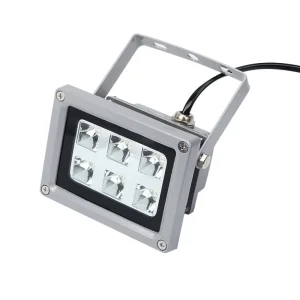
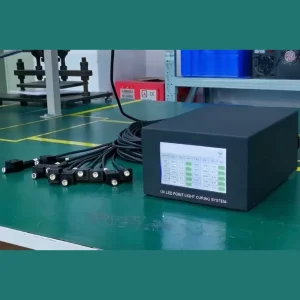
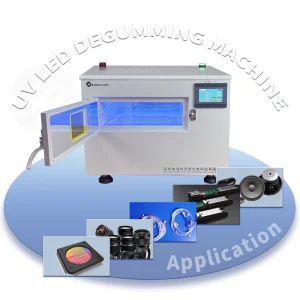
Dongguan LumiCure Light Co., Ltd. is a professional China UV LED curing lamp manufacturer specializing in the research, development, production, and supply of industrial UV curing systems and customized UV LED solutions. With a strong focus on innovation, quality, and customer satisfaction, LumiCure has become a trusted partner for manufacturers worldwide seeking efficient and reliable curing technologies.
Our comprehensive product portfolio includes industrial UV LED curing lamps, high-intensity spot curing systems, uniform flood curing systems, automated conveyor machines, custom wavelength LED modules, high-speed printing curing integrations, and tailor-made optoelectronic solutions. These state-of-the-art technologies are crucial across automotive, optical bonding, advanced semiconductors, medical devices, high-speed graphic offset printing, and precision electronics.
Backed by an experienced engineering team and advanced manufacturing facilities, LumiCure is committed to developing energy-saving and environmentally friendly UV curing technologies. Our products feature high curing efficiency, precise wavelength output, long service life, low maintenance requirements, and intelligent control capabilities, helping customers improve productivity while reducing operating costs.
Evaluating manufacturers on critical optoelectronic performance metrics, thermal dissipation systems, and chip packaging intelligence.
Leading factories utilize top-tier epitaxial wafers (e.g., San'an, Epistar) to guarantee narrow FWHM (Full Width at Half Maximum) curves of less than 10nm. This prevents parasitic infrared heat and ensures targeted energy delivery.
Thermal management is the cornerstone of lifetime consistency. Utilizing direct copper bonding (DCB) and thermoelectric cooling (TEC) keeps junction temperatures (Tj) below 65°C, eliminating degradation risks.
Modern factories must support PLC integration, real-time closed-loop radiometric feedback (photodiode sensors), and precise multi-channel dimming capabilities to adjust UV output based on line speeds.
| Evaluation Parameter | Tier 1 (e.g. LumiCure Benchmark) | Tier 2 Manufacturers | Impact on Industrial Assembly |
|---|---|---|---|
| Wavelength Tolerance | ± 2 nm (365/385/395/405 nm) | ± 10 nm | Ensures uniform photoinitiator absorption and eliminates under-curing. |
| Thermal Resistance (Rth) | < 0.15 °C/W (Aln Copper Substrates) | > 0.5 °C/W (Standard FR4/Alum) | Directly impacts LED lifespan and keeps degradation under 5% over 10k hours. |
| Peak Irradiance Output | Up to 24 W/cm² (Water Cooled) | 4 - 8 W/cm² max | Enables high-speed curing for offset presses (500+ t-shirts/hr or 300m/min print lines). |
| Optical Uniformity | > 92% across exposure area | < 75% uniformity | Prevents differential curing shrinkage, warp, and adhesive failure. |
A look at the continuous transition from traditional mercury arc lamps to modern solid-state UV LED technology.
Widespread shift from discrete surface-mount devices (SMD) to direct high-density COB packaging, reducing thermal resistance by 40% and raising energy densities past 12 W/cm².
Integration of 365nm and 395nm chips onto a single substrate. This configuration improves surface tack curing while securing deep-layer polymer cross-linking.
Using micro-lens arrays (MLA) to achieve high optical collimation (half-angle <10°), paired with AI-driven optical sensors for real-time dosage adjustments.
How specialized UV LED modules optimize manufacturing processes across diverse industrial sectors.
Modern printing presses operate at speeds exceeding 250 meters per minute. High-power, water-cooled 395nm UV modules deliver instantaneous curing energy to secure ink adhesion without transferring damaging heat to thin plastic film substrates.
For smartphones, display modules, and camera assemblies, low-temperature 365nm UV spot lamps provide precise, narrow-beam optical output. This cures structural adhesives in milliseconds without warping delicate components.
Backgrinding and dicing tapes require uniform UV exposure to reduce adhesive strength before peel-off. Collimated UV LED light arrays provide the consistent dosage needed across the entire silicon surface to prevent mechanical stress damage.
How manufacturing hubs like Dongguan streamline raw materials, sub-assembly logistics, and strict quality control.
Dongguan's concentrated electronic ecosystem ensures quick access to top-tier LED drivers, CNC water blocks, optical quartz glass, and control boards, keeping production lead times under 15 days.
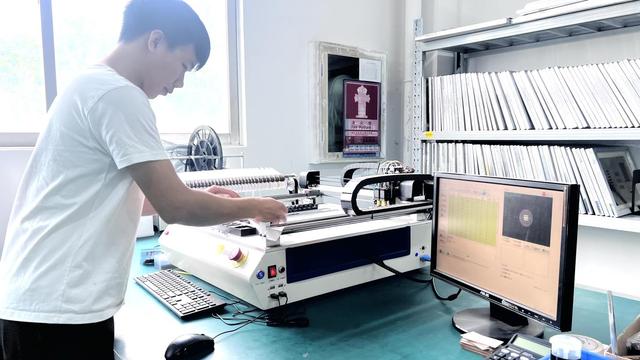
High-speed, automated pick-and-place lines position LED chips with micron-level accuracy onto ceramic substrates. This precise positioning is critical for uniform heat transfer and light output.
Every module undergoes rigorous spectrometer validation to check target wavelength accuracy, along with thermal imaging tests to confirm uniform cooling across all LED clusters.
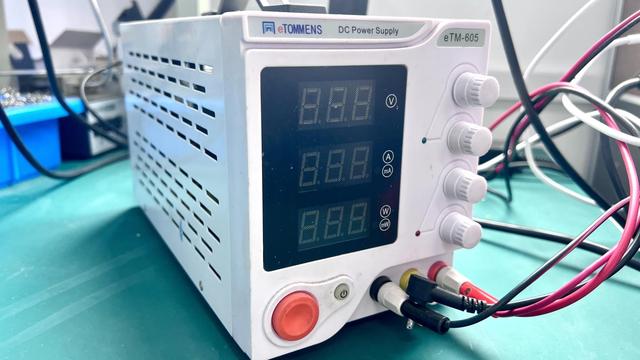
Before shipment, modules undergo 72 hours of continuous high-load testing to prevent early diode failures. This testing guarantees long-term operational reliability in demanding production environments.
Key checkpoints for optical integration and procurement engineers when evaluating custom UV LED module designs.
Verify the optical power density ($W/cm^2$) at specific distances using a calibrated radiometer. Avoid relying solely on electrical power ($W$) consumption, which does not reflect actual curing intensity.
Assess cooling requirements. Systems running above 10 W/cm² generally require water cooling with closed-loop chillers to protect chip integrity. Lower power applications can use compact air-cooled heat sinks.
Ensure the driver supports analog (0-10V), RS485 Modbus, or digital I/O controls. These communication standards are necessary for PLC automation and modern manufacturing execution systems (MES).
Replacing traditional mercury vapor systems with energy-efficient, eco-friendly UV LED technology.
Dongguan LumiCure ensures all manufactured systems comply with major international regulatory standards:
CE & RoHS Certification: Guarantees electrical safety, electromagnetic compatibility, and restriction of hazardous substances.
UL/CSA & FCC Standards: Provides peace of mind for North American industrial deployments by meeting strict electrical codes and RF emission limits.
Additionally, we offer localized technical support and engineering consultations in the EU, Americas, and across Asia to assist with mechanical integration, custom optical design, and field retrofitting.
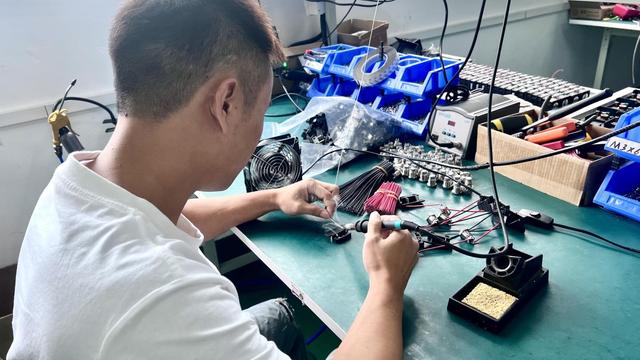
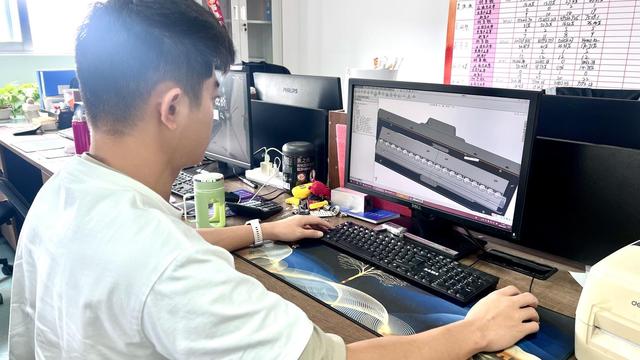
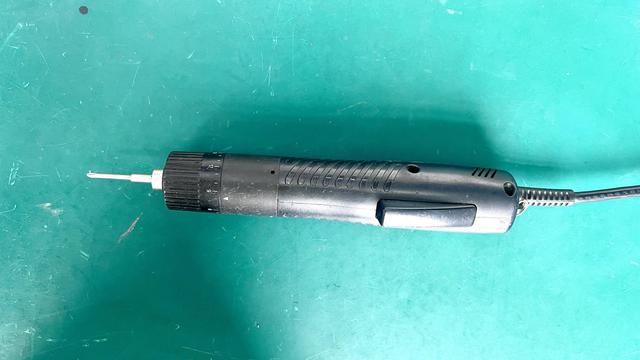
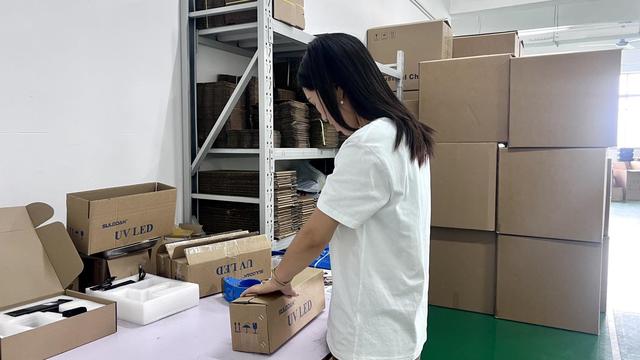
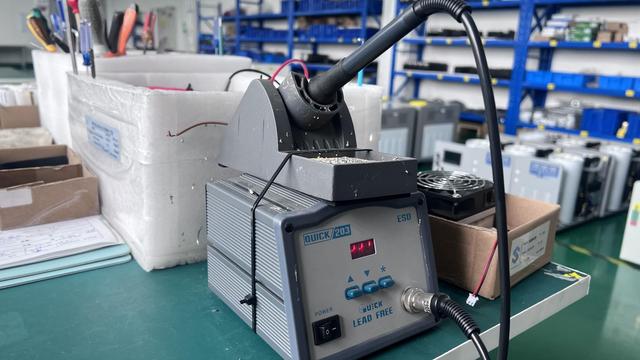
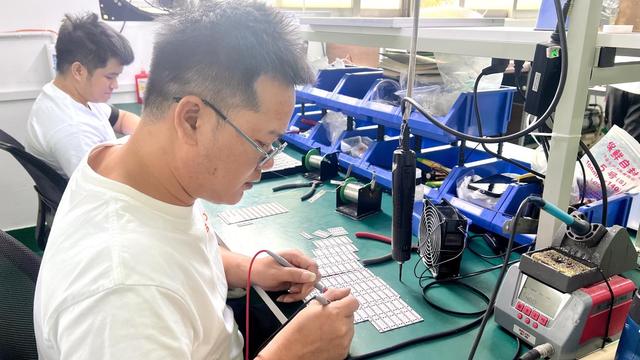
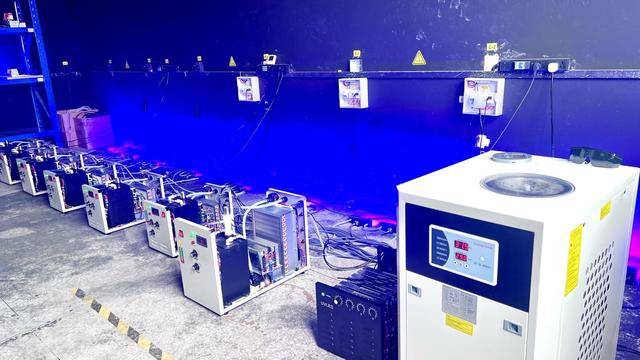
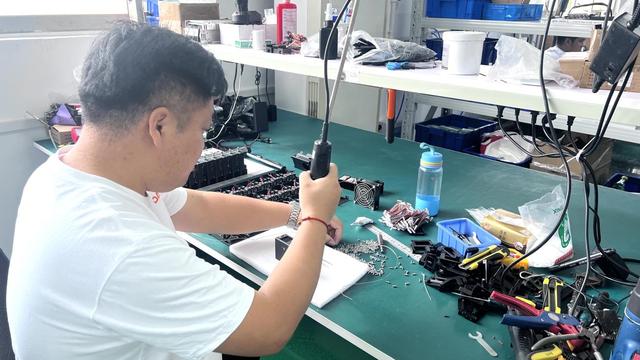
Explore our engineering facilities, quality testing labs, and industrial UV module sub-assemblies.
Get authoritative answers to complex technical questions about industrial UV LED systems.
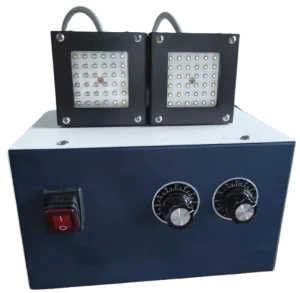
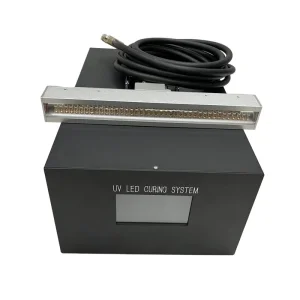
Engineered for integration into advanced industrial processes and high-throughput production lines
 LumiCure Light