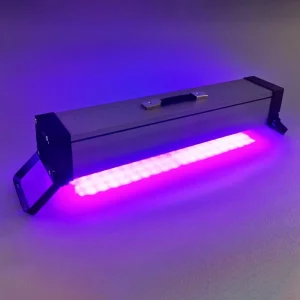
Engineered for high-intensity output, dynamic process synchronization, and longevity across automotive assembly, electronics, printing, and medical device manufacturing.
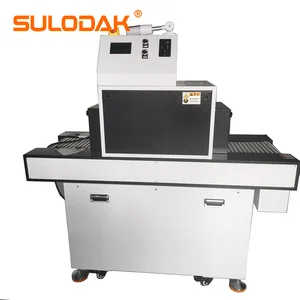
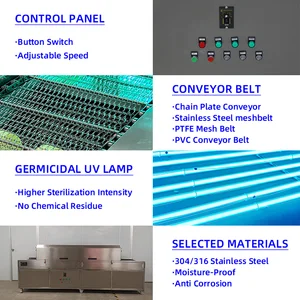
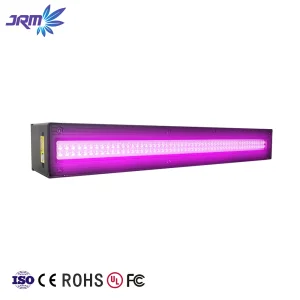
The industrial manufacturing sector is experiencing a monumental transformation. Traditional medium-pressure mercury vapor lamps, which once dominated cross-linking and photopolymerization processes, are being rapidly phased out. In their place, solid-state UV LED curing automation has emerged as the definitive benchmark. This technological pivot is driven by the global mandate for carbon neutrality, strict regulatory bans on toxic heavy metals (such as mercury under the Minamata Convention), and the commercial demand for process control and repeatability.
In high-speed production environments—such as flexographic printing lines, automotive adhesive dispensing, and semiconductor wafer dicing tape release—thermal load control is critical. Unlike mercury lamps, which emit a wide spectrum of infrared light that can warp thin substrates and damage heat-sensitive electronic components, UV LED modules emit a narrow, targeted band of ultraviolet light. This monochromatic emission profiles a cold curing cycle, allowing for higher precision, zero thermal deformation, and reduced mechanical failures on assembly lines. Consequently, the integration of automation with UV LED systems has transformed from a niche efficiency upgrade to a mandatory standard for global tier-one supply chains.
Concentrating energy output precisely at target wavelengths (365nm, 385nm, 395nm, or 405nm) to maximize the reaction rate of matching photoinitiators, minimizing wasted thermal output.
Designed for immediate on/off states, seamlessly integrating with high-speed automated robotic arms and PLC controllers without the need for preheating cycles or mechanical shutters.
Zero mercury emissions and zero ozone generation. Substantially reduces energy bills by up to 80% and mitigates high-voltage workspace hazards.
For international procurement teams, the decision of where to source industrial UV LED equipment hinges on a critical balance: customization flexibility, engineering capacity, component reliability, and unit economics. South China—specifically the Dongguan and Shenzhen industrial corridors—hosts the world's most concentrated optical, electronic, and structural engineering supply chain ecosystem. This proximity allows manufacturers like Dongguan LumiCure Light Co., Ltd. to optimize every stage of development, translating directly into competitive advantages for clients in the West, APAC, and the Middle East.
The core structural advantages that enable China's factories to deliver high-performance curing systems include:
Exploring how top-tier manufacturers configure localized UV LED automation arrays across diverse, specialized industry applications.
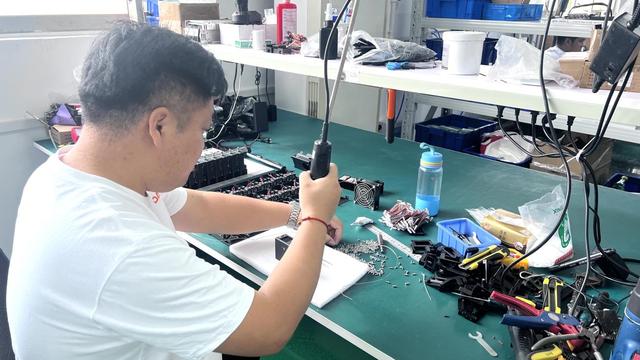
In electronics manufacturing services (EMS), components are increasingly miniaturized. High-density UV LED spot and flood modules bond camera lenses, seal smart-device touchscreens (LOCA), and cure conformal protective coatings on PCBs. Automated systems use custom-timed, high-irradiance spots to achieve structural cross-linking in under 2 seconds, ensuring zero damage to delicate surrounding electronics.
Automotive assembly demands extreme structural integrity. UV LED curing systems are integrated into automated robotic cells to cure headlamp lenses, secure dashboard display panels, and process physical vapor deposition (PVD) anti-scratch coatings on external trims. Uniform optical output avoids uneven curing margins, guaranteeing long-term resistance against environmental stress.
The manufacturing of catheters, syringes, and endoscopes mandates clean-room compliance and reliable adhesion. LumiCure's high-intensity UV LED systems feature narrow-band spectrums (typically 365nm) to cure medical-grade adhesives cleanly, eliminating outgassing, guaranteeing stable cross-linking density, and maintaining structural integrity under sterilization cycles.
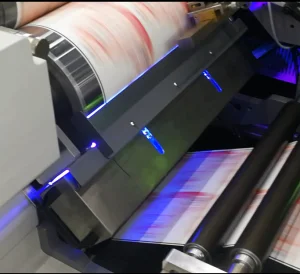
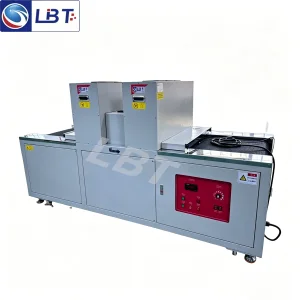
High-speed commercial printing presses (flexographic, digital inkjet, and offset) rely on automated inline UV LED dryers to instantly dry inks and overprint varnishes (OPV) on paper, cardboard, and flexible films. Automated conveyor ovens and wide-format modules operate at speeds exceeding 200 meters per minute, synchronizing output intensity with speed changes to ensure optimal drying without scorching.
When procurement directors evaluate prospective UV LED suppliers, looking beyond base unit pricing to inspect deep technical metrics is critical to ensuring operational reliability. Lower-tier manufacturers often inflate peak intensity numbers without disclosing structural decay profiles under high temperature conditions.
Irradiance, measured in Watts per square centimeter ($W/cm^2$), dictates the system's ability to trigger the photo-polymerization reaction. However, the cumulative UV energy transferred to the substrate over time, known as Energy Density or Dosage ($J/cm^2$), is what ensures a complete, deep-layer cure. Selecting a partner that provides customized lens arrays (concentrated spot, standard flood, or collimating lenses) to align with specific line speeds is crucial.
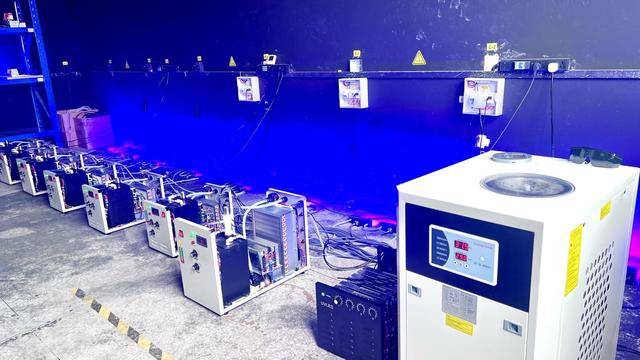
Excessive heat is the primary failure mode of LED junctions. An automated supplier must prove the efficiency of their thermal dissipation setup. High-power systems above $10 W/cm^2$ should employ water cooling with micro-channel fluid pathways, precise pressure sensors, and automatic interlocks. Air-cooled systems require balanced thermal ducting, noise-optimized high-pressure fans, and highly conductive copper clad laminates.
Different chemical formulations (adhesives, paints, coatings) feature varying optical penetration depths. For instance, a 365nm wavelength provides excellent surface curing but limited depth penetration, whereas a 395nm or 405nm wavelength penetrates deeper. Advanced suppliers like LumiCure offer customizable multi-wavelength arrays to trigger both surface and depth curing simultaneously within the same exposure zone.
A Leading Authority in High-Precision UV LED Engineering & Custom Manufacturing
Dongguan LumiCure Light Co., Ltd. is a professional China UV LED curing lamp manufacturer specializing in the research, development, production, and supply of industrial UV curing systems and customized UV LED solutions. With a strong focus on innovation, quality, and customer satisfaction, LumiCure has become a trusted partner for manufacturers worldwide seeking efficient and reliable curing technologies.
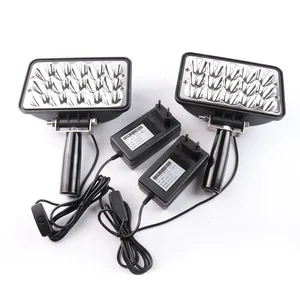
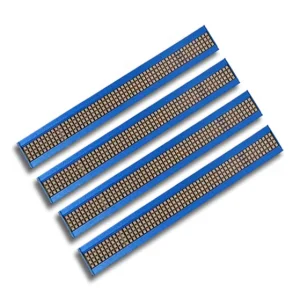
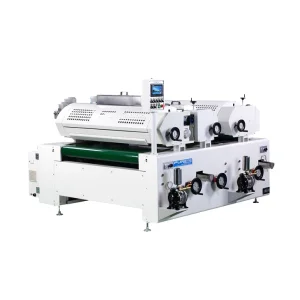
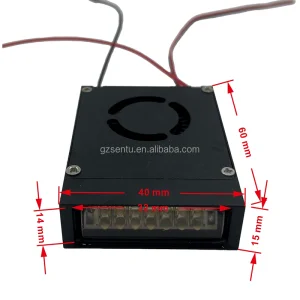
Our product range includes UV LED curing lamps, UV LED spot curing systems, flood curing lamps, conveyor UV curing machines, UV LED modules, printing curing systems, adhesive curing equipment, and customized industrial UV solutions. These products are widely applied in printing, electronics assembly, semiconductor packaging, optical bonding, automotive manufacturing, medical devices, 3D printing, and various precision industrial processes.
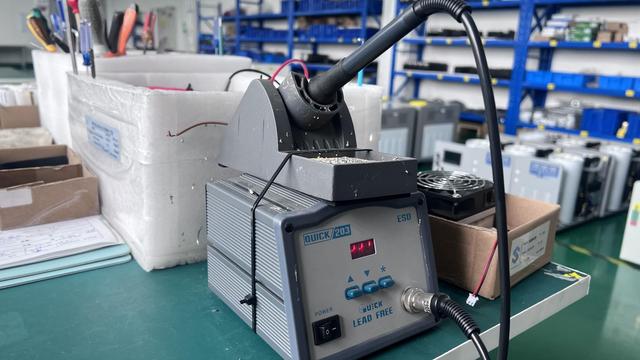
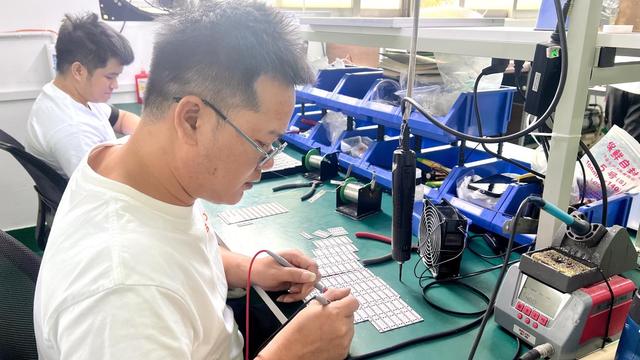
Backed by an experienced engineering team and advanced manufacturing facilities, LumiCure is committed to developing energy-saving and environmentally friendly UV curing technologies. Our products feature high curing efficiency, precise wavelength output, long service life, low maintenance requirements, and intelligent control capabilities, helping customers improve productivity while reducing operating costs.
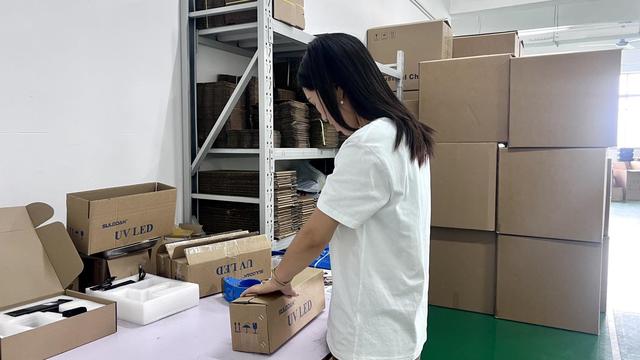
Quality remains the foundation of our business. Every product undergoes rigorous testing and strict quality control procedures throughout the manufacturing process to ensure consistent performance and reliability. We also provide comprehensive OEM and ODM services, enabling customers to customize products according to their specific technical and application requirements.
Serving clients across Europe, North America, Asia, the Middle East, and other global markets, Dongguan LumiCure Light Co., Ltd. continues to deliver innovative UV LED curing solutions that support sustainable and efficient industrial manufacturing.
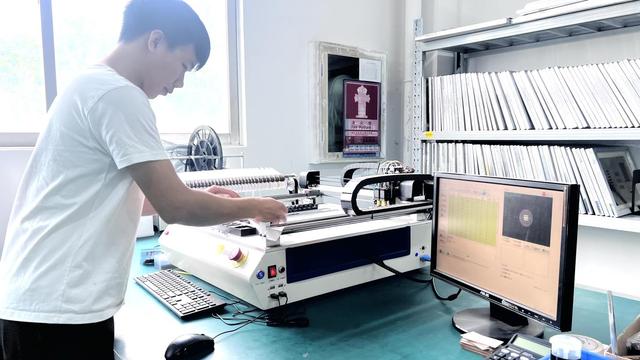
As smart factories embrace Industry 4.0 paradigms, the role of UV LED curing units is expanding. Emerging trends focus on integrating intelligence directly into the optical heads and power supplies:
Authoritative, engineering-focused answers to guide your procurement and system integration processes.
The optimal wavelength depends on the formulation of the photoinitiator in your ink, coating, or adhesive, as well as the thickness and opacity of the substrate. A wavelength of 365nm is standard for surface curing, thin coatings, and transparent glass/plastic bonding. Diodes at 385nm and 395nm offer a balance of deep curing and surface drying, making them common in industrial printing. The 405nm wavelength is ideal for opaque materials, deep potting, and thick layers of structural adhesive, as it penetrates deeper into the compound.
UV LED systems are highly energy-efficient, lowering power consumption by up to 80%. Unlike mercury lamps, which require preheating and cooling cycles, UV LEDs feature instant on/off control. They emit a narrow band of ultraviolet light without infrared radiation, preventing heat damage to temperature-sensitive substrates. Additionally, UV LEDs are environmentally friendly, containing no mercury, and emit no ozone during operation.
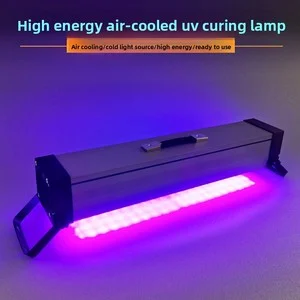
Air-cooled systems use heat pipes and high-pressure fans, offering a compact, cost-effective, and low-maintenance design suitable for light-to-medium-duty curing lines (under $10 W/cm^2$). In contrast, water-cooled systems use a closed-loop chiller to circulate coolant through copper blocks on the LED PCB. This design is essential for high-intensity, continuous operations (over $12 W/cm^2$) because it maintains consistent diode temperatures, prevents optical decay, and extends the lifespan of the equipment in enclosed clean-room environments.
Yes, retrofitting is highly feasible. Because UV LED heads are compact and do not require large mechanical shutters, they integrate easily into limited spaces on existing printing, coating, or assembly lines. Their electronic systems interface directly with industrial PLCs using Modbus, EtherNet/IP, or analog signals, allowing for instant synchronization with automated starts and stops.
A properly engineered UV LED array can operate for 20,000 to 30,000 hours, depending on thermal management and environmental conditions. This is significantly longer than traditional mercury lamps, which typically require replacement every 1,000 to 2,000 hours. The solid-state design ensures consistent performance and minimizes maintenance downtime over years of continuous operation.
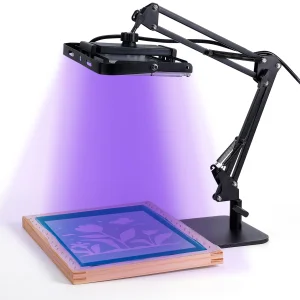
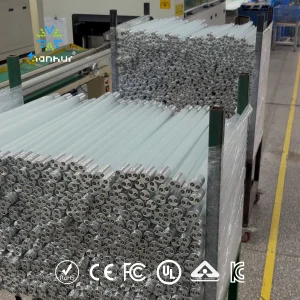
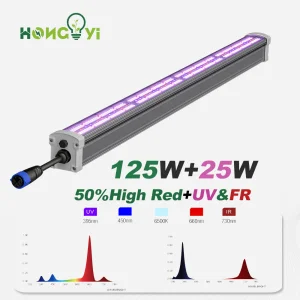
High-throughput dryers, exposure stands, localized modules, and specialized horticultural/agricultural lighting systems designed to meet demanding industrial and commercial specifications.
 LumiCure Light