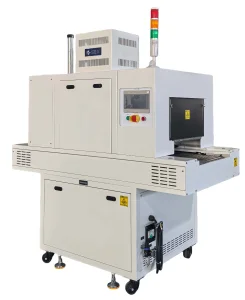
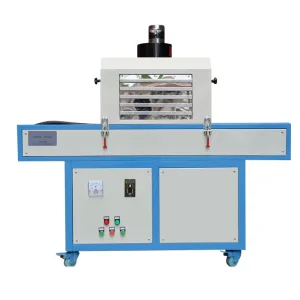
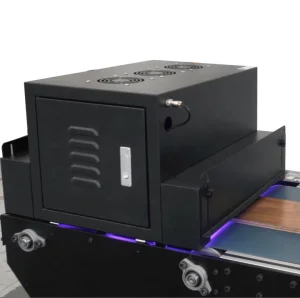
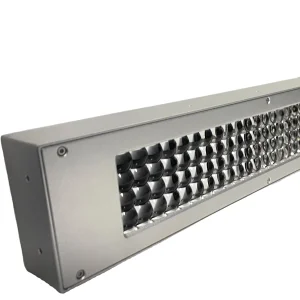
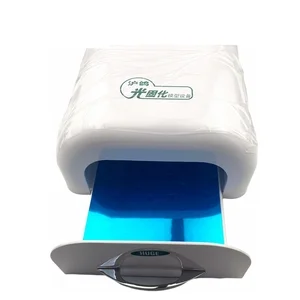
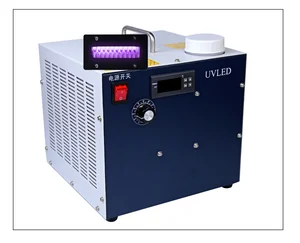
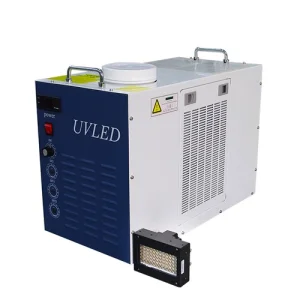
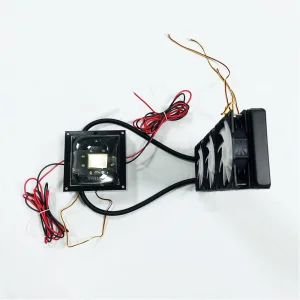
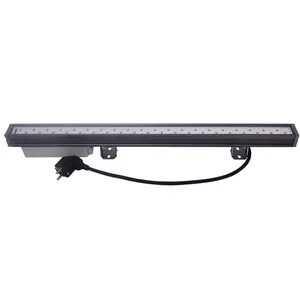
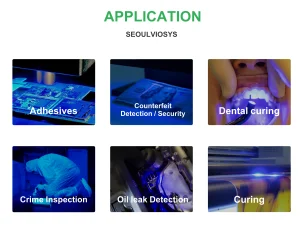
UV LED Curing System Manufacturer & Exporters Serving Fiji

Driving Fiji’s Print, Packaging, and Industrial Manufacturing Sectors with Low-Power, High-Performance Optoelectronic Innovations from China

Send Inquiry Now

The Evolving Landscape of Industrial UV LED Curing

The global manufacturing sector is undergoing a rapid technological migration from traditional gas-discharge mercury vapor lamps to solid-state UV LED (Ultraviolet Light Emitting Diode) curing systems. This transition is not merely a change in lighting equipment; it is a fundamental shift in thermal management, photopolymer chemistry, operational efficiency, and environmental compliance.

In traditional systems, UV curing relied on high-temperature mercury bulbs that required substantial warm-up times, consumed enormous amounts of electricity, and produced ozone, which necessitated complex extraction ducting. In contrast, modern UV LED systems provide instant-on capabilities, precise narrowband wavelengths (primarily centered at 365nm, 385nm, 395nm, or 405nm), and low thermal radiation, rendering them highly suited for heat-sensitive substrates such as thin polymer films, electronics, and delicate wood veneers.

Fiji’s Commercial & Industrial Context: Opportunities and Challenges

Fiji is the economic and logistics hub of the South Pacific. Its industrial landscape comprises growing beverage bottling industries, specialized food packaging, commercial signage, high-end resort furniture manufacturing, and agricultural testing laboratories. However, Fijian industrial operators face distinct regional challenges that demand highly engineered equipment solutions:

  • High Energy Costs: With electricity tariffs in Fiji influenced by importing heavy fuel oil (HFO) alongside seasonal hydroelectric power, reducing factory energy demand is critical for margin protection. Traditional UV curing ovens draw upwards of 15 kW to 30 kW per module; converting to energy-efficient LED modules drops this power footprint by up to 80%.
  • Tropical Climate Constraints: Fiji experiences high relative humidity and saline atmospheric conditions, particularly in coastal manufacturing centers in Suva, Lautoka, and Nadi. This aggressive environment speeds up the oxidation of low-grade metals and compromises electrical circuits. LumiCure's specialized encapsulation techniques and corrosion-resistant water-cooling pathways ensure long-term durability.
  • Isolated Supply Chains: Sourcing replacement bulbs for mercury systems can lead to weeks of downtime due to long shipping channels. UV LED curing systems eliminate this risk with operational lifespans exceeding 20,000 hours, virtually removing the need for frequent consumables.
80%
Power Consumption Drop
20k+
Hours Service Lifespan
100%
Mercury-free & Ozone-free
< 40°C
Substrate Temp Run Profile

Localized Application Scenarios in Fiji

To fully understand how UV LED technology integrates into Fiji's economy, we analyze four specific industrial scenarios where the transition to solid-state UV curing delivers immediate productivity gains:

1. Beverage & Cosmetic Bottle Labeling

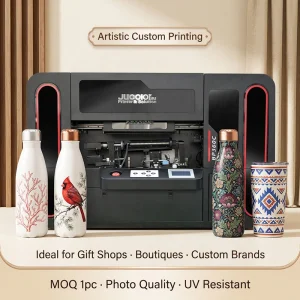
Fiji's premium mineral water exporter and local distilleries require high-fidelity direct-to-shape printing. Using 360-degree rotational UV printers equipped with water-cooled UV LED lamps guarantees instant, scratch-resistant ink polymerization on PET and glass bottles without distorting the plastic.

2. Sustainable Resort Wood Finishes

Premium architectural and resort wood flooring projects require coatings that withstand high foot traffic and tropical moisture. Modern roller coating lines equipped with customized high-intensity UV LED modules cure clear anti-scratch topcoats instantly, increasing throughput and minimizing VOC emissions.

3. Medical & Laboratory Research

Scientific research institutes and agricultural research labs in Fiji utilize specialized high-power UVB lights (such as 293nm lamps) for controlled photo-biological testing, environmental acceleration models, and active synthesis studies.

China's Advanced Manufacturing & Supply Chain Advantage

As a leading industrial manufacturer situated in Dongguan, China, Dongguan LumiCure Light Co., Ltd. leverages a highly optimized local ecosystem of optoelectronics suppliers, advanced CNC machining facilities, and state-of-the-art SMT (Surface Mount Technology) assembly centers.

This proximity to raw materials and engineering talent enables us to maintain strict quality standards while offering price points that make importing into Fiji economically viable. Our testing facility subjects every UV LED system to persistent thermal stresses and radiometric checks, ensuring that peak irradiance output matches our documentation. This level of quality management reduces configuration risks for international buyers who cannot afford equipment failure in remote operating areas.

Global Technology Trends: What Procuring Organizations Need to Know

Modern procurement managers look beyond initial purchase prices, focusing instead on total cost of ownership (TCO) and systems integration capability. Key trends shaping the purchase of industrial UV LED curing systems include:

  • Dual-Wavelength Capabilities: Blending distinct wavelengths (e.g., 365nm and 395nm) within a single LED module to cure both deep substrate layers and thin surface coats simultaneously.
  • Intelligent PLC Systems: Integrating curing units with digital interfaces (RS485, CAN bus, or Modbus) to synchronize lamp output with printer carriage speeds and track thermal telemetry in real time.
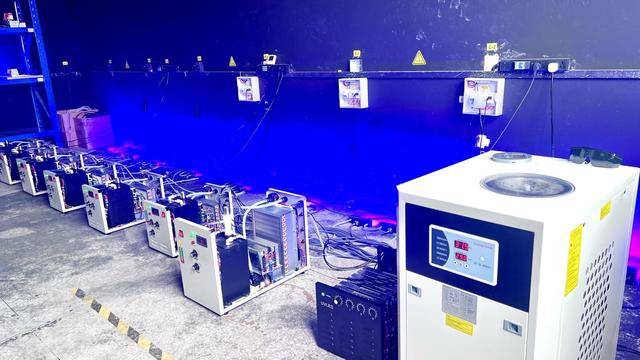
  • Efficient Water-Cooling Arrays: Utilizing closed-loop chillers for high-power systems to maintain diode temperatures below 60°C, ensuring consistent irradiance and preventing wavelength shifting over long production runs.

Why Dongguan LumiCure?

Dongguan LumiCure Light Co., Ltd. is a trusted China UV LED curing system manufacturer, specializing in industrial engineering and customized ultraviolet solutions.

Global Quality Standards All systems comply with international safety and electromagnetic guidelines, featuring CE and RoHS certifications.
Tailored for Ocean Freight Industrial-grade packaging with moisture-vapor barriers ensures components arrive in Fiji in pristine working condition.
Comprehensive Engineering Support We provide mechanical drawings, detailed thermal profiles, and integration consulting for converting older equipment.
Send Inquiry Now

Frequently Asked Questions

Technical, logistics, and operational answers for industrial clients in Fiji and globally.

What is the average lifespan of a LumiCure UV LED Curing System compared to traditional mercury vapor bulbs?
Our UV LED light sources are rated for a working lifespan exceeding 20,000 hours of active curing time. In comparison, traditional mercury bulbs usually require replacement every 1,000 to 1,500 hours. Furthermore, UV LEDs do not require warmup or cooldown cycles, meaning the lights only operate during active production stages, further extending their functional service life.
How does the local tropical climate in Fiji impact the choice between air-cooled and water-cooled curing systems?
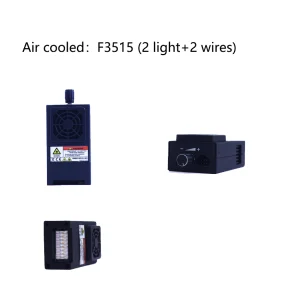
Fiji's high humidity and warm ambient temperatures mean air-cooling systems may run hotter if the factory does not have climate control. For high-output applications (above 8 W/cm² peak irradiance), we recommend choosing a water-cooled UV LED system. Closed-loop water chillers maintain the light-emitting diodes at optimal operating temperatures, preventing thermal stress and protecting the system against humid and salty sea-air environments.
Are LumiCure systems compatible with printheads and inks from global brands like Ricoh, Epson, and Konica?
Yes, our UV LED systems are designed to match the typical exposure profiles of international printheads and photoinitiator packages. We supply custom wave patterns—predominantly 395nm and 365nm—that match standard UV inks used by leading printer brands, ensuring consistent cure rates without surface tackiness.
What are the lead times and shipping options for manufacturing operations in Suva or Lautoka, Fiji?
Standard systems are assembled, calibrated, and stress-tested within 10 to 15 business days. Custom OEM/ODM designs take approximately 20 to 30 days. We ship to Fiji via air cargo (typically arriving at Nadi International Airport within 5–7 days) for urgent needs, or via ocean freight to the ports of Suva and Lautoka for larger industrial configurations.
How do we handle technical support and warranty claims from Fiji?
All LumiCure systems are backed by a comprehensive 12-month warranty. In the event of a technical issue, our engineering team in Dongguan provides online diagnostic support, circuit analysis, and video troubleshooting. If a component replacement is necessary, we dispatch parts via priority air express to minimize operational downtime.

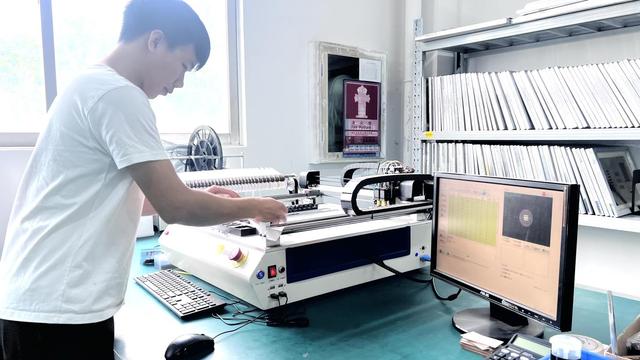
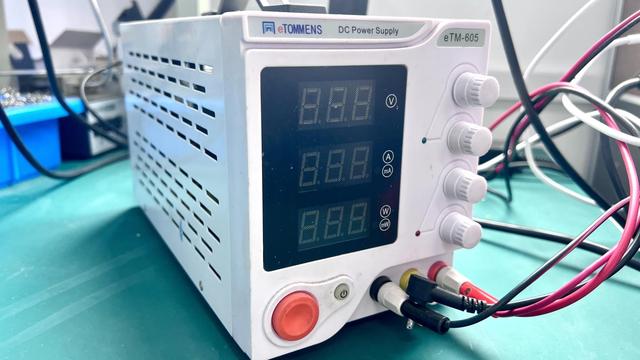
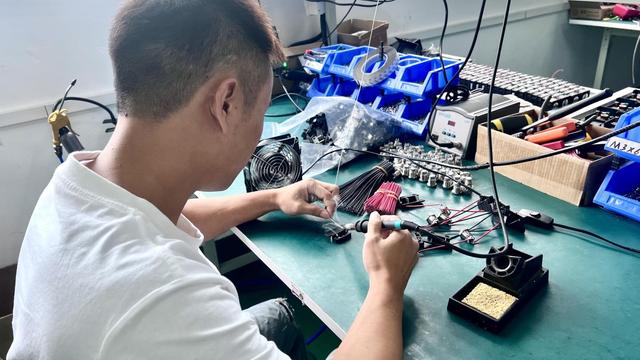
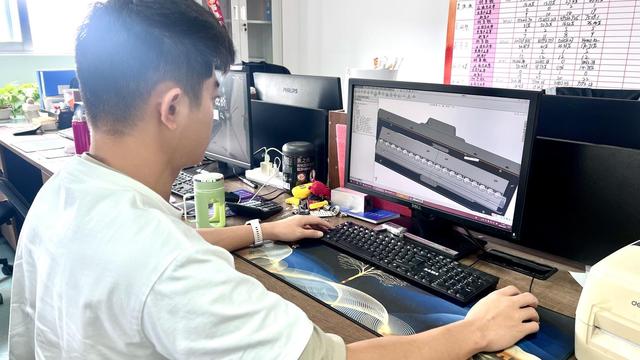
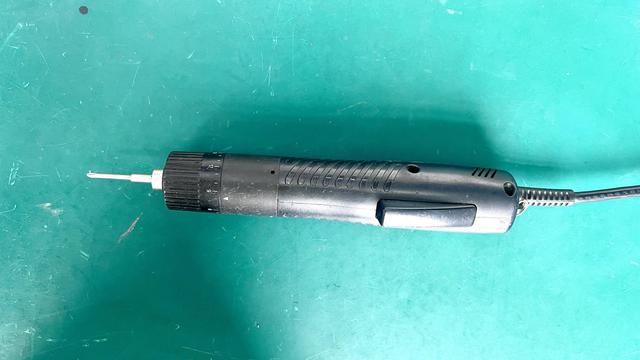
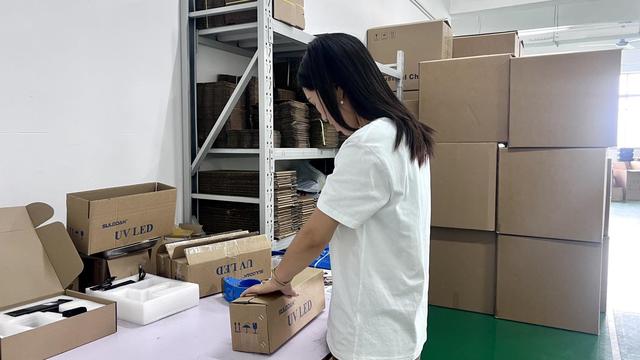
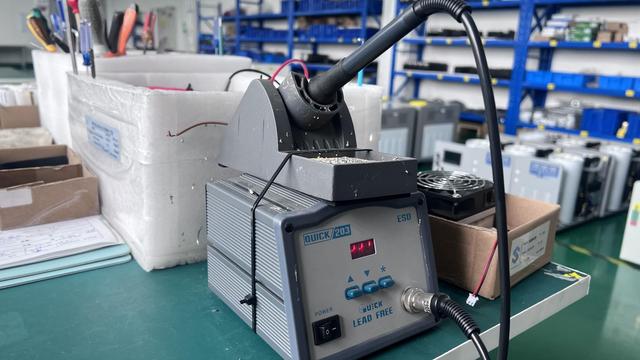
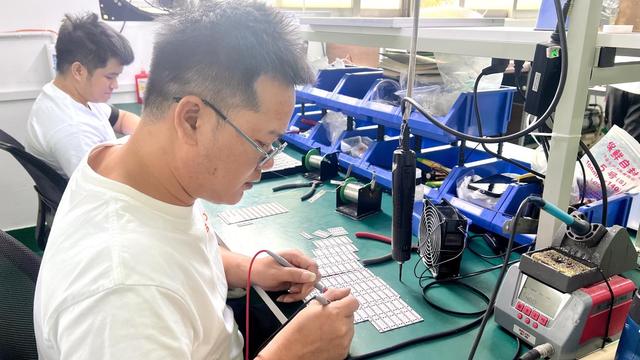
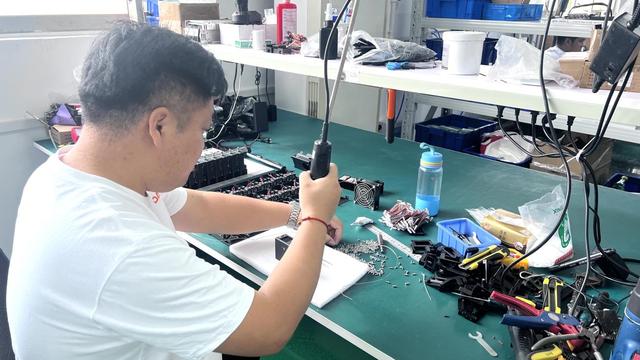
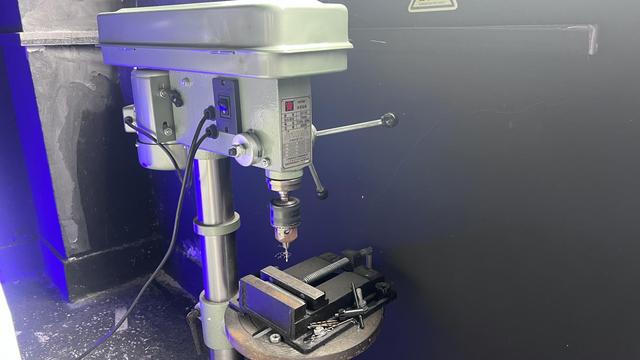
LumiCure Manufacturing Operations & Inspection

Inside our facility: Precision engineering, cleanroom assembly, and rigorous QA testing.
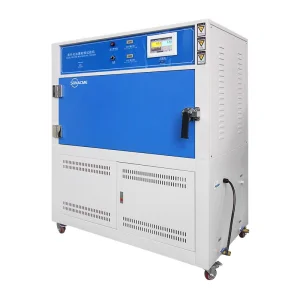
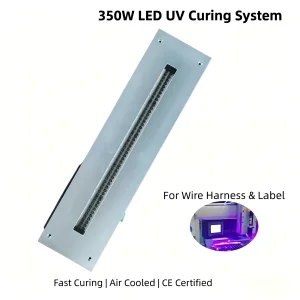
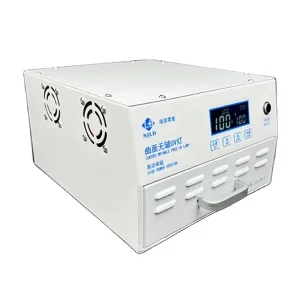
Explore Our Full Range of UV Solutions

Configurable, high-performance systems for varied industrial applications.
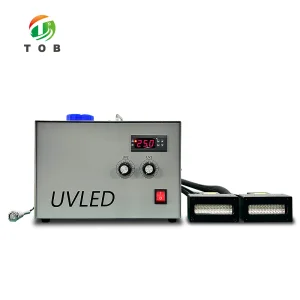
Upgrade Your Industrial Curing Efficiency Today

Connect with LumiCure's application engineering team to design custom UV LED fixtures optimized for your production speed, footprint constraints, and thermal limits.

Send Inquiry Now