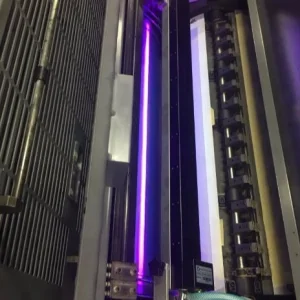
High-efficiency, rapid-dry units optimized for top Japanese printing platforms and heavy manufacturing sectors.
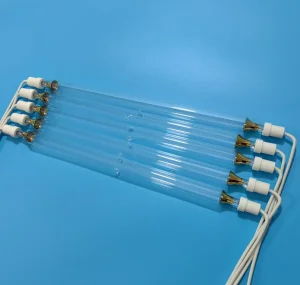
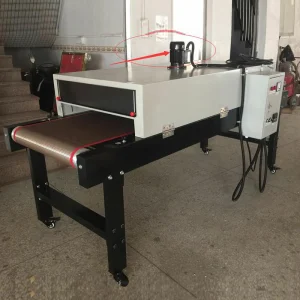
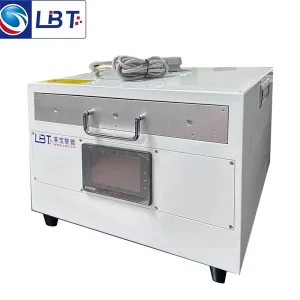
The Greater Nagoya Area, encompassing Aichi, Gifu, and Mie prefectures, represents Japan's undisputed manufacturing powerhouse—the **Chukyo Industrial Zone**. Responsible for a massive share of Japan's automotive, aerospace, and machine tool outputs, Nagoya's industrial identity is anchored in the philosophy of Monozukuri (the art of making things). Historically dominated by traditional automotive supply chains and high-precision mechanical engineering, Nagoya is undergoing a profound structural transition. Local industrial giants are rapidly aligning operations with Global Sustainable Development Goals (SDGs) and Japan's carbon neutrality targets.
This transition has catalyzed a massive technological shift within Nagoya's printing, packaging, and surface finishing industries. Traditional high-energy mercury vapor drying systems are being systemically phased out in favor of advanced **UV LED digital curing technologies**. The demands of Aichi's industrial buyers are remarkably stringent: equipment must deliver unmatched stability, absolute thermal control for thin-film automotive dashboards, integration with major Japanese printheads (such as Konica Minolta, Ricoh, and Kyocera), and compliance with domestic Japanese safety standards.
Traditional mercury arc lamps emit a broad spectrum of light (from UVC up to Infrared). This broad spectrum creates a massive thermal load, making it unsuitable for thin plastics, heat-sensitive films, and electronic substrates common in Aichi's manufacturing sectors.
UV LED Curing, by contrast, relies on solid-state semiconductor chips to emit monochromatic ultraviolet light, typically centered around **365nm, 385nm, 395nm, or 405nm**. The absence of infrared radiation ensures that only the photoinitiators in the ink are activated, generating cross-linking polymerization within milliseconds without transferring structural heat to the underlying substrate.
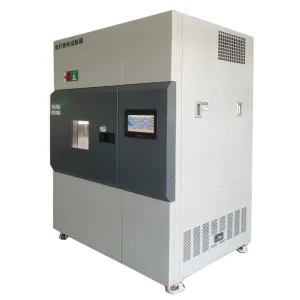
Engineered to handle high-precision electronics, customized label stock, and strict environmental testing protocols.
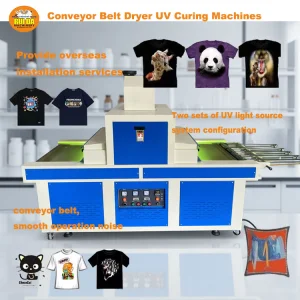
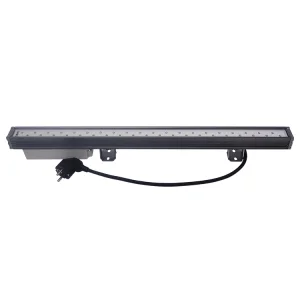
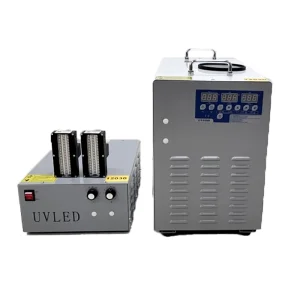
For procurement managers and importers targeting the Japanese market, technical capability represents only half of the equation. Curing machinery must seamlessly fit within Japan’s strict regulatory and architectural environment.
Electrical safety alignment with Japan's DENAN Law guidelines.
Support for Mitsubishi and Omron architectures.
Conforms to VCCI standards preventing electromagnetic crosstalk.
Strictly lead-free and mercury-free assemblies.
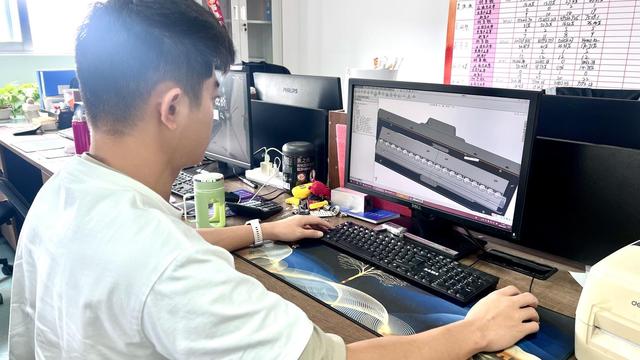
Additionally, the physical integration of UV LED systems into existing print lines (such as RMGT offset presses or industrial label machines) requires exact structural customization. Dongguan LumiCure Light Co., Ltd. specializes in custom mechanical brackets, light shield assemblies, and automated power adjustments linked directly to the printing press encoder to ensure zero-dose drift during press speed adjustments.
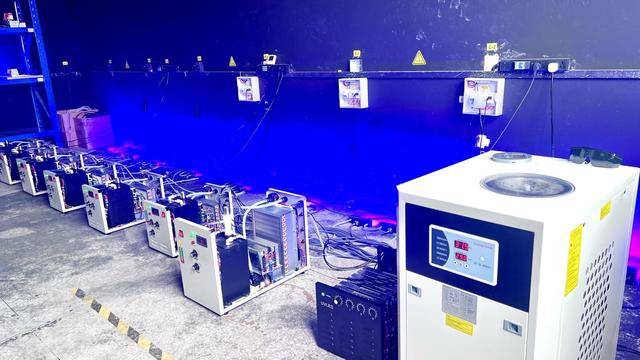
At LumiCure, we understand that industrial machinery demands rapid-response localized support. Our exports to the Nagoya market are backed by a structured partner network in the Chubu region, offering diagnostic support, spare parts availability (including replacement water chillers and high-transmittance quartz windows), and direct engineering consultations. This ensures that down-time on automotive and high-speed packaging lines is minimized.
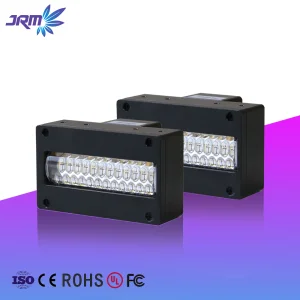
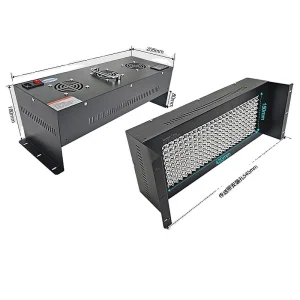
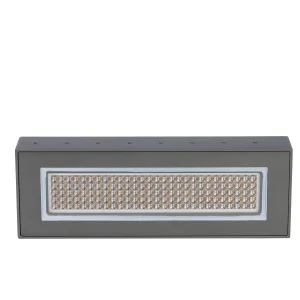
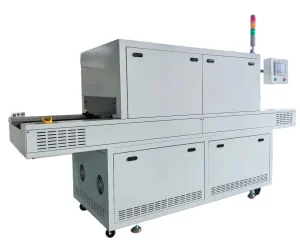
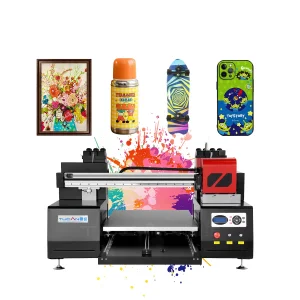
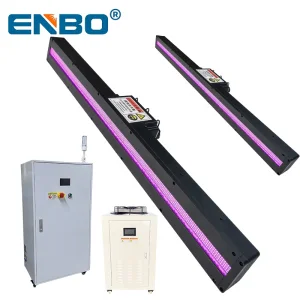
Explore our complete catalog, featuring flexo label integrations, flatbed printer modules, and ultra-high power water-cooled curing arrays.
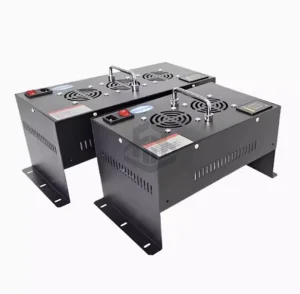
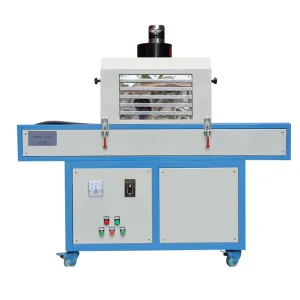
As digital inkjet speeds cross the 150 meters-per-minute threshold, traditional UV LED architectures face thermal and electrical efficiency limits. LumiCure’s research department is focused on three strategic technological innovations:
By packaging LED dies closer together (pitch spacing < 0.5mm), we can increase peak irradiance by up to 40% without increasing the footprint. This allows ultra-rapid curing of high-build tactile varnishes, highly demanded by the luxury packaging sectors in Nagoya and Tokyo.
Integrating inline optical sensors that monitor the real-time degradation of UV outputs. When variance is detected, the power supply automatically increases current, ensuring a perfectly consistent curing profile over 20,000+ operating hours.
Combining deep-cure wavelengths (395nm) with surface-hardening wavelengths (365nm) in a single compact housing. This design resolves the wrinkling issues typical in thick gloss screen printing without requiring dual-stage lamp structures.
Dongguan LumiCure Light Co., Ltd. is a professional China UV LED curing lamp manufacturer specializing in the research, development, production, and supply of industrial UV curing systems and customized UV LED solutions. With a strong focus on innovation, quality, and customer satisfaction, LumiCure has become a trusted partner for manufacturers worldwide seeking efficient and reliable curing technologies.
Our product range includes UV LED curing lamps, UV LED spot curing systems, flood curing lamps, conveyor UV curing machines, UV LED modules, printing curing systems, adhesive curing equipment, and customized industrial UV solutions. These products are widely applied in printing, electronics assembly, semiconductor packaging, optical bonding, automotive manufacturing, medical devices, 3D printing, and various precision industrial processes.
Backed by an experienced engineering team and advanced manufacturing facilities, LumiCure is committed to developing energy-saving and environmentally friendly UV curing technologies. Our products feature high curing efficiency, precise wavelength output, long service life, low maintenance requirements, and intelligent control capabilities, helping customers improve productivity while reducing operating costs.
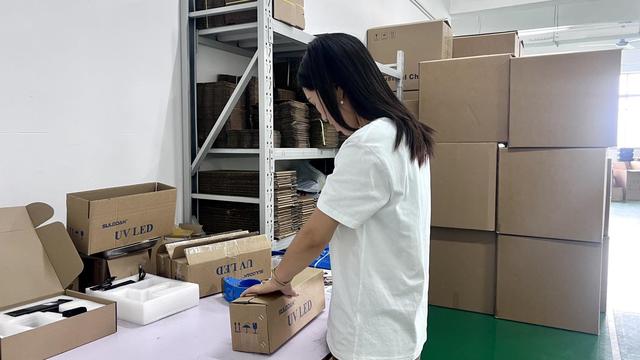
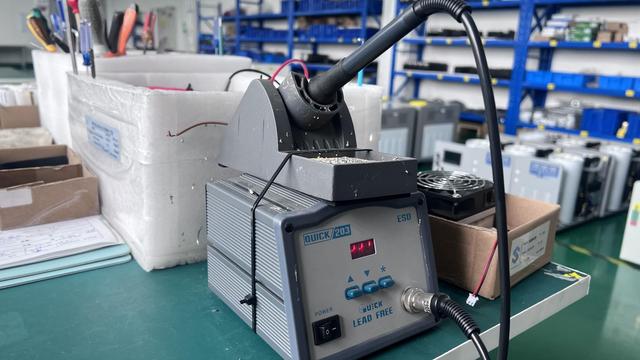
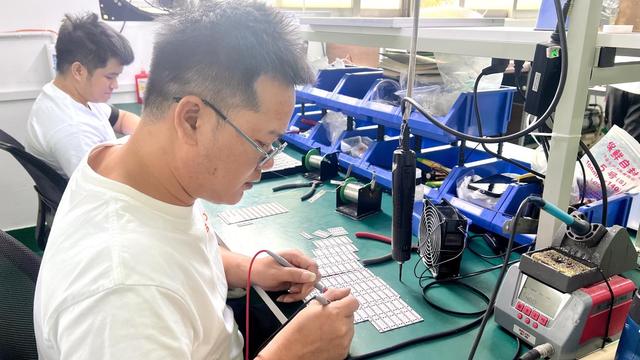
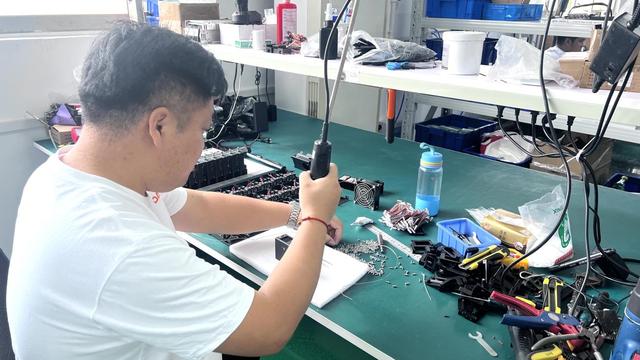
Quality remains the foundation of our business. Every product undergoes rigorous testing and strict quality control procedures throughout the manufacturing process to ensure consistent performance and reliability. We also provide comprehensive OEM and ODM services, enabling customers to customize products according to their specific technical and application requirements.
Serving clients across Europe, North America, Asia, the Middle East, and other global markets, Dongguan LumiCure Light Co., Ltd. continues to deliver innovative UV LED curing solutions that support sustainable and efficient industrial manufacturing.
Crucial information regarding system retrofitting, lifespan guarantees, cooling specifications, and importing standards.
 LumiCure Light