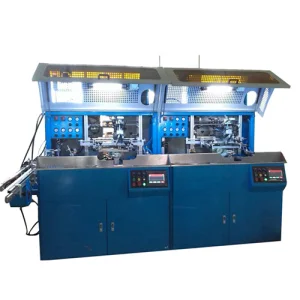
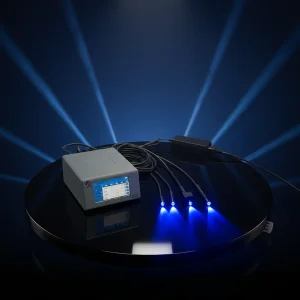
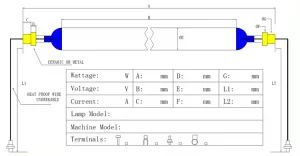
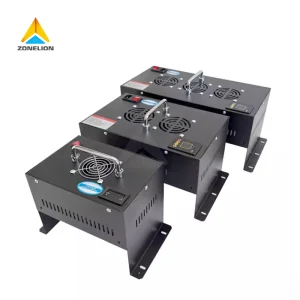
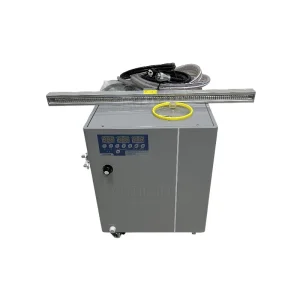
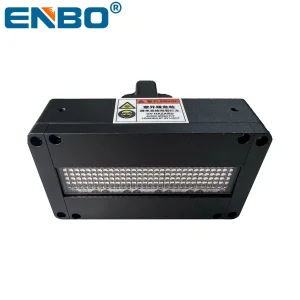
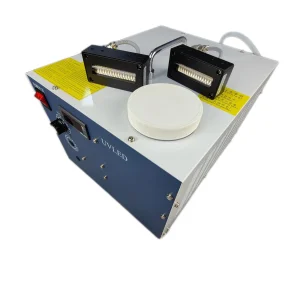
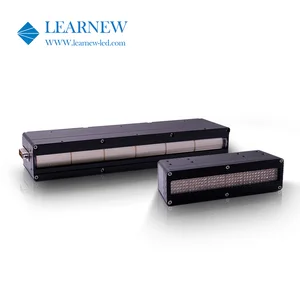
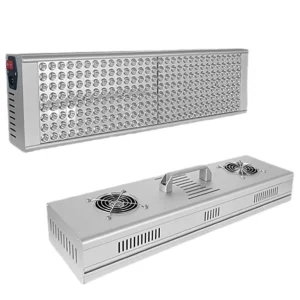
Explore our flagship configurations optimized for high irradiance, uniform spectral distribution, and industrial resilience.
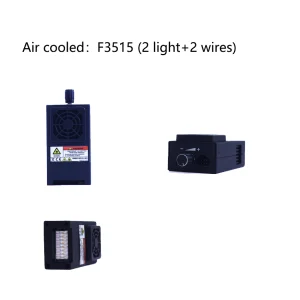
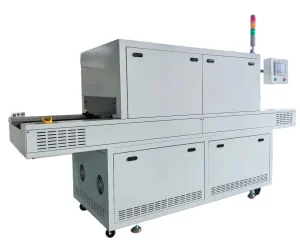
Setting New Standards in Industrial Optoelectronics and Custom Curing System Design
Dongguan LumiCure Light Co., Ltd. is a professional China UV LED curing lamp manufacturer specializing in the research, development, production, and supply of industrial UV curing systems and customized UV LED solutions. With a strong focus on innovation, quality, and customer satisfaction, LumiCure has become a trusted partner for manufacturers worldwide seeking efficient and reliable curing technologies.
Our comprehensive product range includes UV LED curing lamps, UV LED spot curing systems, flood curing lamps, conveyor UV curing machines, UV LED modules, printing curing systems, adhesive curing equipment, and customized industrial UV solutions. These products are widely applied in printing, electronics assembly, semiconductor packaging, optical bonding, automotive manufacturing, medical devices, 3D printing, and various precision industrial processes.
Backed by an experienced engineering team and advanced manufacturing facilities, LumiCure is committed to developing energy-saving and environmentally friendly UV curing technologies. Our products feature high curing efficiency, precise wavelength output, long service life, low maintenance requirements, and intelligent control capabilities, helping customers improve productivity while reducing operating costs.
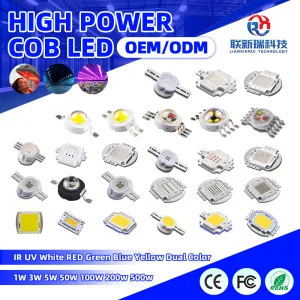
Quality remains the foundation of our business. Every product undergoes rigorous testing and strict quality control procedures throughout the manufacturing process to ensure consistent performance and reliability. We also provide comprehensive OEM and ODM services, enabling customers to customize products according to their specific technical and application requirements.
Serving clients across Europe, North America, Asia, the Middle East, and other global markets, Dongguan LumiCure Light Co., Ltd. continues to deliver innovative UV LED curing solutions that support sustainable and efficient industrial manufacturing.
The global industrial landscape is undergoing a monumental paradigm shift. For decades, medium-pressure mercury vapor lamps dominated the manufacturing space, providing the intense ultraviolet radiation required for curing inks, coatings, and adhesives. However, these legacy systems are bound by significant disadvantages: massive energy consumption, high operational temperatures, ozone emission, and the ecological hazard of mercury disposal.
Guided by the international mandates of the Minamata Convention on Mercury and strict RoHS and REACH directives in Europe and North America, leading manufacturing plants are aggressively replacing mercury-based systems with solid-state UV LED technology. This transition is not merely regulatory; it is financially imperative. UV LED curing systems operate on an instant-on/off capability, eliminating the warm-up and cool-down cycles associated with legacy setups. By focusing narrow-band spectrum emission (e.g., 365nm, 385nm, 395nm, or 405nm) exactly where the photoinitiators react, energy waste is reduced by up to 80%.
Delivers monochromatic output (365nm-405nm), matching the exact absorption peak of modern photoinitiators to eliminate substrate degradation from infrared heat.
Solid-state control reduces power usage by 70%-80% compared to legacy mercury systems by operating strictly during the active curing process.
Maintains operating stability for over 30,000 hours, virtually eliminating maintenance overhead, frequent lamp changes, and line downtime.
Modern optoelectronics have pushed the boundaries of curing mechanics. The integration of Chip-on-Board (COB) packaging configurations allows for extremely high-density diode arrays, generating peak irradiances exceeding 20 W/cm² at the substrate surface. This intensity level is essential to overcome oxygen inhibition in fast curing environments such as high-speed flexographic or gravure printing.
Simultaneously, hybrid multi-wavelength systems are emerging. By integrating varying wavelengths (such as combining 365nm and 395nm) within a single housing, manufacturers can simultaneously target deep through-cure and surface-level tack-free polymerization. Advanced micro-optics and quartz lens arrays focus the light distribution, preventing divergence and ensuring uniform irradiance across large working distances.
Industrial UV LED applications differ dramatically depending on the sector. Designing systems that match these specialized environments is what positions China exporters at the top of the global supply chain:
In roll-to-roll label printing and large-format digital flatbeds, curing speed determines production throughput. Air-cooled or water-cooled linear UV LED heads are positioned adjacent to the printheads. The immediate solidification of inks prevents dot gain and color bleed, ensuring ultra-sharp resolutions even on temperature-sensitive materials like thin plastic films and metal foils.
Precision assembly requires zero thermal stress. UV LED spot curing systems deliver concentrated uv light to pinpoint locations (e.g., active alignments in camera modules, component potting, and welding spot protection). For PCBs, high-intensity flood systems cure conformal coatings and solder masks within seconds without warming delicate microchips.
Automotive manufacturing demands structurally rigid bonding. Using UV-curable structural adhesives, structural elements like glass windscreens, display panels in smart dashboards, and sensor housings are bonded and cured instantly. The low-heat profile prevents optical distortion in high-performance acrylics and polycarbonates.
Scaling up the output power and wall-plug efficiency of short-wavelength UV LEDs to allow surface sterilization and chemical-free curing of low-migration barrier coatings.
Integrating real-time radiometers and optical sensor feedback loops into the LED array to dynamically adjust power outputs, compensating for diode degradation over time.
Upgrading thermal interfaces to high-conductivity copper vapor chambers, allowing continuous operation at high duty cycles without thermal throttling.
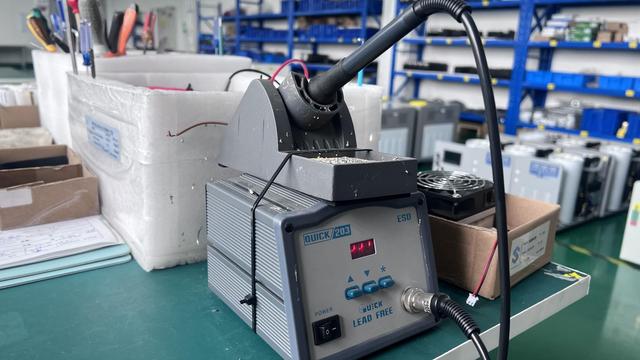
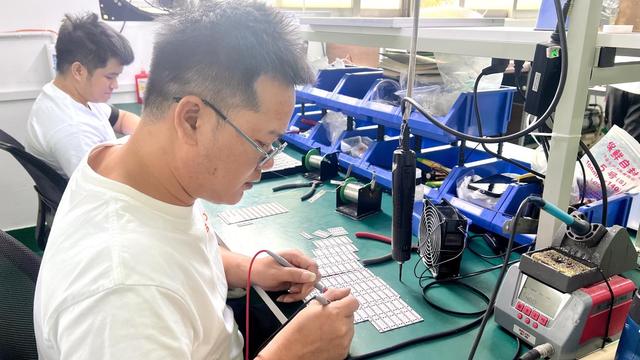
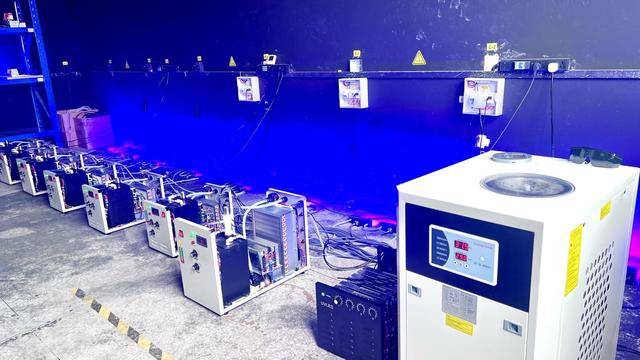
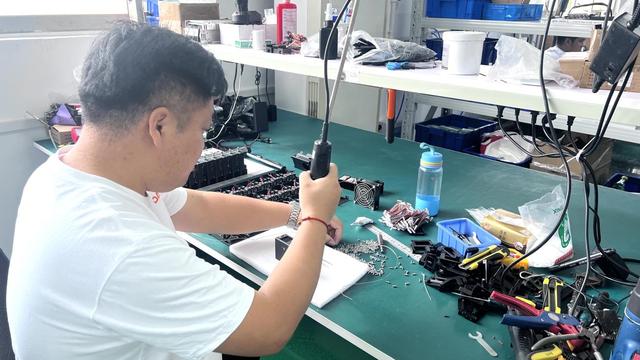
Insight into LumiCure’s manufacturing facilities, R&D testing phases, and custom precision applications.
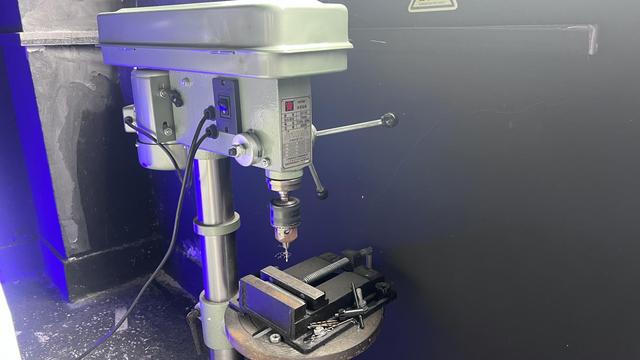
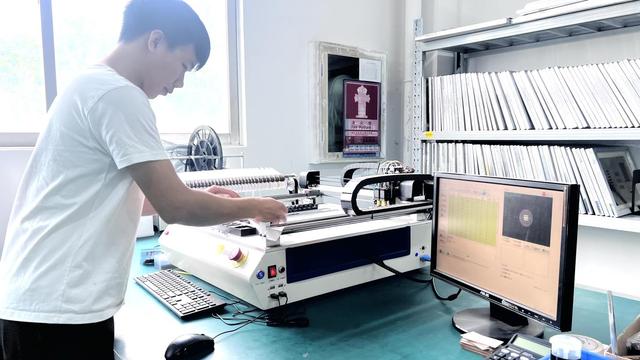
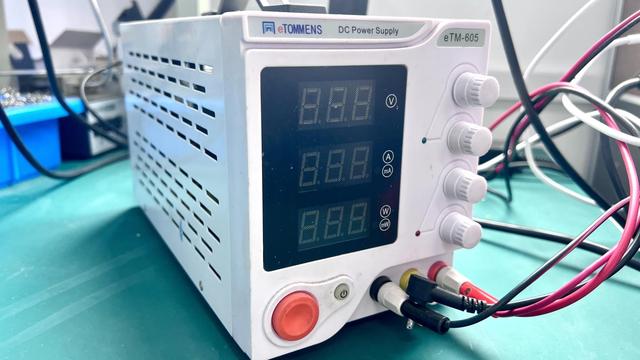
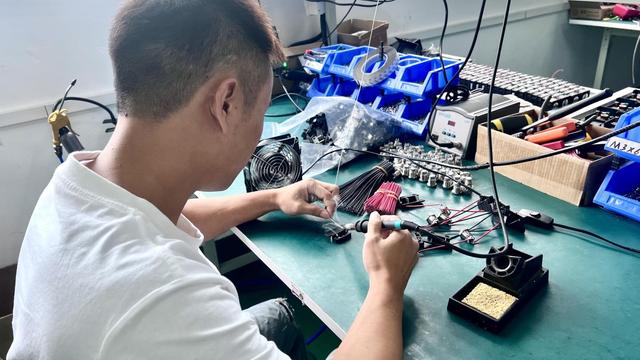
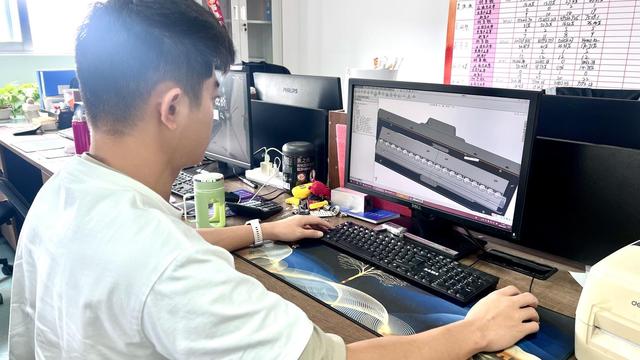
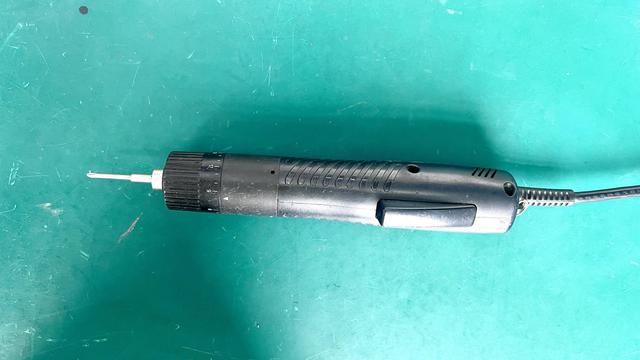
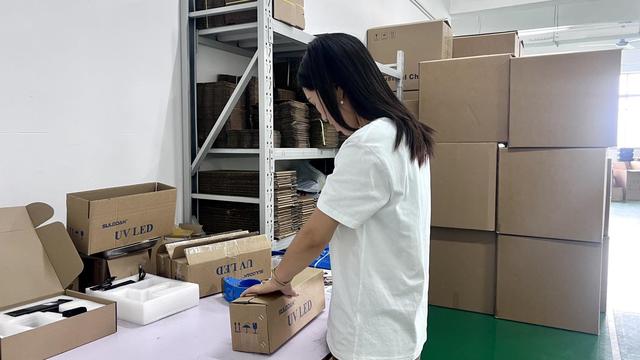
Addressing core mechanical, electrical, and optical integration challenges for professional plant engineers.
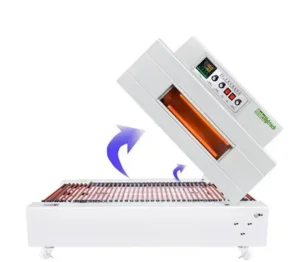
Industrial-grade curing conveyors, sub-modules, and specialized spot curing lamps for localized assembly.
 LumiCure Light