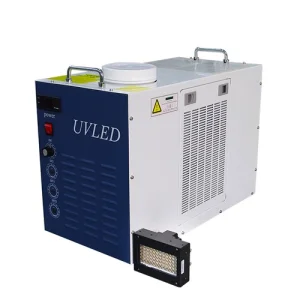
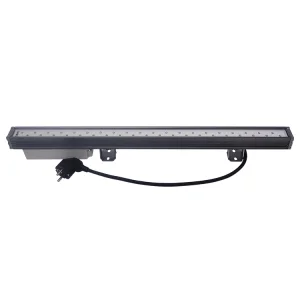
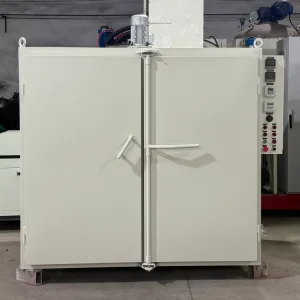
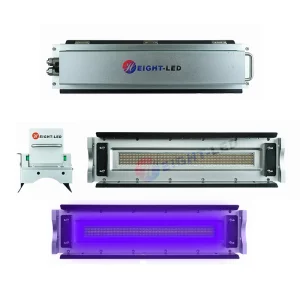
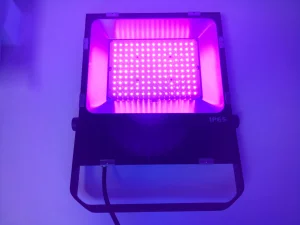
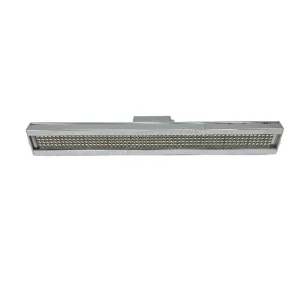
Explore our top-performing ultraviolet LED systems engineered for precise dosing, superior heat dissipation, and long-term wavelength stability.
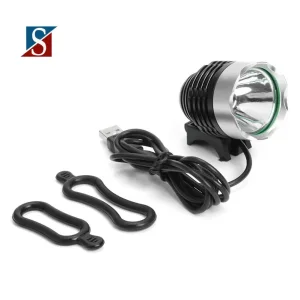
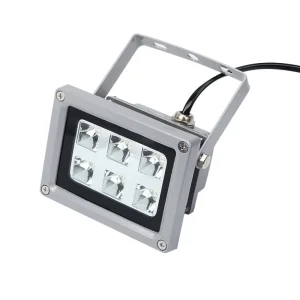
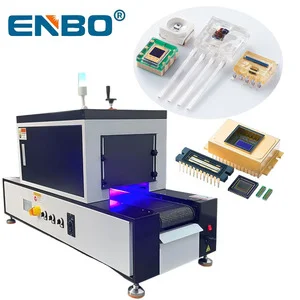
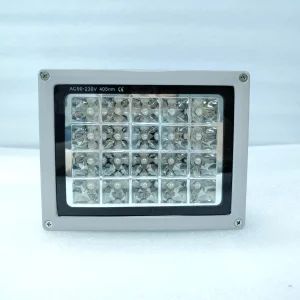
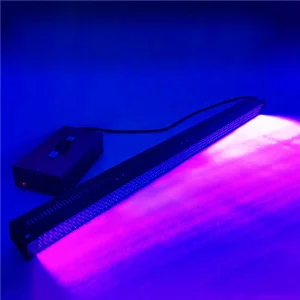
Dongguan LumiCure Light Co., Ltd. is an industry-leading professional China UV LED curing lamp manufacturer, specializing in the scientific research, design, engineering, production, and supply of industrial UV curing systems and customized UV LED engineering solutions.
Guided by our core principles of research-backed innovation, stringent quality management systems, and absolute customer orientation, LumiCure has built a reputable global footprint. We serve as a trusted technical partner for Tier-1 manufacturers worldwide seeking high-reliability, energy-efficient, and precise curing solutions.
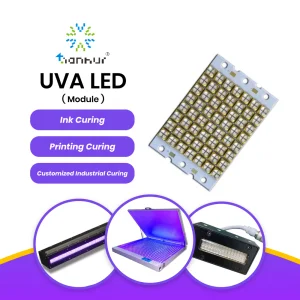
Our comprehensive catalog spans high-power UV LED curing lamps, spot curing light sources, flood curing systems, heavy-duty conveyor UV curing machines, OEM UV LED modules, industrial printing press dryer modules, optical assembly adhesive curing equipment, and custom-engineered turn-key solutions. We cover complex application requirements in 3C electronics assembly, semiconductor micro-packaging, optical bonding, automotive displays, medical grade polymer crosslinking, 3D printing, and high-speed offset/flexo packaging printing.
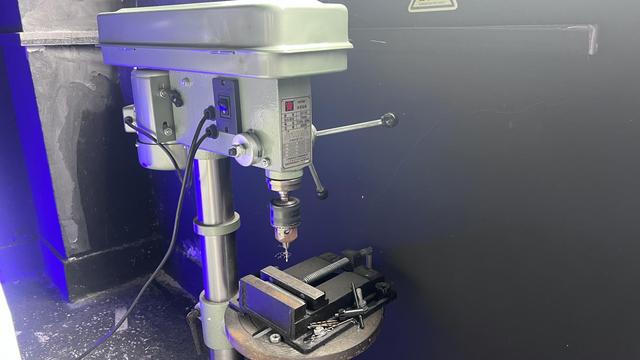
Strategic supply chain integration, advanced manufacturing clusters, and world-class quality-to-cost efficiency in Dongguan.
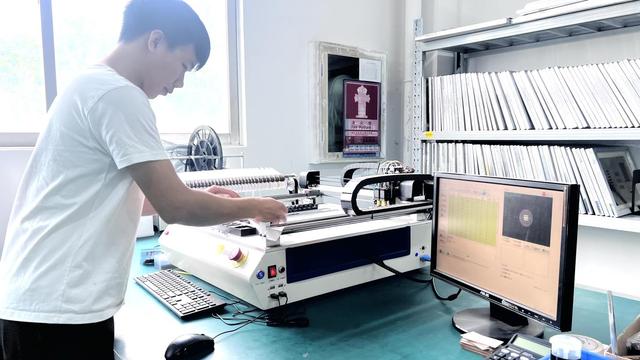
Situated in the heart of China’s electronics manufacturing center, we leverage a robust supply chain for raw electronic components, optical lenses, copper substrates, and precision CNC milling. This allows for unmatched prototype development speeds.
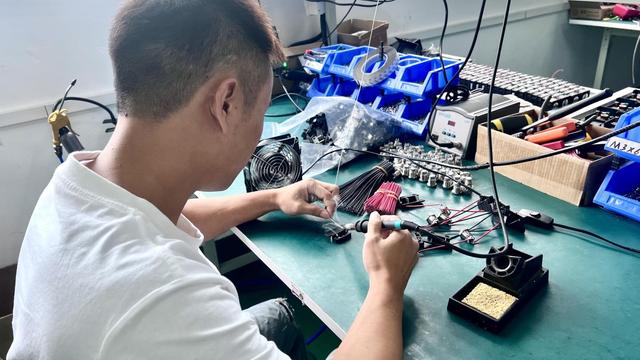
LumiCure employs automated Chip-on-Board (COB) wire bonding and precise eutectic soldering technologies. Our micro-channel cooling backplanes keep junction temperatures low, ensuring less than 5% optical degradation over 20,000 hours.
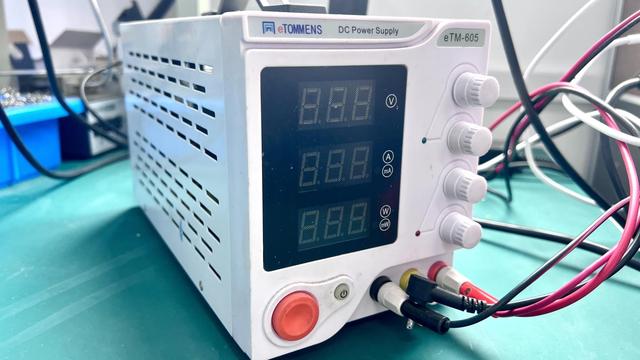
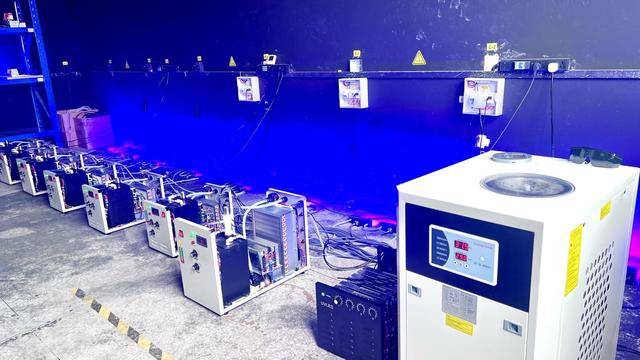
Our quality verification processes include thermal camera profiling, optical irradiance mapping, high-temperature environmental test chambers, and continuous 72-hour aging cycles under full-load operation to meet global compliance standards.
An engineering overview of next-generation photocuring mechanics and market shifts.
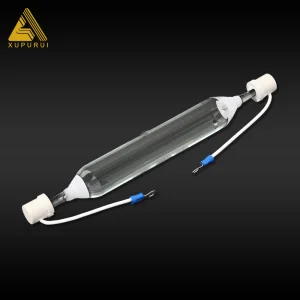
The industrial curing sector is experiencing an accelerated migration from high-pressure mercury discharge lamps to semiconductor UV LEDs. Traditional mercury lamps waste up to 70% of input energy as heat, generate dangerous ozone gas, and present environmental disposal risks. Solid-state UV LEDs, in contrast, offer immediate on/off control, generate zero ozone, and emit a narrow-band spectral output (typically ±5nm centered around 365nm, 385nm, 395nm, or 405nm), directing energy only where the photoinitiators require it.
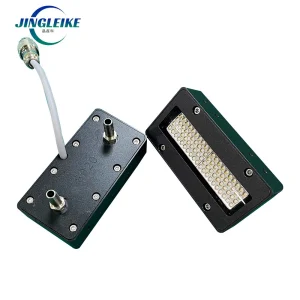
As optical output requirements scale past 16 W/cm² for high-speed printing and coating lines, managing the thermal junction temperature of the LED chip becomes critical. High temperatures accelerate chip degradation and decrease output efficiency. LumiCure designs water-cooled manifolds using copper-core microchannel designs to quickly dissipate heat. For lower intensity, space-restricted configurations, customized high-volume fan arrays with heat pipes are engineered to optimize laminar airflow.
Industrial coating formulations often require deep-volume curing as well as tack-free surface curing. Because different wavelengths penetrate to different depths (e.g., 365nm cures the surface, while 395nm/405nm penetrates deeper), modern coating lines utilize hybrid-wavelength modules. By combining 365nm and 395nm chips on a single COB substrate, we provide systems that achieve optimal surface tackiness and deep adhesion simultaneously.
| Wavelength (nm) | Primary Industrial Applications | Key Curing Characteristics | Common Materials Cured |
|---|---|---|---|
| 365 nm | Electronics Assembly, Optical Bonding, Conformal Coating | High surface curing energy, rapid reaction rate | Acrylate adhesives, UV epoxies, structural resins |
| 385 nm | Semiconductor Packaging, PCB Solder Mask, 3D Printing | Balanced penetration depth and surface reaction speed | Photoresists, potting compounds, dental polymers |
| 395 nm | Flexo/Offset Printing, Wood Coating, Fiber Drawing | Deep volume penetration, ideal for pigmented coatings | UV inks, high-pigment primers, varnishes |
| 405 nm | SLA/DLP 3D Printers, Deep-fill Potting, Thick Films | Deepest penetration, safe handling spectrum | Thick acrylic layers, specialized 3D photopolymers |
From micro-electronics assembly to continuous, high-speed roll-to-roll printing presses.
Precision is vital when curing adhesives in modern smartphones, camera modules, and semiconductor chips. Our spot curing systems deliver highly uniform spot profiles from 3mm to 10mm. They ensure thermal damage is prevented on heat-sensitive CMOS sensors or delicate copper traces through precise energy dosing.
Continuous flexo, offset, and inkjet printing lines require drying systems that keep pace with high web speeds. LumiCure's water-cooled high-power UV LED systems deliver up to 24 W/cm² of peak irradiance, ensuring instantaneous cross-linking of inks and varnishes on paper, film, and foils.
Our equipment curing profiles support the assembly of life-critical medical catheters and protective automotive clearcoats. Programmable PLC interfaces provide real-time parameter tracking for output, intensity, and temperature, satisfying strict quality control audits.
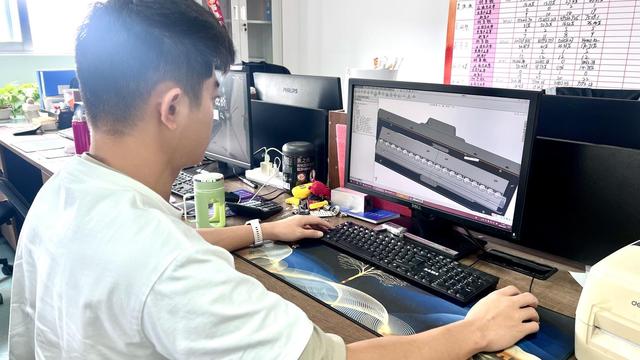
Every industrial production line has unique physical dimensions, communication requirements, and optical parameters. We design, prototype, and manufacture custom curing equipment to match your space constraints, cooling capacities, and automation requirements.
Key technical parameters global buyers should evaluate before selecting a UV LED equipment supplier.
When sourcing industrial UV LED curing systems for automated assembly lines, simple wattage metrics can be misleading. Professional procurement teams should evaluate the following criteria:
From initial concept to mass production, we offer high-level customization for custom optical requirements.
At Dongguan LumiCure Light Co., Ltd., we do not believe in one-size-fits-all. Our dedicated team of optical, thermal, electrical, and mechanical engineers works with you to design systems that integrate seamlessly into your setup.
Our custom capabilities cover:
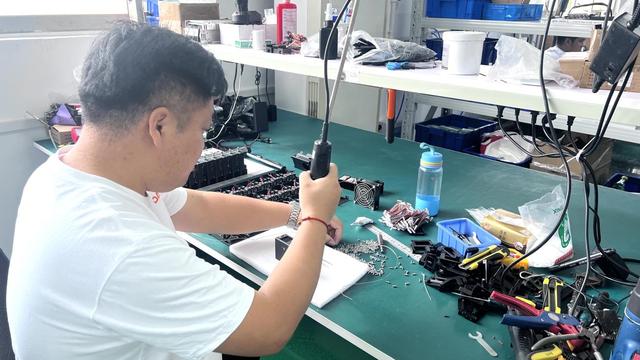
Technical answers to help you evaluate and optimize your curing processes.
Air-cooled systems utilize heat-pipes and high-airflow fans. They are compact, easy to install, and ideal for power outputs under 12-16 W/cm². Water-cooled systems utilize liquid chillers and internal copper micro-channels. They are designed for continuous high-intensity applications exceeding 16 W/cm² (like high-speed printing presses) to ensure stable operating temperatures.
Our UV LED systems are designed with high-quality components and proper thermal management. They offer a typical working lifetime of 20,000 to 30,000 hours, compared to 1,000 to 2,000 hours for conventional mercury vapor lamps.
Yes, we provide custom multi-wavelength modules. We place different wavelength LED chips on the same ceramic substrate (COB). This delivers a multi-wavelength spectrum to achieve both surface and deep cure in specialized ink formulations.
Every production batch undergoes a strict quality control workflow. This includes 24-hour component burn-in, optical power profiling, thermal mapping under load, and a 48-hour continuous product test before packing and shipping. Our processes comply with CE, RoHS, and ISO9001 standards.
Standard modifications take 2 to 3 weeks for design and prototyping. Fully customized systems, including custom housings and optical arrays, are typically delivered within 4 to 6 weeks from initial design sign-off.
Explore our specialized heavy-duty conveyor modules, inline assembly curing panels, and flexible printing UV systems.
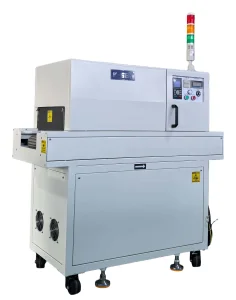
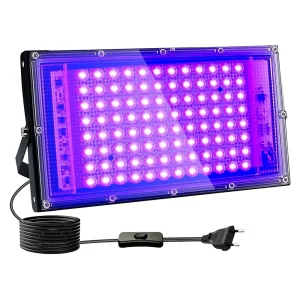
 LumiCure Light