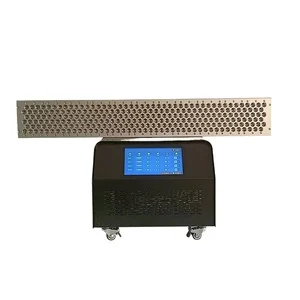
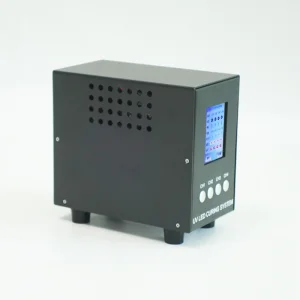
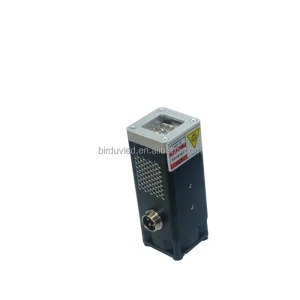
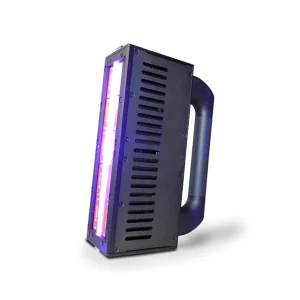
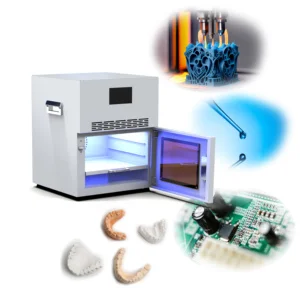
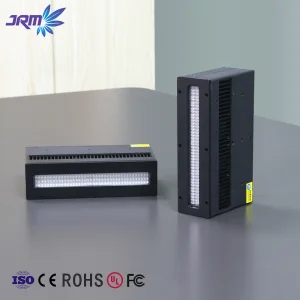
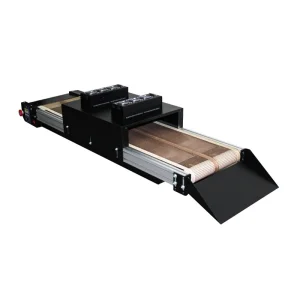
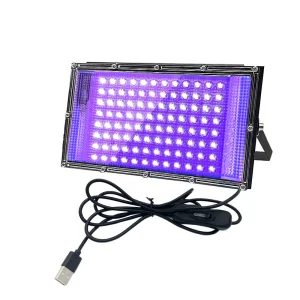
High-precision light engineering designed for manufacturing reliability, energy saving, and superior curing uniformity.
Exploring the transition from legacy gas-discharge curing systems to modular semiconductor radiation.
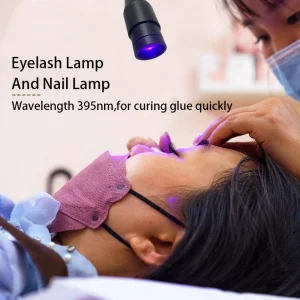
Traditional medium-pressure mercury vapor systems output a chaotic spectrum (200nm to 450nm) leading to severe thermal stress. Modern UV LED technology focuses irradiance onto singular target peaks (e.g., 365nm, 385nm, 395nm, or 405nm), optimizing energy absorption by photoinitiators and eliminating heat damage to thin substrates.
Global environmental mandates—such as the Minamata Convention on Mercury—are accelerating the phase-out of gas lamps. UV LED curing systems operate ozone-free, generate zero greenhouse emissions, and use up to 80% less electric energy. This lowers carbon footprints while keeping floor operators safe.
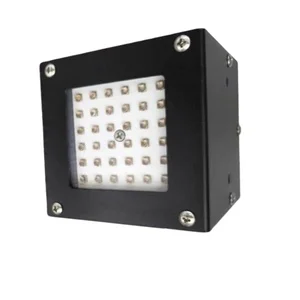
By employing custom optical lenses (e.g. quartz parallel light collimators or parabolic reflectors), modern designers minimize beam divergence. This achieves peak optical intensity (irradiance up to 20W/cm²) directly at the working plane, satisfying high-speed assembly needs.
For industrial buyers, purchasing UV LED curing setups is more than buying hardware—it is an investment in process performance and uptime. Quality Assurance directors prioritize customized footprints, optical output consistency, and integration into computerized production loops.
Primary Procurement Demands:
Working with design-oriented manufacturers like Dongguan LumiCure Light Co., Ltd. guarantees that structural dimensions, optical paths, and electronic drivers match your production constraints.
How bespoke optoelectronic systems address challenges across precision industrial domains.
High-reliability encapsulation is critical for electronic components, LCD displays, and FPC circuits. Collimated parallel light systems ensure zero parallax error in optical bonding, curing shadowless adhesives in seconds without structural distortion or thermal expansion stresses.
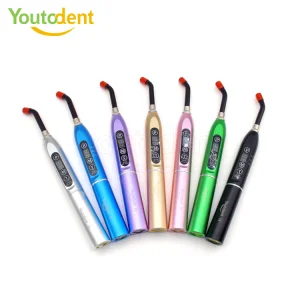
Curing adhesives on catheters, endoscopes, and dental prosthetics requires strict compliance and stable radiation. Precise 365nm and 405nm light sources guarantee consistent structural cross-linking, meeting cleanroom validation and biocombatibility standards.
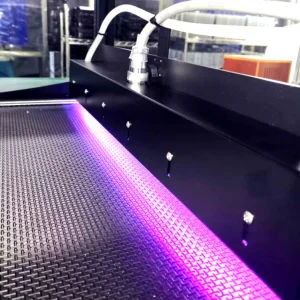
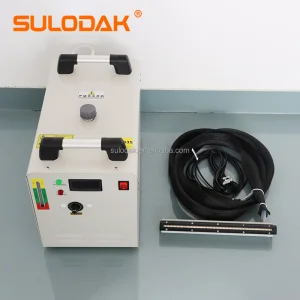
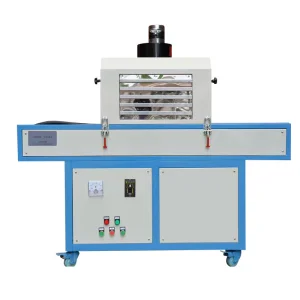
For wide-format inkjet, packaging, or wood varnish applications, UV LED conveyor configurations dry inks instantly. This allows processing speeds exceeding 150m/min. Precise thermal management stops heat-sensitive plastics and films from warping during runs.
A summary of physical and electrical choices for industrial design engineering.
| System Parameter | Air-Cooled Systems | Water-Cooled Systems | Key Industrial Application |
|---|---|---|---|
| Wavelength Profiles | 365 / 385 / 395 / 405 nm | 365 / 385 / 395 / 405 nm | Matched to adhesive/ink photoinitiators |
| Peak Irradiance | 1 - 12 W/cm² | 10 - 24+ W/cm² | High-speed manufacturing & deep-section curing |
| Thermal Management | High-RPM Fans + Copper Heat Sinks | Chilled Water Flow Loops | Heat-sensitive substrate protection |
| Interface Integration | Dry Contacts, PLC, I/O Port | RS485, Modbus, Analog control | Automated manufacturing loops |
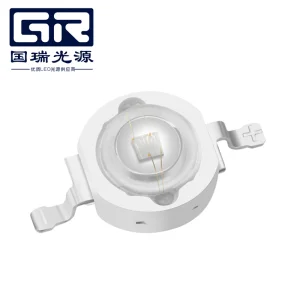
| Emitters | COB Array / Spot Lens | Collimated High-Density Array | Precision medical & semiconductor packaging |
Dongguan LumiCure Light Co., Ltd. is a professional China UV LED curing lamp manufacturer specializing in the research, development, production, and supply of industrial UV curing systems and customized UV LED solutions. With a strong focus on innovation, quality, and customer satisfaction, LumiCure has become a trusted partner for manufacturers worldwide seeking efficient and reliable curing technologies.
Our product range includes UV LED curing lamps, UV LED spot curing systems, flood curing lamps, conveyor UV curing machines, UV LED modules, printing curing systems, adhesive curing equipment, and customized industrial UV solutions. These products are widely applied in printing, electronics assembly, semiconductor packaging, optical bonding, automotive manufacturing, medical devices, 3D printing, and various precision industrial processes.
Backed by an experienced engineering team and advanced manufacturing facilities, LumiCure is committed to developing energy-saving and environmentally friendly UV curing technologies. Our products feature high curing efficiency, precise wavelength output, long service life, low maintenance requirements, and intelligent control capabilities, helping customers improve productivity while reducing operating costs.
Quality remains the foundation of our business. Every product undergoes rigorous testing and strict quality control procedures throughout the manufacturing process to ensure consistent performance and reliability. We also provide comprehensive OEM and ODM services, enabling customers to customize products according to their specific technical and application requirements.
Serving clients across Europe, North America, Asia, the Middle East, and other global markets, Dongguan LumiCure Light Co., Ltd. continues to deliver innovative UV LED curing solutions that support sustainable and efficient industrial manufacturing.
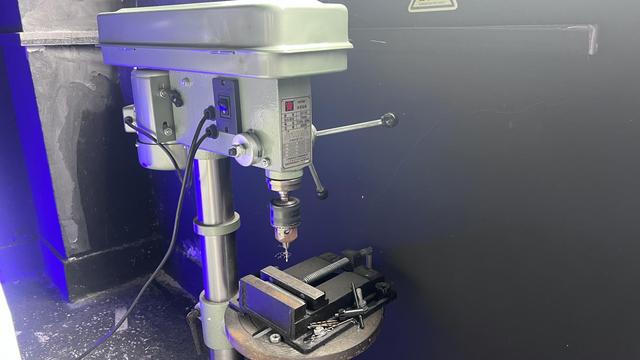
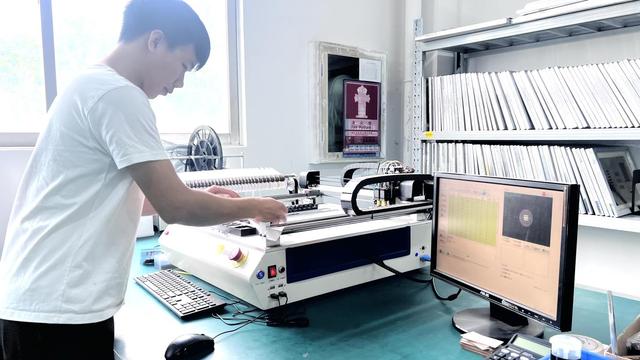
Inside our manufacturing hub: cleanrooms, precision assembly lines, and optical calibration labs.
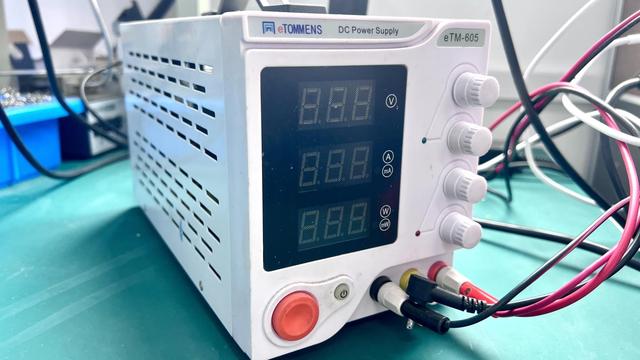
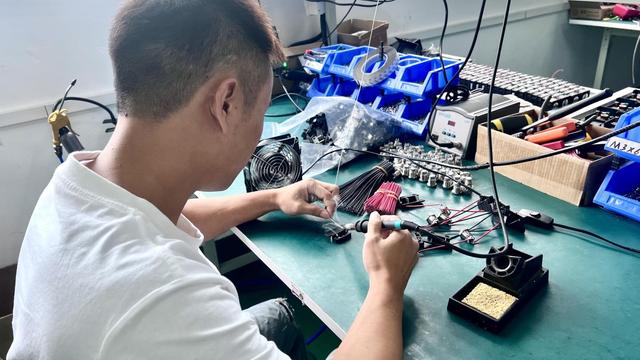
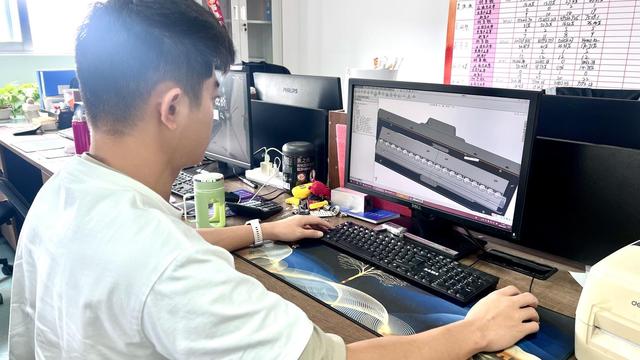
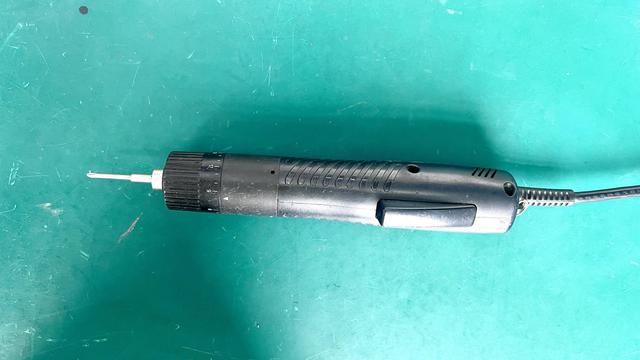
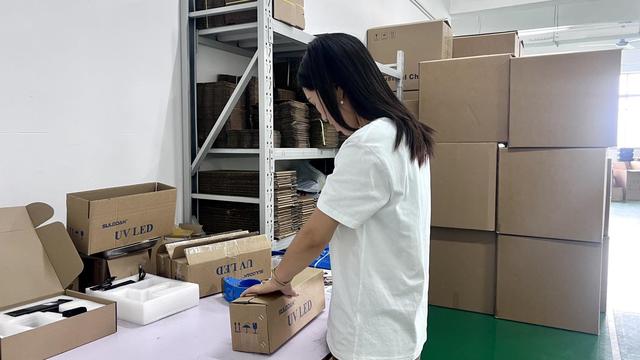
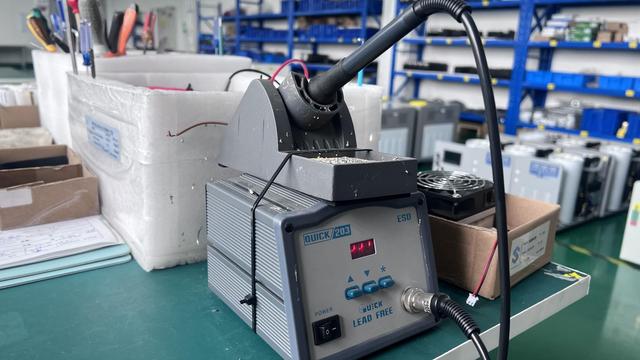
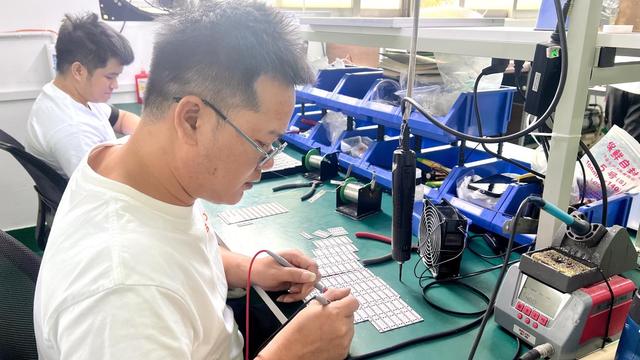
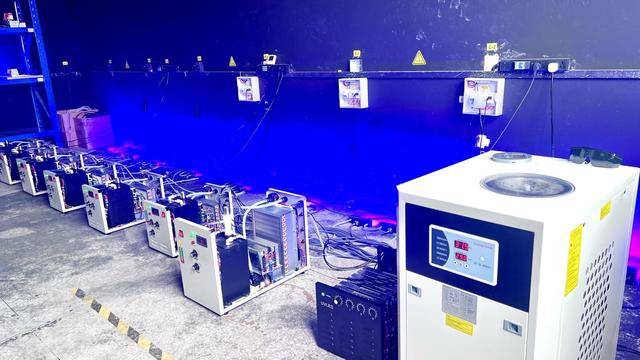
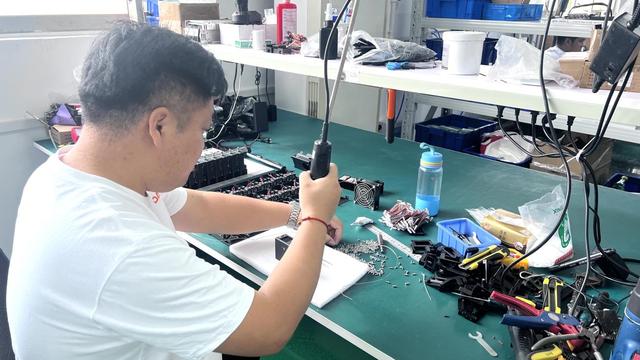
Developing advanced solid-state light engines for the next generation of manufacturing.
Future systems will combine multiple wavelengths (e.g., 365nm + 395nm + 405nm) into a single chip-on-board module. This lets factories cure complex coatings with varying layer thicknesses in a single pass.
Smart curing heads now include real-time irradiance tracking sensors. They automatically adjust power outputs as diodes age, logging data to maintain traceablity for aerospace and automotive audits.
Historically, deep UV spectrums (UVC 200nm - 280nm) suffered from low quantum efficiency. Our engineering team is currently prototyping high-output UVC arrays for inline sterilization and surface-barrier curing.
Exporting complex optoelectronic machines to Europe, North America, and Japan requires adhering to strict safety and technical guidelines. Our platforms are designed and certified to meet high international standards, giving engineering managers peace of mind.
✔ Direct Compliance Certifications: CE mark conformity, RoHS hazardous substances restrictions, ISO 9001 quality management verification, and UL safety compatibility.
✔ Advanced Safety Design: Multi-point thermal cutoffs, optical enclosure shields, and instant-off interlock safety mechanisms to protect operators from stray radiation.
✔ Comprehensive Support Options: Factory engineering assessments, optical layout analysis, spare part distribution networks, and remote support setups.
LumiCure works directly with your engineering departments to customize mount arrangements, electrical power profiles, and cooling setups, streamlining integration on the factory floor.
| Compliance Standard | Global Scope | LumiCure Status |
|---|---|---|
| ISO 9001 | Quality System Management | Certified Audited |
| CE / RoHS | Electrical Safety & Materials | Compliant |
| UV Shielding | Worker Safety Guidelines | Integrated Shields |
Technical answers to help engineers specify, integrate, and maintain curing systems.
Explore our high-performance systems configured for assembly lines, labs, and automated machinery.
 LumiCure Light