LumiCure Light
1 / 5





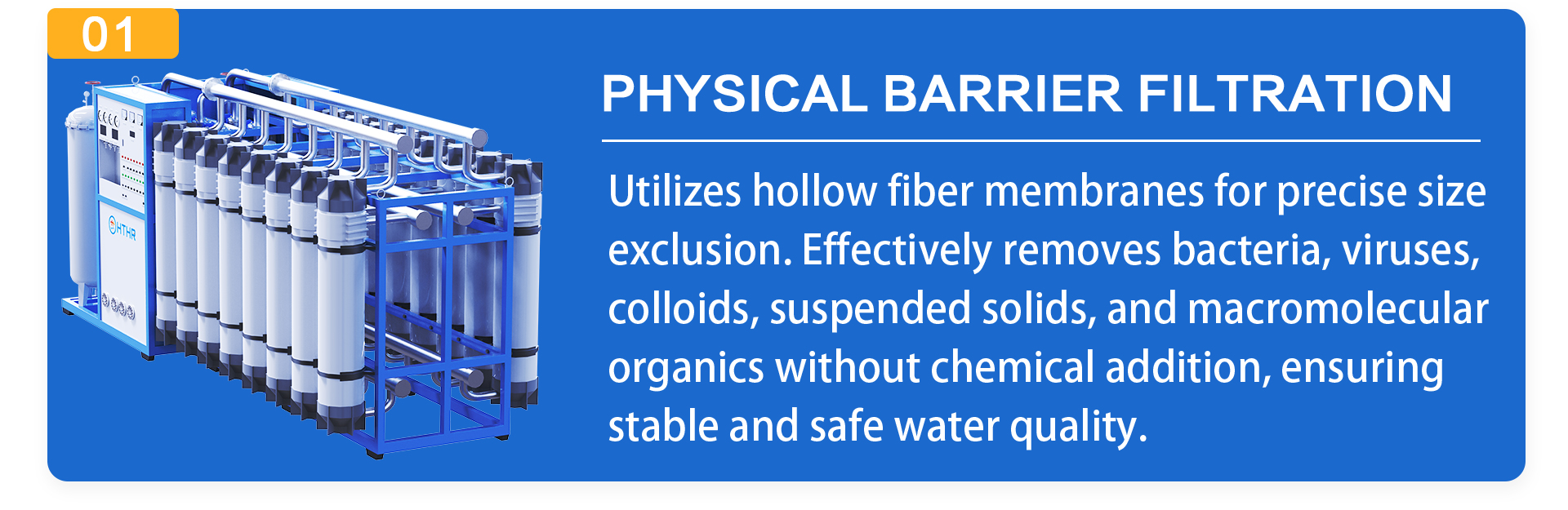
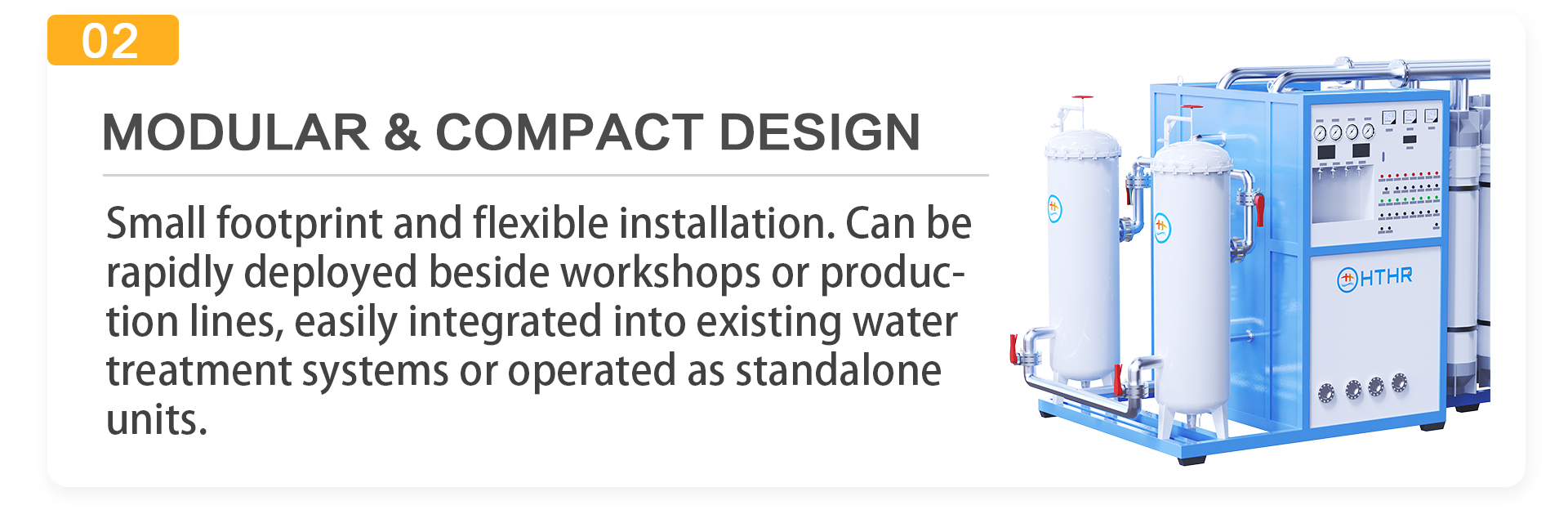
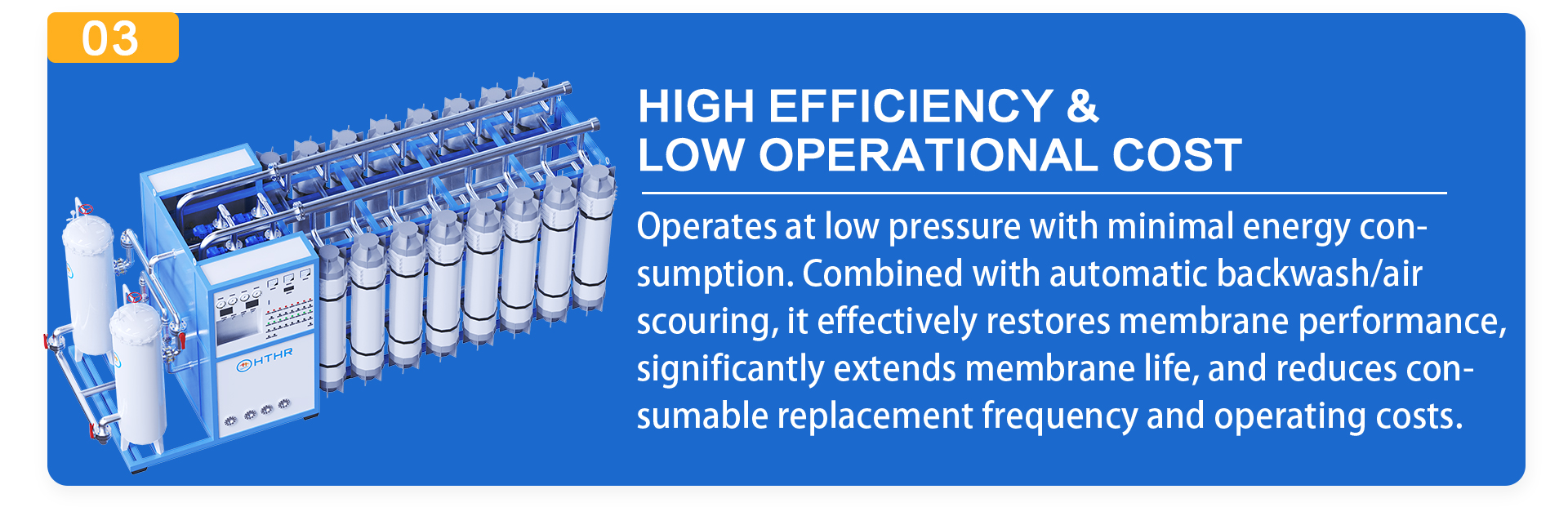
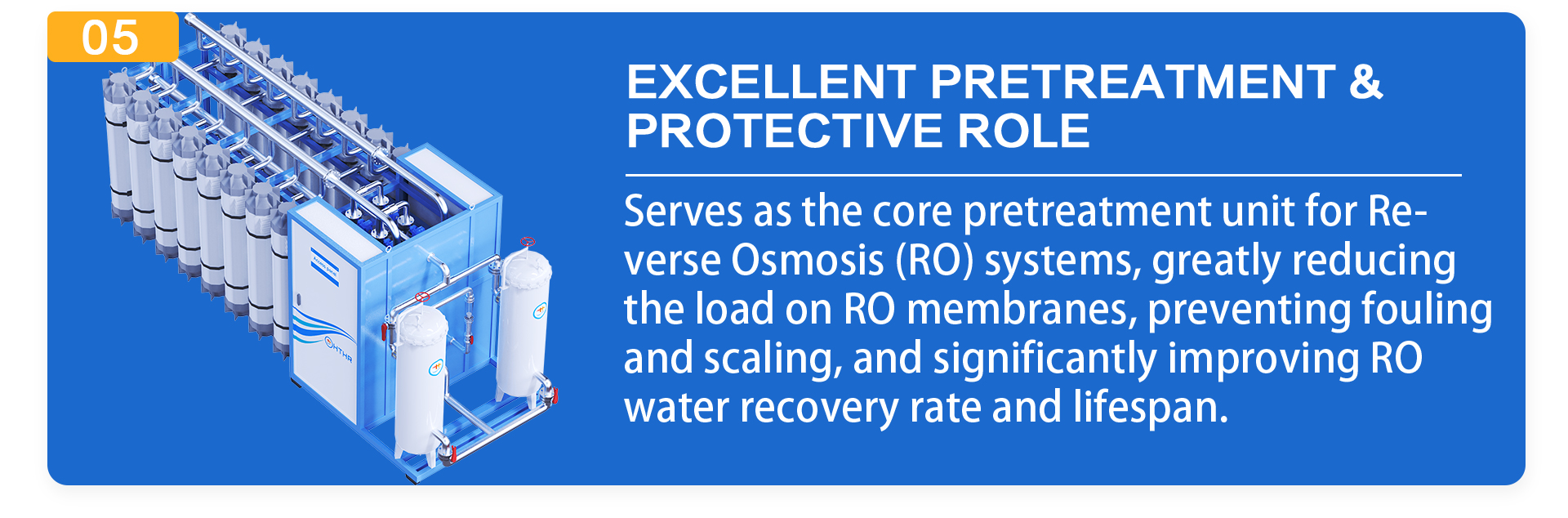
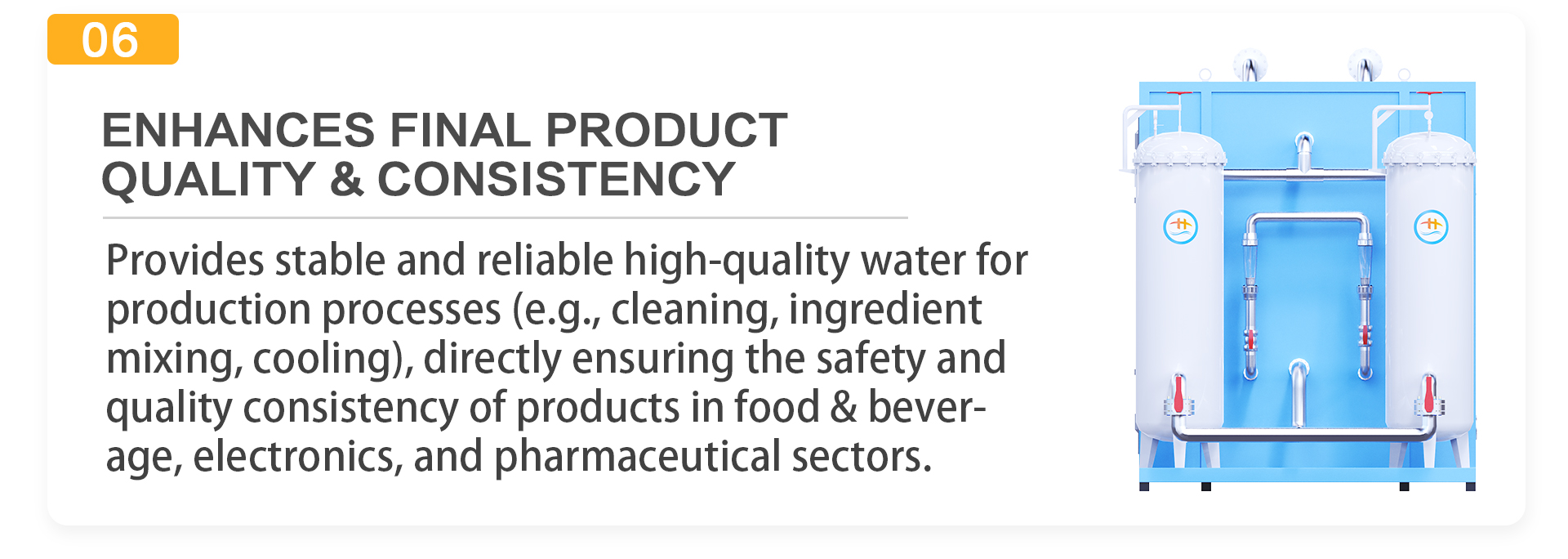

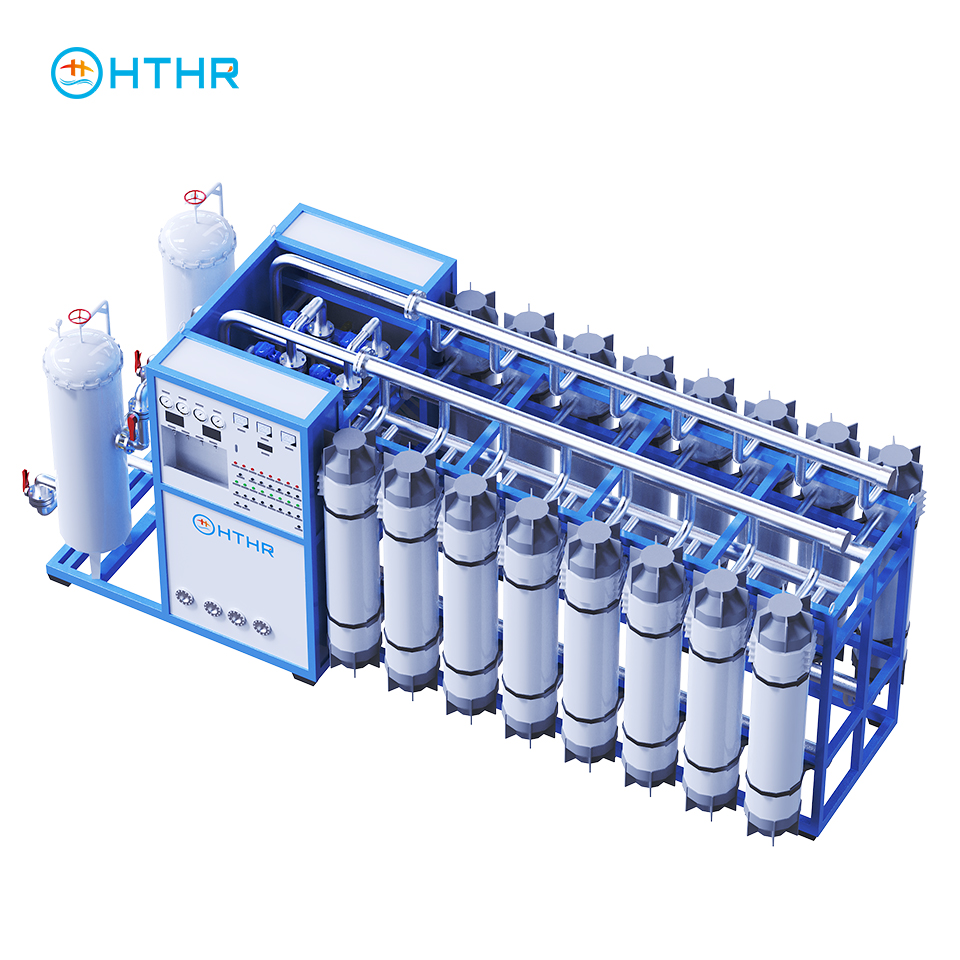
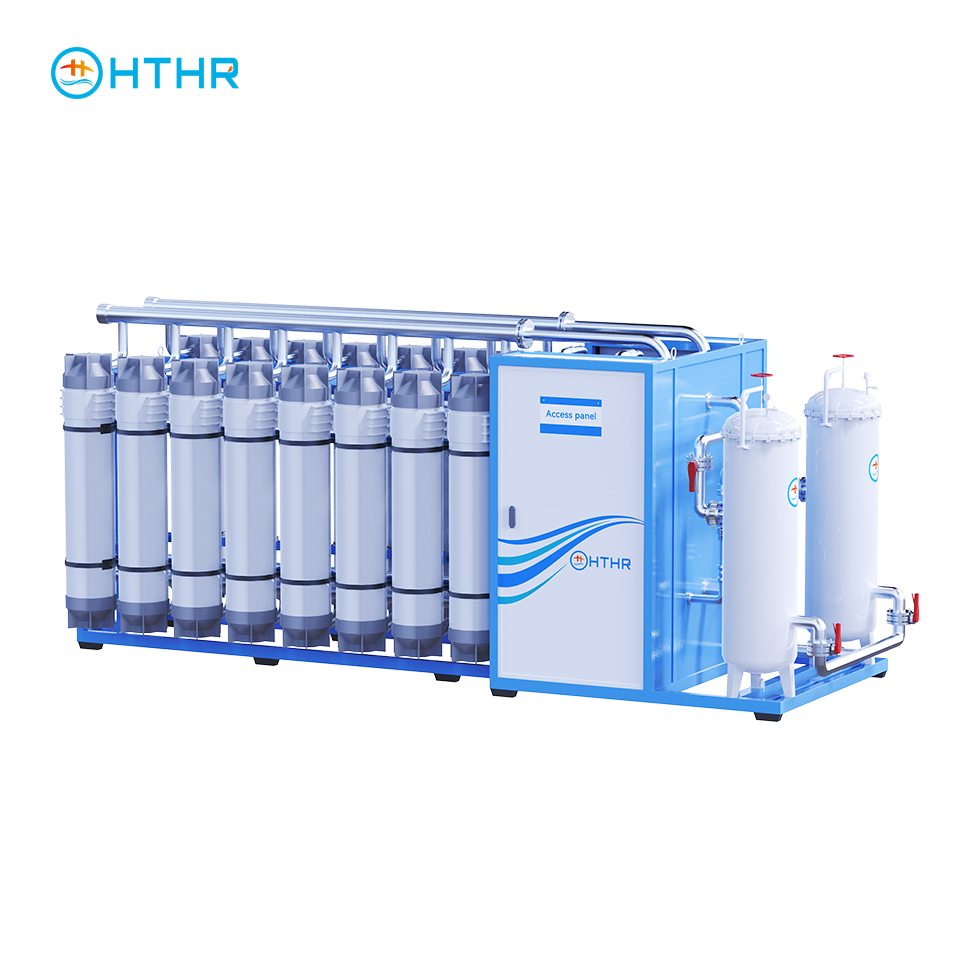
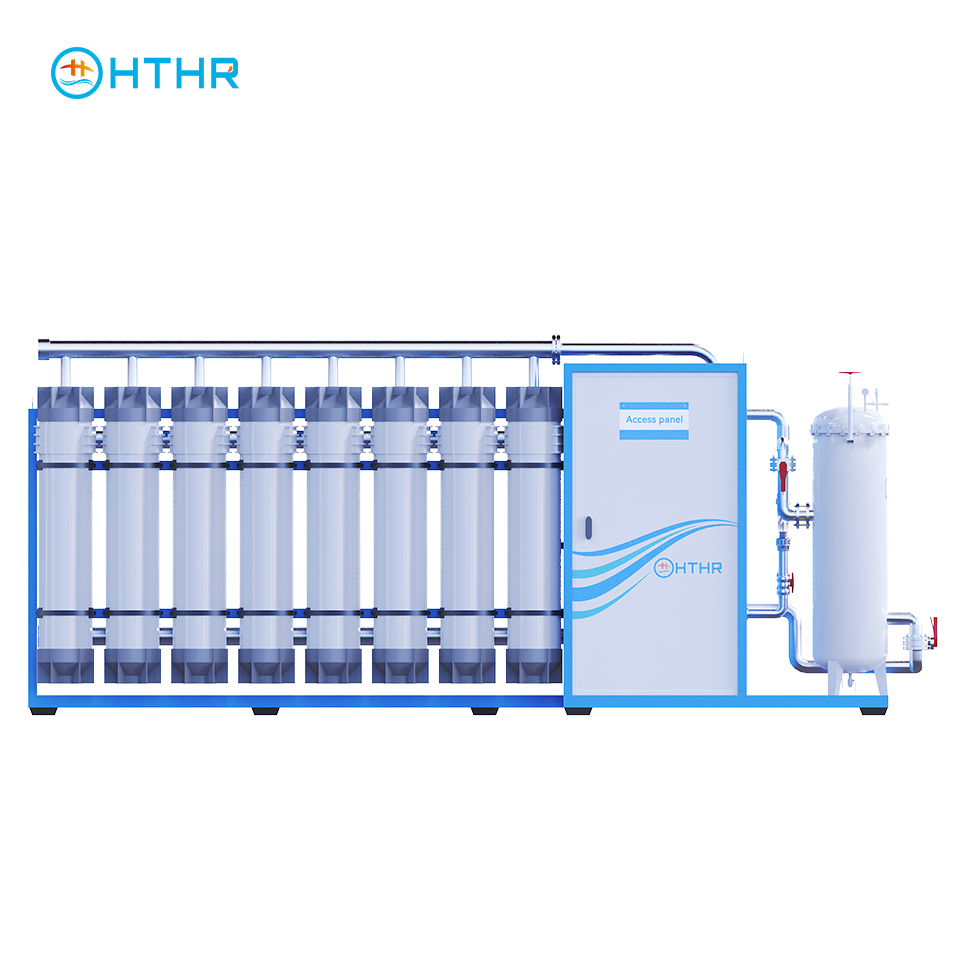
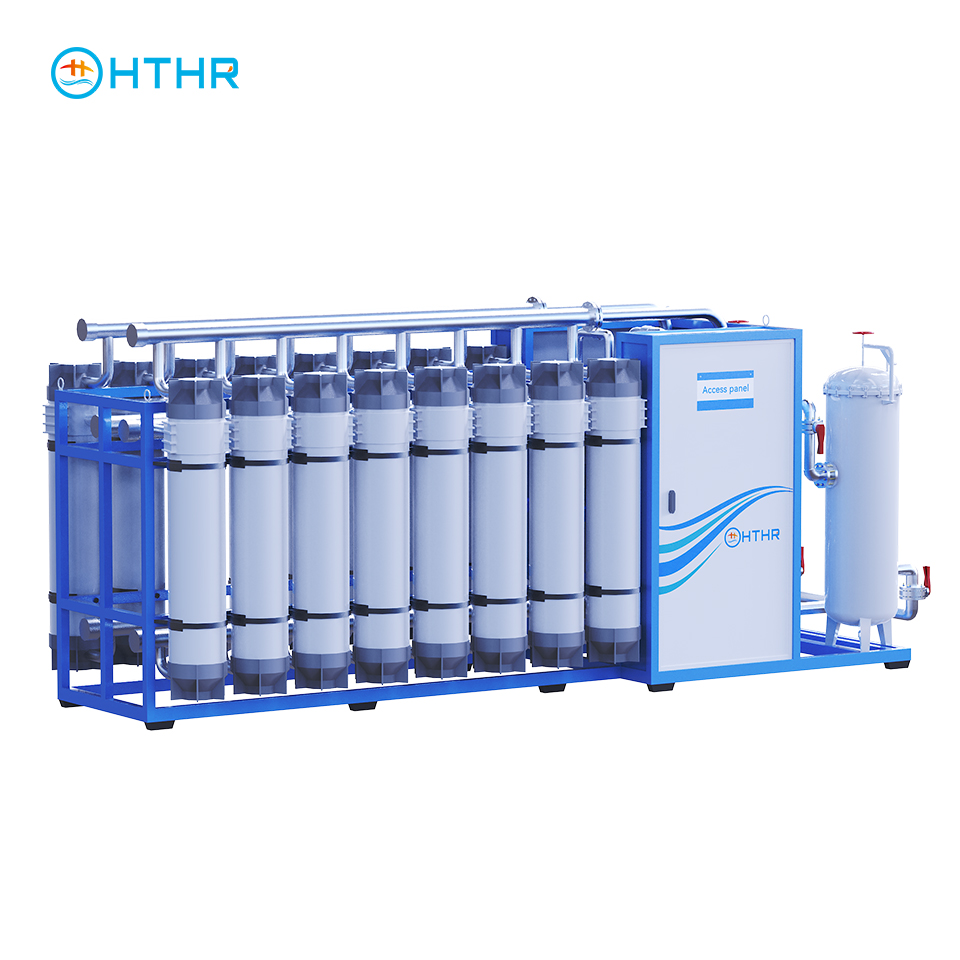
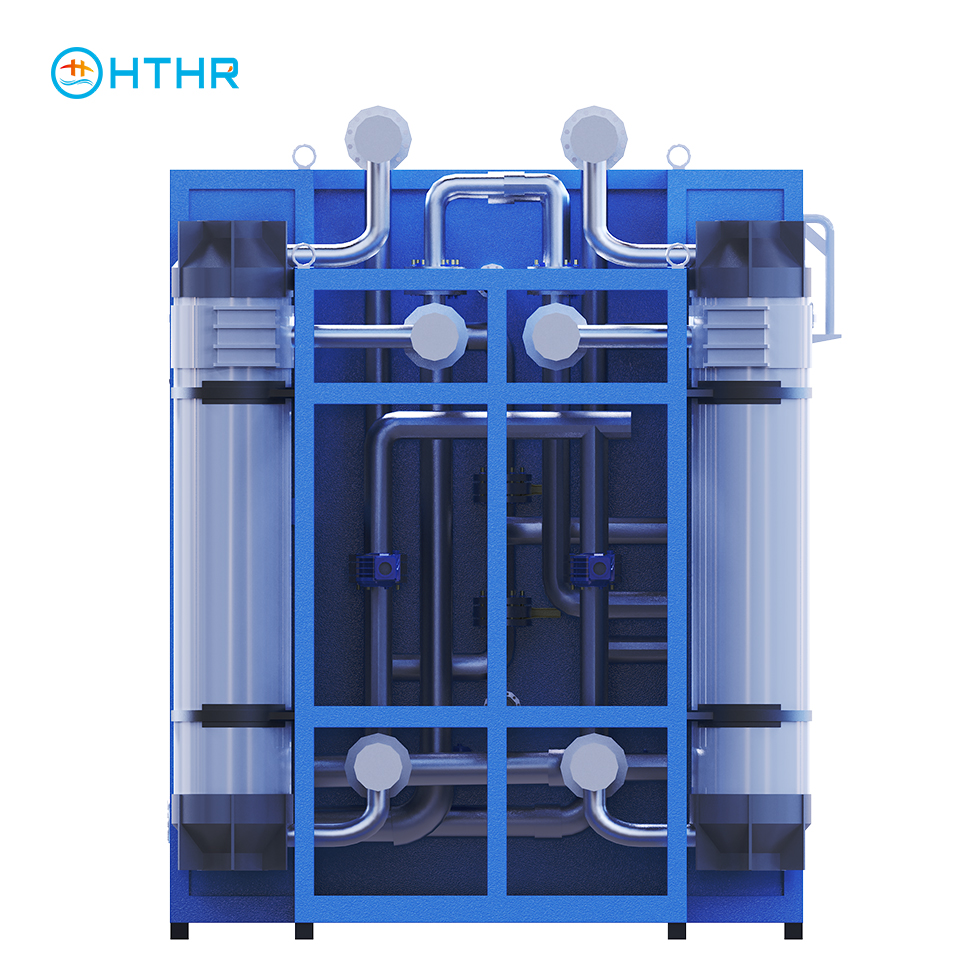
Ultrafiltration (UF) systems operate on a principle of physical sieving. The core component is a hollow-fiber membrane with pores of 0.01-0.1 microns. Driven by pressure, water and small solutes pass through the membrane, while suspended solids, colloids, bacteria, viruses, and macromolecular organics are effectively retained, achieving separation and purification. This process requires no heating or chemical addition.






1. What is the separation principle of Ultrafiltration (UF) systems?
Ultrafiltration systems operate on physical sieving using hollow-fiber membranes. Driven by pressure, water and small solutes pass through membrane pores (0.01-0.1 microns), while larger impurities like bacteria, colloids, and suspended solids are retained.
2. Does Ultrafiltration require chemicals or heating to purify water?
No. The UF filtration process is purely physical. It requires no thermal heating or chemical addition, making it an eco-friendly and energy-efficient water treatment technology.
3. What is the pore size of a UF hollow-fiber membrane?
The core hollow-fiber membrane in a UF system features highly uniform pores ranging from 0.01 to 0.1 microns. This range effectively blocks macromolecules, viruses, and bacteria while allowing essential minerals to pass through.
4. What substances can Ultrafiltration membranes effectively retain?
UF membranes effectively block and retain suspended solids, colloids, bacteria, viruses, pathogens, and large molecular weight organics, ensuring clean and purified output water.
5. Is a UF system suitable for pre-treatment in water purification setups?
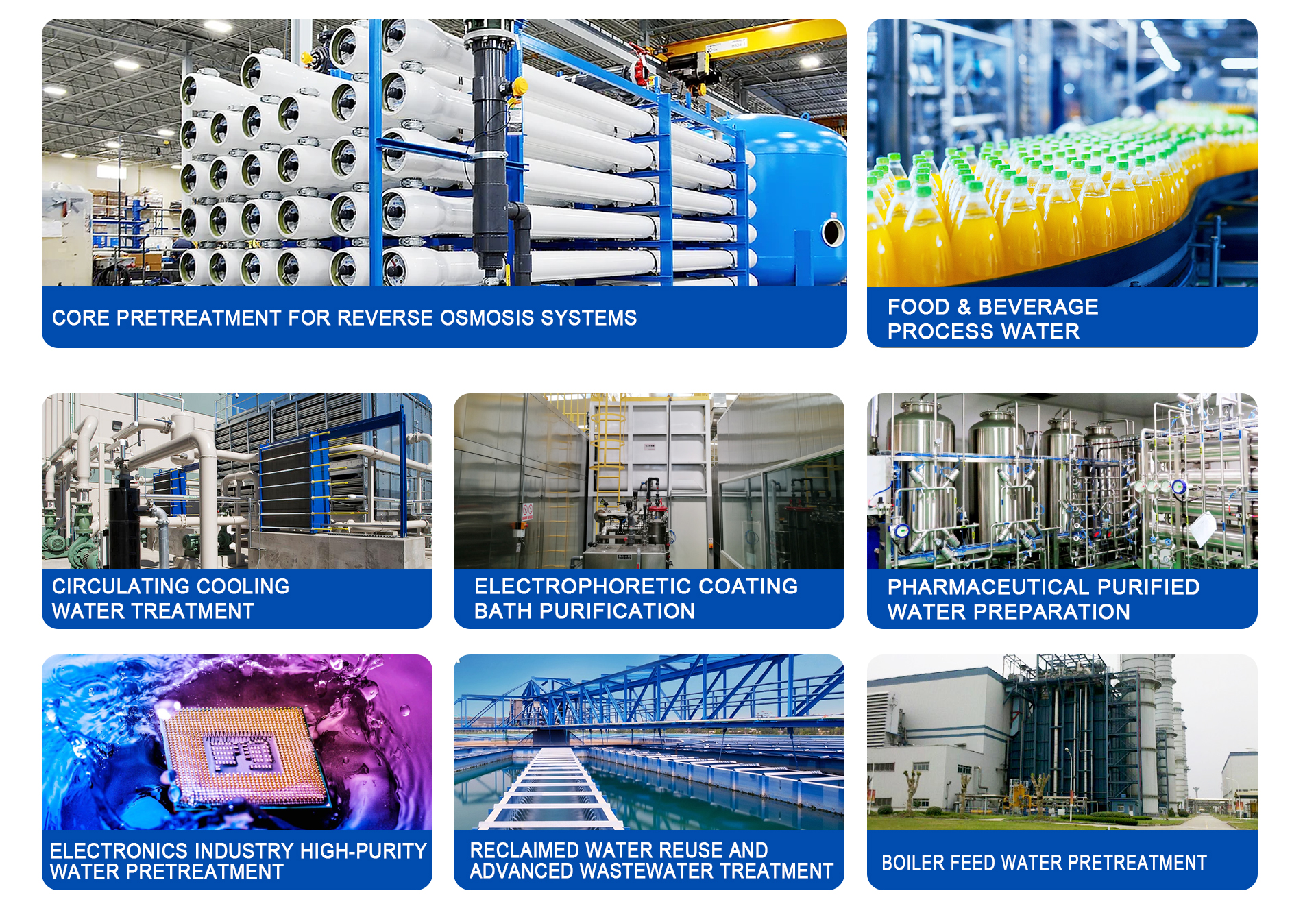
Yes. Because of its excellent ability to remove suspended solids, turbidity, and organic particles, Ultrafiltration is widely used as a reliable pre-treatment method for Reverse Osmosis (RO) systems and municipal water treatment plants.
6. How are UF membranes cleaned to maintain performance?
UF systems maintain performance through periodic backwashing (reversing the water flow) to flush out accumulated contaminants on the membrane surface, extending the service life of the hollow-fiber modules.