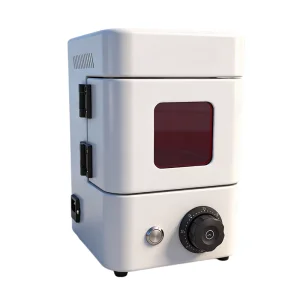
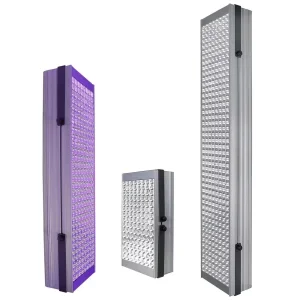
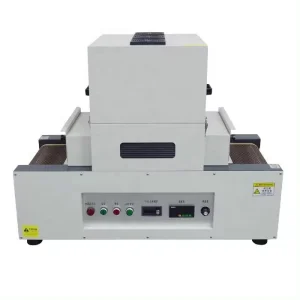
Engineered for immediate photopolymerization, micro-precise curing, and multi-wavelength output.
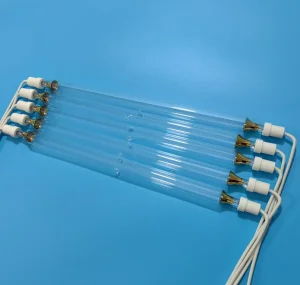
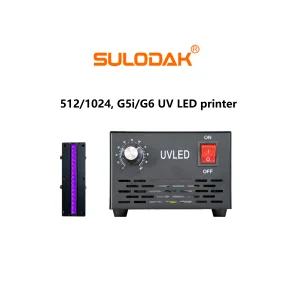
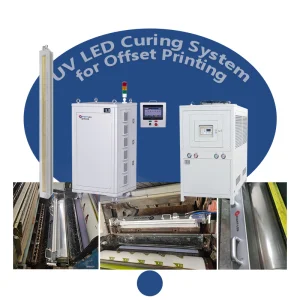
The industrial curing sector is undergoing a profound structural transition. For decades, medium-pressure mercury arc lamps dominated offset printing, electronics assembly, and coating lines. However, modern environmental directives—primarily the Minamata Convention on Mercury—alongside requirements for energy efficiency, have triggered an industry-wide transition toward AlGaN (Aluminum Gallium Nitride) semiconductor technology.
Dongguan LumiCure Light Co., Ltd. stands at the forefront of this industrial transformation. As a professional, CE-certified China UV LED curing lamp manufacturer, LumiCure specializes in the research, development, production, and supply of industrial UV curing systems and customized UV LED solutions. Backed by state-of-the-art engineering systems, our core focus on high-efficiency, energy-saving, and eco-friendly UV curing technologies empowers global manufacturers to scale production while significantly reducing carbon footprints and operational overhead.
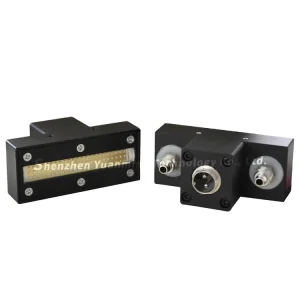
Our vertically integrated capabilities span across optical configuration design, thermal management integration, and custom COB (Chip-on-Board) packaging. From compact spot-curing setups for medical grade components to large-scale multi-kilowatt conveyor systems for industrial web printing, LumiCure provides robust, zero-ozone-generating, low-heat UV LED solutions built to withstand intensive 24/7 manufacturing environments.
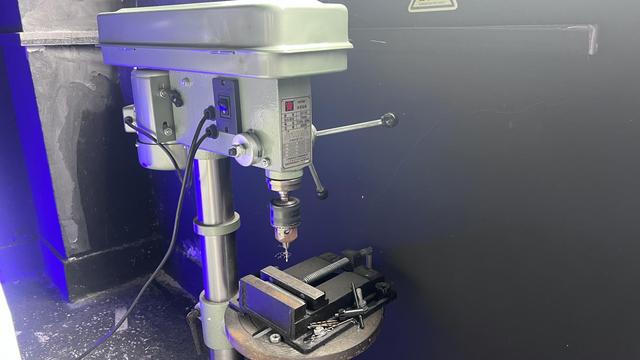
Exploring the physics of narrow-band emission, heat dissipation, and micro-refractive optical optimization.
LumiCure’s innovation engine is grounded in solving the three core constraints of UV LED technology: External Quantum Efficiency (EQE), Thermal Dissipation, and Optical Irradiance Delivery.
Unlike mercury arc lamps that disperse energy across broad spectra (including unwanted IR and ozone-generating UV-C), LumiCure systems focus optical output into narrow spectral windows (FWHM of 10-15nm) centered at 365nm, 385nm, 395nm, or 405nm. This minimizes thermal stress on heat-sensitive substrates like thin films, plastics, and foils, while optimizing photoinitiator excitation rates.
High-power LED arrays generate significant heat at the p-n junction. A rise in junction temperature leads to spectral shifting and reduced luminous efficiency. LumiCure integrates copper micro-channel liquid-to-air cooling systems alongside high-conductivity thermoelectric substrate technologies, keeping junction temperatures under 65°C for continuous operation.
We design custom quartz lens matrices and reflector cones for optimized irradiance profiles. By adjusting output beam divergence (from focused linear profiles for packaging to diffused layouts for wide-format curing), we maximize peak irradiance (up to 24W/cm² at 395nm) to ensure complete polymer cross-linking at depth.
A direct technical comparison reveals why high-capacity conversion lines are retrofitting mercury lamp lines to modern UV LED arrays:
| Parameters | Standard Mercury Arc Lamps | LumiCure UV LED Systems | Industrial Impact / Advantage |
|---|---|---|---|
| Luminous Efficiency | 30% - 40% (Loss to heat & IR) | 75% - 85% (Targeted output) | Cures without heating substrate |
| Effective Lifespan | 1,000 to 2,000 Hours | 50,000 to 100,000 Hours | Reduces maintenance costs and downtime |
| Start-Up & Intermission | Requires 10-15 min warm-up/cool-down | Instantaneous On/Off cycles | Integrates directly with high-speed automated lines |
| Ozone & Mercury Gas | High risk; requires complex exhaust systems | Zero mercury, zero ozone emissions | Enables safe workplace environments & CE certification |
| Wavelength Selectivity | Broad spectral emission (200nm - 600nm) | Discrete peaks (365/385/395/405nm) | Prevents substrate degradation & optimizes energy output |
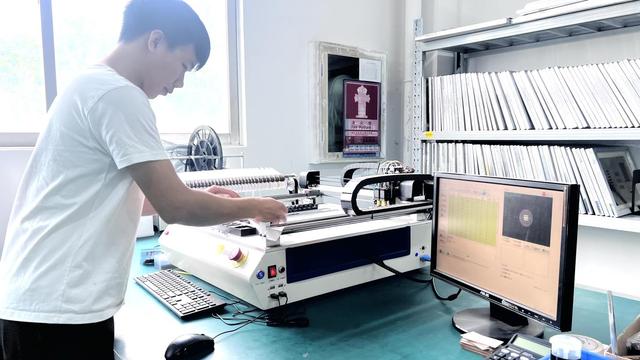
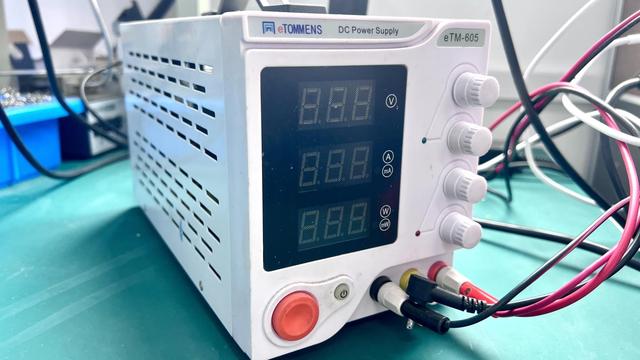
From micro-electronics packaging to high-speed commercial offset printing lines.
LumiCure’s technological advancements address specific needs across diverse industrial sectors. Our engineering teams configure wavelength distributions, mechanical chassis designs, and thermal cooling loops to align with these varying applications:
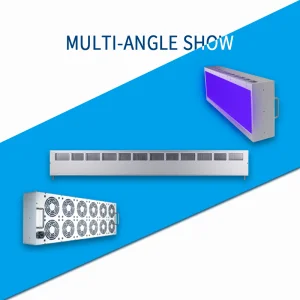
In high-density electronics and optoelectronic assemblies, components are highly sensitive to thermal stress. For tasks like bonding optical lenses, underfilling chips, or curing PCB solder masks, our Industrial Linear UV LED Curing Systems provide targeted, shadowless, low-temperature curing. By pairing high-performance 365nm/395nm wavelengths with precise spatial control, our systems cure adhesives (such as Loctite UV grades) without warping delicate plastic packages or damaging silicon structures.
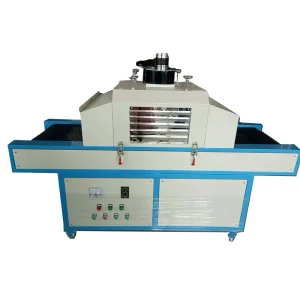
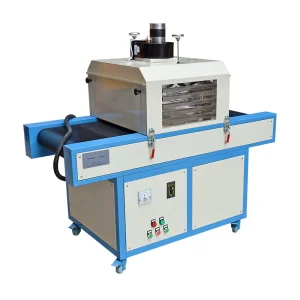
Whether processing label runs, food packaging, or heavy folding cartons, the commercial printing industry requires high throughput. Offset, screen, and inkjet printers need instantaneous ink polymerization to prevent set-off. Our systems, such as the 3000W UV Curing Lamp or the Hybrid UV LED Curing System with Mercury Lamp, allow operators to combine the deep-curing properties of traditional systems with the surface-drying speed and efficiency of LED arrays. This ensures strong adhesion, robust chemical resistance, and crisp color reproduction, even at speeds exceeding 300 meters per minute.
In medical manufacturing (such as catheter assembly, needle bonding, and endoscope assembly), processes must meet stringent regulatory standards. LumiCure’s medical-grade curing systems provide consistent irradiance, process verification options, and stable outputs. The Portable LED 395nm UV Curing Lamp delivers the high-irradiance output required to cure biocompatible OCA adhesives and resin compounds, maintaining process stability and compliance with global cleanroom standards.
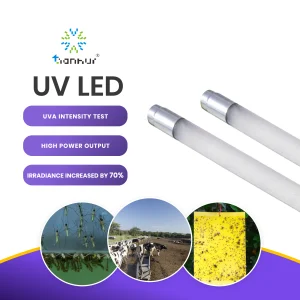
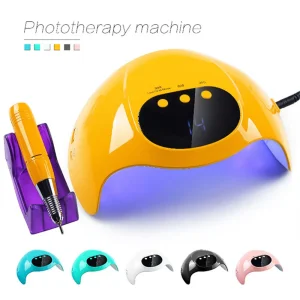
LumiCure’s UV technology also extends to non-curing fields. By utilizing specific UV-A spectra, our UVA Bug Zapper Lamp (365nm-395nm) serves as a reliable light source for pest control in agricultural settings and food processing zones. In high-end design sectors, products like our Smart Sensor Nail Phototherapy Lamp offer rapid polymer curing for consumer goods, demonstrating the versatility of our optoelectronic components.
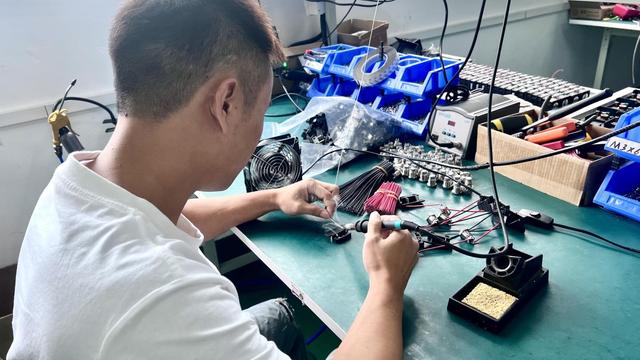
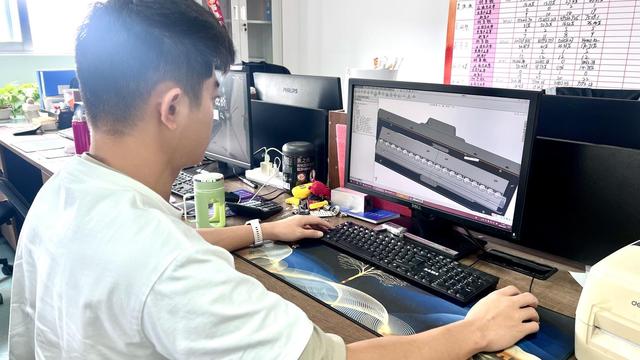
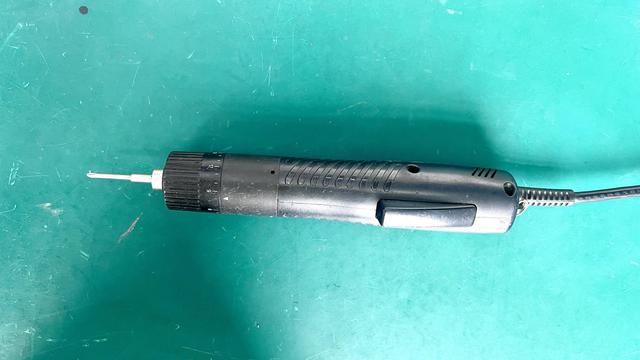
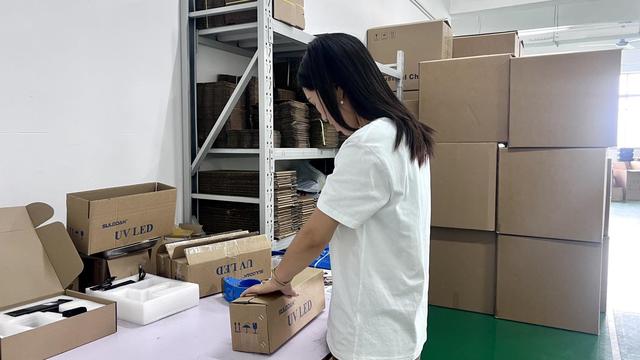
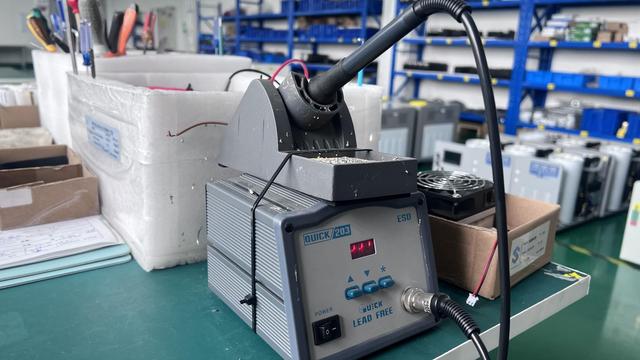
Dongguan serves as a major global hub for advanced hardware, electronic components, and precision engineering. Dongguan LumiCure Light Co., Ltd. leverages this ecosystem to build a highly responsive and integrated supply chain. Our manufacturing facilities are located at the center of this network, securing direct access to raw optoelectronic materials and components.
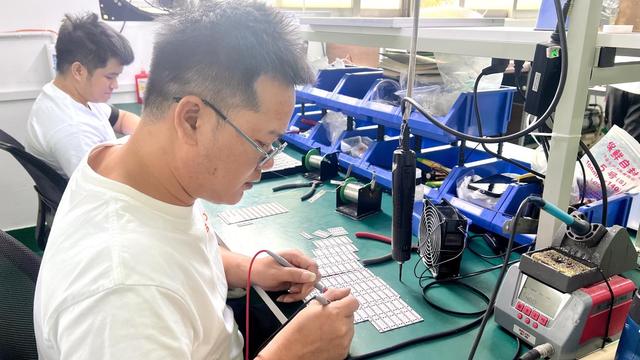
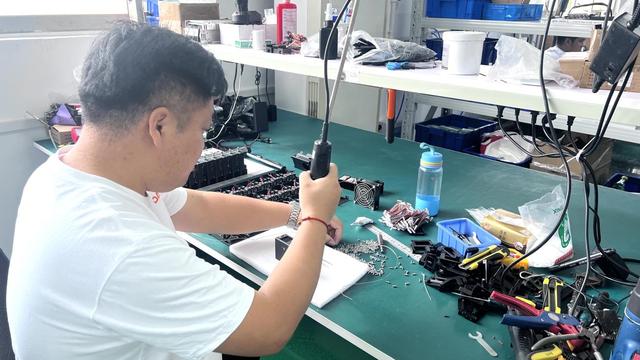
Vertical Integration from Die Attachment to Final Enclosure: Unlike pure assembly operations, LumiCure controls the entire production cycle. We source high-grade epi-wafers, perform custom COB packaging, manufacture aluminum and copper chassis via precision CNC machining, and assemble control boards in-house. This structure reduces reliance on third-party components, lowers costs, and speeds up product delivery.
Rapid Prototyping & Customization (OEM/ODM): Every curing process requires specific parameters. Our design team can modify system geometries, optical power levels, and cooling layouts to create prototypes in 7 to 10 working days. This flexibility helps our partners minimize project setup delays and accelerate their time-to-market.
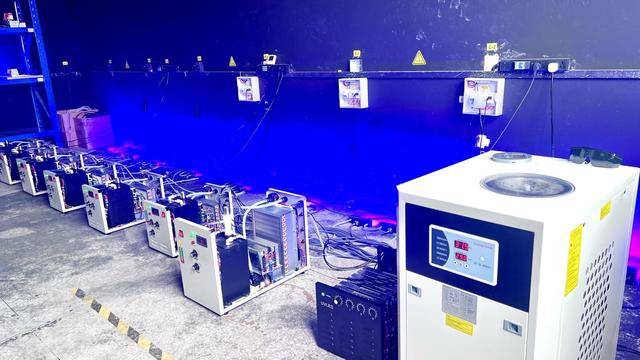
Strict Quality Assurance & Testing: Every UV LED system undergoes rigorous testing before shipment. We run thermal cycling tests, wavelength uniformity sweeps, and continuous load tests for 72 hours. This process ensures that all units meet their specified operating tolerances, providing reliable performance in production environments.
Aligning high-power industrial machinery with international directives for absolute operational safety.
Exporting high-power industrial machinery to European, North American, and Asian markets requires adherence to safety and environmental guidelines. LumiCure products carry the CE Certification Mark, ensuring compliance with European health, safety, and environmental protection directives. Our products meet the following standards:
Answers to common technical, optical, and logistical questions from system design engineers.
The choice between wavelengths depends on the photoinitiator composition and substrate properties. 365nm light has shorter wavelengths and higher photon energy, making it highly effective for thin coatings and surface curing. However, it is absorbed quickly and has limited penetration depth. 395nm light has longer wavelengths, allowing it to penetrate deeper into thick resin layers, heavily pigmented coatings, and composites. Choosing 395nm helps ensure complete cross-linking through the entire material depth.
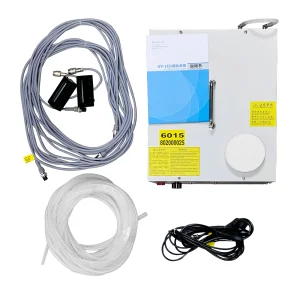
Air cooling uses aluminum fins and fans, which is simple and cost-effective for smaller units (under 5W/cm²). For high-power systems (e.g., our 450W to 1000W curing units) running at 12-24W/cm², water cooling with integrated chillers is more effective. Water chillers maintain a stable chip temperature, preventing thermal shifting and ensuring consistent optical output for continuous, high-volume production.
Yes, hybrid systems are very effective, particularly for offset and web printing retrofits. Standard inks often rely on photoinitiators that respond best to the broad spectrum of mercury lamps. A hybrid configuration uses the mercury lamp to cure the surface and achieve ink adhesion, while the UV LED array handles the deep curing. This setup helps printers reduce overall energy consumption by up to 50% without requiring an immediate switch to LED-specific inks.
Yes. As a direct manufacturer, we offer full OEM/ODM customization. We can adjust the emission area size to match your conveyor line, configure dual-wavelength arrays (such as combining 365nm and 395nm chips in a single COB module), and adapt the physical mountings to integrate with your existing machinery.
Every system undergoes a rigorous testing program, including 72 hours of continuous operation under load, thermal camera analysis to identify hot spots, and optical spectroradiometer tests to verify wavelength distribution and output consistency. Each unit is shipped with its test report and carries the CE certification label.
Heavy-duty curing lines and exposure systems designed for automated high-volume production.
 LumiCure Light